



Ever noticed how one simple word can carry centuries of meaning, art, faith, and emotion? That’s exactly what happens with nativität. I first came across it while browsing European Christmas traditions, and honestly, it sent me down a rabbit hole I didn’t expect. If you’ve ever wondered what nativität really means and why it still matters globally you’re about to get a clear, human explanation without the dusty textbook vibe.
Let’s talk about it like friends over coffee.
What Does nativität Mean?
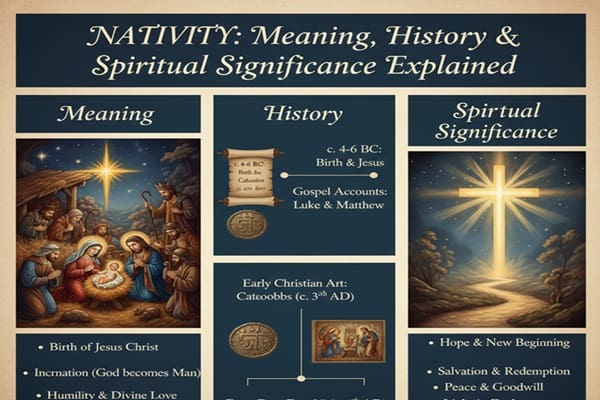
At its core, nativität means birth. The word comes from Latin nativitas, which points to origin, beginning, and arrival into the world.
In German-speaking cultures, nativität almost always refers to the Nativity the birth of Jesus Christ. That single moment shapes centuries of belief, art, music, and tradition.
But here’s the twist: nativität isn’t just religious. It also works as a symbol of new beginnings, hope, and transformation. That’s why it still resonates far beyond church walls.
Why nativität Still Feels Relevant Today
You might ask, Why should a modern global audience care about a centuries-old concept? Fair question.
nativität survives because it speaks to universal human experiences:
Birth
Renewal
Hope during uncertainty
Light appearing in dark moments
Every culture understands those ideas. That’s why the term keeps showing up in art, writing, philosophy, and even casual conversations.
The Historical Roots of Nativität
From Latin to Living Tradition
The Latin word nativitas evolved as it moved across Europe. Over time, languages shaped it into:
Nativität (German)
Natività (Italian)
Nativité (French)
Nativity (English)
Despite spelling changes, the meaning stayed remarkably consistent: the moment something meaningful begins.
Nativität in Christian Belief
For Christians, nativität centers on one defining story.
The Birth Narrative
According to Christian tradition:
Mary gives birth to Jesus in Bethlehem
The setting feels humble, not royal
Shepherds and wise men arrive
Angels announce peace and hope
This story appears most famously in the Bible, and believers see it as a turning point for humanity.
The Deeper Symbolism of Nativität
Here’s where things get interesting.
nativität works on multiple levels:
Light over darkness
Humility over power
Hope over fear
Love over division
IMO, that layered symbolism explains why people connect with it even without religious belief.
Nativität as a Cultural Concept
Beyond Religion
In many European cultures, nativität also lives through tradition:
Nativity scenes in public squares
Plays and performances
Seasonal music and art
Family storytelling
These practices often focus more on community and warmth than strict theology.
Art and Nativität: A Visual Language
Artists love nativität. Always have.
Why Artists Keep Returning to It
Strong emotional contrast
Universal human themes
Instantly recognizable imagery
Painters, sculptors, and modern designers reinterpret the nativity story constantly. Some versions look traditional. Others look boldly modern. The theme survives every style shift.
Nativität in Modern Life
You don’t need to attend church to encounter nativität today.
You see it in:
Holiday art and décor
Literature and poetry
Philosophy discussions about beginnings
Conversations about renewal and rebirth
People use the word metaphorically too. A startup launch? A personal transformation? That’s nativität energy right there.
Global Relevance of Nativität
Why It Translates Across Cultures
In the USA, nativität often links to Christmas culture.
In Europe, it blends religion with art and history.
In India, scholars explore it as spiritual symbolism.
In Australia, it appears through multicultural celebrations.
Different contexts. Same core meaning.
Nativität vs Nativity: Is There a Difference?
Short answer: not really.
Longer answer:
Nativität = German usage
Nativity = English usage
Both refer to birth, especially the birth of Jesus. Language changes. Meaning stays steady.
Common Misunderstandings About Nativität
Let’s clear a few things up.
“It’s only religious.”
Nope. It works symbolically too.
“It’s outdated.”
Tell that to modern artists and writers still using it.
“It has no global meaning.”
Actually, its themes appear everywhere.
Why Nativität Feels Emotionally Powerful
Birth stories hit something deep in us.
They remind us that:
Every beginning starts small
Change often arrives quietly
Hope doesn’t need grandeur
That emotional punch explains why nativität still moves people centuries later 🙂
Nativität and New Beginnings
Many people connect with nativität during personal change:
New careers
New families
New beliefs
Fresh starts after hardship
The word becomes less about history and more about possibility.
How Writers and Thinkers Use Nativität Today
Modern writers often use nativität as:
A metaphor for creativity
A symbol of renewal
A contrast to chaos
It works because everyone understands beginnings even if they interpret them differently.
Also Read : Weber Grillvorführung: Live BBQ Demos & Grilling Tips
Key Themes Associated with Nativität
Let’s break it down clearly.
nativität represents:
Birth and origin
Hope and promise
Transformation
Community
Renewal
That’s a powerful combo for one word.
Why Nativität Refuses to Fade Away
Trends come and go. Core human stories stay.
nativität survives because it answers a timeless question:
What happens when something new enters the world?
People will always ask that.
FAQ: nativität
What does nativität mean in simple terms?
It means birth or origin, often referring to the birth of Jesus.
Is nativität only a religious term?
No. People also use it symbolically for new beginnings.
Where does the word nativität come from?
It comes from the Latin word nativitas, meaning birth.
Is nativität the same as nativity?
Yes. They share the same meaning in different languages.
Why does nativität matter today?
Because its themes hope, renewal, and beginnings remain universal.
How is nativität used in modern culture?
Through art, literature, seasonal traditions, and symbolic language.
Final Thoughts on Nativität
Here’s my honest take.
nativität works because it feels human. It doesn’t shout. It arrives quietly. It reminds us that even the smallest beginnings can shape history.
Whether you see it as sacred, symbolic, cultural, or personal, nativität still invites reflection. And maybe that’s the real gift it asks us to pause, notice beginnings, and treat them with care.