




Ever stumbled upon a fruit and thought, “Why haven’t I been eating this my whole life?” That was me the first time I heard about žižole. I was scrolling through a food blog, saw this tiny reddish-brown fruit, and thought, “Looks cute, but does it actually do anything?” Turns out, it does a lot more than look pretty. From centuries-old traditions to modern superfood fame, žižole is one of those hidden gems that deserves a spot in your kitchen and, honestly, your wellness routine.
Let’s dive into everything about this fascinating fruit, from history and culture to health benefits and practical ways to enjoy it.
What is Žižole?
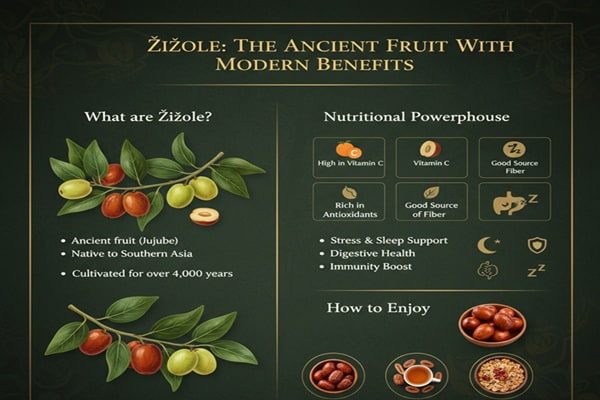
Žižole (pronounced zhee-zoh-leh) is another name for the jujube fruit, scientifically known as Ziziphus jujuba. It’s small, oval-shaped, and turns a beautiful reddish-brown when fully ripe.
Here’s the cool part: its texture changes depending on how it’s consumed. Fresh žižole has a crisp, apple-like bite, while dried, it becomes chewy and sweet, almost like a natural candy.
This little fruit isn’t just tasty it carries a history spanning over 4,000 years, originally cultivated in China and gradually spreading across Asia, the Mediterranean, and eventually the Western world.
A Brief History of Žižole
You might wonder, “Why is this fruit still around after thousands of years?”
The answer lies in both its cultural significance and practical benefits.
China: Used for centuries in traditional medicine, rituals, and festive celebrations. It symbolizes longevity, fertility, and good luck.
Mediterranean & Balkans: Featured in seasonal harvest festivals, often as a symbol of abundance and prosperity.
Modern World: Today, chefs and health enthusiasts alike are rediscovering žižole as a superfood, blending tradition with modern wellness trends.
So yes, this tiny fruit has traveled far, carrying stories from ancient temples to contemporary kitchens.
Nutritional Powerhouse
Let’s get down to the numbers because žižole isn’t just another pretty face.
Key Nutrients:
Vitamin C: Boosts immunity and fights free radicals.
Dietary Fiber: Supports digestion and gut health.
Potassium & Minerals: Aid heart health and fluid balance.
Bioactive Compounds: Flavonoids and saponins help reduce inflammation and stress.
In short, eating žižole is like giving your body a gentle power-up every day.
Health Benefits of Žižole
Here’s why I honestly recommend incorporating this fruit into your diet:
1. Boosts Immunity
With high vitamin C and antioxidants, žižole helps your body fend off infections and recover faster.
2. Supports Digestion
The fiber content aids regularity and promotes a healthy gut microbiome.
3. Natural Stress Relief
Traditional medicine has used žižole for centuries to calm nerves and support better sleep. Flavonoids and saponins act as natural relaxants.
4. Anti-Inflammatory Effects
Polyphenols reduce inflammation, which can benefit everything from joint health to skin quality.
5. Heart Health
Potassium and other minerals help regulate blood pressure, supporting overall cardiovascular wellness.
Honestly, it’s like nature’s little multitasker in a fruit package.
Culinary Uses: Fresh and Dried
Wondering how to enjoy žižole beyond just snacking? Here’s a few ways:
Fresh: Toss into salads or eat as a crisp, tangy snack.
Dried: Perfect for teas, baking, or as a natural sweetener.
Smoothies & Energy Bars: Blend dried žižole for chewy, sweet goodness.
Infused Syrups or Alcohol: Some Mediterranean traditions use it to make liqueurs or syrups.
I personally love adding dried žižole to my morning oatmeal adds sweetness without refined sugar.
Growing Žižole: A Farmer’s Delight
Did you know žižole trees are incredibly resilient?
Drought-tolerant: Can grow in arid regions where many other fruits fail.
Low maintenance: Thrives in poor soil conditions.
Sustainable farming: Ideal for eco-friendly agriculture due to minimal water needs.
This explains why the fruit survived centuries and why it’s making a comeback in modern sustainable farming.
Cultural Significance
Žižole isn’t just food it’s culture.
In China, gifting žižole during festivals symbolizes longevity and prosperity.
In Europe, it historically represented abundance and harvest celebrations.
Across cultures, the fruit often appears in rituals, ceremonies, and traditional medicine, blending nourishment with symbolism.
This dual role of food and cultural symbol makes žižole unique among superfoods.
Žižole in Modern Wellness
It’s no surprise that wellness enthusiasts are rediscovering this ancient fruit:
Superfood status: Antioxidant-rich and nutrient-dense.
Functional food: Used in teas, tonics, and snacks for health benefits.
Culinary trends: Chefs incorporate žižole into desserts, salads, and fusion dishes.
It’s the perfect example of a traditional food adapting to modern tastes without losing its heritage.
Also Read : Nativität Meaning, History & Spiritual Significance Explained
How to Buy and Store Žižole
A few tips to get the best out of this fruit:
Fresh fruits: Look for firm, reddish-brown skins.
Dried fruits: Choose soft, chewy varieties without additives.
Storage: Fresh lasts a few weeks in the fridge. Dried žižole can last months in an airtight container.
Fun tip: I once bought some dried žižole for a tea experiment and ended up loving it as a natural snack win-win!
Global Appeal
The beauty of žižole lies in its universality:
Asia: Traditional medicine and festive cuisine.
Europe: Cultural heritage and seasonal dishes.
USA & Australia: Health and culinary markets embrace it as a superfood trend.
India & Middle East: Used in teas, sweets, and natural remedies.
No matter where you are, there’s a way to enjoy and benefit from žižole.
FAQ About Žižole
1. What is žižole?
It’s the fruit of the Ziziphus jujuba tree, also called jujube.
2. Is žižole healthy?
Absolutely! Packed with fiber, vitamin C, antioxidants, and minerals.
3. Can you eat žižole fresh and dried?
Yes. Fresh is crisp and tangy, dried is sweet and chewy.
4. Does žižole have medicinal uses?
Traditionally, yes supports digestion, immunity, stress relief, and sleep.
5. How do you store žižole?
Fresh in the fridge for a few weeks, dried in an airtight container for months.
6. Where is žižole grown?
Originally China; now cultivated in Asia, Mediterranean, and select Western regions.
7. How can I use žižole in recipes?
Eat as a snack, add to smoothies, bake, or brew in herbal teas.
Conclusion
So there you have it žižole, a small fruit with massive impact. It combines history, health, culture, and taste all in one. Whether you want to boost your wellness, explore a global superfood, or simply enjoy a sweet, chewy snack, žižole has got you covered.
Next time you’re at a specialty store or online, grab some žižole your body, taste buds, and even your sense of cultural curiosity will thank you. And honestly, who wouldn’t want a fruit that’s been cherished for thousands of years?