




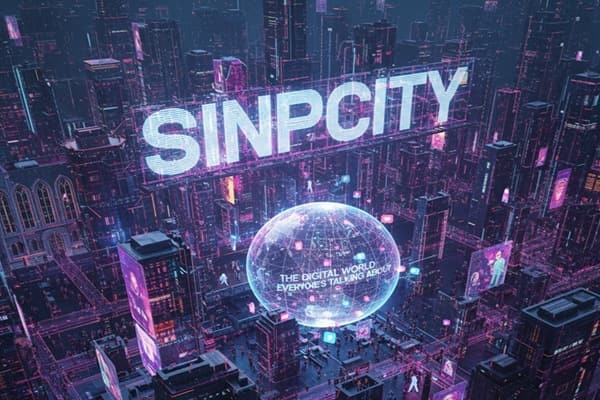
Ever stumbled across a word online and thought, “Wait… what is this actually about?” That’s exactly how most people meet sinpcity for the first time. One scroll through social media, a random forum post, or a casual meme, and suddenly this oddly catchy term keeps popping up.
So what is sinpcity really? A platform? A community? A joke? Or something deeper hiding in plain sight?
Short answer: it’s all of that and more. Long answer? Stick with me, because sinpcity is one of those internet concepts that perfectly captures how modern digital culture works.
What Is Sinpcity, Really?
Let’s clear the fog first. Sinpcity is not a single app, website, or company you can neatly define. Instead, it works as a digital concept that blends online culture, humor, community behavior, and identity expression.
People use sinpcity to describe:
A digital space where online interactions feel intense, expressive, and unfiltered
A cultural label for internet behavior driven by admiration, loyalty, or obsession
A satirical idea rooted in meme culture and online slang
Think of it as a fictional online “city” where internet habits live loud and unapologetic. Sounds dramatic? Yeah, that’s kind of the point.
Why the Name “Sinpcity” Works So Well
The name isn’t random. It plays with familiar ideas that already exist online.
“Simp” culture, which jokes about extreme online admiration
“City,” which suggests community, crowds, and shared space
A subtle nod to rebellion and chaos, like a digital wild west
Put it together, and sinpcity becomes a playful metaphor for how people behave online when emotions, attention, and identity collide.
IMO, that’s clever branding for something that wasn’t even meant to be formal.
How Sinpcity Shows Up Online
One reason sinpcity keeps gaining traction is flexibility. People use it in different ways depending on context.
1. Sinpcity as Internet Slang
In memes and comments, sinpcity often appears as a joke. Someone posts a dramatic comment, overshares emotions, or shows intense loyalty, and boom, someone replies with “welcome to sinpcity.”
It’s humorous, slightly sarcastic, and oddly self-aware.
2. Sinpcity as a Digital Community Idea
In deeper conversations, sinpcity represents online spaces where people connect freely, express themselves loudly, and build community without strict rules.
These spaces often value:
Creativity over polish
Expression over perfection
Community over algorithms
FYI, this explains why sinpcity resonates with creators and niche online groups.
3. Sinpcity as a Cultural Mirror
Zoom out a bit, and sinpcity starts reflecting modern internet life itself. People invest emotions online. They build identities through profiles. They form bonds without meeting face to face.
Sinpcity doesn’t judge that behavior. It highlights it.
The Core Ideas That Define Sinpcity
Even with all its interpretations, sinpcity revolves around a few consistent themes.
Freedom of Expression
People associate sinpcity with minimal filters and fewer social expectations. Users speak freely, create boldly, and joke without worrying about polished branding.
Identity Play
Sinpcity encourages exaggerated personas. People lean into humor, irony, and alter egos. Sometimes it’s serious. Sometimes it’s a joke. Often, it’s both.
Community Energy
Despite the sarcasm, sinpcity thrives on shared understanding. Everyone “gets the joke,” and that creates a sense of belonging.
Self-Awareness
Here’s the twist. Sinpcity jokes about online obsession, but it also acknowledges it. That self-awareness keeps the concept relatable instead of cringe.
Sinpcity vs Traditional Social Platforms
So how does sinpcity compare to mainstream social media?
Traditional platforms focus on:
Algorithms
Metrics
Monetization
Image control
Sinpcity-style spaces focus on:
Expression
Interaction
Humor
Community vibe
It’s not better or worse. It’s just different.
Think of traditional platforms as office buildings and sinpcity as a crowded street market. Both serve a purpose, but the energy feels completely different.
Why Sinpcity Feels So Relevant Right Now
Timing matters, and sinpcity arrives at a moment when many users feel exhausted by curated perfection online.
People crave:
Authentic conversations
Imperfect content
Relatable humor
Honest reactions
Sinpcity fits that mood perfectly. It doesn’t promise productivity or success. It promises connection, laughter, and expression.
And honestly, that feels refreshing 🙂
Is Sinpcity Just a Meme?
Not exactly. Memes helped popularize the term, but the idea goes deeper.
Memes fade fast. Sinpcity sticks because it describes behavior people recognize in themselves and others. When a term captures shared experience, it lasts.
That’s why sinpcity keeps resurfacing across different platforms and communities.
The Psychology Behind Sinpcity
Let’s get slightly nerdy for a moment.
Online spaces allow people to:
Explore identity safely
Express emotions without immediate judgment
Belong without physical presence
Sinpcity taps into that psychology. It creates a mental space where exaggerated emotion feels normal, even encouraged.
That doesn’t mean it’s unhealthy by default. Like anything online, it depends on balance.
Potential Downsides of Sinpcity Culture
Nothing online stays perfect forever, right?
Sinpcity-style spaces can sometimes attract:
Toxic behavior
Over-sharing without boundaries
Harassment disguised as humor
Privacy risks
That’s not unique to sinpcity, but the lack of structure can amplify these issues.
Smart users enjoy the freedom while staying aware of limits.
How Creators Use Sinpcity Energy
Creators love sinpcity because it removes pressure.
Instead of polished branding, they focus on:
Raw storytelling
Honest reactions
Relatable content
Community-driven engagement
This approach often builds deeper loyalty than algorithm-friendly posts.
People don’t follow perfection. They follow personality.
Also Read : Banflix: The Real Story Behind the Free Streaming Buzz
Sinpcity and Digital Identity
One underrated aspect of sinpcity is identity exploration.
Online personas allow people to:
Try new communication styles
Express humor safely
Test confidence
Connect without labels
Sinpcity doesn’t force identity. It lets it evolve naturally.
That flexibility explains why younger audiences resonate strongly with the concept.
Global Appeal of Sinpcity
Sinpcity isn’t limited to one country or culture.
Its appeal works globally because:
Humor translates across borders
Online behavior feels universal
Digital identity matters everywhere
Whether you’re in the USA, UK, India, Australia, or anywhere else, the internet creates shared experiences. Sinpcity simply names them.
Common Myths About Sinpcity
Let’s clear a few misunderstandings.
Myth 1: Sinpcity is a real app
It’s more of a concept than a platform.
Myth 2: Sinpcity promotes unhealthy behavior
It highlights behavior, often humorously. Context matters.
Myth 3: Sinpcity is only for memes
Memes popularized it, but community and culture sustain it.
FAQ: Sinpcity Explained Simply
What does sinpcity mean?
Sinpcity describes a digital culture or space where online expression, humor, and emotional energy run high.
Is sinpcity a website or app?
No single official platform exists. The term works as a cultural label.
Why do people joke about sinpcity?
People use humor to reflect exaggerated online behavior and shared digital experiences.
Is sinpcity safe to engage with?
Like any online space, safety depends on awareness and personal boundaries.
Who uses the term sinpcity most?
It appears frequently among younger users, creators, and online communities.
Is sinpcity serious or ironic?
Both. That blend makes it relatable.
Will sinpcity fade away?
The term might evolve, but the behavior it describes isn’t going anywhere.
The Future of Sinpcity
Sinpcity will likely keep shifting as internet culture changes.
It may:
Inspire new digital communities
Influence content styles
Shape online humor
Evolve into new slang
Concepts survive when they adapt, and sinpcity already proves flexible.
Final Thoughts: Why Sinpcity Matters
Sinpcity isn’t about glorifying obsession or chaos. It’s about recognizing how people really behave online.
It gives a name to:
Digital emotion
Community energy
Identity play
Internet self-awareness
And honestly, naming something makes it easier to understand.
If you’ve ever laughed at a meme, overreacted online, or felt strangely connected to strangers through a screen, congratulations. You’ve already visited sinpcity.