



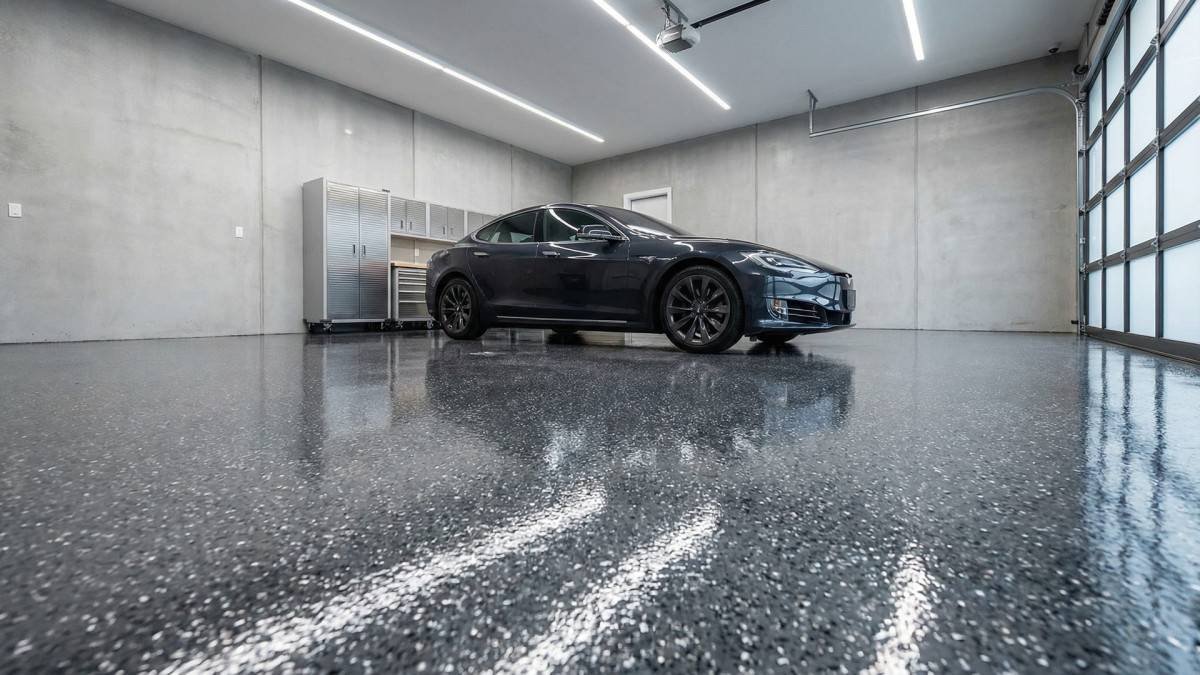
When considering an upgrade for your garage, an epoxy floor coating often comes to mind due to its durability and aesthetic appeal. However, understanding the true epoxy garage floor coating cost involves more than just a simple price tag. This comprehensive guide delves into the various factors that influence the overall expense, from material choices and installation methods to the size and condition of your garage. We will explore average costs, compare epoxy with other popular coating options like polyaspartic and polyurea, and provide insights into the long-term value of your investment. By the end, you’ll have a clear picture of what to expect financially and how to make an informed decision for your garage flooring project.
Understanding Epoxy Garage Floor Coating Costs
The cost of an epoxy garage floor coating can fluctuate significantly based on several key variables. Impact Realty Property Management professionals say that generally, homeowners can expect to pay anywhere from $3 to $12 per square foot for professional installation, with DIY options being considerably less but carrying their own set of challenges. This range accounts for differences in material quality, the complexity of the installation process, and regional pricing variations. For an average two-car garage, which typically measures around 400-500 square feet, the total cost can range from $1,200 to $6,000 or more. Understanding these cost drivers is crucial for budgeting and ensuring you get the best value for your investment.
Average Cost Per Square Foot
The average cost per square foot for epoxy garage floor coating varies, but most sources indicate a range of $3 to $12 for professional application [1, 2]. This price often includes labor, materials, and basic surface preparation. DIY kits, while seemingly more affordable at $1 to $3 per square foot, typically only cover the material cost and require significant effort and expertise from the homeowner [3]. The quality of the epoxy product, its thickness, and any special additives (like decorative flakes or anti-slip agents) will directly impact the per-square-foot price.
Total Cost for Different Garage Sizes
The total cost of an epoxy garage floor coating is largely dependent on the size of your garage. Here’s an estimated breakdown for common garage sizes:
| Garage Size | Approximate Square Footage | Estimated Professional Cost Range | Estimated DIY Material Cost Range |
|---|---|---|---|
| 1-Car Garage | 200-250 sq. ft. | $600 – $3,000 | $200 – $750 |
| 2-Car Garage | 400-500 sq. ft. | $1,200 – $6,000 | $400 – $1,500 |
| 3-Car Garage | 600-750 sq. ft. | $1,800 – $9,000 | $600 – $2,250 |
These figures are estimates and can vary based on the factors discussed in the following sections.
Factors Influencing Epoxy Garage Floor Coating Cost
Understanding the elements that contribute to the overall epoxy garage floor coating cost is essential for accurate budgeting. These factors can significantly swing the final price, making it important to consider each one carefully before embarking on your project. From the type of materials used to the condition of your existing concrete, every detail plays a role in the investment required for a high-quality, long-lasting epoxy floor.
Material Quality and Type
The quality and type of epoxy used are primary cost drivers. There are several types of epoxy coatings, including 100% solids epoxy, water-based epoxy, and solvent-based epoxy. 100% solids epoxy is the most durable and long-lasting, offering superior resistance to chemicals, abrasions, and impacts, but it also comes at a higher price point. Water-based and solvent-based epoxies are generally more affordable but offer less durability and a shorter lifespan. Additionally, the inclusion of decorative flakes, metallic pigments, or anti-slip additives will increase material costs.
Surface Preparation Requirements
Proper surface preparation is paramount for the longevity and performance of an epoxy coating, and it can be a significant cost factor. If your garage floor has existing cracks, oil stains, or previous coatings that need to be removed, the preparation work will be more extensive and thus more expensive. This can involve diamond grinding, shot blasting, crack repair, and degreasing. A professional installer will typically include these steps in their quote, but DIY enthusiasts often underestimate the time, effort, and specialized equipment required for adequate preparation [4].
DIY vs. Professional Installation
The choice between a do-it-yourself (DIY) project and professional installation is perhaps the most impactful factor on the overall epoxy garage floor coating cost. While DIY kits are cheaper upfront, professional installers bring expertise, specialized equipment, and often higher-quality materials that result in a more durable and aesthetically pleasing finish. Professionals also handle the intricate surface preparation, which is critical for preventing premature peeling or failure of the coating. The labor cost for professional installation typically accounts for a significant portion of the total expense, but it often translates to a superior and longer-lasting result.
Geographic Location
Like many home improvement services, the cost of epoxy garage floor coating can vary by geographic location. Labor rates, material availability, and local market demand all play a role in regional pricing differences. Urban areas with a higher cost of living generally have higher installation costs compared to rural areas. It
can also be influenced by the number of qualified installers in a given area, with less competition potentially leading to higher prices.
Customizations and Add-ons
Beyond the basic epoxy coating, various customizations and add-ons can impact the final cost. These include:
- Decorative Flakes: Adding colored vinyl flakes for a granite or terrazzo look increases material cost and labor for broadcasting and extra topcoats.
- Metallic Pigments: For a unique, marbled aesthetic, metallic pigments can be mixed into the epoxy, which is a premium option.
- Anti-Slip Additives: While essential for safety, especially in wet environments, these additives can slightly increase the material cost.
- Cove Base: Extending the epoxy up the wall a few inches creates a seamless, easy-to-clean transition, but adds to both material and labor expenses.
- Multiple Coats: While a standard system might include a base coat and a clear topcoat, additional coats for enhanced durability or specific aesthetic effects will increase the overall price.
Each of these options contributes to a more personalized and functional floor but will also elevate the overall epoxy garage floor coating cost.
Epoxy vs. Other Garage Floor Coatings: Cost and Value Comparison
When evaluating the epoxy garage floor coating cost, it’s crucial to compare it against other popular garage floor coating options. While epoxy is a well-known choice, alternatives like polyaspartic and polyurea offer different benefits and price points. Understanding these distinctions will help you determine which coating provides the best balance of cost, durability, and performance for your specific needs and budget. This section will break down the cost and value propositions of each.
Epoxy vs. Polyaspartic Coatings
Epoxy coatings have been a long-standing choice for garage floors due to their affordability and decent durability. They typically cost between $4 and $7 per square foot for materials and installation [2]. However, epoxy is known for its rigidity, which can lead to cracking under concrete movement, and its tendency to yellow when exposed to UV light, making it less ideal for garages with significant sun exposure [5].
Polyaspartic coatings, on the other hand, represent a newer generation of floor coatings. They are generally more expensive, ranging from $7 to $12 per square foot, but offer superior benefits [2]. Polyaspartic is significantly more flexible, allowing it to withstand concrete shifts and temperature changes without cracking. It also boasts excellent UV stability, preventing yellowing, and cures much faster than epoxy, often allowing for vehicle traffic within 24 hours [5]. While the upfront epoxy garage floor coating cost might be lower, polyaspartic often provides better long-term value due to its enhanced durability and longevity.
Epoxy vs. Polyurea Coatings
Polyurea coatings share many similarities with polyaspartic, often being used in conjunction or as a base coat for polyaspartic topcoats. Like polyaspartic, polyurea offers rapid curing times and strong chemical resistance [5]. The cost of polyurea systems is comparable to polyaspartic, typically falling within the $6 to $9 per square foot range [1]. The primary distinction often lies in the specific formulation and application process, with polyurea sometimes being applied thinner than epoxy but compensating with superior tensile strength and flexibility [5]. When considering epoxy garage floor coating cost, it’s important to recognize that while polyurea might have a higher initial outlay, its performance benefits, particularly in terms of flexibility and cure time, can offer a compelling alternative.
Long-Term Value and Durability
The long-term value of a garage floor coating extends beyond its initial cost. While epoxy might offer a lower upfront investment, its typical lifespan of 5-10 years can mean more frequent reapplication or repairs, especially in high-traffic areas or those exposed to UV light [1]. Polyaspartic and polyurea coatings, with their superior durability, UV stability, and resistance to chemicals and abrasion, can last 15-25+ years, significantly reducing the need for maintenance and replacement [1]. Therefore, when assessing the true epoxy garage floor coating cost, it’s essential to factor in the total cost of ownership over the lifespan of the floor. A higher initial investment in a more advanced coating can often lead to greater savings and satisfaction in the long run.
The Installation Process and Its Impact on Cost
The installation process for an epoxy garage floor coating is a critical determinant of its overall cost and longevity. Proper application requires meticulous attention to detail, especially during surface preparation. Any shortcuts taken during this phase can lead to premature failure of the coating, negating the initial investment. Understanding the steps involved and their associated costs will provide a clearer picture of the total epoxy garage floor coating cost and highlight the value of professional expertise.
Essential Surface Preparation Steps
Surface preparation is arguably the most crucial step in any successful epoxy application. It ensures proper adhesion and prevents issues like peeling or bubbling. Key steps include:
- Cleaning: Thorough removal of dirt, grease, oil, and other contaminants. This often involves specialized degreasers and power washing.
- Repair: Filling cracks, divots, and spalling (concrete crumbling) with appropriate repair compounds.
- Grinding/Shot Blasting: Mechanical profiling of the concrete surface to create a porous profile that allows the epoxy to bond effectively. This is typically done with diamond grinders or shot blasters [4].
- Moisture Testing: Assessing the concrete slab for moisture vapor emission rates, as excessive moisture can lead to coating failure. A moisture vapor barrier may be required if levels are too high [5].
Each of these steps requires specific tools, materials, and labor, contributing significantly to the overall epoxy garage floor coating cost. DIY attempts often fail due to inadequate preparation, emphasizing the value of professional services.
Application Techniques and Curing Times
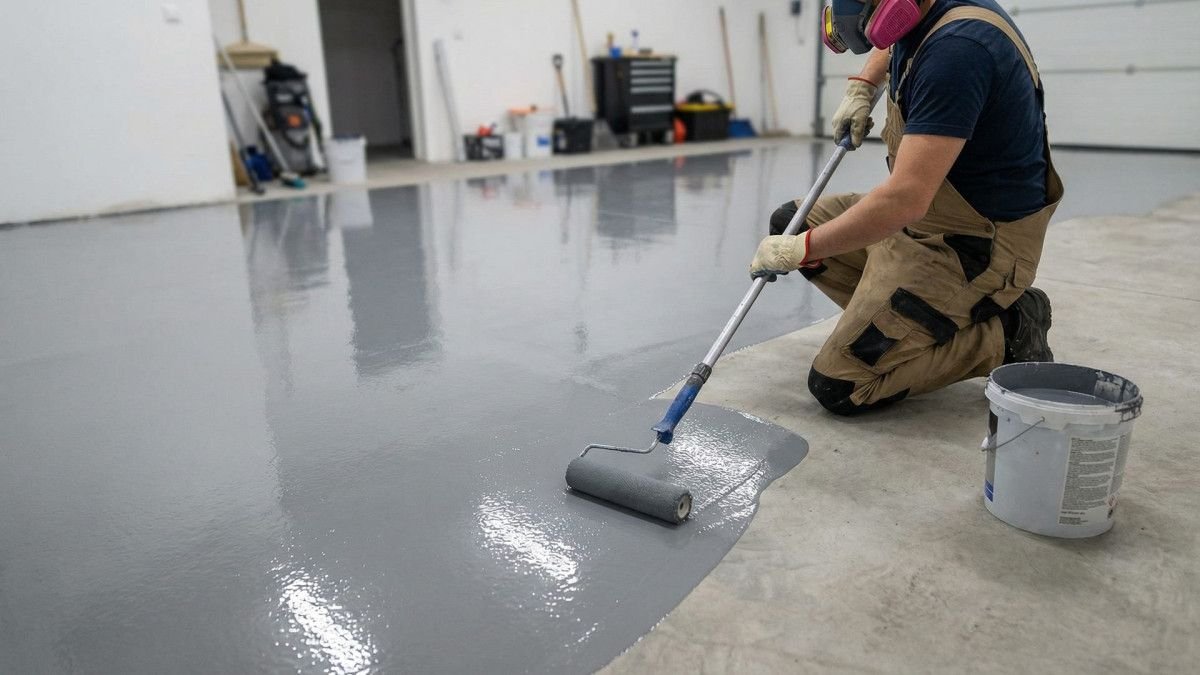
Once the surface is prepared, the epoxy is applied in multiple layers, typically a primer, a color coat (often with decorative flakes), and a clear topcoat. Each layer requires specific application techniques and curing times. Epoxy generally has a longer curing time, often requiring several days before the floor can withstand foot traffic and up to a week or more before it can handle vehicle traffic [5]. This extended downtime can be a consideration for homeowners. Professional installers are adept at applying these layers evenly and efficiently, ensuring a smooth, durable finish. The complexity of the application, the number of coats, and the specific type of epoxy used all factor into the labor costs and, consequently, the total epoxy garage floor coating cost.
Maintaining Your Epoxy Garage Floor
Once your epoxy garage floor coating is installed, proper maintenance is key to preserving its appearance and extending its lifespan. While epoxy is known for its durability, a consistent cleaning regimen and awareness of its limitations will help protect your investment. Understanding the maintenance requirements also contributes to a realistic view of the overall epoxy garage floor coating cost, as neglecting care can lead to premature wear and the need for costly repairs or reapplication.
Cleaning and Care Tips
Epoxy floors are relatively easy to clean, but certain practices can help maintain their pristine condition:
- Regular Sweeping/Vacuuming: Remove dirt, dust, and debris regularly to prevent scratching the surface.
- Mild Cleaners: Use a soft mop with warm water and a mild, pH-neutral cleaner. Avoid harsh chemicals, abrasive cleaners, or steel wool, as these can dull the finish or cause damage.
- Immediate Spill Cleanup: Wipe up oil, grease, chemicals, and other spills promptly to prevent staining or etching.
- Avoid Hot Tire Pickup: While epoxy is durable, parking hot tires on it immediately after driving can sometimes cause marks or delamination over time. Allowing tires to cool slightly before parking can help.
- Protective Mats: Consider placing mats under vehicles or in high-traffic areas to add an extra layer of protection against heavy impacts or spills.
Adhering to these simple cleaning and care tips can significantly prolong the life and aesthetic appeal of your epoxy garage floor.
Longevity and Expected Lifespan
The expected lifespan of an epoxy garage floor coating can vary widely, typically ranging from 5 to 10 years for residential applications [1]. This longevity is influenced by several factors, including the quality of the epoxy product, the thoroughness of surface preparation, the expertise of the installer, and the level of traffic and abuse the floor endures. Floors in high-traffic garages, those exposed to harsh chemicals, or those with significant UV exposure may experience a shorter lifespan. Conversely, a well-installed, high-quality epoxy floor in a moderately used garage with proper maintenance can exceed this estimate. Understanding these variables helps manage expectations regarding the long-term epoxy garage floor coating cost and its return on investment.
Is an Epoxy Garage Floor Coating Worth the Investment?
Deciding whether an epoxy garage floor coating is a worthwhile investment ultimately depends on your priorities, budget, and expectations. While the initial epoxy garage floor coating cost can be substantial, the benefits often outweigh the expense for many homeowners. Epoxy transforms a drab, dusty concrete slab into a clean, attractive, and highly functional space. It offers excellent resistance to stains, chemicals, and abrasions, making it easier to clean and maintain than bare concrete. Furthermore, it enhances the aesthetic appeal of your garage, potentially increasing your home’s resale value. For those seeking a durable, long-lasting, and visually appealing garage floor that can withstand the rigors of daily use, an epoxy coating is generally considered a sound investment. However, it’s crucial to weigh the upfront costs against the long-term benefits and consider alternatives like polyaspartic or polyurea if superior durability and UV stability are paramount.
Frequently Asked Questions (FAQs)
How much does it cost to epoxy a 2-car garage floor?
The cost to epoxy a 2-car garage floor (typically 400-500 sq. ft.) can range from $1,200 to $6,000 for professional installation. This wide range depends on factors such as the type and quality of epoxy, the extent of surface preparation required, and your geographic location. DIY kits for a 2-car garage might cost $400-$1,500 for materials alone, but require significant labor and expertise.
What factors affect the cost of epoxy garage flooring?
Several factors influence the cost of epoxy garage flooring, including the size of the garage, the condition of the existing concrete (requiring more or less surface preparation), the quality and type of epoxy chosen (e.g., 100% solids vs. water-based), whether it’s a DIY or professional installation, geographic location, and any desired customizations like decorative flakes or anti-slip additives.
Is epoxy or polyurea better for garage floors?
While epoxy is a good, affordable option, polyurea (often with a polyaspartic topcoat) is generally considered superior for garage floors. Polyurea offers greater flexibility, making it less prone to cracking, and has excellent UV stability, preventing yellowing. It also cures much faster and provides superior resistance to chemicals and abrasion, leading to a longer lifespan and better long-term value, though at a higher upfront cost.
How long does an epoxy garage floor last?
An epoxy garage floor typically lasts between 5 to 10 years in residential settings. The lifespan can be extended with proper surface preparation, high-quality materials, expert installation, and consistent maintenance. Factors like heavy traffic, exposure to harsh chemicals, and direct sunlight can reduce its longevity.
Can I DIY epoxy my garage floor, and how much does it save?
Yes, you can DIY epoxy your garage floor, and it can save you significantly on labor costs. DIY kits typically cost $1-$3 per square foot for materials, compared to $3-$12 per square foot for professional installation. However, DIY projects require considerable time, effort, and attention to detail, especially for surface preparation. Improper application can lead to premature failure, potentially costing more in the long run than professional installation.
Conclusion
The decision to invest in an epoxy garage floor coating is a significant one, with the epoxy garage floor coating cost being a primary consideration. As we’ve explored, this cost is influenced by a multitude of factors, including the size of your garage, the condition of your existing concrete, the quality of materials, and the choice between DIY and professional installation. While epoxy offers a durable and aesthetically pleasing solution, alternatives like polyaspartic and polyurea provide enhanced performance characteristics, albeit at a higher price point. Ultimately, the best choice hinges on your budget, desired longevity, and specific usage requirements. By carefully evaluating these elements and understanding the long-term value proposition, homeowners can make an informed decision that transforms their garage into a functional and attractive space for years to come.
References
- Garage Floor Coating Cost: Epoxy vs. Polyaspartic & Polyurea – MyGarageFloors.com
- Polyurea vs. Epoxy Floor Coatings: Costs, Pros, Cons, and the Best Choice for 2025 – Level 10 Coatings
- How Much Does an Epoxy Garage Floor Cost? – Titan Garage Floors
- Comprehensive Guide to Understanding the Cost of Epoxy Garage Floors – SpaceManager
- Comparison Guide for Polyaspartic vs Epoxy Floor Coating – Garage Living