




Introduction: Understanding the Stubborn Sink Clog
As Imperial Asset Management specialists observe, a stubborn sink clog often feels like an insurmountable problem, but with the right approach, it can be resolved efficiently. This section lays the groundwork for understanding why clogs occur and sets the stage for the various methods you can employ to restore proper drainage, helping you effectively learn how to unclog a sink. We’ll delve into the common culprits behind blockages and introduce the fundamental principles of effective clog removal, empowering you to approach the task with confidence and a clear strategy.
Common Causes of Sink Clogs
Sink clogs are primarily caused by the accumulation of various substances over time, leading to restricted water flow. Identifying the specific type of material causing the blockage can significantly influence the choice of unclogging method, making the process more efficient and effective. Understanding these common culprits is the first step toward both resolving existing clogs and preventing future occurrences, ensuring your plumbing remains clear and functional. This knowledge is key to knowing how to unclog a sink effectively.
Hair and Soap Scum
In bathroom sinks, hair and soap scum are the most frequent offenders. Hair, especially long strands, can easily get caught in the drain, forming a mesh-like trap. Soap scum, a sticky residue left behind by bar soap, then adheres to this trapped hair, creating a formidable and often difficult-to-remove blockage. This combination is particularly prevalent in showers and bathtubs, where daily washing contributes to a steady buildup. Regular cleaning and the use of drain screens can significantly mitigate this issue.
Food Particles and Grease
Kitchen sinks are highly susceptible to clogs caused by food particles and grease. When cooking oils, fats, and food scraps are washed down the drain, they can solidify and stick to the interior of the pipes. Over time, these sticky deposits accumulate, trapping other debris and forming a dense blockage that severely impedes water flow. It is crucial to dispose of grease and food waste properly, ideally in the trash, to prevent these types of cl clogs. Even small amounts of grease can contribute to significant problems over time.
Foreign Objects
Accidental drops of foreign objects can lead to immediate and severe sink clogs. Items such as jewelry, small toys, cotton swabs, dental floss, or even pieces of broken dishware can become lodged in the drainpipe, creating an instant obstruction. Unlike gradual buildups, these clogs often require direct intervention, such as disassembling the P-trap or using a drain snake, to physically remove the offending item. Vigilance and careful use of sinks can prevent many of these sudden blockages.
Essential Tools for Unclogging a Sink
Having the right tools on hand is paramount for effectively addressing sink clogs, ranging from simple manual devices to more specialized equipment. Each tool serves a distinct purpose, designed to tackle different types and depths of blockages. Familiarizing yourself with these essential implements will empower you to choose the most appropriate solution for your specific clogging scenario, minimizing damage and maximizing efficiency in restoring proper drainage, and ultimately how to unclog a sink with confidence.
Plunger: The First Line of Defense
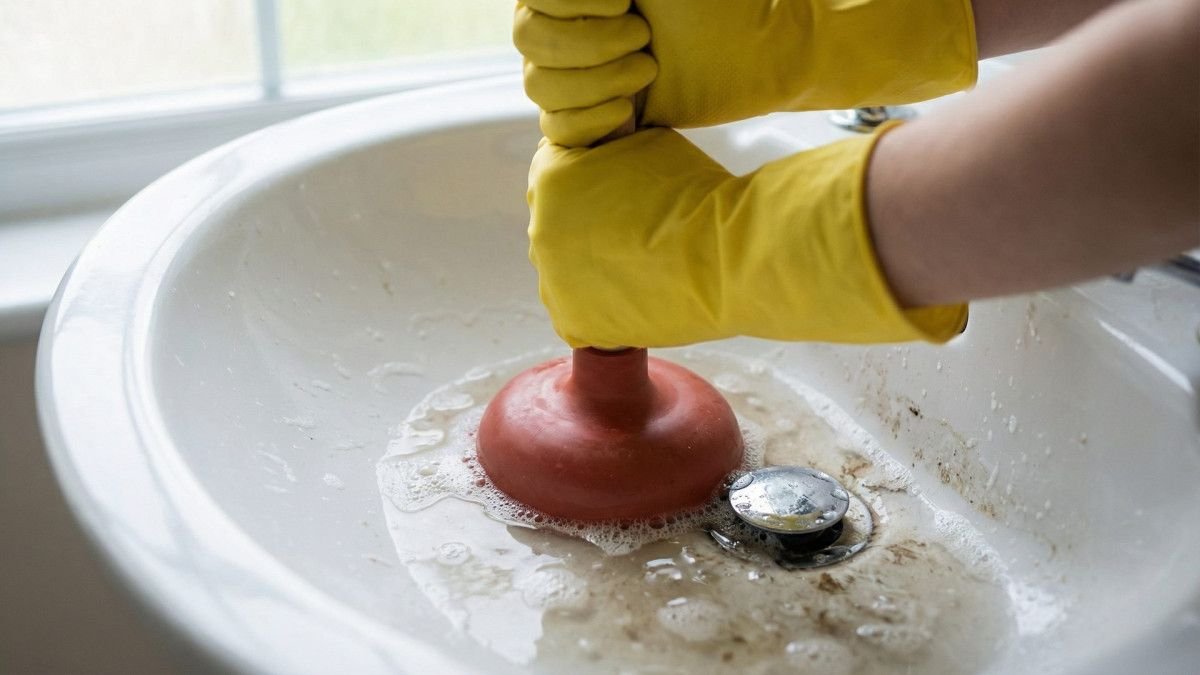
The plunger is often the first and simplest tool to reach for when faced with a clogged sink. It works by creating a vacuum seal over the drain opening, allowing you to use hydraulic pressure to dislodge the blockage. For best results, ensure there is enough water in the sink to cover the rubber cup of the plunger, creating a tight seal. Vigorous plunging motions can often break up minor clogs caused by hair, soap scum, or small food particles, making it an indispensable item in any household toolkit [1].
Drain Snake (Auger): Reaching Deeper Clogs
When a plunger proves insufficient, a drain snake, also known as a plumber’s auger, becomes the next essential tool. This flexible coil of metal can be fed into the drainpipe to reach and break up clogs located deeper within the plumbing system. Manual drain snakes are readily available and effective for most household clogs, while electric versions offer more power for stubborn blockages. The snake
is particularly effective for hair clogs and other fibrous materials that a plunger might not dislodge [2].
P-Trap Removal: Manual Clearing
For clogs that are resistant to both plunging and snaking, direct access to the P-trap may be necessary. The P-trap is the U-shaped pipe located directly beneath your sink, designed to hold a small amount of water to prevent sewer gases from entering your home. This bend is also a common collection point for debris. Before attempting removal, place a bucket underneath to catch any water and debris. Carefully loosen the slip nuts on either side of the trap, remove it, and manually clear any blockages. This method is highly effective for removing foreign objects or dense accumulations of grease and hair [3].
DIY Home Remedies to Unclog a Sink
Before resorting to harsh chemicals or calling a professional, several effective and environmentally friendly DIY home remedies can often clear minor to moderate sink clogs. These methods utilize common household ingredients, making them a cost-effective and safe alternative for addressing blockages. Understanding the science behind each remedy will help you apply them most effectively, ensuring a clear and free-flowing drain without damaging your plumbing, and successfully how to unclog a sink.
Boiling Water: Simple and Effective
Boiling water is one of the simplest and most accessible methods for tackling minor clogs, particularly those caused by grease or soap scum. The heat from the boiling water can help to melt and dissolve fatty deposits, allowing them to be flushed away. To use this method, first remove any standing water from the sink. Then, slowly pour a kettle full of boiling water directly down the drain in several stages, allowing a few minutes between each pour for the hot water to work. This method is generally safe for most pipes, but caution should be exercised with PVC pipes, as extremely hot water can potentially damage them [4].
Baking Soda and Vinegar: The Fizzing Solution
The classic combination of baking soda and vinegar creates a powerful chemical reaction that can effectively break down many types of clogs. Baking soda (sodium bicarbonate) is a mild abrasive and a base, while vinegar (acetic acid) is an acid. When combined, they produce a fizzing action that helps to dislodge debris. To apply, pour one cup of baking soda down the drain, followed by one cup of white vinegar. Immediately cover the drain with a stopper to contain the reaction and let it sit for 30 minutes to an hour. Afterward, flush with hot water. This method is safe for all types of pipes and is an excellent alternative to harsh chemical cleaners [5].
Salt and Baking Soda: Abrasive Power
For clogs that require a bit more abrasive action, a mixture of salt and baking soda can be highly effective. The coarse texture of salt, combined with the cleaning power of baking soda, works to scour the inside of pipes and break down stubborn accumulations. Mix half a cup of salt with one cup of baking soda and pour the mixture down the drain. Let it sit for several hours, or even overnight, to allow the abrasive action to work on the clog. Follow up by flushing the drain with hot water. This method is particularly useful for breaking down greasy clogs and general pipe buildup [6].
When to Consider Chemical Drain Cleaners
Chemical drain cleaners offer a quick and often effective solution for stubborn clogs, but their use comes with important considerations regarding safety and environmental impact. While they can be powerful tools, understanding their composition and potential risks is crucial for responsible application. This section explores the different types of chemical cleaners available and outlines the necessary precautions to take, ensuring both plumbing integrity and personal well-being when you need to know how to unclog a sink with chemicals.
Types of Chemical Cleaners
Chemical drain cleaners typically fall into three main categories: caustic, oxidizing, and acidic. Caustic cleaners, often containing lye (sodium hydroxide), work by generating heat to dissolve grease and organic matter. Oxidizing cleaners, which may contain bleach or peroxides, cause organic materials to decompose. Acidic cleaners, usually containing sulfuric acid or hydrochloric acid, are the most potent and are generally reserved for professional use due to their corrosive nature. Each type has specific applications and risks, and it is vital to choose the correct product for the type of clog and plumbing system [7].
Safety Precautions and Environmental Concerns
When using chemical drain cleaners, safety should be the top priority. Always wear protective gloves and eyewear, and ensure the area is well-ventilated to avoid inhaling fumes. Never mix different chemical cleaners, as this can create dangerous reactions and release toxic gases. Furthermore, chemical drain cleaners can be harmful to the environment, potentially contaminating water sources. They can also damage certain types of pipes, especially older or PVC plumbing, if used improperly or too frequently. For these reasons, it is often recommended to try gentler, DIY methods first before resorting to chemical solutions [8].
Unclogging a Sink with a Garbage Disposal
Garbage disposals are convenient kitchen appliances, but they are also prone to clogs if not used correctly. Understanding how to troubleshoot common issues and safely clear blockages is essential for maintaining their functionality and preventing damage to your plumbing system. This section provides practical advice on addressing disposal-related clogs, from simple fixes to more involved procedures, ensuring your kitchen sink remains free-flowing and efficient, and teaching you how to unclog a sink with a disposal.
Troubleshooting Common Issues
Many garbage disposal clogs are not true pipe blockages but rather issues with the disposal unit itself. If the disposal hums but doesn’t grind, it likely has a jammed flywheel. Turn off the power, then use an Allen wrench (usually provided with the disposal) to turn the flywheel manually from the bottom center hole. If it doesn’t hum at all, check the reset button, typically a small red button on the bottom of the unit. Overloading the disposal or putting inappropriate items down it are common causes of these issues [9].
Safe Clearing Methods
Once you’ve addressed any disposal unit issues, you can proceed with safe clearing methods for the drain. If there’s standing water, use a plunger. Ensure the other side of a double sink is sealed to create proper suction. For more stubborn clogs, a drain snake can be carefully fed through the disposal side of the drain. NEVER put your hand down a garbage disposal, even if the power is off. Always use tongs or pliers to retrieve any foreign objects. Flushing with cold water while the disposal is running can also help clear minor blockages and prevent new ones [10].
Advanced Unclogging Techniques and When to Call a Professional
While many sink clogs can be resolved with DIY methods, some situations call for more advanced techniques or the expertise of a professional plumber. Recognizing the limits of your own capabilities and knowing when to seek help can prevent further damage to your plumbing system and save you time and money in the long run. This section outlines specialized methods and provides clear indicators for when it’s time to enlist professional assistance when you can’t figure out how to unclog a sink yourself.
Hydro-Jetting and Other Professional Services
For severe or recurring clogs, professional plumbers often employ advanced techniques like hydro-jetting. This method uses high-pressure water streams to thoroughly clean the interior of pipes, effectively removing stubborn grease, mineral buildup, and tree roots. Other professional services include video pipe inspection, which allows plumbers to accurately diagnose the cause and location of a clog without invasive procedures. These specialized services are particularly beneficial for older homes or complex plumbing systems where conventional methods may not suffice [11].
Recognizing When DIY Isn’t Enough
It’s crucial to know when to stop attempting DIY solutions and call a professional. Persistent clogs that don’t respond to multiple attempts with plungers, drain snakes, or home remedies are a clear sign. If you notice multiple drains in your home are slow or clogged, it could indicate a more significant blockage in the main sewer line, which definitely requires professional attention. Additionally, if you’re uncomfortable disassembling plumbing components or dealing with harsh chemicals, a professional plumber can provide a safe and effective solution, preventing potential damage or injury [12].
Preventing Future Sink Clogs
The best way to deal with sink clogs is to prevent them from happening in the first place. Implementing a routine of preventative measures and adopting mindful habits can significantly reduce the likelihood of blockages, saving you the hassle and expense of dealing with clogged drains. This section provides practical strategies and simple adjustments to your daily routine that will help keep your plumbing system running smoothly and efficiently for years to come, so you won’t have to constantly wonder how to unclog a sink.
Regular Maintenance Tips
Consistent maintenance is key to preventing clogs. Regularly flush your drains with hot water, especially after using the sink for greasy dishes. A weekly or bi-weekly flush with a baking soda and vinegar solution (as described earlier) can help break down minor buildups before they become major problems. Additionally, periodically cleaning drain stoppers and strainers to remove accumulated hair and debris will significantly reduce the chances of blockages forming. These small, consistent efforts can make a big difference in maintaining clear drains [13].
Drain Screens and Filters
One of the simplest yet most effective preventative tools is a drain screen or filter. These inexpensive devices sit over the drain opening and catch hair, food particles, and other debris before they can enter the plumbing system. Regularly emptying and cleaning these screens will prevent the accumulation of clog-forming materials. They are particularly useful in bathroom sinks and showers to catch hair, and in kitchen sinks to prevent food scraps from going down the drain, acting as a physical barrier against blockages [14].
Proper Disposal Habits
Adopting proper disposal habits is fundamental to preventing sink clogs. Never pour cooking grease, oils, or fats down the drain; instead, collect them in a container and dispose of them in the trash. Avoid washing large food scraps down the kitchen sink, even with a garbage disposal; scrape plates into the trash can first. In bathrooms, avoid flushing cotton balls, dental floss, or feminine hygiene products. Educating all household members on these simple habits can drastically reduce the incidence of clogs and ensure a healthy plumbing system [15].
Frequently Asked Questions (FAQ)
| Question | Answer |
|---|---|
| How do you unclog a sink naturally? | You can unclog a sink naturally using boiling water, or a mixture of baking soda and vinegar. For boiling water, remove standing water, then slowly pour hot water down the drain. For baking soda and vinegar, pour one cup of baking soda, followed by one cup of white vinegar, cover the drain, let it sit for 30-60 minutes, then flush with hot water. |
| What is the best homemade drain cleaner for a clogged sink? | The best homemade drain cleaner for a clogged sink is typically a combination of baking soda and vinegar. This mixture creates a fizzing chemical reaction that helps to break down organic matter and dislodge minor clogs without using harsh chemicals. |
| How do you unclog a sink with standing water? | To unclog a sink with standing water, first bail out as much water as possible. Then, use a plunger to create suction and dislodge the clog. If plunging doesn’t work, you can try the baking soda and vinegar method, ensuring the mixture can reach the clog by removing excess water. |
| What causes a sink to clog? | Sink clogs are commonly caused by the accumulation of hair and soap scum (in bathrooms), food particles and grease (in kitchens), and foreign objects accidentally dropped down the drain. Over time, these materials build up and restrict water flow. |
| When should I call a plumber for a clogged sink? | You should call a plumber for a clogged sink if DIY methods (plunging, baking soda/vinegar, drain snake) are unsuccessful after multiple attempts, if you have multiple slow or clogged drains (indicating a main line issue), or if you are uncomfortable performing plumbing tasks yourself. |
References
- How to Unclog a Sink Drain | Liquid-Plumr®
- 9 ways to unclog a drain without a plumber | ATCO Energy
- How to Unclog a Sink Drain | Liquid-Plumr®
- 9 ways to unclog a drain without a plumber | ATCO Energy
- How to Unclog a Sink Drain | Liquid-Plumr®
- 9 ways to unclog a drain without a plumber | ATCO Energy
- How to Unclog a Sink Drain | Liquid-Plumr®
- 9 ways to unclog a drain without a plumber | ATCO Energy
- How to Unclog a Sink Drain | Liquid-Plumr®
- 9 ways to unclog a drain without a plumber | ATCO Energy
- How to Unclog a Sink Drain | Liquid-Plumr®
- 9 ways to unclog a drain without a plumber | ATCO Energy
- How to Unclog a Sink Drain | Liquid-Plumr®
- 9 ways to unclog a drain without a plumber | ATCO Energy
- How to Unclog a Sink Drain | Liquid-Plumr®