



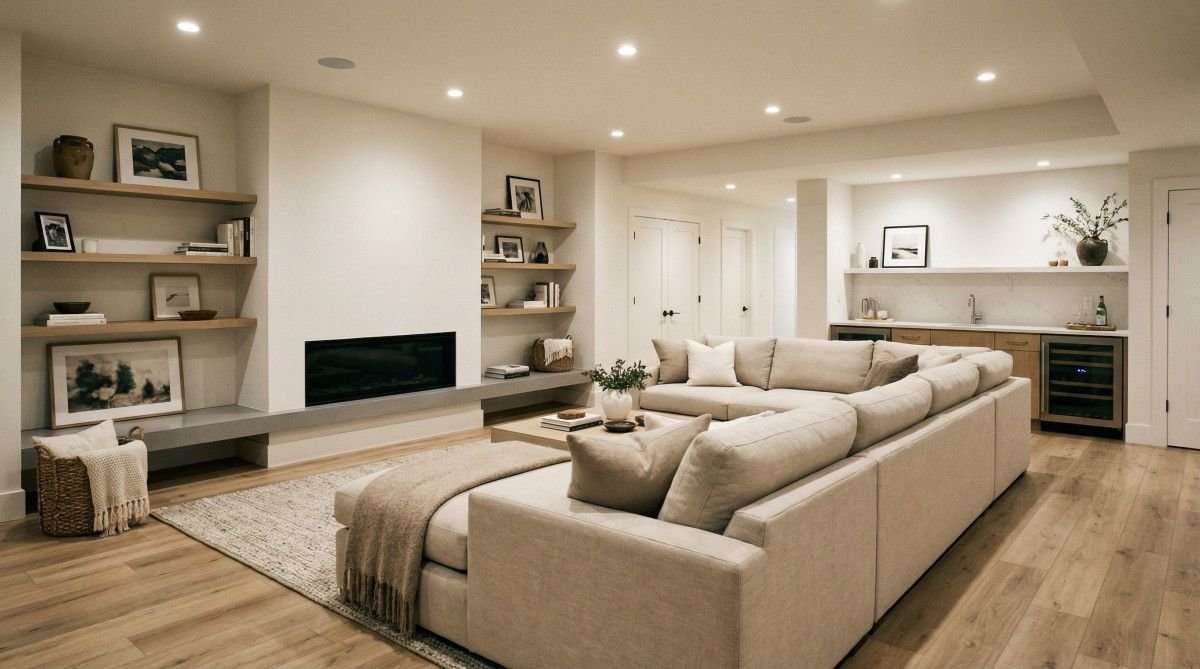
Keyrenter Alexandria experts share that transforming an unfinished basement into a functional living space is one of the most significant home improvement projects a homeowner can undertake. Whether the goal is to create a home office, a guest suite, or a state-of-the-art home theater, understanding the current cost per square foot to finish a basement is essential for effective budgeting. In 2026, shifting material prices and labor availability have created a new landscape for renovation costs, making it more important than ever to have a clear financial roadmap before the first hammer is swung.
Average Cost Per Square Foot to Finish a Basement in 2026
In 2026, finishing a basement typically costs between $32 and $80 per square foot, depending on the complexity of the design and the quality of materials. While basic projects may start as low as $15 per square foot, luxury renovations featuring custom cabinetry or home theaters can exceed $100 per square foot.
The national average for a standard 1,000-square-foot basement finishing project currently sits at approximately $56,000, though this figure fluctuates based on regional labor rates and specific material choices. According to This Old House (2026), labor and material costs have shifted the national average significantly over the past year, reflecting broader economic trends in the construction industry [1]. Homeowners should categorize their projects into tiers to better estimate their total investment. A basic finish often includes simple drywall, standard lighting, and durable flooring like vinyl plank. A mid-range project might introduce a bathroom or specialized rooms, while luxury finishes utilize high-end materials and custom architectural features.
| Finish Quality | Average Cost Per Sq. Ft. | Estimated Total (1,000 Sq. Ft.) |
|---|---|---|
| Basic | $15 – $35 | $15,000 – $35,000 |
| Mid-Range | $40 – $75 | $40,000 – $75,000 |
| Luxury | $80 – $120+ | $80,000 – $120,000+ |
Major Cost Factors in Basement Finishing
The primary drivers of basement finishing costs include labor (40%), materials (35%), and structural requirements (25%) such as waterproofing and egress windows. Square footage remains the most consistent predictor of price, but specialized additions like bathrooms or kitchens can add $15,000 to $30,000 to the total budget.
Labor remains the largest single expense in any basement renovation. Hiring a general contractor to oversee the project typically adds 10% to 20% to the total cost but ensures that all aspects of the job—from plumbing to electrical work—are handled by licensed professionals. According to Angi (2026), specialized contractors such as electricians and plumbers often charge hourly rates ranging from $50 to $150, which can quickly escalate if the existing home systems require significant upgrades to accommodate the new space [2].
Labor and Professional Services
Professional labor is non-negotiable for critical systems like electrical and plumbing to ensure the space meets local building codes. In 2026, the demand for skilled tradespeople has kept labor costs steady, with many homeowners opting for full-service design-build firms to streamline the process and minimize delays.
Material Quality and Supply Chain Trends
Material choices represent the most flexible part of a basement budget. While the cost per square foot to finish a basement is anchored by structural needs, the selection of flooring, cabinetry, and fixtures allows for significant customization. In 2026, sustainable materials like cork flooring and recycled insulation have gained popularity, offering long-term energy savings despite higher upfront costs.
Structural and Safety Compliance
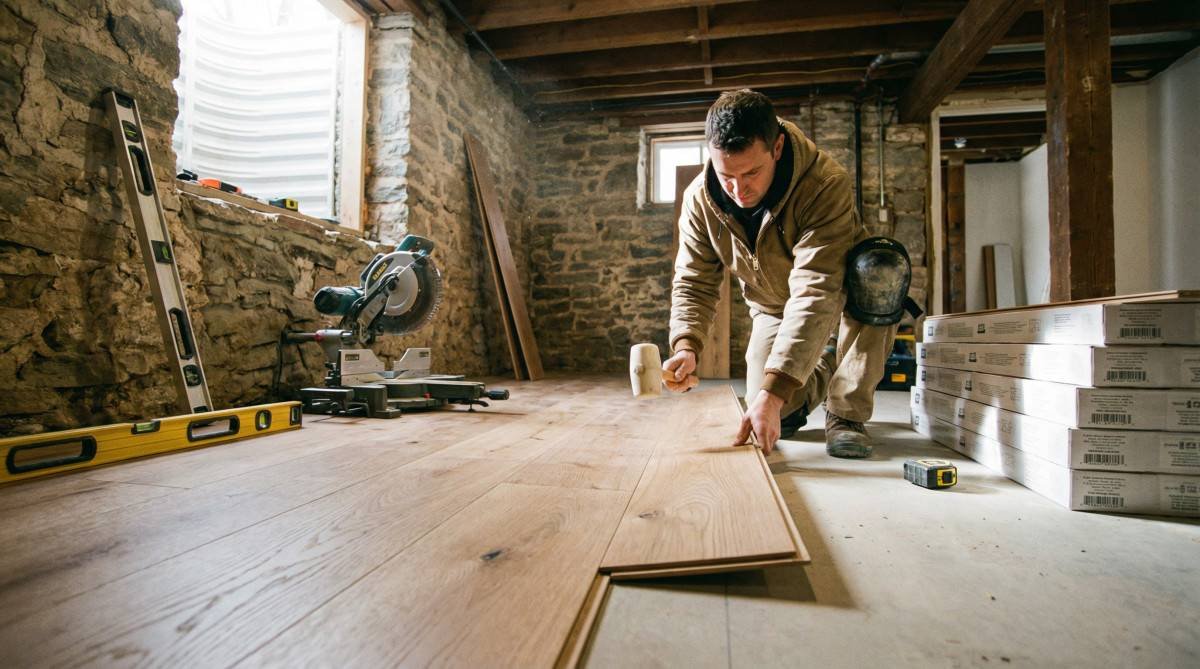
Safety compliance is a critical factor that can influence the final price tag. Most municipalities require at least one egress window in any basement living space to serve as an emergency exit. Installing an egress window typically costs between $2,500 and $5,500, including the necessary excavation and structural reinforcement to maintain the integrity of the foundation.
Return on Investment and Long-Term Value
Finishing a basement offers a strong Return on Investment (ROI) of approximately 70% to 75%, making it one of the most valuable home improvement projects. Beyond resale value, a finished basement increases usable square footage and can provide potential rental income if configured as a legal accessory dwelling unit (ADU).
The financial benefits of finishing a basement extend beyond the immediate increase in property value. According to NerdWallet (2026), a well-executed basement renovation can increase a home’s total market value by as much as 10% to 15%, depending on the local real estate market [3]. Furthermore, a finished basement can improve the overall energy efficiency of a home by providing an additional layer of insulation against the ground, potentially lowering monthly utility bills. For homeowners looking to maximize their ROI, focusing on versatile spaces like a family room or a guest bedroom typically yields better results than highly specialized rooms like a wine cellar or a recording studio.
The “Hidden” Costs of 2026 Renovations
Homeowners should budget an additional 10% to 15% for hidden costs such as updated permit fees, moisture mitigation systems, and electrical panel upgrades. In 2026, many municipalities have introduced stricter energy efficiency codes, which can increase insulation and HVAC costs by several thousand dollars.
One of the most frequently overlooked expenses is the cost of moisture control. Basements are naturally prone to dampness, and failing to address potential water issues before finishing the space can lead to mold growth and structural damage. Professional waterproofing systems, including sump pumps and interior drainage, average between $4,500 and $10,000. Additionally, permit fees have seen a modest increase in 2026 as local governments update their building codes to reflect modern safety and environmental standards. According to Rocket Loans (2026), securing the necessary permits for a full basement finish can cost anywhere from $1,200 to $2,500, depending on the scope of the electrical and plumbing work involved [4].
Frequently Asked Questions
The following questions address common concerns regarding the financial and logistical aspects of finishing a basement in 2026.
How much does it cost to finish a 1,000 sq ft basement?
A 1,000-square-foot basement typically costs between $32,000 and $80,000 to finish. This range accounts for standard finishes, labor, and basic structural requirements like egress windows and waterproofing.
Is it cheaper to finish a basement yourself?
Completing the work yourself can save approximately 40% on labor costs. However, tasks involving electrical, plumbing, and structural changes should always be handled by licensed professionals to ensure safety and code compliance.
Does a finished basement count toward total square footage?
In many real estate markets, a finished basement does not count toward the “above-grade” square footage but is listed as “finished below-grade” space. This still adds significant value and usable area to the property.
What is the most expensive part of finishing a basement?
The most expensive components are typically labor and specialized additions like bathrooms or kitchens. Structural requirements like waterproofing and egress windows also represent significant upfront costs.
How long does it take to finish a basement in 2026?
A typical basement finishing project takes between 8 and 12 weeks. This timeline includes the design phase, permitting, framing, utility installation, and final finishing touches.
Do I need a permit to finish my basement?
Yes, almost all jurisdictions require building permits for finishing a basement. Permits ensure the work meets safety standards and is necessary for maintaining the validity of your home insurance and resale value.
Conclusion
The cost per square foot to finish a basement in 2026 reflects a balanced mix of material investments and professional labor. While the initial price tag may seem substantial, the combination of increased living space, improved energy efficiency, and a high return on investment makes it a wise financial decision for many homeowners. By budgeting for both visible finishes and hidden structural needs, you can ensure a successful renovation that adds lasting value and comfort to your home for years to come.
References
1. This Old House: How Much Does It Cost To Finish a Basement? (2026 Pricing)
2. Angi: How Much Does It Cost to Finish a Basement? [2026 Data]
3. NerdWallet: Cost to Finish a Basement in 2026: Is It Worth It?
4. Rocket Loans: What’s the average cost to finish a basement?