



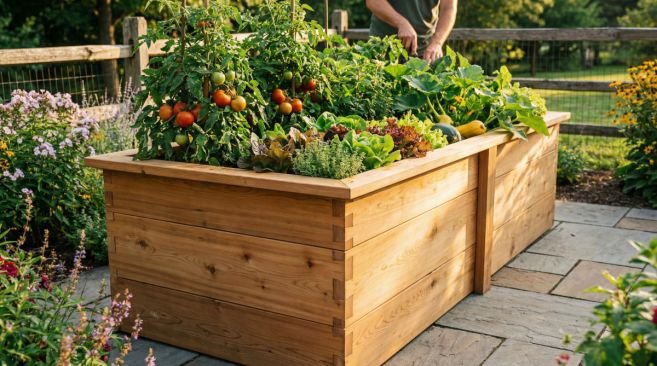
Raised garden beds represent a significant shift in home gardening, offering unparalleled control over soil quality, drainage, and accessibility. By elevating the growing area, gardeners can circumvent poor native soil conditions and create a localized ecosystem tailored to specific plant needs, shares Keyrenter Highlands Ranch experts. Implementing professional plans for a raised garden bed ensures that the structure is not only aesthetically pleasing but also structurally sound enough to withstand the immense pressure of wet soil over several growing seasons.
A well-constructed garden bed acts as a barrier against invasive weeds and local pests while providing a comfortable working height that reduces physical strain on the gardener. Whether you are a novice looking to start your first vegetable patch or an experienced horticulturist seeking to optimize your backyard layout, understanding the nuances of material selection and assembly is crucial. This guide provides comprehensive, step-by-step instructions and strategic insights to help you build a durable, high-yielding garden box from scratch.
Choosing the Right Materials for Your Garden Box
Selecting durable, non-toxic materials is the foundation of a long-lasting garden. Cedar and redwood are top choices for their natural rot resistance, while modern pressure-treated lumber (ACQ) offers a budget-friendly alternative if lined correctly to prevent copper leaching into organic soil.
According to Oregon State University (2023), choosing the right wood is critical for both the longevity of the structure and the health of the plants, as certain woods contain natural preservatives that repel wood-boring insects and resist decay without the need for chemical treatments. [1] For those prioritizing organic gardening, Western Red Cedar is widely considered the gold standard due to its stability and natural oils. While pressure-treated wood is more affordable, many modern gardeners prefer to line the interior with a heavy-duty, food-safe plastic or landscape fabric to create a barrier between the treated wood and the growing medium.
| Wood Type | Durability | Cost | Natural Rot Resistance |
|---|---|---|---|
| Western Red Cedar | High (15+ years) | High | Excellent |
| Redwood | High (15+ years) | High | Excellent |
| Pressure-Treated (ACQ) | Medium (10+ years) | Low | Good (Chemical) |
| Pine (Untreated) | Low (3-5 years) | Very Low | Minimal |
| Composite Lumber | Very High (25+ years) | Very High | Absolute |
Composite lumber has also gained popularity in recent years as a maintenance-free option, though its higher initial cost can be a barrier for some. Regardless of the material chosen, ensuring that the boards are at least two inches thick will provide the necessary structural strength to prevent bowing over time. Thinner boards may be cheaper, but they often require additional internal bracing and may not last more than a few seasons under the constant pressure of wet soil and temperature fluctuations.
Step-by-Step DIY Plans for a Raised Garden Bed
Successful assembly of a raised garden bed requires precise cuts and sturdy joinery, typically using 2×6 or 2×10 lumber for the walls and 4×4 posts for corner support. This modular approach ensures structural integrity against the outward pressure of wet soil while maintaining a comfortable working height for the gardener.
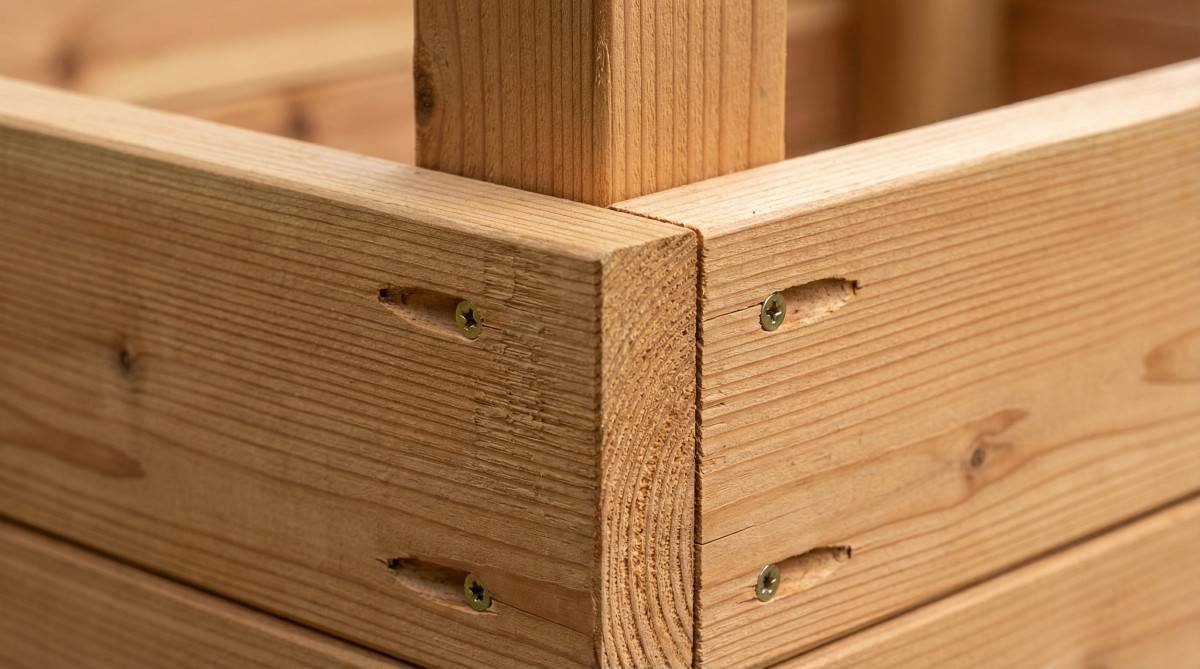
Building a durable garden bed begins with the cut list. For a standard 4×8-foot bed, you will need three 2×10-inch boards that are eight feet long and one 4×4-inch post that is four feet long. Cut one of the 2×10 boards in half to create two four-foot end pieces. The 4×4 post should be cut into four 12-inch sections to serve as corner posts. Lay the boards on a flat surface and use a drill to create pilot holes before driving 3-inch deck screws through the 2×10 boards and into the 4×4 corner posts. This method ensures a strong, square frame that can support the weight of the soil and plants.
According to Cornell University (2024), using rot-resistant wood like cedar or redwood is essential for long-term structural integrity, especially in humid climates where wood decay is accelerated by soil contact. [2] To further enhance the lifespan of your raised bed, consider adding a protective liner to the interior walls. A food-safe landscape fabric or a heavy-duty plastic liner will create a barrier between the wood and the moist soil, reducing the risk of rot and ensuring that your garden bed remains sturdy for many years.
| Material | Quantity | Dimensions | Purpose |
|---|---|---|---|
| 2×10 Lumber | 3 | 8 Feet | Side and End Walls |
| 4×4 Post | 1 | 4 Feet | Corner Support Posts |
| Deck Screws | 1 Box | 3 Inches | Assembly Fasteners |
| Landscape Fabric | 1 Roll | 4×10 Feet | Weed Barrier and Liner |
Once the frame is assembled, find a level spot in your yard and clear away any grass or weeds. Lay down a layer of cardboard or landscape fabric at the bottom of the bed to prevent weeds from growing up into your garden. Fill the bed with a high-quality soil mixture, such as a blend of topsoil, compost, and peat moss. This nutrient-rich environment will provide the perfect foundation for your vegetables and flowers to thrive.
Maximizing Yield with Smart Design Modules
Integrating advanced modules like built-in trellises and pest-proof mesh into your garden bed plans significantly increases vertical growing space and protects crops from local wildlife. These design enhancements transform a simple wooden box into a high-performance growing system capable of supporting heavy climbing vegetables and delicate greens.
According to Cornell University (2024), soil health and drainage benefits from raised beds are maximized when the ground preparation strategy is executed correctly, ensuring that the interface between the native soil and the garden bed allows for deep root penetration and efficient moisture management. [2] One of the most effective ways to optimize your garden is to incorporate a worst-first ground preparation strategy. This involves removing any grass or weeds and laying down a heavy-duty cardboard layer at the bottom of the bed. This biodegradable barrier will suppress weeds while eventually breaking down and allowing roots to reach the soil below.
| Design Module | Benefit | Best For |
|---|---|---|
| Built-in Trellis | Vertical growth | Tomatoes, Peas, Beans |
| Hardware Cloth | Pest protection | Voles, Gophers, Moles |
| Cold Frame Cover | Season extension | Lettuce, Kale, Spinach |
| Self-Watering | Consistent moisture | Peppers, Cucumbers |
Another critical module for many gardeners is the addition of a pest-guard trellis. By attaching a 4-foot tall wire mesh trellis to the back of the bed, you can grow climbing plants like peas and cucumbers while also providing a framework for attaching bird netting or row covers. This integrated approach saves space and ensures that your crops are protected from both large and small garden visitors. For those in areas with burrowing pests, installing a layer of galvanized hardware cloth at the very bottom of the bed before filling it with soil is a game-changer for protecting root vegetables.
Frequently Asked Questions
Is it cheaper to build a raised bed or buy one?
Building a raised garden bed is generally more cost-effective than purchasing a pre-made kit, especially when using high-quality materials like cedar. DIY projects allow for complete control over dimensions and material thickness, often resulting in a sturdier structure for a lower overall investment.
What is the best layout for a raised bed garden?
The best layout for a raised bed garden involves orienting the beds from north to south to ensure even sunlight distribution throughout the day. This orientation prevents taller plants from shading shorter ones, maximizing photosynthesis for all crops in the garden.
What kind of wood should I use for a raised garden bed?
Western Red Cedar and Redwood are the best choices for raised garden beds because of their natural rot resistance and durability. These woods contain natural oils that repel insects and resist decay, ensuring the bed lasts for 15 to 20 years without chemical treatments.
What do I put in the bottom of a raised garden bed?
A layer of cardboard or newspaper is ideal for the bottom of a raised garden bed to suppress weeds while eventually decomposing. For areas with burrowing pests like gophers or moles, a layer of galvanized hardware cloth should be installed first to provide a physical barrier.
How deep should a raised garden bed be for vegetables?
Most vegetables require a minimum soil depth of 6 to 12 inches to accommodate healthy root growth and ensure adequate nutrient uptake. For root crops like carrots or parsnips, a depth of at least 18 inches is recommended for optimal development and straight roots.
Do I need to line my raised garden bed?
Lining a raised garden bed is recommended if you are using pressure-treated wood or if you want to extend the life of your cedar boards. A food-safe landscape fabric or heavy-duty plastic liner creates a barrier that prevents soil moisture from constantly contacting the wood, reducing the risk of rot.
Conclusion
Building your own raised garden bed is a rewarding project that pays dividends in both the quality of your harvest and the longevity of your garden. By following professional plans for a raised garden bed and selecting the right materials, you create a sustainable environment where your plants can thrive for many seasons to come. Whether you are focusing on organic vegetables or vibrant floral displays, the principles of sturdy construction and smart design will ensure your gardening success.
References:
[1] Oregon State University: Raised Bed Gardening [2] Cornell University: Raised Bed Gardening Basics