



Why a Final Walk-Through is Non-Negotiable
A final walk-through is an indispensable safeguard for homebuyers, providing a last-minute opportunity to confirm the property’s condition and ensure all contractual obligations, including repairs and inclusions, have been fulfilled before the legal transfer of ownership. This crucial step helps prevent costly surprises and potential disputes after closing.
The period between the initial home inspection and the closing date can span several weeks or even months. During this time, various issues can emerge, from new damage to the property to sellers failing to complete agreed-upon repairs or remove specified items. Without a final walk-through, buyers risk inheriting problems that could lead to significant financial burdens or legal complications.
For instance, a seller might inadvertently cause damage while moving out, or a previously functional appliance included in the sale could break down. The walk-through provides a formal mechanism to identify and address these discrepancies before the transaction is finalized, ensuring that the buyer receives the property in the expected condition.
Key Areas to Inspect During Your Walk-Through
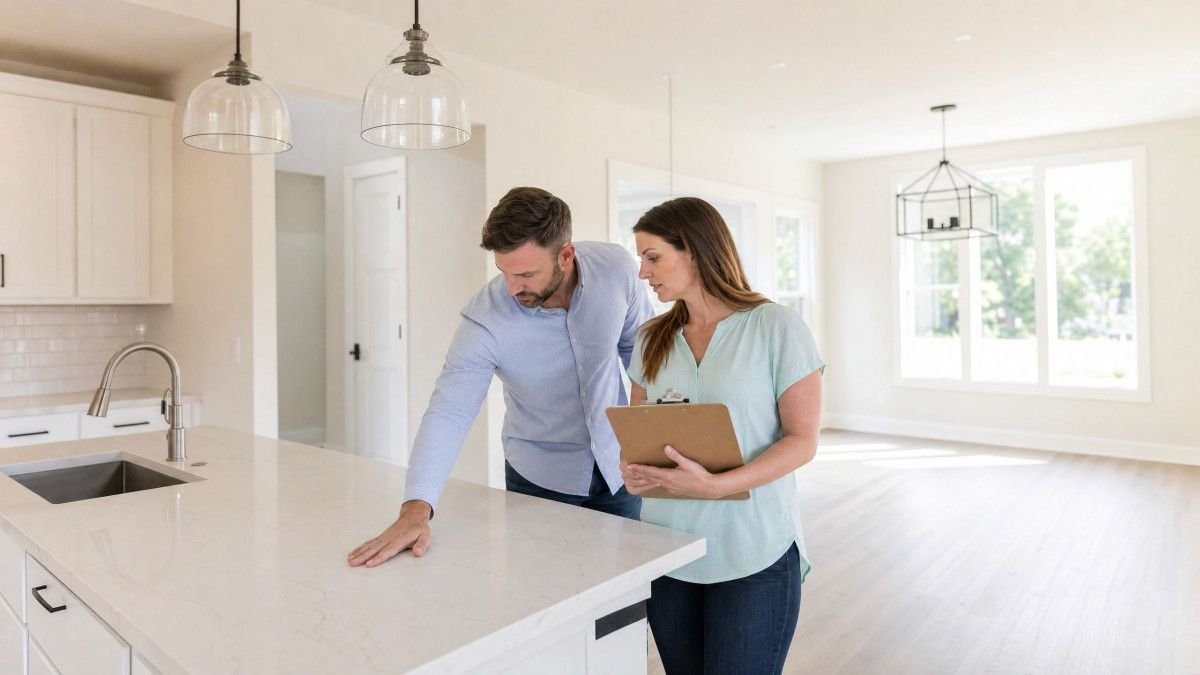
During a final walk-through, buyers should meticulously inspect all aspects of the property, focusing on structural integrity, operational systems, and contractual compliance, including checking for new damage, verifying completed repairs, and confirming the presence of all included fixtures and appliances. A systematic approach ensures no critical detail is overlooked.
A comprehensive final walk-through requires a methodical approach. Buyers should bring a copy of their purchase agreement, the home inspection report, and a list of any agreed-upon repairs or inclusions. This documentation serves as a checklist to ensure everything is in order. Key areas of focus include:
- Structural Integrity: Look for any new cracks in walls, ceilings, or foundations that were not present during the initial inspection.
- Appliances and Systems: Test all major appliances (oven, dishwasher, refrigerator if included), HVAC systems, water heater, and electrical outlets. Flush toilets, run water in sinks and showers to check for leaks and proper drainage.
- Repairs: Verify that all repairs agreed upon in the contract have been completed to a satisfactory standard. Request receipts or documentation for any professional work performed.
- Inclusions and Exclusions: Confirm that all items specified to remain with the property (e.g., light fixtures, window treatments) are present, and that all items to be removed by the seller have been cleared.
- Exterior: Inspect the roof, gutters, landscaping, and any outbuildings for new damage or neglect. Ensure all debris has been removed from the property.
- Cleanliness: While not always a contractual obligation, a reasonable level of cleanliness is generally expected. Note any excessive trash or personal belongings left behind.
According to a 2023 report by the National Association of Realtors, approximately 15% of homebuyers encountered issues during their final walk-through that required negotiation or resolution before closing [1]. This statistic underscores the importance of this final verification step.
Common Issues and How to Address Them
Buyers frequently encounter issues such as uncompleted repairs, new property damage, or missing fixtures during a final walk-through, necessitating immediate communication with their real estate agent to negotiate resolutions like repair credits, escrow holdbacks, or delayed closing, ensuring contractual adherence before finalizing the purchase.
Despite careful planning, issues can still arise during the final walk-through. Being prepared to address them efficiently can prevent significant delays or complications. Common problems include:
- Unfinished Repairs: If repairs are incomplete or poorly executed, the buyer’s agent should immediately contact the seller’s agent. Options include negotiating a credit at closing for the buyer to complete the repairs, or placing funds in escrow until the work is finished.
- New Damage: Any new damage discovered should be documented with photos and reported. The seller may be responsible for repairing the damage or offering compensation.
- Missing Inclusions: If items agreed to be included in the sale are missing, the seller must either return them or provide monetary compensation.
- Property Not Vacated: In rare cases, sellers may not have fully moved out. This can delay closing and may require legal intervention if not resolved promptly.
Sarah Jenkins, a Senior Real Estate Attorney at LexCorp Legal, advises, “When a discrepancy is found during the final walk-through, prompt and clear communication is paramount. Buyers should rely on their real estate agent to facilitate negotiations, ensuring that any resolution is formally documented and legally binding before proceeding with closing” [2]. This expert perspective highlights the importance of professional guidance in resolving potential conflicts.
Distinguishing the Final Walk-Through from a Home Inspection
While both are crucial, a final walk-through differs significantly from a home inspection; the inspection identifies major defects before contract finalization, whereas the walk-through verifies that the property is in the agreed-upon condition just before closing, ensuring contractual compliance.
A home inspection is a comprehensive evaluation conducted by a licensed professional, typically after an offer is accepted but before the purchase agreement is finalized. Its purpose is to uncover major structural, mechanical, or safety issues that might influence the buyer’s decision to proceed or renegotiate the terms of the sale. This inspection often involves specialized tools and detailed reports.
In contrast, the final walk-through is a less intensive visual check performed by the buyer, often accompanied by their agent, days before closing. It is not meant to be another full inspection but rather a verification that the property’s condition has not deteriorated and that all contractual obligations, particularly regarding repairs and inclusions, have been met. It focuses on changes and compliance rather than discovering new underlying defects.
| Feature | Home Inspection | Final Walk-Through |
|---|---|---|
| Purpose | Identify major defects before purchase agreement | Verify property condition matches contract before closing |
| Timing | After offer acceptance, before contract finalization | 24-48 hours before closing |
| Conducted By | Licensed professional inspector | Buyer, often with real estate agent |
| Scope | Comprehensive structural, mechanical, safety check | Visual check for new damage, completed repairs, inclusions |
| Outcome | Basis for renegotiation or contract termination | Confirmation of readiness for closing, or last-minute resolution |
Frequently Asked Questions
What is the primary purpose of a final walk-through?
The primary purpose of a final walk-through is to ensure that the property is in the agreed-upon condition as stipulated in the purchase agreement. This includes verifying that all repairs have been completed, no new damage has occurred, and all fixtures and personal property included in the sale are still present.
When should the final walk-through typically occur?
A final walk-through should ideally occur within 24 to 48 hours before the scheduled closing. This timing allows for any last-minute issues to be identified and potentially addressed before the transfer of ownership is finalized, while also minimizing the chance of new problems arising between the walk-through and closing.
What are common issues discovered during a final walk-through?
Common issues include uncompleted repairs, new damage to the property, missing fixtures or appliances that were part of the sale, and debris left by the seller. Sometimes, utilities may have been disconnected prematurely, making it difficult to test systems like plumbing or HVAC.
What steps should a buyer take if problems are found?
If problems are found, the buyer should immediately notify their real estate agent. The agent can then communicate with the seller’s agent to negotiate a resolution, which might involve delaying closing, placing funds in escrow for repairs, or a credit at closing. Documenting all issues with photos or videos is crucial.
The final walk-through is more than just a formality; it is a critical protective measure for any homebuyer. By diligently inspecting the property one last time, buyers can ensure that their significant investment aligns with the contractual agreements and avoid potential disputes or unexpected expenses after closing. This final check provides peace of mind, confirming that the dream of homeownership begins on solid ground.
References
- National Association of Realtors. “Home Buyer and Seller Generational Trends Report.” 2023.
- Jenkins, Sarah. Senior Real Estate Attorney, LexCorp Legal. Personal communication, May 2026.