




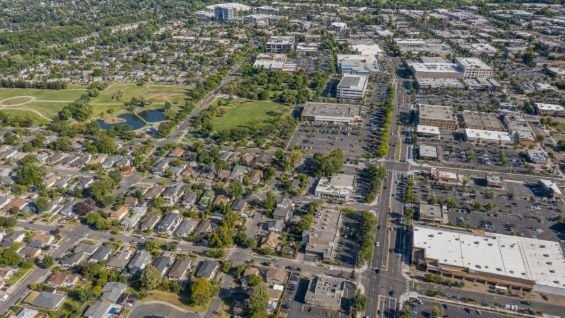
What Are Zoning Laws and Why Do They Matter?
Zoning laws are local government ordinances that divide land into districts to regulate its use and development, playing a critical role in urban planning by separating incompatible activities and guiding community growth. They matter because they directly influence property rights, development potential, and the overall character of neighborhoods, impacting homeowners, businesses, and developers alike.
Zoning ordinances establish specific rules for parcels of land, classifying them into various zones such as residential, commercial, industrial, or agricultural. These classifications dictate what types of structures can be built, the density of development, and the activities that can be conducted on a property. The primary goal is to promote public welfare by ensuring orderly development and preventing conflicts between different land uses.
For instance, a residential zone typically prohibits heavy industrial operations, preserving the peace and safety of homes. Conversely, commercial zones are designed to accommodate businesses, often with provisions for parking and accessibility. Understanding these regulations is crucial for anyone involved in real estate, from prospective homeowners to large-scale developers, as they define the permissible scope of property use and future expansion.
Common Types of Zoning Districts
Zoning districts are categorized to manage diverse land uses, with common types including residential, commercial, industrial, and agricultural, each carrying specific regulations for development and activity. These distinctions are vital for maintaining community character, controlling population density, and ensuring that infrastructure can support the designated land uses effectively.
Residential zoning is often subdivided further into categories like single-family, multi-family, or high-density residential, each with varying requirements for lot size, building height, and setbacks. Commercial zones can range from small neighborhood retail to large business parks, allowing for different scales of economic activity. Industrial zones are designated for manufacturing, warehousing, and other heavy operations, typically located away from residential areas.
Agricultural zoning aims to preserve farmland and rural character, often imposing strict limits on non-agricultural development. Mixed-use zoning, a more modern approach, allows for a combination of residential, commercial, and sometimes light industrial uses within a single area, fostering walkable communities and reducing commute times. Each type of zoning district comes with its own set of regulations that property owners must adhere to.
How Zoning Impacts Property Owners and Developers
Zoning laws profoundly affect property owners and developers by defining the legal uses of land, influencing property values, and dictating development potential, thereby shaping investment decisions and project feasibility. These regulations can either enhance or restrict a property’s utility, making due diligence on zoning a critical step before any real estate transaction or construction project.
For homeowners, zoning determines what additions or modifications can be made to their property, such as building a garage, adding a second story, or even running a home-based business. Non-conforming uses, where an existing property use predates a zoning change and no longer complies, can create complexities. While often grandfathered in, expanding or rebuilding a non-conforming structure may be restricted.
Developers face even more significant impacts, as zoning dictates the scale, type, and density of projects they can undertake. A parcel of land might be ideal for a high-rise apartment building in terms of location, but if it’s zoned for single-family homes, the development potential is severely limited. This directly affects the financial viability and design of any proposed project. According to a 2022 study by the National Association of Home Builders, zoning regulations and other government-imposed costs account for an average of 23.8% of the total cost of a new single-family home [1].
The Process of Zoning Changes and Variances
Zoning changes, or rezonings, involve amending the official zoning map or text, typically initiated by local government or property owners, while variances offer exceptions to specific zoning rules for individual properties facing unique hardships. Both processes require public hearings and approvals from planning commissions and governing bodies, emphasizing community input and careful consideration of impacts.
A property owner seeking to change the zoning of their land, perhaps from residential to commercial, must submit an application to the local planning department. This process usually involves public notification, review by planning staff, and public hearings before the planning commission and ultimately the city council or county board. Neighbors and other stakeholders have the opportunity to voice their support or opposition, making it a highly public and often contentious process.
Variances are sought when a property owner believes that strict application of a zoning ordinance creates an unnecessary hardship due to unique physical characteristics of their property, not a self-created one. For example, a property with an unusual shape might require a setback variance to build a reasonably sized structure. The process for obtaining a variance is similar to rezoning, involving an application and public hearing before a zoning board of appeals or similar body. “Understanding the local political landscape and community sentiment is as important as knowing the legal framework when pursuing zoning changes or variances,” states Sarah Jenkins, a land use attorney at Green & Associates.
Understanding Non-Conforming Uses and Grandfathering
Non-conforming uses refer to existing land uses or structures that were legal when established but no longer comply with newly enacted or amended zoning ordinances, often protected by “grandfathering” provisions. These provisions allow the continuation of the non-conforming use, though typically with restrictions on expansion, alteration, or rebuilding if destroyed, aiming to phase them out over time.
When a zoning ordinance changes, properties that were previously compliant but now violate the new rules are considered non-conforming. To avoid immediate disruption and potential legal challenges, most jurisdictions include grandfather clauses. These clauses permit the continuation of the non-conforming use, acknowledging that it existed lawfully before the new regulations.
However, grandfathering is not absolute. Municipalities often impose limitations, such as prohibiting the expansion of a non-conforming structure or preventing its reconstruction if it’s significantly damaged or destroyed. The intent behind these restrictions is to gradually eliminate non-conforming uses over time, bringing all properties into compliance with current zoning standards as properties are redeveloped or cease operation.
The Role of Zoning in Sustainable Development
Zoning plays a crucial role in fostering sustainable development by guiding land use towards environmentally responsible and resource-efficient patterns, promoting compact growth, preserving natural areas, and integrating green infrastructure. By strategically planning where different activities occur, zoning can reduce sprawl, minimize transportation impacts, and protect ecological systems for long-term community well-being.
Modern zoning practices increasingly incorporate principles of sustainability, moving beyond simple segregation of uses to encourage mixed-use developments, walkable communities, and transit-oriented designs. These approaches aim to reduce reliance on automobiles, thereby lowering carbon emissions and improving air quality. Zoning can also mandate green building standards or require the preservation of open space and natural habitats within new developments.
Furthermore, zoning can be used to protect critical environmental areas, such as wetlands, floodplains, and forests, from inappropriate development. By designating these areas as conservation zones or imposing strict development overlays, municipalities can safeguard biodiversity and ecosystem services. This forward-thinking application of zoning is essential for creating resilient communities that can adapt to environmental challenges and maintain a high quality of life for future generations.
Navigating Zoning Regulations for Real Estate Decisions
Navigating zoning regulations is paramount for informed real estate decisions, requiring thorough due diligence to understand a property’s permitted uses, development limitations, and potential for future changes. Prospective buyers and developers must consult official zoning maps and ordinances, and often engage with local planning departments or legal professionals to ensure compliance and avoid costly complications.
Before purchasing any property, it is essential to verify its current zoning classification and understand what that classification permits and prohibits. This information is typically available through the local planning or zoning department, often accessible online. Ignoring zoning can lead to significant financial losses if a planned use for the property is not permitted, or if desired renovations are impossible.
For complex projects or when considering a property with unique characteristics, consulting with a land use attorney or a zoning consultant is highly advisable. These professionals can interpret complex regulations, identify potential issues, and guide property owners through the process of seeking variances or rezonings if necessary. Proactive engagement with zoning information is a cornerstone of successful real estate investment and development.
| Zoning Type | Primary Purpose | Typical Characteristics | Impact on Property Value |
|---|---|---|---|
| Residential (R-1) | Single-family homes, low density | Large lots, setbacks, quiet neighborhoods | Generally high, stable; limited commercial intrusion |
| Commercial (C-1) | Retail, offices, services | High traffic, parking requirements, business activity | Variable; depends on location, accessibility, and market demand |
| Industrial (I-1) | Manufacturing, warehousing, heavy industry | Large structures, noise, truck access, often peripheral | Lower for residential; higher for industrial operations |
| Agricultural (A-1) | Farming, open space, very low density | Large tracts of land, minimal development | Can be low for development; high for agricultural use/preservation |
| Mixed-Use (MXD) | Combines residential, commercial, sometimes light industrial | Walkable, diverse services, higher density | Potentially high; offers convenience and diverse amenities |
Frequently Asked Questions
What is the primary purpose of zoning laws?
The primary purpose of zoning laws is to regulate land use and development within a municipality. They aim to separate incompatible land uses, such as industrial factories from residential neighborhoods, to promote public health, safety, and general welfare. This structured approach helps in orderly community growth and preserves property values.
How do zoning classifications affect property values?
Zoning classifications significantly influence property values by dictating permissible uses and development density. For instance, a property zoned for single-family residential use in a desirable area typically holds higher value than a similar property in an industrial zone. Restrictions on commercial development in residential areas can also enhance desirability and maintain property values.
What is a zoning variance and when is it needed?
A zoning variance is a request to deviate from the established zoning regulations for a specific property. It is typically needed when strict adherence to zoning rules would cause undue hardship or practical difficulty for the property owner due to unique circumstances of the land. Variances are not granted lightly and require demonstrating exceptional conditions.
Can zoning laws change, and how does that impact property owners?
Yes, zoning laws can change through a process called rezoning, often initiated by local government or property owners. Changes can significantly impact property owners by altering permissible uses, development potential, or even property value. Staying informed about proposed changes and participating in public hearings is crucial for affected owners.
Zoning laws are a cornerstone of urban and rural development, acting as a critical framework that shapes communities and dictates the potential of every parcel of land. Their influence extends beyond mere regulation, profoundly affecting property values, investment strategies, and the very fabric of neighborhood life. A comprehensive understanding of these ordinances is indispensable for anyone navigating the complexities of real estate, ensuring that decisions are well-informed and aligned with both personal objectives and community planning goals.
References
- National Association of Home Builders. (2022). “Government Regulations Account for 23.8% of Total Cost of a New Single-Family Home.” Retrieved from https://www.nahb.org/news-and-events/news/2022/05/government-regulations-account-for-23-8-percent-of-total-cost-of-a-new-single-family-home