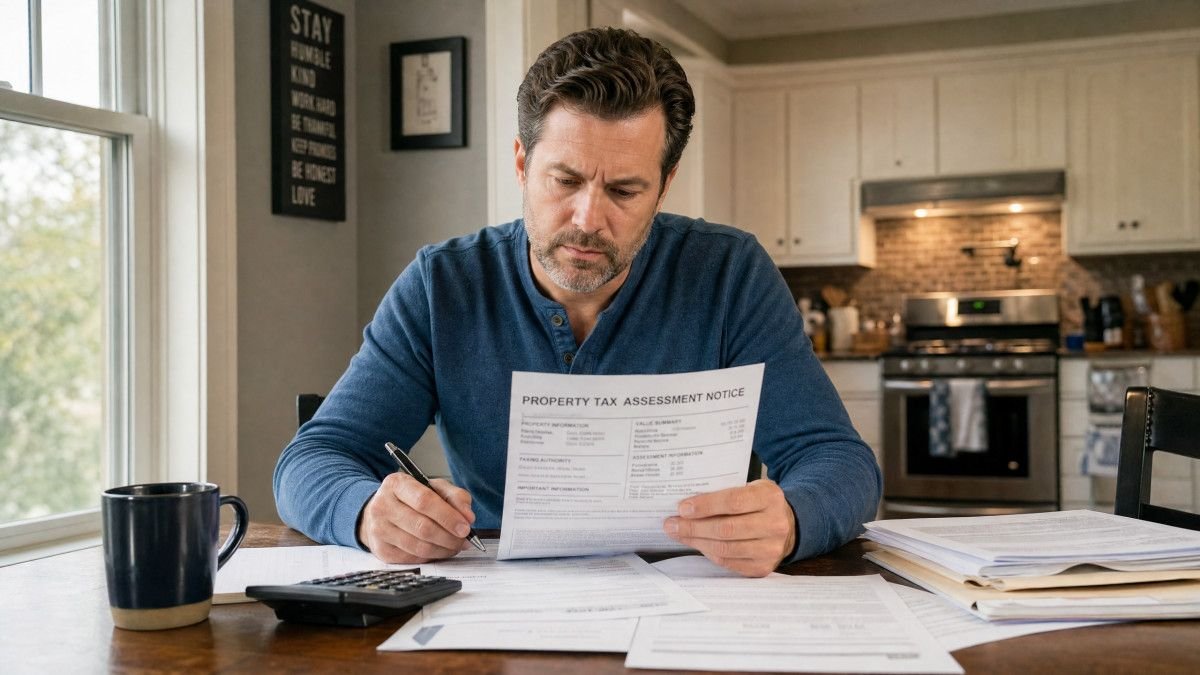





The interest rate on your mortgage is one of the most powerful variables in your home purchase. Even a seemingly small difference in rate — half a percentage point, for example — can translate to tens of thousands of dollars over the life of a 30-year loan, notes LRES Property Management. Understanding how rates work, what drives them, and how to position yourself to secure the best possible rate is essential knowledge for any serious homebuyer.
mebuyer.
How Interest Rates Affect Your Monthly Payment
Your monthly mortgage payment consists of principal (the loan balance you are repaying) and interest (the cost of borrowing). The interest rate determines what percentage of your outstanding balance you pay as interest each month. Higher rates mean a larger portion of each payment goes toward interest rather than reducing your principal.
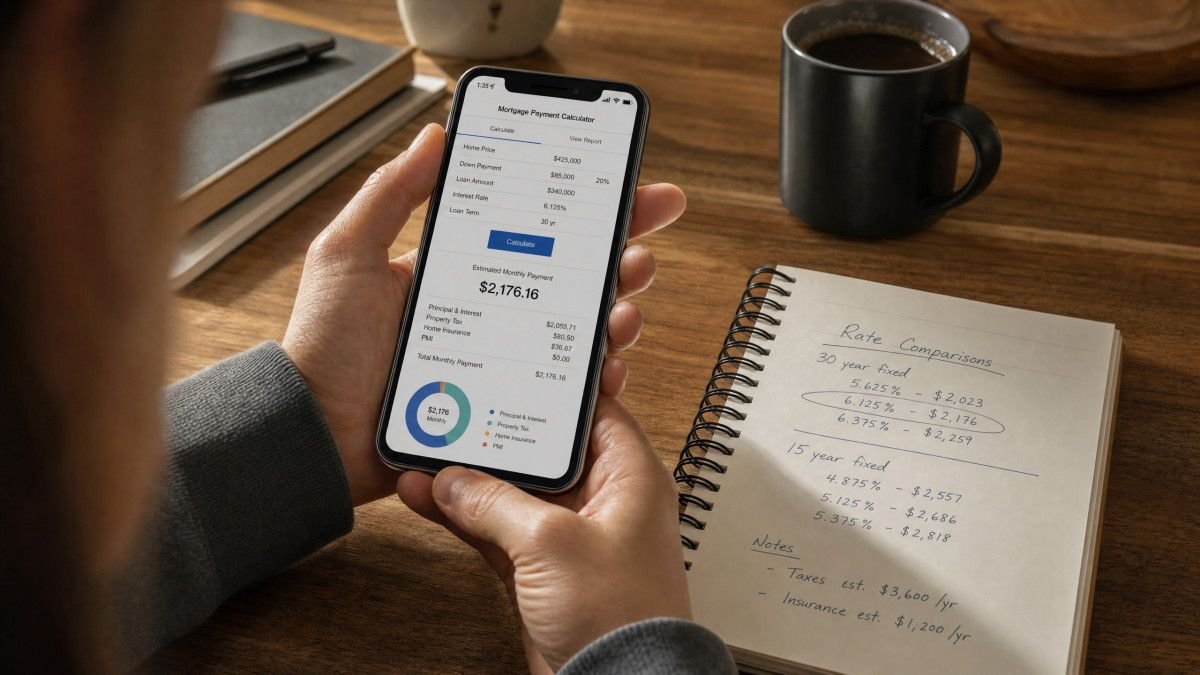
On a $400,000 30-year fixed mortgage, the difference between a 6.5% and a 7.5% rate is approximately $265 per month — and over $95,000 in total interest paid over the life of the loan.
| Loan Amount | Rate | Monthly P&I | Total Interest (30 yr) |
| $400,000 | 6.0% | $2,398 | $463,353 |
| $400,000 | 6.5% | $2,528 | $510,177 |
| $400,000 | 7.0% | $2,661 | $558,036 |
| $400,000 | 7.5% | $2,797 | $606,917 |
Fixed vs. Adjustable Rate Mortgages
A fixed-rate mortgage locks your interest rate for the entire loan term, providing payment stability and protection against rising rates. A adjustable-rate mortgage (ARM) offers a lower initial rate for a fixed period (commonly 5, 7, or 10 years), after which the rate adjusts periodically based on a market index. ARMs can be advantageous if you plan to sell or refinance before the adjustment period begins, but they carry the risk of significantly higher payments if rates rise.
What Drives Mortgage Interest Rates?
Mortgage rates are influenced by a complex set of factors, but the most significant include the federal funds rate set by the Federal Reserve, the yield on 10-year U.S. Treasury bonds, inflation expectations, and overall economic conditions. Lenders also factor in the risk profile of individual borrowers — your credit score, down payment size, loan type, and loan-to-value ratio all affect the rate you are offered.
The Role of Your Credit Score
Your credit score is one of the most controllable factors in your mortgage rate. Borrowers with scores above 760 typically qualify for the best available rates, while those with scores below 680 may pay significantly more. Improving your credit score by even 20 to 40 points before applying for a mortgage can result in a meaningfully lower rate. Pay down revolving balances, avoid opening new credit accounts, and dispute any errors on your credit report well in advance of your application.
Down Payment Size and Rate Impact
A larger down payment reduces the lender’s risk, which can translate to a lower interest rate. Putting down 20% or more also eliminates the requirement for private mortgage insurance (PMI), which adds 0.5% to 1.5% of the loan amount annually to your effective cost of borrowing. Even moving from a 5% to a 10% down payment can improve your rate tier with many lenders.
Mortgage Points: Buying Down Your Rate
Mortgage discount points allow you to prepay interest upfront in exchange for a lower ongoing rate. One point equals 1% of the loan amount and typically reduces the rate by 0.25%. Whether buying points makes financial sense depends on your break-even timeline — how long you need to stay in the home for the upfront cost to be offset by the monthly savings.
Rate Lock: Protecting Yourself from Market Volatility
Once you have an accepted offer, you can lock your interest rate with your lender for a specified period (typically 30 to 60 days). A rate lock protects you if rates rise before closing. If rates fall after you lock, some lenders offer a float-down option that allows you to capture the lower rate for a fee. Discuss rate lock options and their costs with your lender early in the process.
Shopping for the Best Rate
Comparing rates from multiple lenders is one of the highest-return activities a homebuyer can undertake. The CFPB mortgage rate explorer allows you to see real-time rate ranges based on your credit score, down payment, and location. Multiple mortgage inquiries within a 45-day window are treated as a single inquiry for credit scoring purposes, so do not hesitate to shop broadly.
Frequently Asked Questions
How much does a 1% higher interest rate affect my payment?
On a $400,000 30-year mortgage, a 1% higher rate increases your monthly payment by approximately $230 to $265 and adds roughly $85,000 to $95,000 in total interest over the life of the loan.
Should I wait for rates to drop before buying?
Timing the market is extremely difficult. If you find a home that meets your needs and you can comfortably afford the payment at the current rate, waiting for lower rates involves opportunity cost and uncertainty. Many buyers use the strategy “marry the house, date the rate” — buy now and refinance if rates fall significantly.
What is a good mortgage rate?
A “good” rate is relative to current market conditions. The best available rate for your profile is what matters — focus on comparing offers from multiple lenders rather than comparing to a historical benchmark.
Does the loan term affect the interest rate?
Yes. 15-year mortgages typically carry interest rates 0.5% to 0.75% lower than 30-year mortgages. The tradeoff is a significantly higher monthly payment, though you build equity faster and pay far less total interest.
Can I negotiate my mortgage interest rate?
Yes. You can use competing loan offers as leverage with your preferred lender. Many lenders will match or beat a competitor’s rate to earn your business, particularly if you have strong credit and a solid financial profile.
Conclusion
Interest rates are not just a number on a page — they are a fundamental determinant of how much home you can afford and how much you will ultimately pay for it. By understanding the mechanics of rate pricing, improving your credit profile, comparing offers from multiple lenders, and using tools like rate locks and mortgage points strategically, you can minimize your borrowing costs and maximize your purchasing power.