





As noted by Mabry Management specialists, closing day is the finish line of your home purchase journey — the moment when ownership officially transfers from the seller to you. But the closing process involves dozens of documents, significant sums of money, and coordination among multiple parties. Understanding what to expect and how to prepare can transform closing day from an overwhelming experience into a smooth, confident milestone.
What Happens in the Days Before Closing
The week before closing is one of the busiest periods of the entire transaction. Your lender will conduct a final review of your financial documents, the title company will perform a final title search, and you will receive your Closing Disclosure at least three business days before closing. This document itemizes every cost associated with your transaction — review it carefully and compare it line by line to your Loan Estimate to identify any unexpected changes.
The Final Walk-Through
Schedule a final walk-through of the property 24 to 48 hours before closing. This is your opportunity to confirm that the home is in the agreed-upon condition, that all negotiated repairs have been completed, that the seller’s belongings have been removed, and that all included appliances and fixtures are present and functional. If you discover issues during the walk-through, address them with your agent before proceeding to closing.
What to Bring to Closing
Arrive at closing prepared with the following:
| Item | Notes |
| Government-issued photo ID | Passport or driver’s license |
| Cashier’s check or wire transfer confirmation | For down payment and closing costs |
| Proof of homeowners insurance | Declarations page or binder |
| Checkbook | For any minor last-minute adjustments |
| Copies of all transaction documents | For reference during signing |
Never bring a personal check for the down payment — most title companies require certified funds (cashier’s check or wire transfer). Confirm the exact amount and wire instructions with your title company at least 48 hours in advance, and verify the instructions by phone to avoid wire fraud.
Understanding the Documents You Will Sign
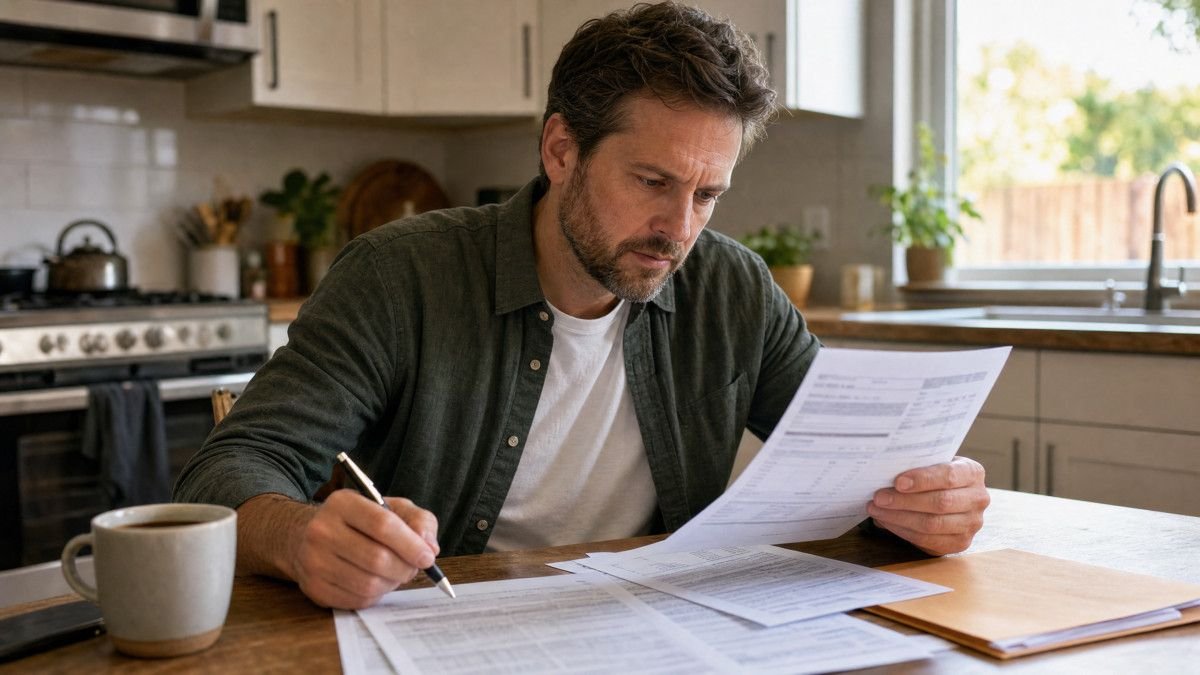
Closing involves signing a substantial stack of documents. The most important include the Promissory Note (your promise to repay the loan), the Deed of Trust or Mortgage (which secures the loan against the property), the Closing Disclosure (the final accounting of all costs), and the Deed (which transfers ownership). Do not feel pressured to sign anything you do not understand — ask your closing agent or attorney to explain any document before you sign it.
Closing Costs: What You Are Paying For
Closing costs typically range from 2% to 5% of the loan amount and include lender fees (origination, underwriting, appraisal), title fees (title search, title insurance, settlement fee), prepaid items (homeowners insurance premium, property tax escrow, prepaid interest), and government recording fees. Review each line item on your Closing Disclosure and ask about any charge you do not recognize.
Remote and Digital Closings
Many states now permit remote online notarization (RON), allowing buyers to complete the closing process electronically from any location. While not yet universal, digital closings are increasingly common and can be particularly convenient for buyers who are relocating from another state. Ask your lender and title company whether a remote closing is available for your transaction.
After Closing: Your Immediate Next Steps
Once all documents are signed and funds are disbursed, the deed is recorded with the county, and you receive your keys. After closing, change the locks, set up utility accounts in your name, update your address with the post office and financial institutions, and store your closing documents in a safe place. The CFPB closing process guide provides a helpful checklist of post-closing tasks.
Frequently Asked Questions
How long does the closing process take?
The actual closing appointment typically takes 1 to 2 hours. From the time your offer is accepted to the closing date, the process usually takes 30 to 60 days, depending on the loan type and complexity of the transaction.
Can closing be delayed?
Yes. Common causes of closing delays include appraisal issues, title problems, last-minute changes to your financial profile, missing documents, and lender processing backlogs. Staying responsive to your lender’s requests and avoiding major financial changes during the process minimizes delay risk.
What is title insurance and do I need it?
Title insurance protects against defects in the title that were not discovered during the title search — such as undisclosed liens, forgery, or errors in public records. Lenders require lender’s title insurance. Owner’s title insurance is optional but strongly recommended, as it protects your equity for as long as you own the property.
Who attends the closing?
Typically, the buyer, buyer’s agent, closing agent (title officer or attorney), and sometimes the seller and seller’s agent. Lenders rarely attend in person. In some states, an attorney is required to be present.
What if I find a problem during the final walk-through?
If you discover a significant issue during the walk-through — such as an agreed repair not completed or damage that occurred after your inspection — you can delay closing, negotiate a credit, or in serious cases, exercise your right to cancel under your contract contingencies.
Conclusion
A smooth closing is the result of thorough preparation, careful document review, and proactive communication with your lender, agent, and title company. By reviewing your Closing Disclosure carefully, completing a thorough final walk-through, arriving prepared with the right documents and funds, and understanding what you are signing, you can cross the finish line of your home purchase with confidence and clarity.