




Before your mortgage lender will allow you to close on a home, you must provide proof of adequate homeowners insurance, observes Los Angeles Property Management experts. But insurance requirements go beyond simply having a policy in place — lenders have specific coverage minimums, and depending on your property’s location, you may be required to purchase additional policies for flood, earthquake, or wind damage. Understanding these requirements in advance prevents last-minute delays and ensures you are properly protected from day one.
What Lenders Require: The Basics
Most mortgage lenders require a standard homeowners insurance policy (HO-3) that covers the dwelling at a minimum of its replacement cost value — the cost to rebuild the structure from the ground up, not its market value. Lenders are named as additional insured on the policy to protect their financial interest in the property. You must provide a declarations page (proof of insurance) before closing.
What a Standard Homeowners Policy Covers
A standard HO-3 policy provides coverage across several categories:
| Coverage Type | What It Protects |
|—|—|
| Dwelling (Coverage A) | The structure of your home |
| Other Structures (Coverage B) | Detached garages, fences, sheds |
| Personal Property (Coverage C) | Furniture, electronics, clothing |
| Loss of Use (Coverage D) | Living expenses if home is uninhabitable |
| Liability (Coverage E) | Legal costs if someone is injured on your property |
| Medical Payments (Coverage F) | Minor medical costs for guests injured on property |
Standard policies cover perils such as fire, lightning, windstorm, hail, theft, and vandalism. They do not cover floods or earthquakes — these require separate policies.
Flood Insurance: When It Is Required
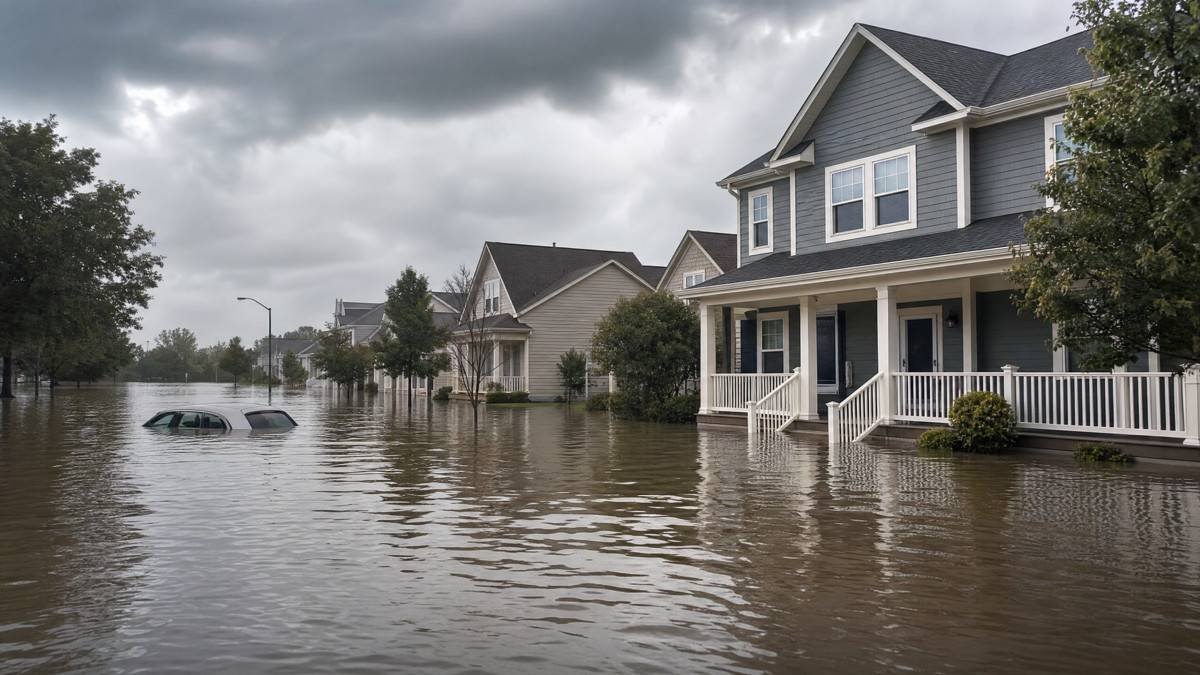
If your home is located in a Special Flood Hazard Area (SFHA) — designated as Zone A or Zone V on FEMA flood maps — your lender is legally required to mandate flood insurance as a condition of the mortgage. Even if your property is not in a high-risk zone, flood insurance is worth considering: approximately 25% of flood claims come from properties outside high-risk areas.
You can check your property’s flood zone designation using the FEMA Flood Map Service Center. Flood insurance is available through the National Flood Insurance Program (NFIP) and private insurers.
Earthquake Insurance
Standard homeowners policies do not cover earthquake damage. If you are purchasing in a seismically active region — California, the Pacific Northwest, or parts of the Mountain West — your lender may require earthquake insurance, or you may choose to purchase it independently. Earthquake policies typically have high deductibles (10% to 20% of the dwelling coverage amount) and are priced based on proximity to fault lines and the home’s construction type.
Windstorm and Hurricane Insurance
In coastal states like Florida, Texas, and the Carolinas, standard homeowners policies may exclude windstorm and hurricane damage. Separate windstorm policies or endorsements are often required by lenders in these areas. State-run insurance pools exist in some high-risk coastal markets where private insurers have withdrawn.
How to Shop for Homeowners Insurance
Begin shopping for insurance as soon as your offer is accepted — do not wait until the week before closing. Get quotes from at least three insurers, comparing not just premiums but coverage limits, deductibles, and exclusions. Factors that affect your premium include the home’s age and construction type, proximity to a fire station, your claims history, credit score, and the coverage limits and deductibles you choose.
Replacement Cost vs. Actual Cash Value
Replacement cost coverage pays to rebuild or repair your home using current materials and labor costs, without deducting for depreciation. Actual cash value coverage pays the depreciated value of the damaged property. Lenders require replacement cost coverage for the dwelling. For personal property, you can choose either, though replacement cost is generally worth the modest additional premium.
Frequently Asked Questions
How much homeowners insurance do I need?
At minimum, your dwelling coverage should equal the full replacement cost of your home, which is typically calculated by your insurer based on square footage, construction type, and local building costs. Do not confuse replacement cost with market value — they are often very different figures.
Can I choose my own insurance company?
Yes. While your lender may recommend insurers, you are free to choose any licensed insurer that meets the coverage requirements. Shopping independently often yields better rates.
What is a home insurance binder?
A binder is a temporary proof of insurance that your insurer provides immediately after you purchase a policy, before the formal declarations page is issued. Lenders typically accept a binder for closing purposes.
Does homeowners insurance cover my belongings?
Standard policies include personal property coverage, but limits may be insufficient for high-value items like jewelry, art, or electronics. Scheduled personal property endorsements or floaters provide additional coverage for specific valuables.
What happens if I cannot find insurance for my home?
In some high-risk markets, private insurers may decline to cover certain properties. State FAIR Plans (Fair Access to Insurance Requirements) provide coverage of last resort for properties that cannot obtain standard insurance.
Conclusion
Property insurance is not just a lender requirement — it is a fundamental financial protection for what is likely your largest asset. Understanding what your policy covers, what it excludes, and whether your location requires additional coverage ensures you are fully protected from the moment you take ownership. Start the insurance process early, compare multiple quotes, and work with an independent insurance agent who can help you navigate the options specific to your property and location.