




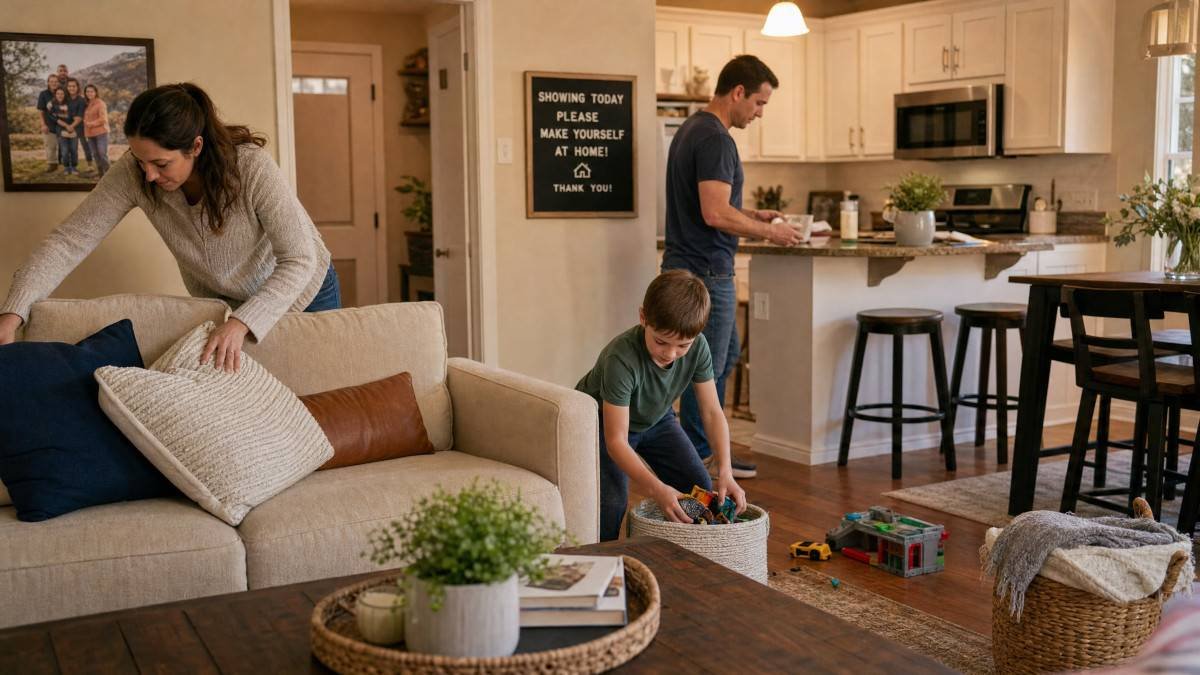
Successfully selling a home while still residing in it requires strategic planning and consistent effort to maintain an inviting environment for potential buyers. This common situation demands balancing daily life with frequent property viewings, making practical systems essential to streamline the process. This article outlines effective approaches to minimize disruption to your routine while maximizing your home’s appeal to prospective purchasers, ensuring a smoother and more successful sale.
Creating a Showing-Ready Routine
Northwoods Property Management professionals observe that establishing a consistent routine for preparing your home for showings can significantly reduce stress and ensure your property always presents its best face to potential buyers. This involves daily habits and a clear checklist to quickly transform your living space into a pristine, welcoming environment on short notice.
Implementing a daily “showing-ready” routine is paramount for sellers who continue to live in their homes. This routine should encompass quick tidying tasks that can be completed in minutes, such as making beds, wiping down kitchen counters, and stowing away personal items. Consistency in these small actions prevents a build-up of clutter and makes last-minute preparations far less daunting, allowing for a more relaxed approach to unexpected viewings.
A pre-showing checklist, prominently displayed, serves as an invaluable tool for ensuring no detail is overlooked. This checklist might include tasks like opening blinds, turning on lights, ensuring fresh towels are in bathrooms, and removing any pet-related items. Delegating specific tasks to family members can also streamline the process, fostering a collective effort to maintain the home’s market appeal and ensure every corner is ready for inspection.
Beyond daily habits, consider a weekly deep clean that addresses areas not covered by quick tidying. This ensures that even with frequent showings, the home maintains a high standard of cleanliness, which is crucial for buyer impressions. A well-maintained home suggests a well-cared-for property, instilling confidence in potential purchasers and reflecting positively on the overall condition.
Developing a system for quick exits is also beneficial. This could involve having a designated “go-bag” with essentials for a short outing, ensuring you can vacate the premises promptly when a showing is scheduled. This proactive approach minimizes stress and allows you to maintain a sense of normalcy amidst the selling process.
Decluttering and Depersonalizing Strategically
Strategic decluttering and depersonalization are essential steps to help buyers envision themselves in your home, creating a neutral canvas that highlights the property’s features rather than the current occupants’ belongings. This process often involves temporary storage solutions and a critical eye toward excess.
One of the most impactful strategies for preparing a home for sale is aggressive decluttering. This doesn’t mean living in an empty house, but rather removing excess items that contribute to visual noise and make spaces feel smaller. Focus on clearing countertops, shelves, and tabletops, leaving only a few decorative items to add warmth and style. This creates an illusion of spaciousness and allows buyers to focus on the home’s architecture and layout.
Depersonalization goes hand-in-hand with decluttering, involving the removal of family photos, unique art, and highly personal memorabilia. The goal is to create a neutral environment where prospective buyers can easily project their own lives and furnishings into the space. This allows them to connect with the home itself, rather than feeling like they are intruding on someone else’s private sanctuary, fostering a stronger emotional connection.
Consider utilizing temporary storage solutions for items that are not essential for daily living but still need to remain accessible. This could include renting a small storage unit, using a friend’s garage, or even neatly organizing boxes in an out-of-the-way closet. According to the National Association of Realtors (NAR), 29% of real estate agents reported that staging their sellers’ homes, which includes decluttering, received a 1% to 10% increase in the dollar value offered [1]. This demonstrates the tangible financial benefits of a well-prepared home.
Even small changes, like removing refrigerator magnets or excessive knick-knacks, can make a significant difference in how spacious and inviting a home appears. The objective is to present a clean, organized, and universally appealing space that allows buyers to imagine their future within its walls.
Managing Pets and Children During Showings
Coordinating the logistics of pets and children during home showings requires careful planning to ensure their safety and comfort, while also presenting an undisturbed and professional environment for potential buyers. Advance preparation is key to minimizing stress for everyone involved.
Pets, no matter how beloved, can be a significant distraction or even a deterrent during showings. The ideal scenario is to remove all pets from the property before buyers arrive. This might involve taking them for a walk, arranging for a friend or neighbor to watch them, or utilizing a pet daycare service. Ensuring all pet-related items, such as food bowls, litter boxes, and toys, are out of sight is equally important to eliminate any lingering odors or visual cues that could detract from a buyer’s experience.
Similarly, managing children during showings requires thoughtful consideration. If possible, plan showings during school hours or arrange for children to visit a friend or family member. If children must be present, ensure they are engaged in quiet activities and understand the importance of allowing buyers to explore the home freely. A chaotic environment can detract from a buyer’s ability to focus on the property’s features and can make the home feel less serene.
Preparing a “showing go-bag” for both pets and children can simplify last-minute exits. For pets, this might include leashes, treats, and a favorite toy. For children, a bag with snacks, books, or small games can make waiting outside the home more manageable. This proactive approach reduces stress and ensures a smoother transition during showing times, allowing you to vacate quickly and efficiently.
Communicating your pet and child arrangements to your real estate agent is crucial. They can then inform prospective buyers’ agents, preventing surprises and ensuring a seamless showing experience. This transparency helps manage expectations and contributes to a more professional presentation of your home.
Optimizing Curb Appeal and First Impressions
The exterior of your home and its immediate entryway create the crucial first impression for potential buyers, influencing their overall perception before they even step inside. Investing time in enhancing curb appeal can significantly boost interest and set a positive tone for the entire showing.
Curb appeal is not merely an aesthetic consideration; it is a critical component of a successful home sale. Buyers often form an initial judgment about a property within seconds of seeing its exterior. Simple enhancements like a freshly mowed lawn, neatly trimmed hedges, and vibrant potted plants can make a dramatic difference. Ensure pathways are clear and inviting, and the front door is clean and well-maintained, as these elements contribute to a welcoming atmosphere.
Beyond landscaping, pay attention to smaller details that contribute to the overall exterior presentation. This includes cleaning windows, power washing the siding if necessary, and ensuring outdoor lighting is functional and appealing. A well-maintained exterior signals to buyers that the home has been cared for, extending an unspoken invitation to explore further and suggesting a property that has been diligently maintained over time.
The entryway itself should be immaculate and welcoming. A clean doormat, a fresh coat of paint on the front door, and a welcoming light fixture can create an immediate sense of warmth. Remember that buyers are evaluating the entire package, and a strong first impression from the outside can significantly influence their perception of the interior. Real Estate Staging Association (RESA) data indicates that staged homes spend 73% less time on the market than non-staged homes, highlighting the importance of presentation [2].
Even during colder months, maintaining curb appeal is important. Clearing snow and ice from walkways, adding seasonal decorations, and ensuring adequate lighting can make your home stand out. These efforts demonstrate pride of ownership and create a positive initial experience for every visitor.
Maintaining Cleanliness and Odor Neutrality
A consistently clean and odor-neutral home is fundamental to creating a positive and appealing environment for prospective buyers, as unpleasant smells or visible dirt can immediately deter interest regardless of other features. Proactive measures are necessary to achieve this standard.
Maintaining a high level of cleanliness throughout the listing period is non-negotiable. This involves daily surface cleaning, regular vacuuming or sweeping, and ensuring bathrooms and kitchens are spotless. Buyers are highly attuned to cleanliness, and any signs of neglect can raise concerns about the home’s overall condition and maintenance, potentially impacting their offer or even their decision to make one.
Odor neutrality is equally, if not more, important than visual cleanliness. Lingering pet odors, cooking smells, or stale air can be immediate turn-offs for buyers. Implement strategies such as opening windows for fresh air, using subtle air fresheners (avoiding overpowering scents), and ensuring trash is emptied regularly. Baking soda can be an effective, neutral odor absorber in various areas of the home, providing a fresh and inviting atmosphere.
Consider professional cleaning services before the listing goes live and periodically throughout the selling process, especially if you have pets or a busy household. A deep clean provides a fresh baseline and makes daily maintenance easier. As Laurie Reader, a real estate expert, advises, “Don’t wait to get into the moving mindset” regarding decluttering and cleaning, emphasizing the need for early and continuous effort [3]. This proactive approach sets a high standard from the outset.
Beyond general cleaning, pay attention to specific areas that can harbor odors, such as drains, garbage disposals, and pet bedding. Regular cleaning and maintenance of these areas will contribute significantly to an overall fresh scent. A clean-smelling home creates a positive subconscious impression, making buyers feel more comfortable and at ease.
Setting Boundaries and Communication with Your Agent
Clear communication with your real estate agent and establishing firm boundaries regarding showing times and procedures are vital for a manageable selling experience while living in your home. This collaboration ensures your needs are met while still accommodating buyer interest.
Open and honest communication with your real estate agent is the cornerstone of a successful showing strategy. Discuss your preferred showing times, minimum notice requirements, and any days or times when showings are simply not possible. Your agent can then communicate these preferences to prospective buyers and their agents, managing expectations effectively and preventing scheduling conflicts that could lead to frustration.
Establish clear boundaries regarding access to your home. For instance, decide if you are comfortable with lockbox access or if you prefer your agent to be present for all showings. Discuss how feedback will be communicated and how you will be notified of upcoming appointments. A well-defined protocol minimizes misunderstandings and ensures your privacy and security are maintained throughout the selling process.
It is also beneficial to have a conversation about the duration of showings. While some buyers may need more time, setting a general expectation for how long a typical showing lasts can help you plan your temporary exits. Your agent is your partner in this process, and their ability to advocate for your needs while facilitating showings is crucial for a less stressful experience, allowing you to focus on other aspects of your life.
Regular check-ins with your agent can help fine-tune the showing process. If certain times are consistently difficult, or if you find yourself overwhelmed, discuss adjustments with your agent. Their expertise can provide solutions and strategies to make the process more manageable, ensuring a positive experience for both you and potential buyers.
| Category | Task | Frequency |
|---|---|---|
| Exterior | Mow lawn, trim hedges, clear pathways | Weekly / As needed |
| Exterior | Clean front door and entryway | Daily / Before showing |
| Interior | Declutter all surfaces | Daily |
| Interior | Wipe down kitchen and bathroom counters | Daily / Before showing |
| Interior | Vacuum/sweep floors | Daily / Before showing |
| Interior | Make all beds | Daily |
| Interior | Open blinds, turn on lights | Before showing |
| Interior | Remove pet items and odors | Before showing |
| Interior | Ensure fresh towels in bathrooms | Before showing |
| Personal | Remove personal photos and memorabilia | Initial setup |
| Personal | Secure valuables | Before showing |
Frequently Asked Questions
How much notice should I expect for a home showing?
Most real estate agents recommend a minimum of 2-4 hours’ notice for showings, though 24 hours is often preferred to allow sellers ample time to prepare. Establishing clear communication with your agent about your preferred notice period can help manage expectations and minimize disruption to your daily routine.
What are the most critical areas to clean before a showing?
Focus on high-traffic areas and spaces that buyers scrutinize most, such as kitchens, bathrooms, and entryways. Ensure surfaces are wiped down, floors are clean, and there are no lingering odors. A sparkling clean home conveys meticulous care and can significantly enhance a buyer’s perception.
Should I be present during a home showing?
It is generally advised that sellers vacate the property during showings. Buyers often feel more comfortable and speak more freely when the homeowner is not present, allowing them to envision themselves living in the space without feeling observed. This also prevents any unintentional interference with the agent’s presentation.
How can I manage pets during showings?
The best approach is to remove pets from the home during showings, either by taking them with you or arranging for them to stay with a friend or at a pet daycare. If removal isn’t possible, ensure pets are securely crated and any pet odors or messes are completely eliminated. Always inform your agent about pets beforehand.
Living in your home while it’s on the market can be challenging, but with a structured approach, it is entirely manageable. By implementing consistent routines, strategically decluttering, effectively managing pets and children, optimizing curb appeal, and maintaining open communication with your agent, you can navigate the showing process with greater ease. These efforts not only reduce personal stress but also significantly enhance your home’s attractiveness to potential buyers, ultimately contributing to a faster and more successful sale.
References
- National Association of Realtors. (n.d.). *Why Staging Matters, Even in a Seller’s Market*. Retrieved from https://www.nar.realtor/blogs/styled-staged-sold/why-staging-matters-even-in-a-sellers-market
- Real Estate Staging Association (RESA). (n.d.). *Home Staging Statistics & Quarterly Market Insights*. Retrieved from https://www.realestatestagingassociation.com/statistics
- Reader, L. (2022, June 23). *How to Show Your House While Living In It*. Retrieved from https://www.lauriereader.com/blog/how-to-show-your-house-while-living-in-it/