



As Ocean Realty & Property Management Ponte Vedra notes, selling a home when buyer demand is low presents unique challenges, often requiring a more strategic and patient approach than in a booming market. Successfully navigating these conditions involves a combination of astute pricing, compelling presentation, and proactive marketing efforts to capture the attention of a limited pool of serious buyers. Understanding the dynamics of a slow market is the first step toward implementing effective strategies that can lead to a successful sale, even when external factors are less favorable.
Accurate Pricing is Paramount in a Soft Market
In a slow real estate market, setting the right price from the outset is crucial, as overpricing can deter potential buyers and lead to prolonged market time, while competitive pricing can attract immediate interest and facilitate a quicker sale, even when demand is low.
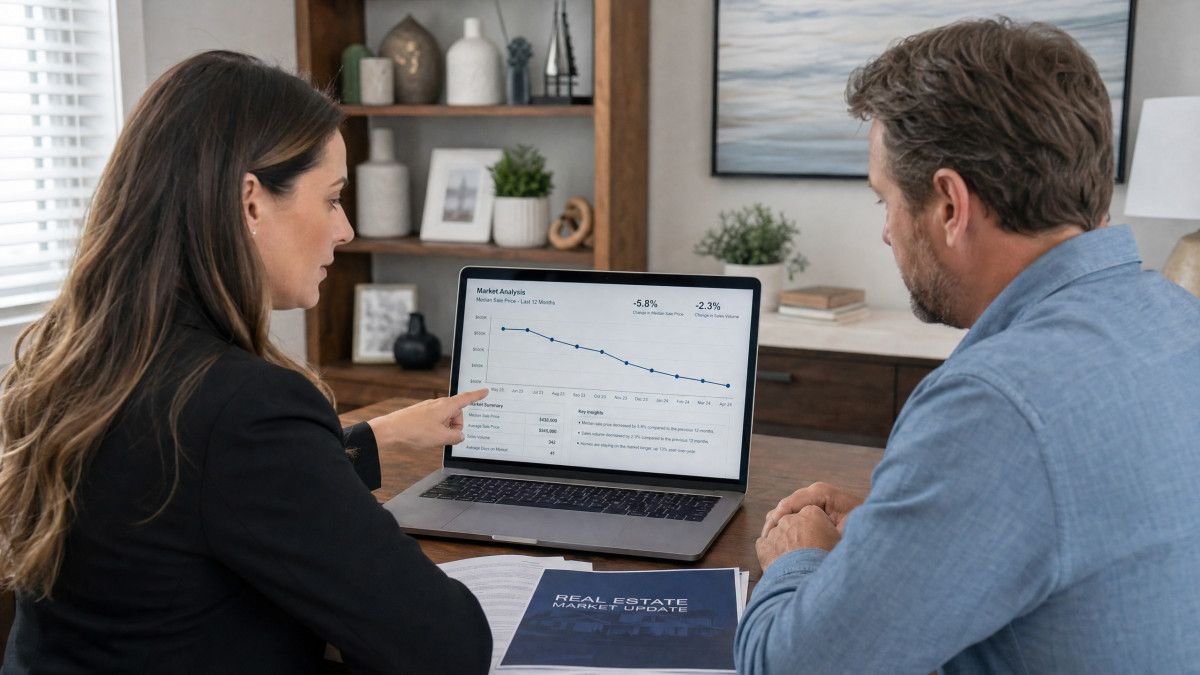
One of the most critical factors in selling a home during a slow market is establishing an accurate and competitive asking price. Overpricing a property in a market with limited buyer activity can result in the home sitting unsold for an extended period, leading to price reductions that often signal desperation to potential buyers. Conversely, a well-researched and realistic price can generate immediate interest, positioning the home as a desirable option among fewer available purchasers.
Real estate professionals often advise sellers to review comparable sales (comps) from the last three to six months, focusing on properties that have recently sold rather than those still on the market. This data provides a clearer picture of what buyers are actually willing to pay in the current economic climate. A study by the National Association of Realtors (NAR) indicated that homes priced correctly from the start sell, on average, for 98% of their asking price, while those that undergo multiple price drops often sell for significantly less [1].
Engaging a professional appraiser or a knowledgeable real estate agent for a comprehensive comparative market analysis (CMA) is essential. Their expertise helps in identifying the optimal price point that balances attracting buyers with maximizing seller returns. In a slow market, being slightly under market value can sometimes create a bidding war, even with reduced buyer interest, ultimately leading to a quicker and more favorable sale than continually chasing the market downwards.
Enhance Curb Appeal and Home Staging to Attract Buyers
Maximizing a home’s visual appeal through strategic curb appeal improvements and professional staging can significantly influence buyer perception, creating a welcoming atmosphere that helps properties stand out and command attention in a competitive slow market.
First impressions are always important in real estate, but they become absolutely critical in a slow market where buyers have more options and are less willing to overlook imperfections. Enhancing curb appeal ensures that the exterior of the home is inviting and well-maintained, drawing potential buyers in rather than deterring them. Simple improvements like fresh landscaping, a newly painted front door, and clean windows can make a substantial difference.
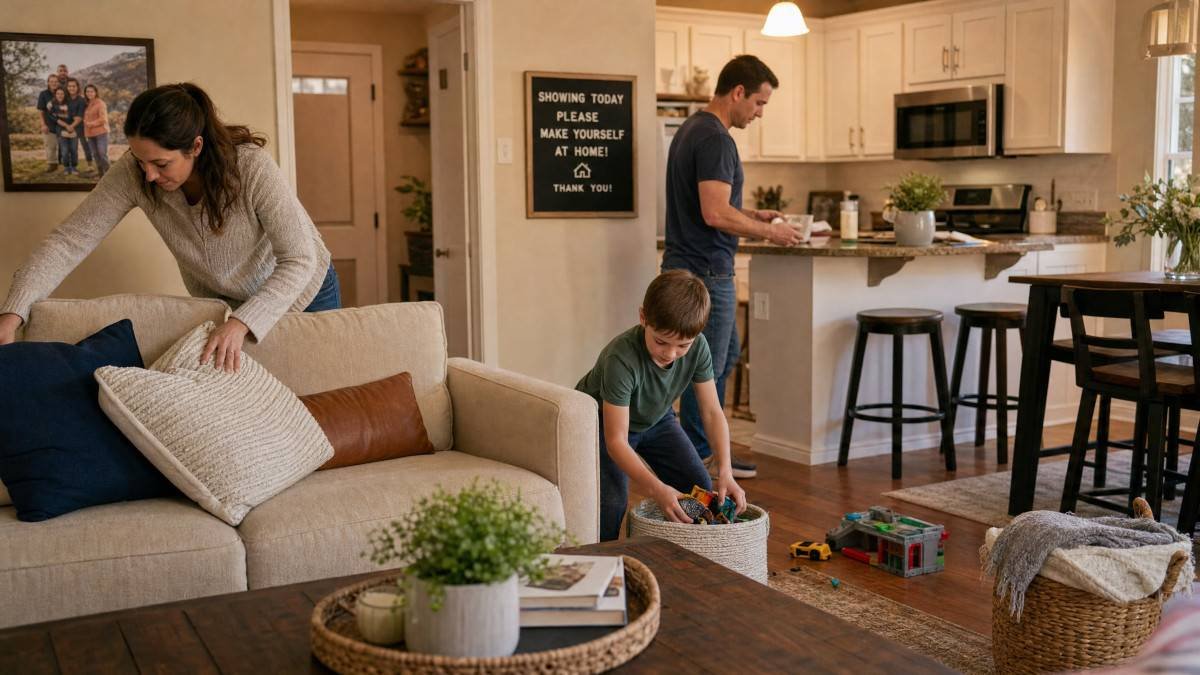
Beyond the exterior, professional home staging plays a pivotal role in helping buyers envision themselves living in the space. Staging involves decluttering, depersonalizing, and arranging furniture to highlight the home’s best features and create a neutral, appealing environment. According to the Real Estate Staging Association (RESA), staged homes sell 73% faster than non-staged homes in a challenging market, demonstrating the tangible impact of presentation [2].
Even if professional staging is not feasible, sellers can implement many staging principles themselves. This includes deep cleaning, repairing minor issues, and ensuring every room serves a clear purpose. A well-presented home communicates to buyers that the property has been cared for, instilling confidence and making it more memorable among competing listings.
Leverage Digital Marketing and Professional Photography
Effective digital marketing, coupled with high-quality professional photography and virtual tours, is essential for reaching a broader audience and making a strong first impression online, which is particularly vital when fewer buyers are actively touring homes in person.
In today’s real estate landscape, the vast majority of home searches begin online, making a robust digital marketing strategy indispensable, especially in a slow market. High-quality professional photography is the cornerstone of this strategy, as it provides the first visual interaction potential buyers have with a property. Poor-quality photos can quickly lead to a buyer dismissing a listing, regardless of the home’s actual merits.
Beyond static images, virtual tours and drone footage offer immersive experiences that allow buyers to explore a property from the comfort of their own homes. This is particularly advantageous when in-person showings are less frequent. A report by Zillow found that listings with a 3D Home tour received 29% more views and were saved 32% more often than listings without [3]. These tools provide a comprehensive view, helping serious buyers narrow down their choices before committing to a physical visit.
An effective digital marketing plan also includes broad syndication across major real estate platforms, targeted social media campaigns, and email marketing to an agent’s network. A strong online presence ensures the property reaches the widest possible audience, capturing the attention of every potential buyer actively searching in a subdued market. A well-crafted online listing, complete with detailed descriptions and compelling visuals, acts as a powerful selling tool.
Offer Incentives and Flexible Terms to Sweeten the Deal
In a buyer’s market, offering attractive incentives such as closing cost credits, home warranty plans, or flexible closing dates can differentiate a property and motivate hesitant buyers to make an offer, providing added value beyond the list price.
When buyer demand is low, sellers may need to go beyond traditional pricing strategies to make their property more appealing. Offering incentives can significantly sweeten the deal and provide a competitive edge. Common incentives include contributing towards closing costs, which can reduce the upfront financial burden for buyers, or providing a home warranty that offers peace of mind regarding potential repair expenses after the sale.
Flexibility in terms can also be a powerful motivator. This might involve accommodating a buyer’s preferred closing date, whether it’s a quick close or a longer escrow period, or even offering a temporary lease-back option if the seller needs more time to move. These concessions, while seemingly minor, can be the deciding factor for a buyer weighing multiple options in a slow market. According to Sarah Jenkins, a senior real estate analyst at MarketWatch, “In a slow market, every advantage counts. Sellers who are willing to be flexible on terms or offer tangible incentives often find buyers more quickly than those who hold firm on every aspect of the deal.”
It is crucial to discuss these potential incentives with a real estate agent to determine which ones are most impactful for the local market and the specific property. The goal is to add perceived value without significantly impacting the seller’s net proceeds, making the offer more attractive without necessarily lowering the asking price directly.
Work with an Experienced Real Estate Agent
Partnering with a seasoned real estate agent who possesses deep market knowledge and a proven track record in challenging conditions is invaluable, as their expertise in negotiation, pricing, and marketing can navigate complexities and secure the best possible outcome for sellers.
The guidance of an experienced real estate agent becomes even more critical when selling in a slow market. A skilled agent brings invaluable market insights, understanding local trends, buyer behaviors, and effective strategies that work in subdued conditions. They can accurately assess the property’s value, advise on necessary preparations, and craft a compelling marketing plan tailored to attract the right buyers.
Beyond marketing, an agent’s negotiation skills are paramount. In a slow market, offers may be lower, and contingencies more common. An expert negotiator can effectively bridge the gap between buyer and seller expectations, ensuring the best possible terms for their client. They also handle the complexities of paperwork, legal requirements, and coordinating inspections and appraisals, reducing stress for the seller.
A reputable agent also has an extensive network of contacts, including other agents, potential buyers, and service providers, which can be instrumental in generating leads and facilitating a smoother transaction. Their ability to provide objective advice and emotional support throughout what can be a prolonged and challenging process is a significant asset. Choosing an agent with a proven track record in similar market conditions is a strategic decision that can directly impact the success and speed of a home sale.
Be Prepared for Negotiation and Patience
Selling in a slow market often requires a willingness to negotiate on price and terms, along with a significant degree of patience, as the sales process may take longer than in a robust market, necessitating strategic adjustments and resilience.
One of the most important mindsets for sellers in a slow market is to be prepared for negotiation and to exercise patience. Unlike hot markets where multiple offers and quick sales are common, a subdued market typically involves fewer offers, and those offers are often below the asking price or come with more contingencies. Being open to reasonable negotiation on price, closing costs, or repair requests can be the difference between a stagnant listing and a successful sale.
The sales timeline in a slow market is generally longer. While homes in a fast market might sell in days or weeks, properties in a slow market could take months to attract a serious buyer. This extended period requires sellers to maintain their home’s show-ready condition and remain flexible with showing schedules. Frustration can set in, but a patient approach, coupled with continuous evaluation of market feedback, is crucial.
It is also wise to have a financial buffer to cover carrying costs such as mortgage payments, property taxes, and utilities for a longer duration. This financial preparedness reduces pressure to accept an unfavorable offer out of necessity. Regular communication with your real estate agent to review market activity and adjust strategies as needed will help manage expectations and keep the selling process moving forward.
Consider Alternative Selling Strategies
When traditional selling methods prove difficult in a slow market, exploring alternative strategies such as lease-to-own options, seller financing, or even renting out the property temporarily can provide viable solutions to generate income or facilitate a future sale.
If the traditional sales route proves too challenging or yields unsatisfactory results in a particularly slow market, sellers might consider alternative strategies. One option is a lease-to-own agreement, where a tenant leases the property with an option to purchase it at a predetermined price within a specified timeframe. This arrangement provides immediate rental income and secures a potential buyer for the future, offering flexibility to both parties.
Seller financing, also known as owner financing, is another alternative where the seller acts as the bank, providing a loan to the buyer. This can attract buyers who may not qualify for traditional mortgages or who prefer more flexible terms. While it carries certain risks, it can significantly broaden the pool of potential buyers and facilitate a sale that might otherwise not occur. It is imperative to consult with legal and financial professionals before entering into such agreements.
Finally, if market conditions are severely unfavorable and there is no immediate pressure to sell, renting out the property temporarily can be a prudent decision. This generates income to cover expenses while waiting for the market to improve. This strategy allows sellers to retain ownership and potentially achieve a higher sale price when conditions become more favorable. Each alternative has its own set of advantages and disadvantages, and careful consideration with professional advice is essential.
| Strategy | Description | Benefit in Slow Market |
|---|---|---|
| Accurate Pricing | Setting a realistic and competitive price based on recent comparable sales. | Attracts serious buyers quickly, avoids prolonged market time and multiple price drops. |
| Curb Appeal & Staging | Enhancing exterior and interior presentation to appeal to a broad audience. | Creates a strong first impression, helps buyers envision themselves in the home, stands out from competition. |
| Digital Marketing | Utilizing professional photos, virtual tours, and online platforms for maximum exposure. | Reaches a wider audience, provides immersive viewing experiences, crucial for online-first searches. |
| Incentives & Flexible Terms | Offering closing cost credits, home warranties, or accommodating buyer needs. | Sweetens the deal, motivates hesitant buyers, differentiates the property. |
| Experienced Agent | Partnering with a knowledgeable professional with a track record in challenging markets. | Expert guidance on pricing, marketing, negotiation, and navigating complex transactions. |
| Patience & Negotiation | Being prepared for longer sales cycles and open to reasonable concessions. | Avoids desperate decisions, allows for strategic adjustments, leads to better outcomes. |
| Alternative Strategies | Considering lease-to-own, seller financing, or temporary rental. | Provides income, broadens buyer pool, or allows waiting for market improvement. |
Frequently Asked Questions
How important is pricing correctly in a slow market?
Pricing a home accurately is critically important in a slow market. Overpricing can lead to a property sitting on the market for an extended period, accumulating carrying costs and potentially requiring significant price reductions later. A competitive and realistic price, however, can attract serious buyers more quickly and generate offers, even when overall demand is low.
What are the most effective marketing strategies for a slow market?
Effective marketing in a slow market emphasizes high-quality visuals, comprehensive online presence, and targeted outreach. Professional photography, virtual tours, and detailed property descriptions are essential. Leveraging social media, real estate portals, and an agent’s network ensures maximum exposure to potential buyers who are actively searching.
Should I make home improvements before selling in a slow market?
Strategic home improvements can be highly beneficial in a slow market. Focus on updates that offer a high return on investment, such as fresh paint, minor kitchen or bathroom refreshes, and enhanced curb appeal. These improvements can make your home more attractive and competitive, potentially reducing its time on the market and increasing its perceived value.
How can a real estate agent help in a slow market?
An experienced real estate agent is invaluable in a slow market. They provide expert guidance on pricing, marketing, and negotiation strategies tailored to current conditions. Their network of potential buyers and other agents, along with their ability to navigate complex transactions, can significantly improve your chances of a successful and timely sale.
Selling a home in a slow market demands a proactive and well-thought-out strategy. By focusing on accurate pricing, enhancing property presentation, leveraging digital marketing, offering attractive incentives, and partnering with an experienced real estate agent, sellers can significantly improve their chances of a successful transaction. Patience and adaptability are key virtues, allowing sellers to navigate the market’s challenges and achieve their desired outcome.
References
- National Association of Realtors. “Highlights From the Profile of Home Buyers and Sellers.”
- Real Estate Staging Association. “Staging Statistics 2023.”
- Zillow. “3D Home Tours for Sellers.”