




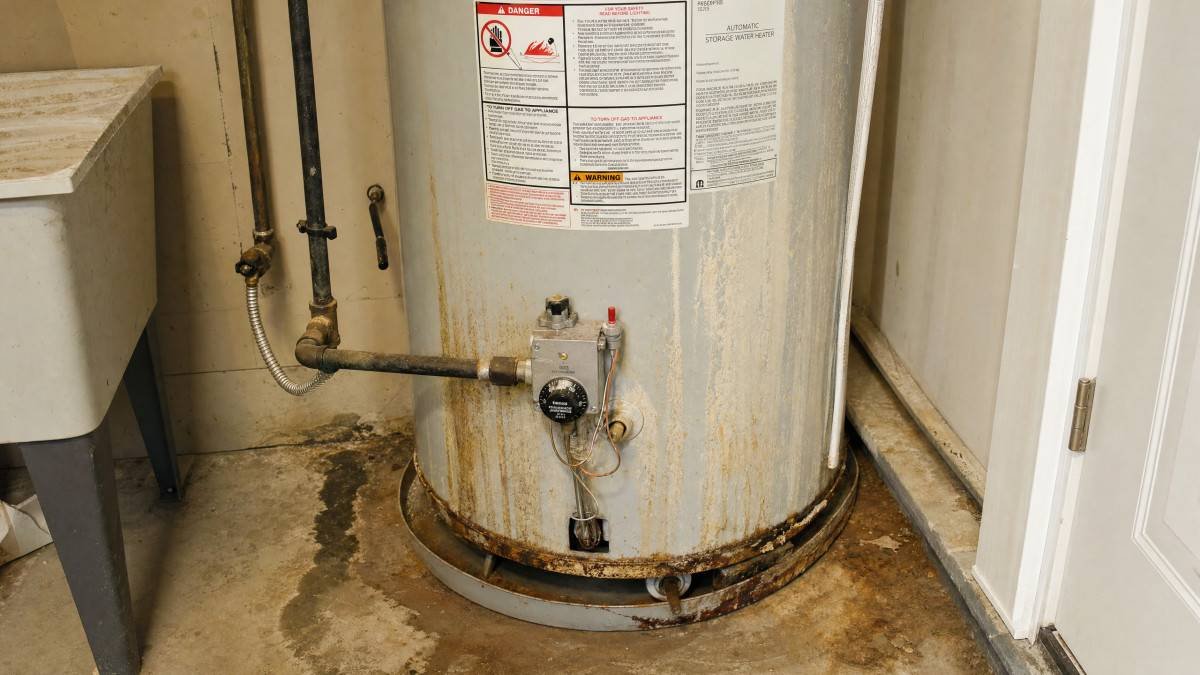
According to RGroup Property Management Vail, assessing the condition of a water heater involves checking its age, visual signs of wear, and functional performance. Recognizing early indicators such as rust stains, sediment buildup, and inconsistent water temperature helps determine if maintenance or replacement is necessary. Proper evaluation ensures safety and maintains efficiency in hot water delivery.
Water heaters come in tank and tankless models, each with different lifespans and maintenance needs. Tank water heaters typically last between eight and twelve years, while tankless units can operate reliably for more than twenty years. Understanding these differences guides homeowners in timely inspections and preventive care to extend their system’s life.
Regular inspection includes examining the anode rod, temperature and pressure relief valve, and connections for leaks or corrosion. Identifying common issues like rumbling noises or water discoloration can prevent unexpected failures. Evaluating these elements thoroughly enables informed decisions about repairs or replacement, optimizing safety and function.
In addition to these initial considerations, it is beneficial to be aware of the specific environmental factors that can affect water heater performance. Hard water, for example, can accelerate sediment accumulation and corrosion, while areas with fluctuating temperatures may cause expansion and contraction stresses on the tank. Being mindful of such influences allows for a more tailored maintenance approach, improving the longevity of the water heater.
Another important aspect is understanding the energy consumption and cost implications of a water heater in poor condition. A unit that operates inefficiently not only wastes energy but can also lead to higher utility bills and increased carbon footprint. By assessing its condition accurately, homeowners can optimize energy use, reduce expenses, and contribute to environmental sustainability.
Understanding Water Heater Lifespan and Signs of Failure
The typical lifespan of a tank water heater ranges from eight to twelve years, while tankless models generally last over twenty years. Age is a primary factor in assessing condition because components degrade over time. Older units are more prone to leaks, corrosion, and efficiency loss, requiring closer attention during inspections.
Signs indicating a failing water heater include rusty or discolored water, which suggests corrosion inside the tank. Rumbling or popping noises usually result from sediment buildup at the bottom, reducing heating efficiency. Water pooling near the base or inconsistent hot water delivery are also warning signs that immediate evaluation and maintenance are necessary to avoid breakdowns.
Moreover, subtle changes in water temperature can indicate underlying problems with heating elements or thermostats. If hot water becomes scarce or fluctuates unexpectedly, it may signal that the heating components are wearing out or that sediment is insulating the heat source. Monitoring these changes over time helps identify when proactive intervention is needed before a complete failure occurs.
Another critical consideration is the presence of leaks or moisture around the water heater. Even small leaks can lead to significant damage over time by causing rust and weakening structural components. Detecting these early through routine visual inspections can prevent costly repairs or replacements by addressing minor issues promptly.
Inspection Steps for Evaluating Water Heater Condition
Evaluating a water heater starts with verifying its age by reading the label or serial number on the tank. Inspecting the anode rod is crucial since it protects the tank from corrosion through a sacrificial process and typically needs replacement every three to five years. A worn anode rod often leads to early tank deterioration.
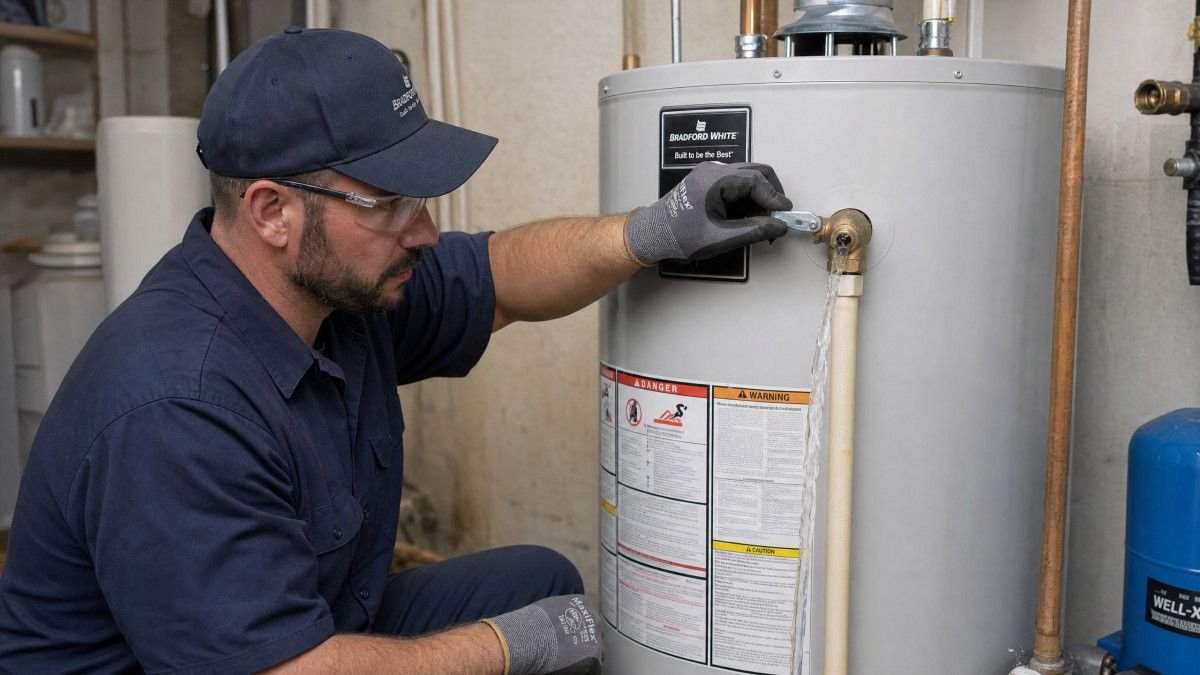
The temperature and pressure (T&P) relief valve must be tested to ensure it releases pressure safely, preventing dangerous failures. Gas water heaters require a flue pipe inspection to confirm proper venting of combustion gases. All water and gas connections should be checked for leaks, corrosion, or damage. Annual flushing of sediment buildup maintains efficiency and prevents damage to heating elements.
During inspection, it is also important to assess the overall installation environment. Ensuring proper clearance around the water heater allows for sufficient airflow and facilitates maintenance tasks. Checking for signs of moisture or mold nearby can indicate leaks or condensation problems that may compromise the unit’s integrity.
Another step involves testing the thermostat settings and verifying that the water heater cycles on and off correctly. Inconsistent operation may point to electrical or mechanical faults that require professional attention. Documenting findings during inspection provides a useful reference for tracking the unit’s condition over time and planning necessary maintenance or replacement.
Common Water Heater Problems and Their Fixes
Sediment buildup is a prevalent issue causing rumbling noises and reduced heating efficiency. Flushing the tank annually helps remove these deposits and prolongs the unit’s life. When the anode rod becomes depleted, it no longer prevents corrosion, necessitating timely replacement to protect the tank.
Failures in the T&P valve pose safety hazards; a leaking or faulty valve should be replaced promptly. Temperature settings that are too high can cause scalding and waste energy, so adjusting the thermostat to an ideal 120 degrees Fahrenheit is recommended. Insulating hot and cold water pipes reduces heat loss and improves system efficiency. If significant corrosion or leaks are found in an older unit, replacement is often the safest and most cost-effective option.
Another common problem is the malfunction of heating elements or ignition systems in electric and gas water heaters respectively. These issues can lead to inadequate heating or complete failure to produce hot water. Replacing faulty components quickly restores functionality and prevents further damage.
Leaks from valves, fittings, or tank walls can also cause water damage and reduce system performance. Identifying the source of leaks and repairing or replacing defective parts mitigates these risks. Regular maintenance and timely fixes help avoid emergency situations and extend the overall lifespan of the heater.
Comparison of Tank and Tankless Water Heaters
Choosing between tank and tankless water heaters depends on factors such as efficiency, lifespan, upfront cost, and maintenance. Tank models store hot water and have shorter lifespans but lower initial installation costs. Tankless systems heat water on demand, offering higher efficiency and longer durability with a higher price tag.
Maintenance requirements differ; tank water heaters require regular flushing and anode rod replacement, whereas tankless units need periodic descaling. The choice affects energy consumption, space usage, and long-term expenses, making understanding these differences essential for proper assessment and selection.
Tank water heaters often provide a steady supply of hot water suitable for larger households with simultaneous demand. However, they consume energy continuously to maintain water temperature in the tank. Tankless water heaters, by contrast, activate only when hot water is needed, reducing standby energy loss, which can translate to lower utility bills over time.
Additionally, tankless units are generally more compact and can be installed in smaller spaces or mounted on walls. This can be advantageous in homes with limited utility room. However, installation complexity and costs may be higher, including potential upgrades to gas lines or electrical systems to support the unit’s requirements.
| Feature | Tank Water Heater | Tankless Water Heater |
|---|---|---|
| Lifespan | 8–12 years | 20+ years |
| Initial Cost | Lower | Higher |
| Energy Efficiency | Moderate | High |
| Maintenance | Annual flushing, anode rod replacement | Periodic descaling |
| Space Requirements | Requires storage space | Compact, wall-mounted options |
Preventative Maintenance for Water Heaters
Consistent preventative maintenance extends the life of a water heater and sustains performance. Flushing the tank annually removes sediment that accumulates and reduces heating efficiency. Checking and replacing the anode rod every three years is necessary to prevent internal corrosion and rust formation.
Setting the thermostat to 120 degrees Fahrenheit balances safety and energy use. Insulating the first six feet of both hot and cold water pipes minimizes heat loss and condensation. Keeping these maintenance routines on schedule reduces unexpected failures and supports reliable hot water availability.
In addition to these tasks, homeowners should monitor for any unusual sounds, odors, or leaks and address them promptly. Scheduling professional inspections every few years can uncover hidden issues that may not be apparent during routine checks. Proactive maintenance helps avoid costly repairs and extends the operational lifespan of the water heater.
Maintaining proper ventilation around gas water heaters is crucial to prevent carbon monoxide buildup and ensure efficient combustion. Cleaning or replacing air filters and checking vent pipes for obstructions are important safety measures. Following manufacturer recommendations and local codes enhances overall system reliability and safety.
Frequently Asked Questions About Water Heater Condition Assessment
What is the typical lifespan of tank and tankless water heaters?
Tank water heaters generally last between eight and twelve years, while tankless models can operate efficiently for more than twenty years. Lifespan depends on maintenance, water quality, and usage patterns. With regular care, some units may exceed these averages, but neglect usually shortens service life significantly.
Why is my hot water rusty or discolored?
Rusty or discolored water usually indicates that the anode rod is depleted or the tank is corroding. This condition requires immediate inspection and often anode rod replacement or tank evaluation to prevent leaks. Ignoring discoloration can lead to more severe damage and potential contamination of household water.
What causes rumbling or popping noises in a water heater?
Rumbling or popping sounds typically result from sediment buildup at the bottom of the tank, which traps water and reduces heating efficiency. Flushing the tank annually can eliminate this problem. These noises can also signal overheating or trapped steam pockets inside the tank, pointing to the need for maintenance.
Is it normal for the temperature and pressure relief valve to drip water?
Occasional dripping from the T&P valve can be normal as it releases excess pressure. However, continuous dripping often signals a faulty valve that should be replaced to maintain safety. A leaking valve can waste water and reduce system pressure, potentially causing other equipment malfunctions.
What are the main differences between tank and tankless water heaters?
Tank water heaters store hot water and have lower upfront costs but shorter lifespans and moderate efficiency. Tankless units heat water on demand, offering higher efficiency and longer service life with a higher installation price. The choice depends on household size, hot water needs, space availability, and budget considerations.
How often should I perform maintenance on my water heater?
Maintenance frequency varies by model and water quality, but generally, flushing the tank annually and inspecting the anode rod every three to five years is recommended for tank water heaters. Tankless units require descaling every one to two years depending on usage and water hardness. Regular maintenance ensures optimal performance and longevity.
Conclusion: Assessing Water Heater Health for Longevity and Safety
Proper assessment of a water heater’s condition involves examining its age, physical signs of corrosion, sediment buildup, and safety components like the T&P valve. Recognizing early warning signs such as rust stains, inconsistent water temperature, and noises allows for timely maintenance or replacement decisions. Regular inspections and upkeep prevent costly breakdowns and enhance efficiency.
Maintaining an appropriate temperature setting and conducting routine flushing and anode rod replacement prolongs unit life and ensures safe operation. Understanding the differences between tank and tankless models helps in selecting the best option for long-term use. Careful evaluation and preventative maintenance support reliable hot water performance and protect household safety effectively.