




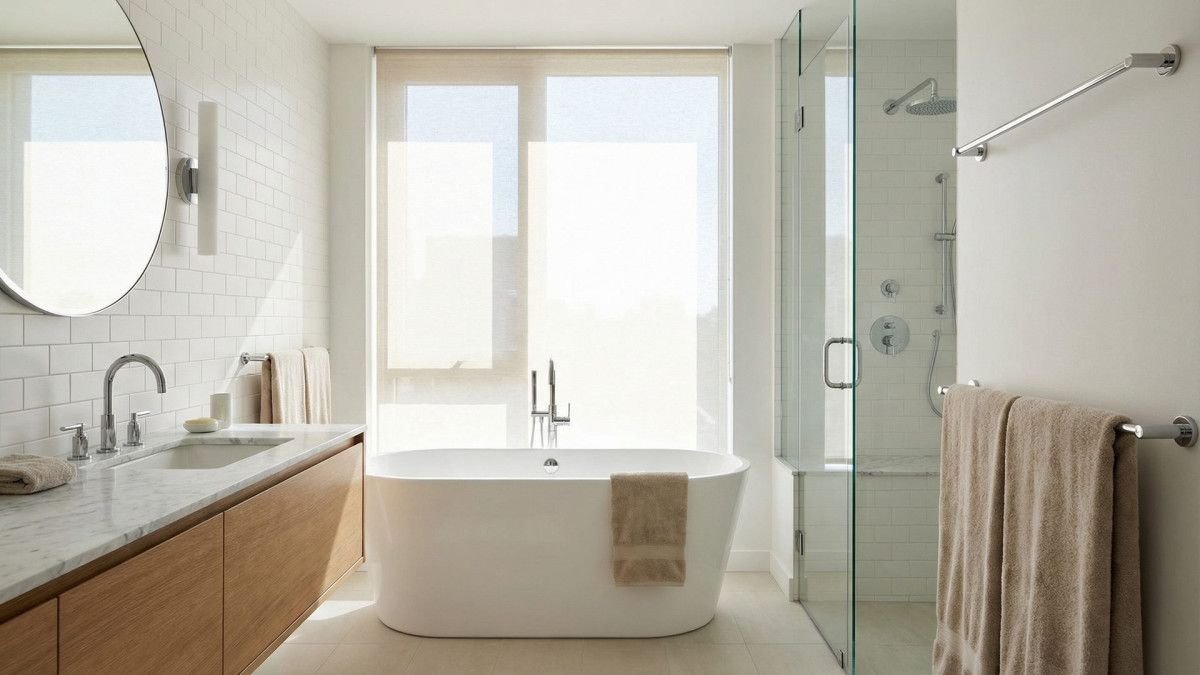
The cost to add a bathroom addition is a primary concern for homeowners looking to enhance their living space and property value. This comprehensive guide will break down the various elements that contribute to the overall expense, from the type and size of the new space to the intricacies of labor, materials, and necessary permits. By exploring these critical components, homeowners can gain a clearer picture of what to expect, enabling them to budget effectively, make informed decisions, and ultimately achieve a successful and rewarding home improvement.
Understanding Bathroom Addition Costs
According to Hometown Holdings specialists, understanding the financial commitment required for a bathroom addition involves more than just looking at average figures; it necessitates a deep dive into the myriad variables that can cause prices to soar or remain relatively modest. The overall cost is a dynamic sum influenced by everything from regional labor rates to the specific fixtures chosen, making a detailed analysis crucial for accurate budgeting. Homeowners should consider that a bathroom addition is not merely about installing new plumbing and tiling, but often involves structural changes, electrical work, and adherence to local building codes, all of which contribute significantly to the final expenditure.
What Influences the Price of a New Bathroom?
| Factor | Description | Cost Impact |
|---|---|---|
| Bathroom Type | Half, three-quarter, full, master suite, etc. | High |
| Size | Square footage of the new bathroom. | High |
| Location | Upstairs, downstairs, basement, garage, etc. | Medium to High |
| Materials & Fixtures | Quality of tiles, countertops, vanity, toilet, shower, etc. | High |
| Labor | Cost of plumbers, electricians, carpenters, etc. | High |
| Plumbing & Electrical | Distance from existing lines and complexity of installation. | Medium to High |
| Permits & Inspections | Required by local authorities to ensure code compliance. | Low to Medium |
The price of adding a new bathroom is influenced by a multitude of factors, including the size and type of bathroom, its location within the home, the quality of materials and fixtures selected, labor costs, and the necessity for permits and inspections. Each of these elements plays a crucial role in determining the final project total, with significant variations possible depending on homeowner preferences and existing home infrastructure. For instance, a luxurious master bathroom suite will naturally incur higher costs than a compact powder room, while adding a bathroom far from existing plumbing lines will escalate expenses due to extensive pipe rerouting and potential structural modifications [1].
Cost Breakdown by Bathroom Type
The type of bathroom you plan to add is one of the most significant determinants of the overall project cost, as each category—from a simple half-bath to an elaborate master suite—comes with its own set of requirements for space, fixtures, and utility connections. Generally, the more fixtures a bathroom contains and the larger its footprint, the higher the associated expenses will be, reflecting increased material, labor, and plumbing demands. Understanding these distinctions is vital for setting realistic budget expectations and choosing a bathroom type that aligns with both your needs and financial capacity.
Half Bathroom (Powder Room) Addition Cost
A half bathroom, often referred to as a powder room, typically includes only a toilet and a sink, making it the most economical option for a bathroom addition due to its smaller size and fewer plumbing requirements. The average cost to add a half bathroom ranges from $3,000 to $15,000, with prices varying based on the accessibility of existing plumbing lines and the chosen finishes [2]. These compact spaces, usually between 20 and 35 square feet, are ideal for guest use on a main floor or in a basement, offering convenience without the extensive investment required for a full bath.
Three-Quarter Bathroom Addition Cost
A three-quarter bathroom typically features a toilet, a sink, and a shower, omitting a bathtub, which positions its cost between that of a half-bath and a full bathroom. Homeowners can expect to pay between $8,000 and $22,000 for a three-quarter bathroom addition, with the final price influenced by factors such as the size of the shower, the quality of materials, and the complexity of plumbing installations [2]. These bathrooms are a practical choice for secondary bedrooms or smaller homes where space is a consideration, providing essential facilities without the larger footprint and expense of a full tub.
Full Bathroom Addition Cost
A full bathroom, characterized by the inclusion of a toilet, sink, shower, and bathtub (or a tub/shower combination), represents a more substantial investment than its smaller counterparts due to the increased number of fixtures and the larger space typically required. The cost for adding a full bathroom generally falls within the range of $15,000 to $35,000, but can extend significantly higher depending on the size, the complexity of the layout, and the selection of high-end finishes and materials [2]. This type of addition is often sought after for growing families or to enhance the functionality of a home, offering complete bathing facilities.
Master Bathroom Suite Addition Cost
Adding a master bathroom suite is typically the most expensive type of bathroom addition, as it often involves creating a larger, more luxurious space directly connected to a master bedroom, frequently incorporating high-end finishes, dual vanities, and separate tubs and showers. Costs for a master bathroom addition can range from $22,000 to over $90,000, with luxury builds potentially exceeding $100,000, reflecting the premium materials, custom designs, and extensive labor involved [1]. These additions are designed to provide a private, spa-like retreat, significantly elevating the comfort and value of a home.
Jack and Jill Bathroom Addition Cost
A Jack and Jill bathroom, designed to be shared between two bedrooms, typically features two sinks, a toilet, and a shower/tub combination, with costs ranging from $25,000 to $100,000 depending on its size and the chosen fixtures. This type of bathroom is a popular choice for families with children, offering convenient access from multiple rooms while maintaining a degree of privacy. The expense is influenced by the need for dual fixtures, potentially more complex plumbing, and the overall scale of the space, which can range from 100 to 200 square feet [1].
Wet Room Addition Cost
A wet room, characterized by an open-plan, fully waterproofed bathroom where the shower area is integrated seamlessly into the rest of the space without a traditional shower tray, typically costs between $6,000 and $20,000, though luxury designs can reach up to $30,000. The primary cost driver for wet rooms is the extensive waterproofing (tanking) required for the entire floor and walls, along with specialized drainage systems to ensure proper water runoff [1]. These modern and accessible bathrooms offer a sleek aesthetic and are particularly beneficial for individuals with mobility challenges.
Cost by Bathroom Size and Location
The physical dimensions of your new bathroom and its placement within your home are critical factors that significantly influence the total cost of an addition, as they dictate the amount of materials needed, the complexity of construction, and the extent of plumbing and electrical work. A larger bathroom naturally requires more flooring, tiling, and fixtures, while a location far from existing utility lines can dramatically increase labor and material expenses for extending those services. Careful consideration of both size and location early in the planning process can help homeowners manage their budget and avoid unexpected costs.
Square Footage and Its Impact on Cost
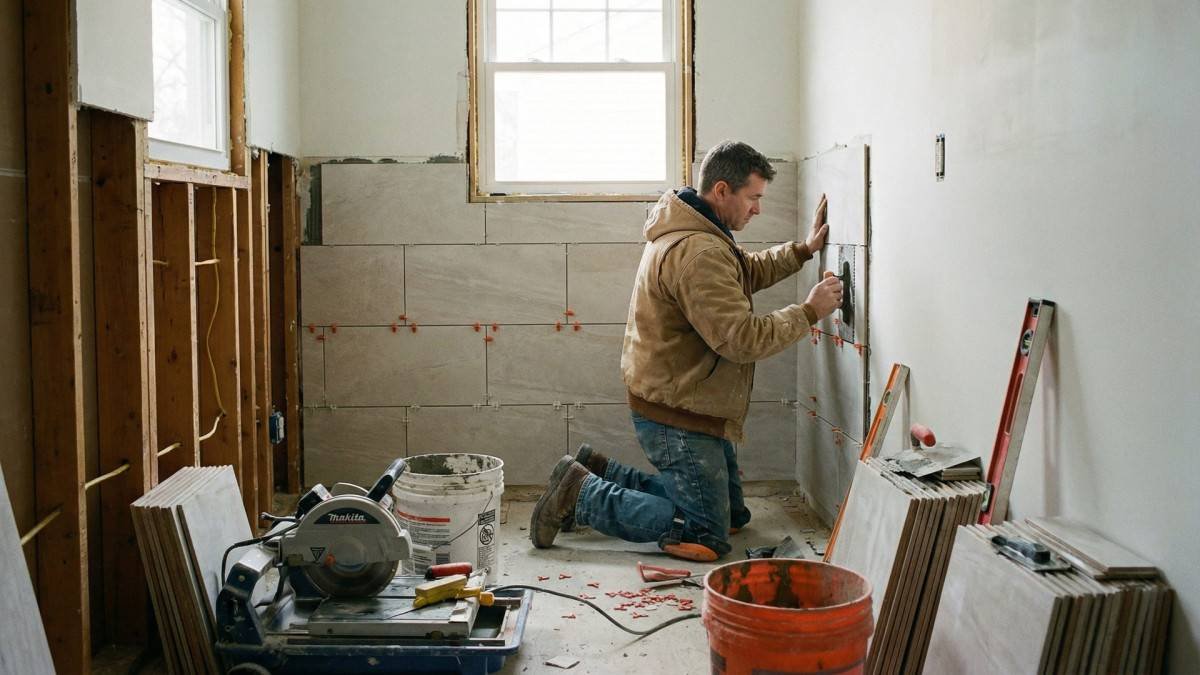
The square footage of a bathroom addition directly correlates with its overall cost, as larger spaces demand more materials for flooring, walls, and finishes, in addition to potentially accommodating more fixtures. While a bathroom conversion might cost $200 to $250 per square foot, a brand-new bathroom addition, which involves expanding the home’s footprint, typically ranges from $400 to $550 per square foot [1]. This per-square-foot cost encompasses not only the visible elements but also the underlying structural work, insulation, and utility extensions necessary for a new, larger space.
Adding a Bathroom Upstairs vs. Downstairs
The decision to add a bathroom upstairs or downstairs significantly impacts the project’s cost, primarily due to the accessibility of existing plumbing and the potential need for structural modifications. Adding a bathroom directly above or adjacent to existing plumbing lines, often found in laundry rooms or near current bathrooms, can be more cost-effective as it minimizes the need for extensive pipe rerouting [3]. Conversely, installing a bathroom in a location far from existing stacks, especially on a different floor, may require breaking through walls and floors, extending new lines, and potentially installing an ejector pump for drainage, all of which escalate labor and material expenses.
Basement Bathroom Addition Costs
Adding a bathroom in a basement is often considered a cost-effective option because it utilizes existing space within the home’s footprint, avoiding the need for structural expansion. However, basement bathrooms present a unique challenge: gravity drainage, as most basement floors are below the main sewer line, necessitating the installation of an ejector pump to move waste upwards [2]. The cost for a basement bathroom can range from $3,000 to $25,000, with the presence or absence of existing rough-in plumbing and the requirement for an ejector pump being the primary cost differentiators [2].
Garage Conversion to Bathroom Cost
Converting a portion of a garage into a bathroom can be a practical solution for adding functionality to a home, particularly if the garage is attached and easily accessible, with costs typically ranging from $5,000 to $25,000. This project often involves extending existing plumbing and electrical lines, insulating walls, and finishing the interior to match the home’s aesthetic. The final cost depends heavily on the distance to existing utilities, the extent of the finishing work, and whether the conversion requires significant structural changes to the garage [2].
Converting Existing Space (e.g., Closet)
Converting an existing interior space, such as a large closet or a corner of a bedroom, into a new bathroom can be a more budget-friendly alternative to a full addition, with costs potentially up to 50% less than building a brand-new structure [3]. The cost, typically ranging from $5,000 to $10,000 for a closet conversion, is largely dependent on the size of the space and its proximity to existing plumbing lines [1]. This approach minimizes structural work and often leverages existing walls, reducing both material and labor expenses, making it an attractive option for homeowners seeking to add a bathroom without a major renovation.
Key Factors Driving Bathroom Addition Expenses
Beyond the basic type and location, several critical factors significantly drive the overall expenses of a bathroom addition, often accounting for a substantial portion of the project’s budget. These include the cost of skilled labor, the selection of materials and fixtures, the complexity of plumbing and electrical installations, and the mandatory expenses associated with permits, inspections, and any necessary structural modifications. Understanding how each of these elements contributes to the total cost is essential for comprehensive financial planning and avoiding unforeseen expenditures.
Labor Costs: What to Expect from Professionals
Labor costs constitute a significant portion, typically 40% to 55%, of the total expense for a bathroom addition, reflecting the specialized skills required from various tradespeople [3]. Homeowners should expect to hire licensed plumbers, electricians, carpenters, and possibly tile installers, with hourly rates varying by region and the complexity of the work. For instance, plumbers typically charge $45 to $200 per hour, while electricians range from $50 to $150 per hour [1] [3]. If a general contractor is hired to manage the entire project, an additional 15% to 25% will be added for their overhead and profit.
Material and Fixture Choices
The selection of materials and fixtures is a primary driver of bathroom addition costs, often accounting for about 45% of the total project budget, as choices range from budget-friendly options to high-end luxury items [1]. For example, basic prefab shower stalls are significantly less expensive than custom-tiled walk-in showers, and a standard toilet costs far less than a high-tech model. Similarly, vanity and countertop materials like laminate are more affordable than quartz or marble, while flooring options vary from inexpensive vinyl to premium natural stone tiles [1]. These decisions allow homeowners considerable control over the final aesthetic and cost.
Plumbing and Electrical Work
Plumbing and electrical work are non-negotiable and often costly components of any bathroom addition, with expenses heavily influenced by the new bathroom’s distance from existing utility lines and the need for system upgrades. Plumbing costs can range from $1,000 to $10,000, with prices escalating if new lines need to be run a significant distance or if a new septic tank is required [1]. Electrical work, essential for lighting, outlets, and exhaust fans, typically costs between $500 and $2,500, depending on whether existing wiring can be utilized or if a complete new installation is necessary [1].
Permits, Inspections, and Structural Changes
Permits, inspections, and any necessary structural changes are mandatory, often overlooked, expenses that can significantly impact the overall cost and timeline of a bathroom addition. Building permits, which ensure compliance with local codes, typically cost at least $100 but vary by municipality, and multiple inspections are required throughout the project [3]. If the addition involves expanding the home’s footprint, moving load-bearing walls, or adding a dormer, structural changes become necessary, adding substantial costs for foundation work, framing, and roofing, potentially increasing the total by tens of thousands of dollars [2].
Maximizing Your ROI and Saving Money
When undertaking a bathroom addition, homeowners are often keen to understand not only the immediate costs but also the long-term financial benefits and strategies for maximizing their return on investment (ROI). Thoughtful planning and strategic choices can significantly influence both the upfront expenditure and the eventual increase in home value. This section will delve into whether a bathroom addition is a worthwhile investment, offer practical budgeting tips, and explore the financial implications of choosing between a DIY approach and hiring professional contractors.
Is a Bathroom Addition a Good Investment?
A bathroom addition is widely considered one of the highest-ROI renovation projects, capable of significantly increasing a home’s value and appeal, particularly in areas where the number of bathrooms is disproportionate to the number of bedrooms. While the exact return varies by location and the quality of the addition, homeowners can often recoup a substantial portion of their investment upon resale, with some projects seeing an ROI of 60% or more [2]. Beyond financial returns, the added convenience and functionality a new bathroom provides can greatly enhance daily living, making it a valuable investment in overall quality of life.
Smart Budgeting and Cost-Saving Strategies
Smart budgeting and strategic cost-saving measures are crucial for keeping a bathroom addition project within financial reach without compromising on quality or functionality. One effective strategy is to locate the new bathroom as close as possible to existing plumbing lines, which can save thousands in rough-in costs [2]. Opting for standard-sized fixtures and readily available materials over custom or high-end selections can also reduce expenses. Additionally, careful planning to avoid unexpected structural issues, obtaining multiple quotes from contractors, and being open to off-season construction can all contribute to significant savings.
DIY vs. Hiring a Professional
The decision between a DIY bathroom addition and hiring professionals is a critical one, with significant implications for both cost and project outcome. While a DIY approach can save on labor costs, which typically account for 40% to 55% of the total project, it demands considerable skill, time, and a thorough understanding of plumbing, electrical, and building codes [3]. Mistakes in DIY projects can lead to costly repairs, safety hazards, and delays. Hiring licensed professionals, though more expensive upfront, ensures quality workmanship, adherence to regulations, and often a quicker completion, providing peace of mind and potentially a higher return on investment.
Frequently Asked Questions (FAQs)
How much does it cost to add a bathroom to a house?
The cost to add a bathroom to a house varies widely, typically ranging from $5,000 for a basic half-bath to $75,000 or more for a luxurious master suite, with the national average often cited around $35,000 [1] [2]. Factors such as the type of bathroom, its size, location, material choices, and labor rates in your specific area all play a significant role in determining the final price.
What factors influence the cost of a bathroom addition?
Several key factors influence the cost of a bathroom addition, including the type of bathroom (half, full, master suite), its size in square footage, its location relative to existing plumbing and electrical lines, the quality and brand of materials and fixtures chosen, labor costs for various trades, and the expenses associated with permits, inspections, and any necessary structural modifications [1] [3].
Do I need a permit to add a bathroom to my house?
Yes, in almost all cases, you will need one or more building permits to add a bathroom to your house, as this type of renovation involves significant changes to plumbing, electrical, and potentially structural elements of your home. Permits ensure that the work complies with local building codes and safety standards, and costs typically start at $100, varying by municipality [3].
How long does it take to build a bathroom addition?
The time it takes to build a bathroom addition can vary significantly depending on the project’s complexity, ranging from a few weeks for a simple half-bath conversion to several months for a large, custom master suite requiring extensive structural work. Factors such as permit approval times, material availability, contractor scheduling, and unforeseen issues can all impact the overall timeline.
Is adding a bathroom a good investment?
Yes, adding a bathroom is generally considered a very good investment, often yielding one of the highest returns on investment among home renovation projects. It enhances a home’s functionality, increases its appeal to potential buyers, and can significantly boost its overall market value, especially in homes with fewer bathrooms relative to bedrooms [2].
What is the cheapest way to add a bathroom?
The cheapest way to add a bathroom is to convert an existing small space, such as a closet, into a half-bath or powder room. This approach minimizes structural changes and can be more affordable if located near existing plumbing lines. Using budget-friendly materials and fixtures, and undertaking some of the work yourself (if you have the skills), can also help to keep costs down.
References
- [1] Angi. “How Much Does It Cost to Add a Bathroom? [2026 Data]”. https://www.angi.com/articles/how-much-does-it-cost-add-bathroom.htm
- [2] Nationwide Builders. “How Much Does It Cost to Add a Bathroom? Pricing Guide”. https://nationwidebuilders.us/costs/bathroom-remodeling/bathroom-remodel-costs/cost-to-add-a-bathroom
- [3] This Old House. “How Much Does It Cost To Add a Bathroom? (2026 Guide)”. https://www.thisoldhouse.com/bathrooms/cost-to-add-a-bathroom