



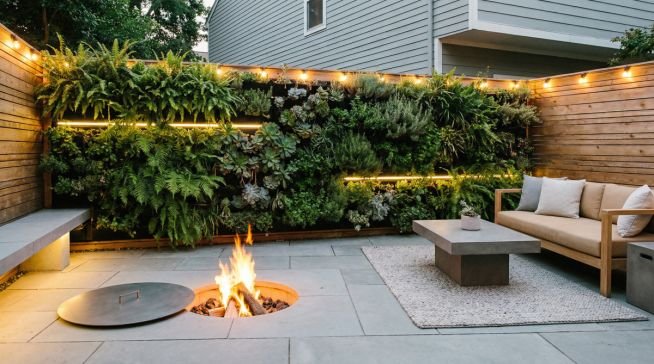
The concept of a small outdoor space often brings a sense of limitation, but modern design proves that a compact footprint is actually an invitation for intimate, high-impact creativity. Many homeowners find that focusing on a few high-quality backyard landscaping ideas small yards can transform a cramped patch of grass into a sophisticated outdoor sanctuary. The key is to shift the perspective from what the space lacks to how every square inch can be optimized for both function and aesthetic appeal. By prioritizing vertical growth, strategic zoning, and multi-functional elements, you can create a yard that feels significantly larger than its physical dimensions, notes Windermere a renowned property management Cheney WA company.
Strategic Zoning for Multi-Functional Small Backyards
Zoning a small backyard involves defining specific areas for dining, lounging, or gardening using physical or visual barriers. This approach prevents the space from feeling cluttered and ensures every square foot serves a purpose, effectively making a compact area feel significantly more expansive and organized. According to the American Society of Landscape Architects (2024), well-defined outdoor rooms can increase a home’s perceived living space by up to 20% while providing distinct areas for different activities. [1]
When you begin the process of zoning, consider how you naturally move through the space. A small patio near the back door can serve as an outdoor dining room, while a slightly raised wooden deck in a far corner can become a secluded reading nook. Using different materials for each zone, such as transitioning from smooth pavers to a bed of pea gravel, creates a visual boundary that reinforces the separation of functions without the need for bulky walls. This technique, often called “implied partitioning,” maintains an open feel while providing the structure needed for a multi-functional yard.
| Zone Type | Best Material | Primary Benefit |
|---|---|---|
| Dining Area | Large Format Pavers | Stability for furniture and easy cleaning |
| Lounge Nook | Composite Decking | Warmth underfoot and elevated perspective |
| Garden Border | Crushed Granite | Excellent drainage and natural texture |
| Pathway | Flagstone or Stepping Stones | Directs movement and adds visual interest |
For those with extremely limited square footage, such as a 10×10 urban lot, the focus should be on dual-purpose zoning. A built-in bench along a perimeter fence can provide ample seating for guests while its hollow interior offers storage for garden tools or outdoor cushions. This integration of furniture and architecture is a hallmark of professional landscape design for small spaces, ensuring that the yard remains tidy and functional throughout the seasons.
Vertical Gardening: Maximizing Greenery in Tight Spaces
Vertical gardening utilizes walls, fences, and trellises to grow plants upward rather than outward, saving precious floor space. By incorporating hanging planters, living walls, or tiered shelving, homeowners can enjoy a lush, green environment without sacrificing the limited ground area available for seating or pathways. This technique is particularly effective for urban dwellers who have vertical surfaces but minimal soil access, as it turns a flat wall into a vibrant, three-dimensional garden.
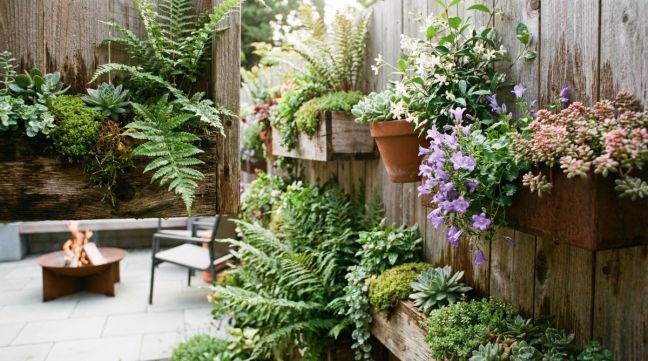
When choosing the right plants for vertical growth, it is essential to consider the sun exposure of the specific wall or fence. For shaded areas, ferns, ivy, and hostas are excellent choices, while sunny walls can support climbing roses, clematis, or even a vertical herb garden with basil, mint, and rosemary. Implementing a DIY trellis or wall-mounted planter system is a high-impact, low-cost way to enhance a small backyard. A simple wooden trellis attached to a perimeter fence can support fast-growing vines that provide privacy and a sense of enclosure.
Low-Maintenance Plants and Smart Hardscaping for Small Yards
Selecting dwarf plant varieties and incorporating durable hardscaping materials like gravel or pavers reduces maintenance while enhancing the yard’s structure. This strategy focuses on long-term sustainability and aesthetic appeal, ensuring that a small backyard remains beautiful with minimal effort and without becoming overgrown or unmanageable. By choosing plants that naturally stay compact, you avoid the need for frequent pruning and ensure that your landscape remains in scale with the limited space.
Smart hardscaping is the foundation of a successful small yard design. Permeable paving stones, for instance, allow water to soak into the ground, reducing runoff and providing a stable surface for outdoor furniture. Combining these with decorative stone solutions like Mexican beach pebbles or white marble chips can create a clean, contemporary look that requires almost no upkeep. This combination of living and non-living elements creates a balanced environment that is both visually pleasing and easy to care for throughout the year.
| Plant Type | Dwarf Species | Height Range | Best Use |
|---|---|---|---|
| Evergreen | Dwarf Boxwood | 1–3 Feet | Low hedges or border edging |
| Flowering | Dwarf Hydrangea | 2–4 Feet | Focal point in a large pot |
| Grass | Blue Fescue | 6–10 Inches | Ground cover or texture accent |
| Tree | Japanese Maple | 6–10 Feet | Specimen tree for a small corner |
Innovative Budget-Friendly Small Yard Transformations
Transforming a small backyard on a budget is achievable through DIY projects like upcycling furniture, using affordable materials like mulch or pea gravel, and focusing on high-impact lighting. These cost-effective solutions prioritize creativity over expensive renovations, allowing for a personalized and stylish outdoor retreat without a significant financial investment. By repurposing existing items, you can create a one-of-a-kind garden feature that adds character and charm to your outdoor space.
Upcycling materials like old wooden pallets or galvanized metal tubs is a high-impact, low-cost way to enhance a small backyard. A simple wooden pallet can be turned into a vertical planter or a rustic garden bench, while a large metal tub can serve as a unique raised bed for vegetables or flowers. This approach not only saves money but also reduces waste and adds a personal touch to your landscape. High-impact, low-cost lighting techniques, such as string lights hung casually over a patio, can create a warm and inviting atmosphere for evening gatherings.
Frequently Asked Questions
How do I landscape a small backyard on a budget?
Landscaping a small backyard on a budget involves prioritizing high-impact, low-cost projects like using mulch or pea gravel for pathways and upcycling old furniture for garden features. Focusing on native plants and starting with smaller specimens can also save money over time.
What is the best landscaping for a small backyard?
The best landscaping for a small backyard combines strategic zoning, vertical gardening, and low-maintenance plant choices to maximize both function and visual appeal. Using multi-functional furniture and light-colored hardscaping materials can also help a compact space feel more open and inviting.
How to make a small backyard look nice?
To make a small backyard look nice, focus on creating a clean and organized layout with defined zones for different activities. Incorporating a mix of textures, such as smooth stone and lush greenery, and adding a focal point like a small water feature or fire pit can enhance the overall aesthetic.
What can I do with a 10×10 backyard?
A 10×10 backyard can be transformed into a cozy outdoor room by using built-in seating along the perimeter and focusing on vertical gardening to add greenery without taking up floor space. Choosing a single, high-quality material for the patio can also help the small area feel more cohesive and spacious.
Which plants are best for small, shaded backyards?
For small, shaded backyards, plants like ferns, hostas, and bleeding hearts are excellent choices as they thrive in low-light conditions and provide lush, green textures. Climbing vines like ivy or hydrangea can also be used to add vertical interest to shaded walls or fences.
How can I add privacy to a small yard without bulky fences?
Adding privacy to a small yard without bulky fences can be achieved by using tall, narrow plants like bamboo or arborvue as a living screen. Alternatively, installing a decorative trellis with climbing vines or using a series of large potted plants can provide a sense of enclosure without overwhelming the space.
Conclusion
A small backyard is a canvas for creative and intimate design, where every detail can be intentionally chosen to enhance the overall experience. By embracing strategic zoning, vertical gardening, and low-maintenance plant choices, homeowners can transform even the most compact outdoor space into a functional and beautiful sanctuary. Whether you are working with a modest budget or looking to create a high-end retreat, the key is to prioritize quality over quantity and focus on how each element contributes to the yard’s unique character. Ultimately, a well-designed small yard offers a private and peaceful escape that can be enjoyed for years to come.