



Transforming a cramped, dark basement into a functional living space is one of the most rewarding home improvement projects. However, low ceilings present a unique set of challenges that can make a room feel claustrophobic if not handled with precision. By focusing on strategic design choices and innovative construction methods, you can turn these limitations into architectural assets. This guide explores the most effective low ceiling basement finishing ideas to help you maximize every inch of vertical space while maintaining comfort and style.
Strategic Ceiling Treatments for Maximum Headroom
The most effective way to handle low basement ceilings is to avoid drop ceilings, which can steal up to 6 inches of height. Instead, opt for painted exposed joists or direct-mount drywall to preserve every possible inch of vertical space. According to the International Code Council (2024), habitable basement spaces typically require a minimum ceiling height of 7 feet, though certain exceptions exist for beams and ducts. Choosing a treatment that minimizes thickness is the first step in ensuring your project meets both aesthetic and regulatory standards.
The Industrial Appeal of Painted Joists
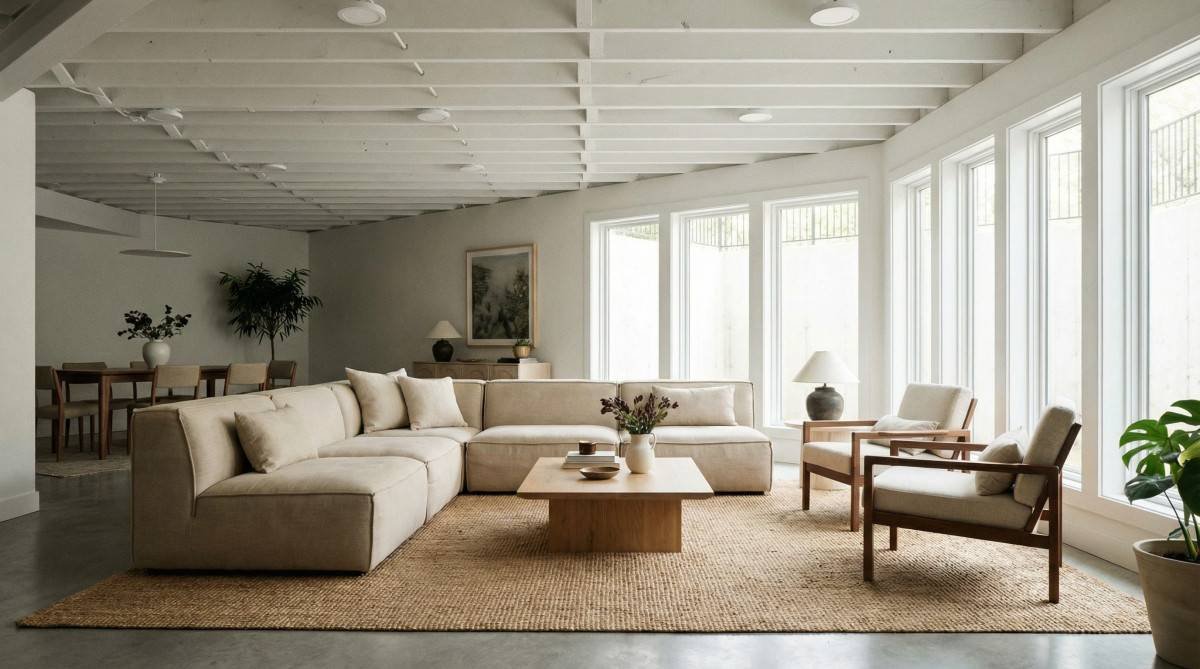
One of the most popular low ceiling basement finishing ideas is leaving the floor joists exposed and applying a uniform coat of paint. This industrial-inspired look immediately adds several inches of perceived height by revealing the structural skeleton of the home. When painted in a crisp white or a light neutral tone, the joists recede into the background, allowing the eye to travel upward without being blocked by a solid surface. This method also provides the added benefit of easy access to plumbing and electrical lines should repairs be needed in the future.
Direct-Mount Drywall and Wood Paneling
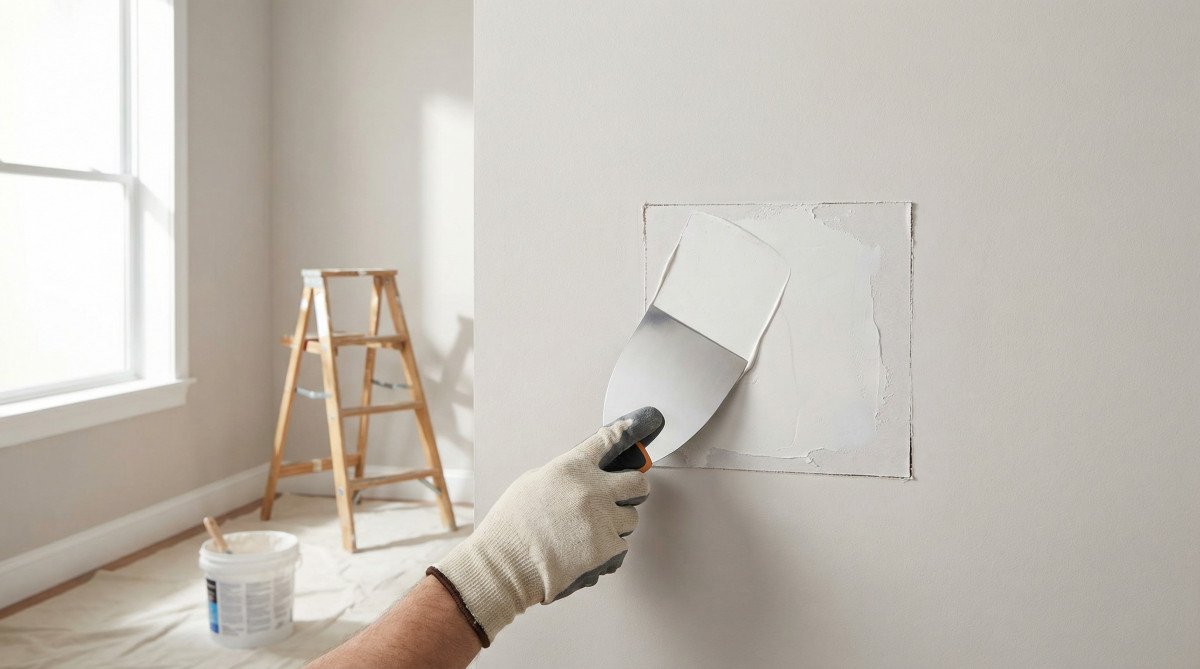
For those who prefer a more traditional, finished appearance, direct-mount drywall is a superior alternative to suspended systems. By fastening 1/2-inch drywall sheets directly to the underside of the joists, you only lose a fraction of an inch of headroom. Similarly, thin wood paneling or beadboard can be stapled directly to the structure for a polished, cottage-style aesthetic. These materials provide a clean, continuous surface that reflects light more effectively than an open ceiling, further contributing to a sense of openness in the space.
| Ceiling Treatment | Average Thickness Lost | Accessibility | Aesthetic Style |
|---|---|---|---|
| Drop (Suspended) Ceiling | 4–6 inches | Excellent | Office/Commercial |
| Direct-Mount Drywall | 0.5–0.625 inches | Poor | Traditional/Sleek |
| Painted Exposed Joists | 0 inches | Excellent | Industrial/Modern |
| Wood Paneling | 0.25–0.5 inches | Moderate | Rustic/Cottage |
Innovative Lighting and Optical Illusions
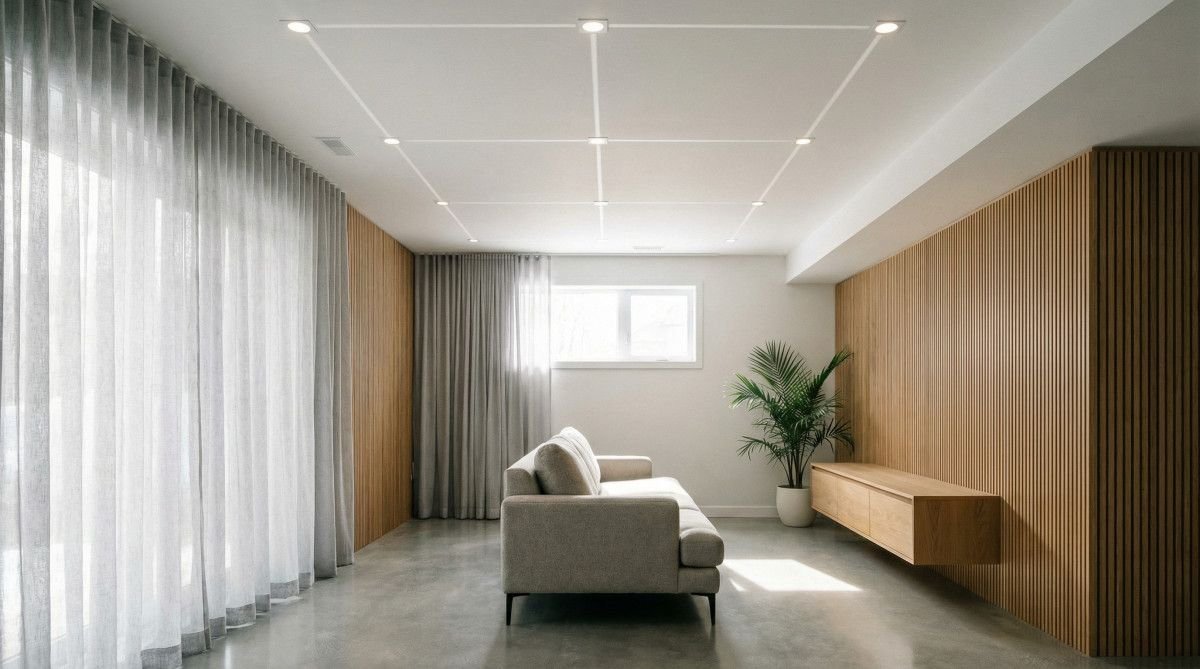
Lighting plays a crucial role in making a low-ceiling basement feel open. By using ultra-thin LED wafer lights and strategic vertical design elements like floor-to-ceiling curtains, you can trick the eye into perceiving a much taller and more inviting living area. These low-profile fixtures sit flush against the ceiling surface, eliminating the need for bulky recessed cans that can further lower the ceiling line. According to the National Association of Home Builders (2023), maximizing vertical lines and strategic lighting can increase a space’s perceived volume by up to 20% without adding square footage.
Ultra-Thin LED Wafer Lights
Ultra-thin LED wafer lights are a game-changer for low ceiling basement finishing ideas. These fixtures are only about half an inch thick, meaning they can be installed directly under joists or in tight spaces where traditional recessed cans wouldn’t fit. Their wide beam angle provides even illumination across the room, which is essential for eliminating the dark shadows that often make a basement feel smaller and more enclosed. By choosing a high-quality, color-adjustable LED light, you can mimic the brightness of natural daylight, creating a vibrant and airy atmosphere.
Vertical Lines and Furniture Scaling
Incorporating vertical design elements is another powerful tool for visually expanding a low-ceiling basement. Hanging floor-to-ceiling curtains, even on small windows, draws the eye upward and creates the illusion of taller walls. Similarly, using low-profile furniture—such as sofas with lower backs and sleek, minimalist coffee tables—leaves more “white space” between the furniture and the ceiling, making the entire room feel more spacious. By carefully scaling your decor to the height of the room, you can avoid the cluttered and cramped feeling that often plagues subterranean living areas.
Structural and Code Considerations for Low Basements
Before finishing a basement with low ceilings, it is essential to consult local building codes, which typically require a minimum height of 7 feet for habitable spaces. For extremely low basements, structural solutions like digging out the floor or “sistering” joists may be necessary. These more intensive options are often the only way to transform a non-conforming storage area into a legally recognized living space that adds value to your home. According to the American Society of Home Inspectors (2024), ensuring code compliance is vital for both safety and future resale potential.
Understanding Minimum Height Requirements
Building codes are designed to ensure the safety and comfort of occupants, and ceiling height is a major factor in these regulations. While the International Residential Code (IRC) generally requires 7 feet of clearance, there are often exceptions for beams, girders, and mechanical ducts that can be as low as 6 feet 4 inches. It is important to check with your local building department to understand the specific requirements in your area, as non-compliant renovations can lead to significant issues during a home inspection or when applying for permits.
Structural Solutions: Digging and Sistering
For homeowners with exceptionally low ceilings—some as low as 6 feet—structural modifications may be the only path forward. Digging out the basement floor to lower the slab can gain several inches of height, though it is a complex and expensive process that involves underpinning the existing foundation. A less invasive alternative is “sistering” joists, which involves attaching new, stronger lumber alongside existing joists to allow for the removal of low-hanging support beams. While these structural changes require professional engineering and a significant budget, they can dramatically transform a basement’s functionality and market value.
Differentiated Module: Soundproofing for Low Headroom
Soundproofing in low-ceiling basements requires thin, high-density materials to avoid losing vertical space. Using mass-loaded vinyl (MLV) or specialized acoustic clips can provide significant noise reduction without the bulk of traditional soundproofing methods. These materials are only about 1/8 of an inch thick, meaning they can be installed directly under joists or between layers of drywall without noticeably reducing the room’s height. According to the Acoustic Society of America (2024), thin soundproofing solutions can provide up to 30 decibels of noise reduction when installed correctly.
Mass-Loaded Vinyl and Acoustic Clips
Mass-loaded vinyl is a high-density material that can be installed directly over the joists or between layers of drywall. Its weight and density help to dampen vibrations and reduce noise transmission from the upper levels of the home. Similarly, specialized acoustic clips and resilient channels can be used to decouple the drywall from the structure, further reducing sound transfer without adding significant thickness. These thin soundproofing options are essential for low ceiling basement finishing ideas where every inch of vertical space is at a premium.
Frequently Asked Questions
How can I make my low basement ceiling look higher?
To make a low basement ceiling look higher, focus on vertical design elements and bright, reflective surfaces. Painting the ceiling and walls the same light color can blur the boundaries of the room, while hanging floor-to-ceiling curtains and using low-profile furniture creates the illusion of more space.
What is the best ceiling for a low basement?
The best ceiling for a low basement is either a painted exposed joist ceiling or direct-mount drywall. Both options minimize the loss of headroom, with exposed joists adding several inches of perceived height and direct-mount drywall providing a clean, finished look with only half an inch of thickness lost.
Can you finish a basement with 6 foot ceilings?
While you can technically finish a basement with 6 foot ceilings, it may not meet local building codes for habitable living space. Most codes require a minimum height of 7 feet, though exceptions may exist for certain structural elements. It is essential to consult with your local building department before starting a renovation.
What is the minimum height for a finished basement?
The minimum height for a finished basement is typically 7 feet for habitable spaces, according to the International Residential Code (IRC). However, some jurisdictions allow for lower heights in certain areas, such as under beams or ducts, which can be as low as 6 feet 4 inches.
How to hide pipes in a low basement ceiling?
To hide pipes in a low basement ceiling without losing headroom, consider painting them the same color as the ceiling or using thin, decorative covers. Alternatively, you can build small soffits around specific pipe runs rather than lowering the entire ceiling, preserving as much vertical space as possible.
Conclusion
Finishing a basement with low ceilings requires a careful balance of aesthetics, budget, and code requirements. By choosing strategic ceiling treatments, innovative lighting, and thin soundproofing solutions, you can create a spacious and inviting living area that defies its structural limitations. Whether you opt for the industrial appeal of painted joists or the sleek look of direct-mount drywall, the key is to maximize vertical lines and minimize thickness at every opportunity. With the right planning and design, even the most cramped basement can become a beautiful and functional extension of your home.