




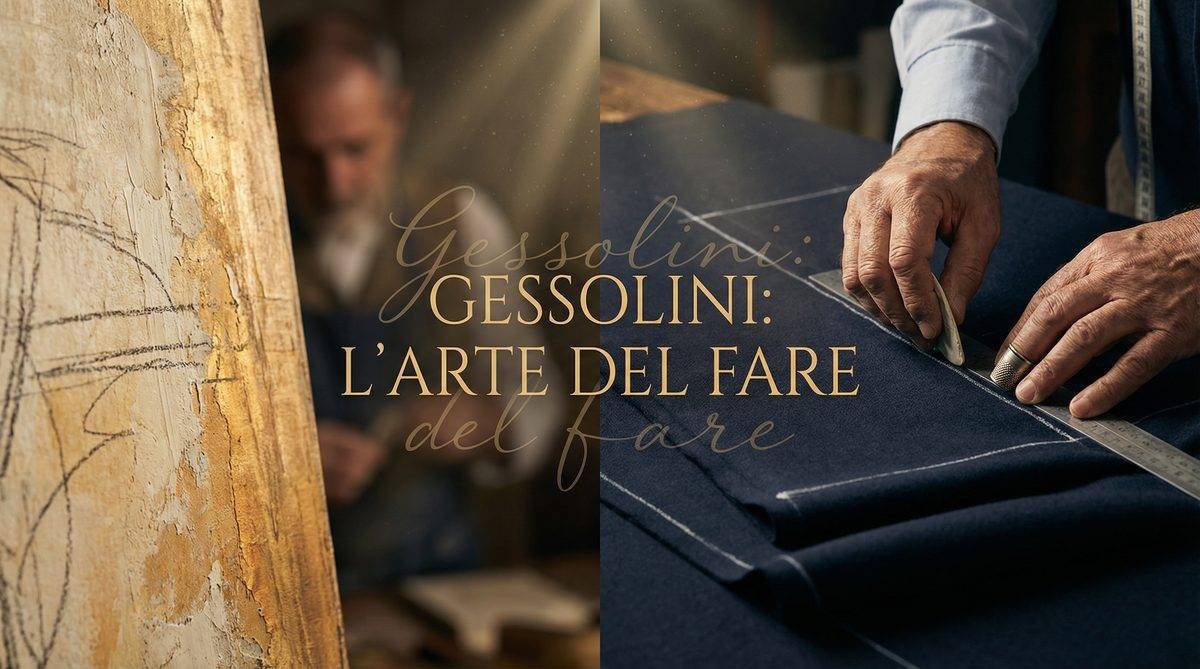
Is it a forgotten art, a master tailor’s secret, or a modern design philosophy? The word gessolini surfaces in niche corners of the internet, sparking curiosity but offering few clear answers. It feels ancient yet relevant, specific yet undefinable.
This guide provides the definitive explanation. Gessolini is not just one thing; it is a rich, multi-layered concept that weaves together the history of art, the tradition of Italian craftsmanship, and a modern pursuit of authenticity. Here, we unravel all three threads.
What is Gessolini? A Unified Definition
At its core, Gessolini is a term with three primary, interwoven meanings that have evolved over centuries. Understanding it requires looking beyond a single definition and embracing its multifaceted identity.
- As an Art Medium: It refers to a refined, plaster-based material, derived from Italian gesso, used to create durable, textured surfaces for painting and sculpture.
- As a Tailoring Tradition: It signifies a method of historical Italian tailoring that uses chalk-drawn patterns and expressive, symbolic stitching to build a garment.
- As a Design Philosophy: In modern terms, it represents a mindset that champions material intelligence, durability, and human mastery as an antidote to mass production.
The name itself comes from the Italian word gesso, meaning “chalk” or “plaster,” combined with the diminutive suffix -ini, loosely translating to “little chalks” or “little bits of plaster.” This origin perfectly captures its essence: a concept built from humble, fundamental materials and techniques.
The Historical Timeline of Gessolini
To truly grasp Gessolini, one must follow its journey through time. It did not appear overnight but evolved from ancient practices into a modern philosophy, adapting its meaning with each era.
| Period | Evolution of Gessolini | Cultural Context |
|---|---|---|
| Ancient Egypt & Rome | Proto-Gessolini: The use of gesso (gypsum and animal glue) to prime surfaces for frescoes and panel paintings. | Artisans sought smooth, durable foundations for art that would last millennia. |
| Italian Renaissance (14th–17th c.) | The Artist’s Medium: Gesso preparation becomes a codified art form. Gesso grosso (coarse) and gesso sottile (fine) are used to create flawless panels for tempera and oil painting. | Guilds and workshops like those of Cennino Cennini document and perfect the techniques. |
| 18th Century Italy | The Tailor’s Method: The term’s spirit transfers to tailoring. Master tailors in Tuscany and Emilia-Romagna use chalk (gesso) to draw patterns directly onto fabric, a practice known for its precision and artistry. | A shift from rigid military uniforms to expressive civilian clothing creates demand for artisanal skill. |
| 20th Century | Decline and Obscurity: Industrialization and mass production render both traditional gesso preparation and bespoke chalk-based tailoring nearly obsolete. | Speed and efficiency replace the slower, more deliberate methods of handcraft. |
| 21st Century | The Modern Revival: Gessolini is rediscovered as a philosophy. Designers, artists, and consumers seek authenticity, sustainability, and human connection in the things they make and own. | The rise of slow fashion, sustainable design, and a renewed appreciation for artisan goods gives the concept new life. |
The Three Faces of Gessolini
As an Artisan’s Material: The Soul of the Surface
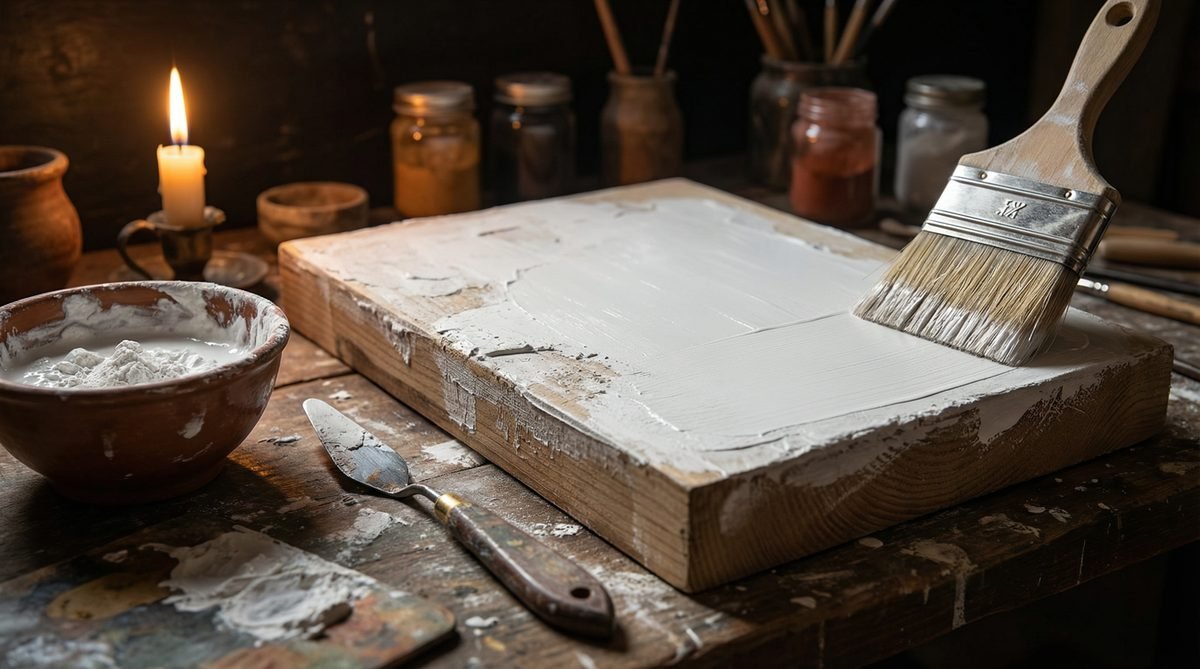
The first face of Gessolini is the material itself. Rooted in classical art, it is a specialized form of gesso, a primer made from a binder (traditionally animal glue) and a white pigment like chalk or gypsum (calcium carbonate). Unlike modern acrylic gessos, traditional Gessolini was a meticulous, multi-layered process.
Artisans would apply up to a dozen layers of this mixture to a wood panel or canvas, sanding each layer to a glass-like smoothness. This created a luminous, slightly absorbent ground that was perfect for the detailed brushwork of tempera and early oil painting. It wasn’t just a primer; it was the soul of the painting’s surface.
As a Tailor’s Method: The Story in the Seams
The second face of Gessolini is its expression in Italian tailoring. Here, the “little chalks” of its name become literal. Before a single cut was made, the master tailor would use chalk to draw the garment’s pattern directly onto the cloth. This freehand draftwork was a mark of skill and confidence.
This tradition went beyond mere patterns. It evolved to include ornamental stitching where seams were celebrated, not hidden, and symbolic embroidery that told a story. This approach treated clothing not as a disposable item, but as a durable, narrative object — a philosophy that directly informs the modern slow fashion movement.
As a Modern Philosophy: The Pursuit of Mastery
The third and most abstract face of Gessolini is its modern interpretation as a design philosophy. In a world saturated with fleeting trends and disposable goods, Gessolini represents a return to what is real, durable, and meaningful.
This philosophy is built on several core principles:
- Material Intelligence: A deep understanding of how materials work, behave, and age.
- Human Mastery: The irreplaceable value of skilled hands and practiced judgment.
- Authenticity: A focus on structural honesty over superficial aesthetics.
- Durability: Creating things that are meant to last, be repaired, and age with grace.
It is a quiet rebellion against the culture of immediacy, a belief that the best things are made with intention, patience, and skill.
Gessolini vs. The World: A Comparison of Craft Traditions
To better understand Gessolini, it helps to see it alongside other global philosophies that celebrate imperfection, mindfulness, and craftsmanship. While each is unique, they share a common spirit.
| Tradition | Origin | Core Principle | Primary Medium |
|---|---|---|---|
| Gessolini | Italy | Human Mastery & Durability: Creating enduring value through skill and material intelligence. | Plaster, Chalk, Textiles |
| Wabi-Sabi | Japan | Embracing Imperfection: Finding beauty in the transient, imperfect, and incomplete. | Ceramics, Natural Wood |
| Sashiko | Japan | Functional Beauty: The art of decorative reinforcement stitching to repair and strengthen textiles. | Indigo-dyed Cotton, Thread |
| Kintsugi | Japan | Golden Repair: Mending broken pottery with lacquer mixed with gold, highlighting cracks as part of the object’s history. | Ceramic, Lacquer, Gold |
| Hygge | Denmark | Cozy Contentment: Creating a warm, comfortable atmosphere and enjoying the good things in life. | Light, Textiles, Natural Materials |
How to Apply Gessolini Principles in Your Life
The philosophy of Gessolini is not just a historical curiosity; it is a practical guide for a more intentional life. You can apply its principles in your home, your wardrobe, and your work.
In Interior Design
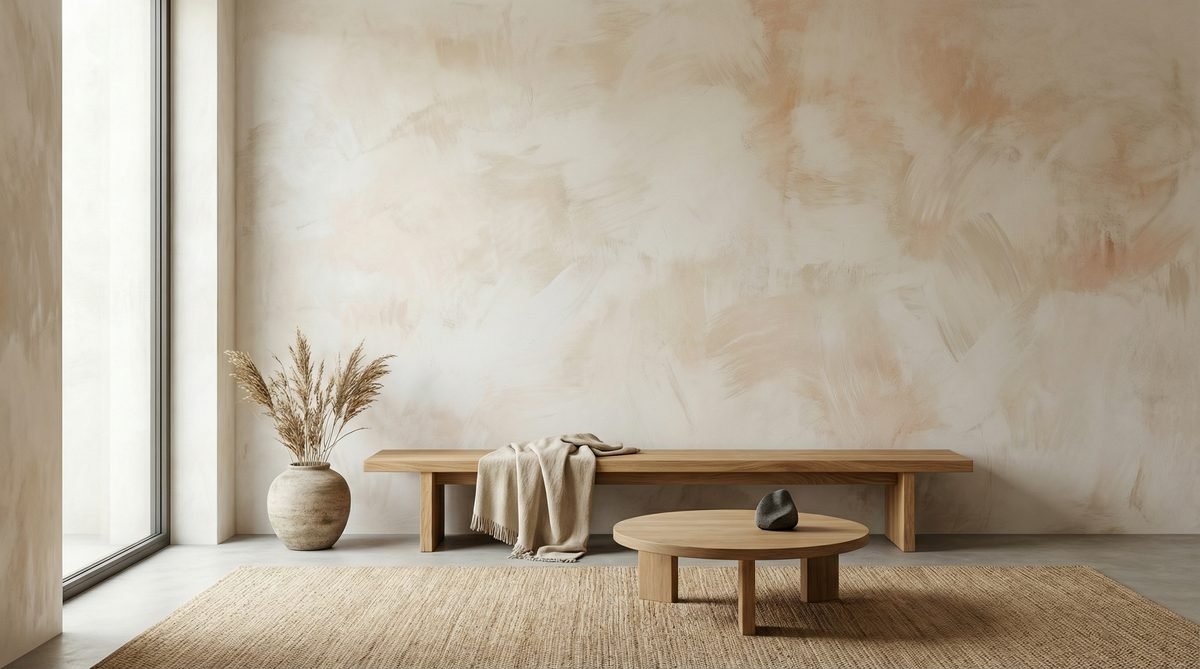
Forget fleeting trends and sterile, mass-produced decor. Applying Gessolini in your home means focusing on texture, craftsmanship, and timeless materials. Think of walls with the soft, breathable finish of Venetian plaster or lime wash. Choose handcrafted furniture where the joinery is celebrated, not hidden. Prioritize natural materials like wood, stone, and linen that age gracefully and tell a story.
In Fashion
Move beyond the endless cycle of fast fashion. A Gessolini-inspired wardrobe is built on the principles of slow fashion. This means investing in fewer, but better-made, pieces from artisans or brands that value quality. It means choosing garments where the craftsmanship is evident — in the stitching, the cut, and the fabric. It also means caring for your clothes, mending them when they tear, and seeing them as long-term companions rather than disposable items.
In Creative Work
In an age of digital distraction and constant pressure to produce, Gessolini offers a more grounded approach to creativity. It encourages a deep mastery of your tools, whether they are digital software or physical paintbrushes. It means prioritizing focused, deliberate practice over rushed output. It is about falling in love with the process itself, not just the final product, and creating work that has substance, integrity, and lasting value.
The Enduring Relevance of a Lost Craft
From a simple plaster primer to a rich design philosophy, the journey of Gessolini is a story about the enduring power of craftsmanship. It teaches us that the way we make things, and the intention we put into them, matters.
In a world that often prioritizes the temporary over the permanent, Gessolini offers a compelling alternative. It is a quiet call to return to a more grounded, authentic way of creating and living — one that values skill, honors materials, and builds things that are meant to last.
Frequently Asked Questions (FAQ)
What is the direct meaning of Gessolini?
Gessolini is a multifaceted term rooted in the Italian word “gesso” (chalk/plaster). It can refer to a traditional art medium, a historical tailoring method, or a modern design philosophy focused on craftsmanship and durability.
Is Gessolini a real Italian surname?
While possible, it is not a common Italian surname. Its primary significance is tied to craft and art history rather than genealogy.
What’s the main difference between Gessolini and regular gesso?
Traditional Gessolini refers to a meticulous, multi-layered process of applying a primer made from animal glue and chalk, creating a luminous, hard surface. Modern acrylic “gesso” is a more convenient, but fundamentally different, acrylic-based primer.
How is Gessolini used in fashion?
It refers to a historical Italian tailoring tradition that used chalk for pattern-making and celebrated craftsmanship through visible, ornamental stitching. Today, its principles influence the “slow fashion” movement, which prioritizes quality and durability.
What is the Gessolini design philosophy?
It is a modern mindset that values material intelligence, human mastery, authenticity, and longevity. It acts as a counterpoint to mass-produced, disposable goods, advocating for intentional and skillful creation.
Why is Gessolini considered a sustainable practice?
Its principles align with sustainability by promoting the creation of durable, long-lasting goods that can be repaired rather than replaced. This focus on quality over quantity inherently reduces waste.
Are there any famous brands that use the Gessolini name or principles?
While no major global brand is named Gessolini, many high-end artisan brands in fashion (like Brunello Cucinelli) and design embody its principles of craftsmanship, quality materials, and timeless style.
How can I incorporate Gessolini into my home decor?
You can embrace the Gessolini aesthetic by using textured wall finishes like Venetian plaster, choosing handcrafted furniture, and prioritizing natural, high-quality materials like linen, solid wood, and stone.