




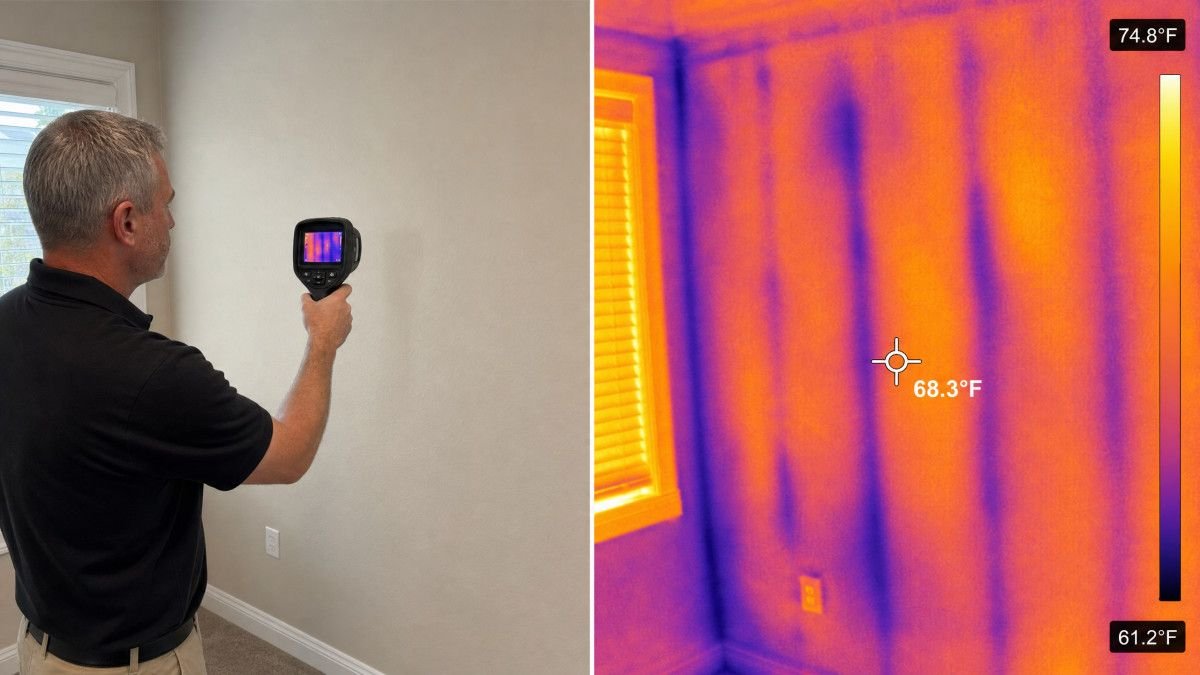
Streamline Property Management team says that proper insulation in walls plays a vital role in maintaining energy efficiency and creating a comfortable indoor environment throughout the year. Walls that are well insulated help retain heat during colder months and keep interiors cool during warmer seasons, directly impacting heating and cooling costs. Assessing wall insulation quality is a necessary task for homeowners and building professionals to ensure that the building envelope performs as intended. Without adequate insulation, energy loss can be significant, leading to higher utility bills and inconsistent temperatures inside the home.
Many homes, especially those constructed decades ago, may have insufficient or deteriorated insulation due to changes in building codes or wear over time. Detecting areas of missing or compressed insulation can be challenging without proper tools and techniques. Common symptoms such as cold drafts, hot spots on walls, or uneven room temperatures often signal problems within the wall cavities. By carefully examining these indicators and employing specific diagnostic methods, one can locate insulation deficiencies more precisely and plan necessary upgrades or repairs.
Various approaches are available to check the condition of wall insulation, ranging from simple manual tests to advanced thermal imaging technology. Each method offers unique advantages depending on the level of detail required and the invasiveness tolerated. Understanding these inspection techniques equips homeowners and contractors with the knowledge to identify insulation issues effectively, optimize energy usage, and improve indoor comfort. Investing time in proper evaluation can result in substantial long-term savings and enhanced building durability.
Signs of Inadequate Wall Insulation
Identifying signs of insufficient insulation is the first step to determining if walls need attention. Common symptoms include noticeably cold walls during winter and excessively warm walls in summer, both indicating poor thermal resistance. High energy bills compared to similar homes may also suggest that insulation is lacking or ineffective. Drafts felt near electrical outlets and switches on exterior walls frequently signal air leaks caused by missing insulation or gaps around these penetrations.
Uneven temperatures within rooms or between different rooms can reveal insulation inconsistencies. For example, one side of a room may feel colder or warmer, which happens when insulation is compressed or absent in localized areas. Recognizing these warning signs helps prioritize a more thorough inspection using specialized tools or professional services to quantify and locate insulation deficiencies accurately.
In addition to temperature inconsistencies, signs such as condensation on interior walls, mold growth, or peeling paint may also indicate inadequate insulation combined with moisture problems. These issues often result from cold spots where warm indoor air meets a cooler surface, causing moisture to condense and contribute to damage. Paying close attention to such indicators can help detect insulation problems before they lead to structural deterioration or health concerns.
Another subtle sign is discomfort experienced by occupants, such as feeling cold near certain walls despite heating systems running efficiently. This uneven comfort level often reflects poor insulation or air leakage. Observing these patterns over different seasons can provide valuable clues about the insulation’s effectiveness and whether further investigation is warranted.
Methods to Check Wall Insulation
Several methods exist to evaluate wall insulation, each varying in accuracy and invasiveness. Thermal imaging cameras are considered the most effective non-invasive technique, as they visually display heat variations on wall surfaces and reveal cold spots where insulation is missing or inadequate. This method can be performed quickly and provides clear evidence of problem areas without damaging walls.
The outlet plug test offers a simple alternative by removing the cover plate of an electrical outlet or switch on an exterior wall and feeling for drafts or cold air. This can indicate air leaks or insulation gaps behind the wall. More invasive methods include the drill test, where a small hole is drilled to probe inside the cavity with a wire or inspection camera. For a comprehensive assessment, professional energy audits combine these methods with blower door tests to measure overall building envelope efficiency.
In addition to these common approaches, infrared thermometers can be used to measure surface temperatures at various points on walls, helping to identify cold or warm spots suggestive of insulation deficiencies. While less detailed than thermal imaging, this tool can be a cost-effective option for preliminary screening. Some high-tech gadgets also allow remote sensing of insulation quality by analyzing temperature differentials over time, providing data for more informed decisions.
Another technique involves using smoke pencils or incense sticks near suspected leak areas to detect air movement caused by drafts, indirectly revealing places where insulation or air sealing is insufficient. Combining these methods with visual inspections of wall surfaces and interior finishes can improve the accuracy of insulation assessments. Depending on the complexity and goals, homeowners might opt for a combination of tests before choosing retrofit solutions.
Types of Wall Insulation and R-Values
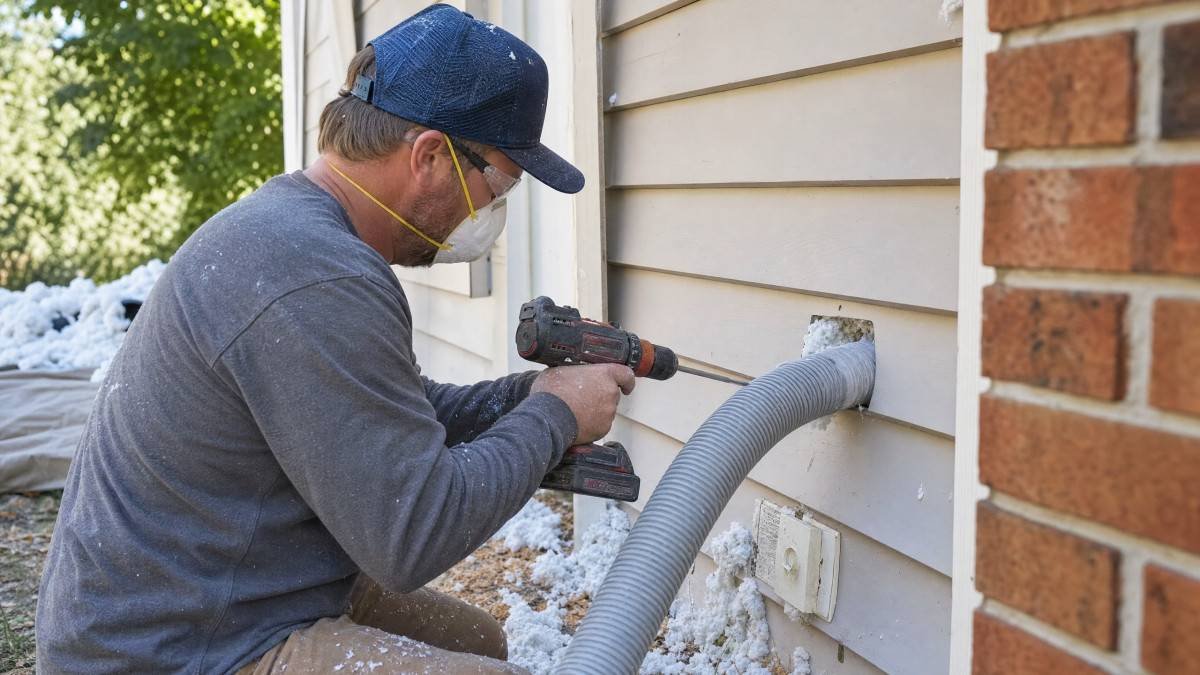
Wall insulation comes in various forms, each suited to different construction types and retrofit situations. Fiberglass batts are commonly installed during new construction due to their ease of placement between studs. Blown-in cellulose or fiberglass insulation is preferred for retrofitting existing walls because it can fill cavities through small holes. Spray foam insulation offers the highest R-value per inch and also seals air leaks, making it an excellent option for energy efficiency improvements. Rigid foam boards are typically applied on exterior walls during siding replacement or new construction.
The recommended insulation R-value depends on the climate zone. Most areas require values between R-13 and R-23 for exterior walls. For example, moderate climate zones typically need R-13 to R-15, while colder regions may require up to R-21 or higher. Selecting the appropriate insulation type and thickness ensures proper thermal resistance and reduces heat transfer through walls.
Each insulation type also differs in additional properties such as moisture resistance, fire retardancy, and soundproofing capabilities. Fiberglass batts are often treated to resist fire and pests, while cellulose is naturally fire-retardant due to its dense composition. Spray foam not only insulates but also acts as an air barrier, reducing infiltration and condensation risks. Considering these factors alongside R-values helps determine the best insulation choice tailored to building needs and environmental conditions.
The lifespan and maintenance requirements of insulation materials vary as well. Fiberglass and cellulose may settle or degrade over time, reducing effectiveness, whereas spray foam tends to retain its properties longer. Regular inspection and possible replenishment of insulation can maintain performance levels. Choosing durable materials suitable for the building’s exposure and climate ensures that insulation remains effective for years to come.
Comparison of Insulation Methods and Costs
Choosing the right insulation method depends on factors such as budget, existing wall conditions, and desired R-value. Considering retrofit versus new construction options is essential for effective decision-making. Below is a comparison table summarizing common insulation types, typical R-values, installation difficulty, and approximate costs for average-sized homes.
| Insulation Type | Typical R-Value per Inch | Installation Method | Approximate Cost (Average Home) | Advantages |
|---|---|---|---|---|
| Fiberglass Batts | 2.9 – 3.8 | Installed between studs during new construction | $500 – $1,200 | Cost-effective; easy to install |
| Blown-In Cellulose | 3.2 – 3.8 | Blown into wall cavities via small holes (retrofit) | $1,000 – $2,500 | Good coverage; effective retrofits |
| Blown-In Fiberglass | 2.6 – 3.9 | Blown into cavities for retrofit | $1,000 – $2,300 | Non-combustible; resistant to moisture |
| Spray Foam (Closed Cell) | 6.0 – 7.0 | Sprayed inside cavities; air sealing included | $2,000 – $4,500 | Highest R-value; air and moisture barrier |
| Rigid Foam Board | 3.8 – 5.0 | Applied to exterior walls under siding | $1,500 – $3,000 | Continuous insulation; moisture resistant |
While cost is an important consideration, the long-term energy savings and comfort improvements provided by higher-performance insulation often justify the initial investment. For instance, spray foam’s higher upfront cost can be offset by its superior air sealing capabilities, reducing heating and cooling loads significantly. Homeowners should weigh installation complexity and potential disruptions alongside budget constraints when selecting insulation.
In some cases, combining insulation types can optimize cost and performance. For example, installing fiberglass batts combined with rigid foam exterior sheathing can achieve better overall results than relying on a single product. Additionally, incentive programs and rebates offered by utility providers or governments may help offset retrofit expenses, making higher-grade insulation more affordable. Consulting with insulation professionals can help tailor solutions to specific building conditions and financial considerations.
Best Practices for Maintaining and Improving Wall Insulation
Maintaining proper wall insulation begins with ensuring correct installation during construction or renovation. Using recommended R-values and choosing insulation materials suitable for the local climate are essential steps. Sealing air leaks around electrical outlets, switches, and other wall penetrations helps prevent drafts that reduce insulation effectiveness. Installing insulated outlet covers can also improve thermal performance.
For existing homes, retrofitting with blown-in insulation or injection foam is often the most practical solution. Exterior rigid foam board can be added during siding replacement to enhance insulation continuously. Regular inspections for signs of settling, moisture intrusion, or damage allow timely repairs that maintain insulation integrity and prevent energy losses over time.
Attention to moisture control is critical when maintaining wall insulation. Moisture intrusion can degrade insulation materials and reduce their effectiveness, potentially leading to mold growth and structural damage. Proper vapor barriers and ventilation strategies should accompany insulation upgrades to ensure long-term durability. Addressing sources of leaks such as roof, window, or plumbing issues is also integral to preserving insulation performance.
Another key practice is to periodically check insulation after major home improvements or natural events like flooding or storms. These occurrences can compromise insulation integrity unexpectedly. Homeowners should keep documentation of insulation type and installation details to facilitate future assessments. Engaging qualified contractors for routine maintenance and upgrades helps maintain efficiency and comply with evolving building standards.
Frequently Asked Questions About Checking Wall Insulation
How can I check wall insulation without a thermal imaging camera?
Without a thermal camera, you can perform an outlet plug test by removing the cover plate on an exterior wall outlet or switch and feeling for cold air or drafts. Additionally, feeling wall surfaces during cold weather can reveal colder spots indicating missing insulation. Observing uneven room temperatures and checking for drafts near windows and doors also provides clues about insulation quality. Using an infrared thermometer to measure surface temperatures at different points can further assist in detecting problem areas.
What is the best insulation method for retrofitting existing walls?
Blown-in cellulose or fiberglass insulation is typically the best retrofit option. These materials can be inserted into wall cavities through small holes drilled in interior or exterior walls, filling voids and improving thermal resistance without major demolition. Injection foam is another option but is usually more expensive and requires professional installation. The choice depends on factors such as cavity accessibility, budget, and desired air sealing performance.
What R-value is needed for proper wall insulation?
Recommended R-values vary by climate zone, but most exterior walls require between R-13 and R-21. Moderate climates may need R-13 to R-15, while colder climates often require higher values up to R-21 or more. Following local building codes and guidelines ensures adequate thermal protection for the specific environment. Consulting with insulation specialists or energy auditors can help determine the optimal R-value for a particular home.
Should I check wall insulation myself or hire a professional?
Basic tests like feeling for drafts or outlet plug tests can be done by homeowners. However, thermal imaging and comprehensive energy audits usually require specialized equipment and expertise, so hiring a professional is recommended for accurate assessment and effective retrofit recommendations. Professional installers can also ensure proper application of blown-in or spray foam insulation, minimizing risks of gaps or uneven coverage.
How much does it cost to retrofit wall insulation?
Retrofitting wall insulation with blown-in cellulose or fiberglass typically costs between one thousand and two thousand five hundred dollars for an average-sized home. Prices vary based on the home’s size, wall accessibility, and insulation type. Spray foam retrofits tend to be more expensive, while fiberglass batts are usually less costly but not suitable for retrofits. It’s advisable to obtain multiple quotes and consider long-term energy savings when budgeting for insulation upgrades.
Conclusion
Checking for proper insulation in walls is crucial for maintaining energy efficiency, reducing utility bills, and ensuring comfortable living conditions year-round. Recognizing signs of inadequate insulation and applying appropriate inspection methods helps determine where improvements are necessary. Thermal imaging remains the most accurate non-invasive tool, while simpler tests like outlet plug checks can provide preliminary insights. Timely identification of insulation problems prevents further damage and prepares the home for effective retrofit solutions.
Choosing the right insulation type and R-value based on local climate and construction conditions is essential for optimal performance. Retrofitting with blown-in insulation or spray foam can significantly enhance wall thermal resistance. Regular maintenance and sealing air leaks complement insulation upgrades to sustain a well-insulated and energy-efficient home. By investing in proper insulation assessment and improvement, homeowners can enjoy enhanced comfort, lower energy costs, and increased property value over time.