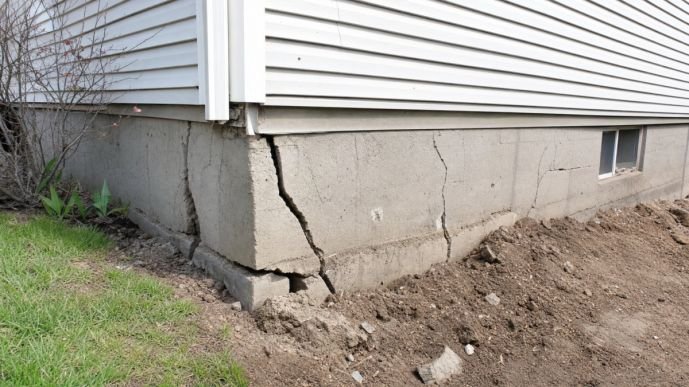




As noted by Spectrum Realty Services Duval County, roof leaks represent one of the most common and costly issues homeowners face, often remaining hidden until significant damage has occurred. Early detection of leaks can save thousands of dollars by preventing water from seeping into the structure, damaging insulation, drywall, and even electrical wiring. Moisture intrusion can also create an environment conducive to mold growth, which poses health risks and further repairs. Understanding how to spot early warning signs is critical for maintaining a safe, dry, and comfortable home environment.
Many factors contribute to roof leaks, including weather conditions, roof age, and improper installation or repairs. While some leaks are obvious, others develop slowly and silently, making regular inspection vital. Homeowners should be vigilant for subtle clues such as faint water stains, musty odors, or even increased energy bills due to compromised insulation. Maintaining a proactive approach to roof care often pays off by extending the life of the roofing system and protecting the entire home structure.
In addition to visual signs, technological tools such as moisture meters and infrared cameras can aid in identifying hidden leaks, especially in large or complex roofing systems. Though professional inspections are recommended periodically, homeowners can perform routine checks to catch problems early. By understanding common leak causes and their manifestations, homeowners are better equipped to seek timely repairs or preventive measures, ultimately safeguarding their investment and the comfort of their living space.
Common Signs of a Leaky Roof
Identifying a leaky roof early often depends on recognizing visible and olfactory signs indicating moisture intrusion. Water stains appearing on ceilings or walls are a primary symptom of roof leaks, especially when they appear after rainfall or snowmelt. These stains typically manifest as discoloration or bubbling paint and may increase in size if the leak persists.
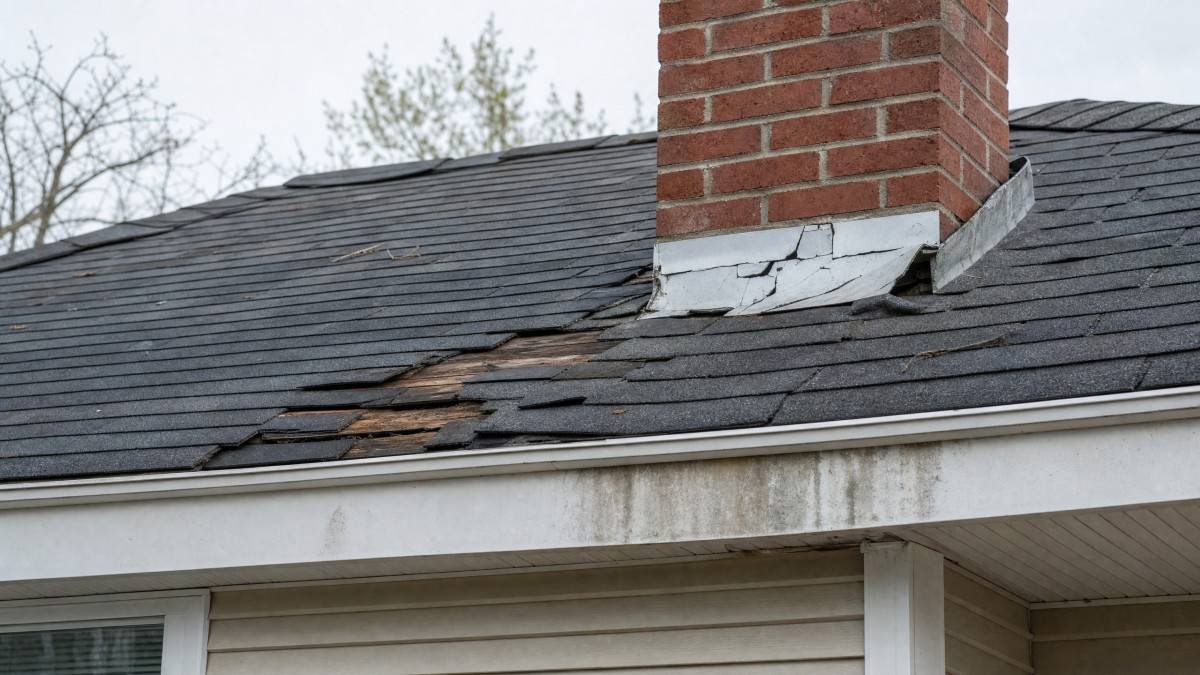
Additional indicators include missing, cracked, or curling shingles, which compromise the roof’s protective barrier. Damaged or missing flashing, especially near chimneys, skylights, and vents, also allows water to seep beneath the roofing layers. The presence of granules in gutters, particularly from asphalt shingles, signals deteriorating roof material. A musty or moldy odor inside the home often points to hidden moisture problems. In some cases, sagging roof decking or an uneven roofline highlights structural damage caused by prolonged water exposure.
Sometimes, homeowners may notice peeling or blistering paint on interior walls near the roofline, which is another subtle sign of water intrusion. Additionally, ceiling drywall that feels soft or spongy to the touch indicates prolonged moisture exposure, requiring immediate attention. Fungi or moss growth on shingles can also trap moisture and accelerate deterioration, leading to leaks. Recognizing these signs early can prevent damage from spreading to insulation, electrical systems, and the home’s framing.
In colder climates, ice dams forming along roof edges may cause water to back up under shingles, leading to leaks inside the attic or upper floors. Observing frost or ice buildup in unusual places can be a warning sign of insufficient attic insulation or ventilation, which indirectly contributes to roof leaks. Homeowners should also be alert for increased pest activity, as insects and rodents often exploit moist, damaged areas to enter the home, compounding repair costs.
Inspection Methods for Detecting Roof Leaks
Effective roof leak detection involves thorough exterior and interior inspections. Exterior inspection requires walking the perimeter of the home and closely examining the roof surface for damaged or missing shingles, cracked or poorly sealed flashing, and clogged gutters. Special attention should be paid to roof valleys, chimney bases, and skylight edges, as these areas are prone to water infiltration.
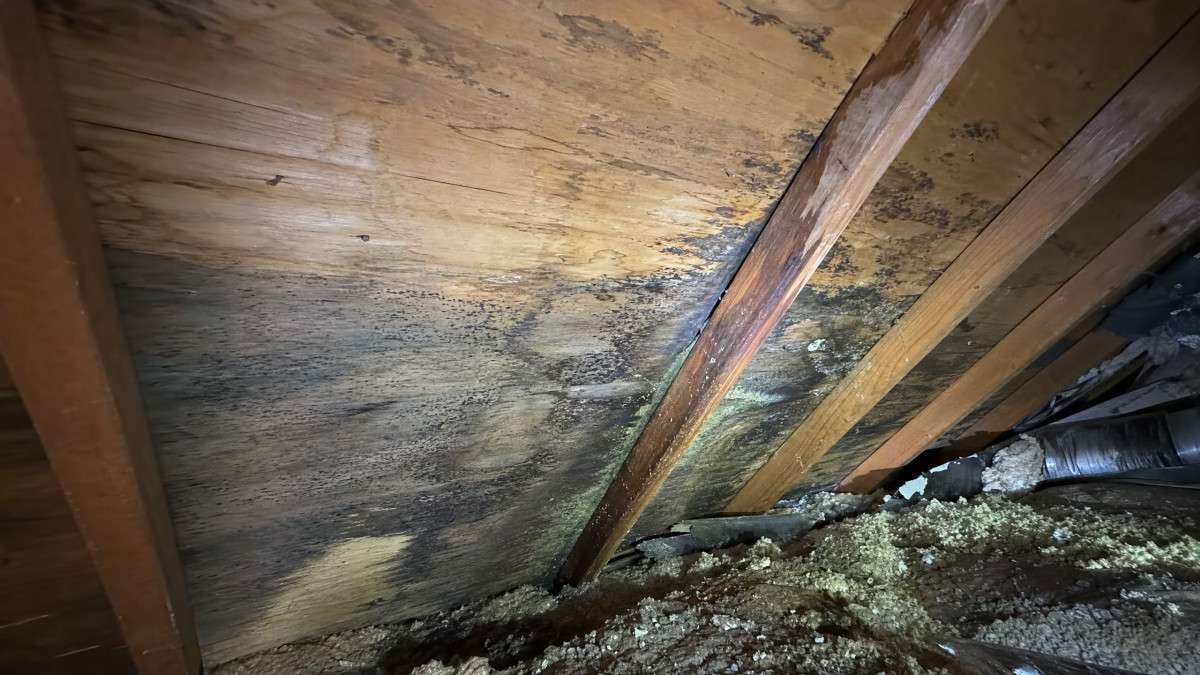
Interior inspection is equally important, especially after rainfall. Checking the attic for active drips or wet insulation can help pinpoint leak locations. Water stains on the sheathing and rafters are indicators of moisture penetration. Additionally, monitoring for signs of mold or mildew in the attic space provides clues to ongoing leaks. Using a flashlight during inspection can reveal daylight shining through roof gaps, which confirms breaches in roofing materials.
In addition to visual inspections, utilizing tools such as moisture meters can quantify the level of dampness in roof sheathing and insulation, helping to locate hidden leaks. Infrared thermography is another advanced technique that detects temperature differences caused by moisture, revealing problem spots not visible to the naked eye. Roof inspectors often combine these methods with careful observation to provide a comprehensive assessment of leak risks and damage extent.
Safety precautions are essential when conducting roof inspections. Homeowners should avoid walking on steep or wet roofs to prevent falls or further damage. Using binoculars from the ground or a safe vantage point can help identify obvious problems. Hiring professional roofers or inspectors equipped with the proper tools and experience is advisable for detailed assessments, especially for large or complex roofing systems. Prompt detection through thorough inspection methods can significantly reduce repair costs and preserve the home’s structural integrity.
Common Causes of Roof Leaks
Roof leaks arise from a variety of causes, often related to the roof’s age, weather damage, and maintenance issues. Aging shingles naturally lose their protective granules and flexibility, making them more susceptible to cracking and breakage. Damaged or improperly installed flashing around roof penetrations is a frequent cause of water intrusion, as these components are designed to direct water away from vulnerable areas.
Clogged gutters can lead to ice dam formation during cold weather, forcing water to back up beneath shingles. Storm damage, such as wind-blown debris or hail impact, can dislodge shingles or damage flashing. Tree branches rubbing against the roof surface or falling during storms also contribute to leaks. Improper installation during roof replacement or repair may leave seams unsealed or flashing inadequately secured, resulting in persistent leaks.
Another common cause of roof leaks is poor attic ventilation, which can cause excessive heat and moisture buildup under roofing materials. This environment accelerates shingle deterioration and may warp wooden decking, allowing water to penetrate. Roof valleys, where two roof planes intersect, are particularly vulnerable due to the large volumes of water they channel. If these areas are not properly sealed or maintained, leaks are likely to develop over time.
Additionally, chimneys and skylights often present leak risks when their flashings become cracked or corroded. The flashing is critical in creating a watertight seal between the roof and these penetrations. Over time, expansion and contraction from temperature fluctuations can cause flashing to loosen or separate. Failure to address these issues promptly leads to water infiltration and damage beneath the roofing layers, highlighting the importance of routine checks around these features.
Roof Leak Repair Options and Costs
Repairing a leaky roof depends on the severity and source of the leak. Minor repairs often involve replacing a few damaged or missing shingles and resealing or replacing flashing. Temporary fixes such as applying roofing cement can stop leaks until professional repairs can be made. In cases where the roof decking has rotted due to prolonged water exposure, replacement of affected decking is necessary to restore structural integrity.
Costs for roof leak repairs vary widely based on the extent of damage and materials used. Minor repairs typically range from one hundred fifty to four hundred dollars, while major repairs involving structural replacement or extensive flashing work can exceed one thousand dollars. Choosing appropriate repair methods and materials is essential for long-term leak prevention and roof durability.
| Repair Type | Typical Cost Range | Repair Scope | Longevity |
|---|---|---|---|
| Shingle Replacement | $150 – $350 | Replace missing or damaged shingles | 5 – 10 years |
| Flashing Repair/Replacement | $300 – $800 | Reseal or replace damaged flashing | 10 – 20 years |
| Roof Deck Replacement | $1,000 – $3,000+ | Replace rotted decking | 20+ years |
| Temporary Patch (Roofing Cement) | $50 – $150 | Short-term leak stopgap | Months |
When considering repairs, the choice between a temporary patch and a full replacement depends on the leak’s urgency and the roof’s overall condition. Temporary solutions can provide relief during emergencies but generally do not address underlying issues. Professional roofers recommend comprehensive repairs or partial reroofing when damage is extensive to prevent recurring problems. Additionally, using high-quality materials and experienced contractors can improve repair longevity and reduce future maintenance needs.
Insurance coverage and warranties may also influence repair decisions. Some homeowner policies cover storm damage repairs but exclude wear-related leaks. Understanding these details helps in budgeting for repairs. Regular maintenance paired with timely repairs can optimize roof performance, preserve property value, and avoid unexpected expenses.
Preventing Roof Leaks Through Maintenance
Preventative maintenance is critical for minimizing the risk of roof leaks and extending the roof’s lifespan. Annual roof inspections help identify early signs of wear or damage before leaks develop. Cleaning gutters at least twice a year prevents water backup and ice dam formation, which can compromise roof integrity. Trimming overhanging tree branches reduces the chance of physical damage from rubbing or falling limbs.
After major storms, inspecting the roof for missing shingles, damaged flashing, or debris is necessary to catch problems early. Proper attic ventilation also plays a vital role in preventing moisture buildup that can weaken roofing materials from the inside. Consistent maintenance routines reduce the likelihood of costly water damage and improve overall home protection.
Maintaining a clean roof surface by removing moss, algae, and debris prevents moisture retention and material degradation. Applying roof treatments or sealants can add an extra layer of protection against harsh weather conditions. Homeowners should also ensure that attic insulation is adequate and properly installed, as this helps regulate temperature and reduces ice dam formation in colder climates. Scheduling routine inspections by certified roofing professionals can catch subtle issues that might be missed during casual checks.
Investing time and effort into preventative care not only extends the roof’s functional life but also enhances energy efficiency by maintaining proper thermal barriers. Well-maintained roofs contribute to lower heating and cooling costs and reduce the risk of interior damage from leaks. Establishing a regular maintenance schedule is a proactive approach that safeguards the home and reduces unexpected repair expenses.
Frequently Asked Questions About Leaky Roofs
How long do roofs typically last?
The lifespan of a roof depends on the material used. Asphalt shingles generally last between 20 and 30 years, metal roofs can endure 40 to 70 years, and tile roofs often exceed 50 years. Proper maintenance and environmental factors also influence longevity.
How can I find the source of a roof leak?
Locating a roof leak involves tracing water stains uphill from the visible damage. Inspecting flashing around chimneys, skylights, and vents is a priority since these are common leak entry points. Checking the attic for daylight or active drips can help identify the precise location.
Can I do roof leak repairs myself?
Minor repairs such as replacing a few shingles can be done by homeowners with proper safety precautions. However, flashing repairs and major structural fixes require professional expertise to ensure a lasting and watertight seal.
Does insurance cover roof leak repairs?
Homeowners insurance typically covers sudden and accidental damage from storms but does not cover leaks due to gradual wear and tear or lack of maintenance. Reviewing policy details is essential for understanding coverage limits.
What are the typical costs of roof leak repair?
Costs vary widely depending on repair scope. Minor repairs range from approximately $150 to $400, while extensive repairs involving decking replacement or flashing can cost over $1,000. Temporary patches are less expensive but only provide short-term solutions.
How can regular maintenance help prevent roof leaks?
Regular maintenance helps identify and address minor issues before they develop into major leaks. Cleaning gutters, inspecting flashing, and trimming tree branches reduce common causes of roof damage. Maintaining proper attic ventilation and insulation also helps prevent moisture buildup that can lead to leaks.
Conclusion
Identifying signs of a leaky roof early is essential in preventing severe water damage and costly repairs. Observing indicators such as water stains, damaged shingles, and faulty flashing allows homeowners to address problems before they escalate. Regular inspections and maintenance help prolong the roof’s life and protect the home’s structural integrity.
Understanding the common causes of leaks and available repair options empowers informed decisions to maintain a safe and dry home environment. Timely intervention combined with preventative care reduces the risk of mold, rot, and other serious issues associated with roof leaks.