



Retaining walls are the unsung heroes of landscape architecture, providing both structural integrity and visual appeal to sloped properties. Whether you are dealing with a steep incline or simply want to add some dimension to your garden, the right retaining wall ideas can transform a problematic slope into a functional and stunning outdoor feature. From natural stone boulders to sleek, modern concrete blocks, the options for designing a retaining wall are virtually limitless. This guide explores the most effective materials and styles to help you choose the best solution for your home’s unique terrain.
Natural Stone and Boulder Retaining Wall Designs
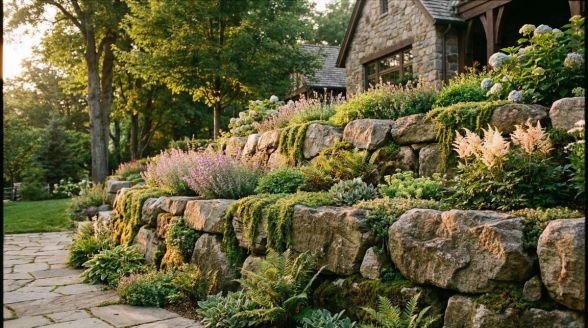
Natural stone retaining walls offer a timeless, organic aesthetic that blends seamlessly with the surrounding landscape. By using locally sourced fieldstone, flagstone, or large boulders, homeowners can create a durable structure that looks like it has always been part of the earth. These walls are particularly effective for rustic or traditional garden designs where a soft, natural look is preferred over rigid, manufactured materials.
According to the National Concrete Masonry Association (2024), natural stone walls, when properly constructed, can last for decades while providing excellent resistance to environmental stressors. One of the primary advantages of using natural stone is the variety of textures and colors available, allowing for a truly customized appearance. You can choose between a dry-stack method, which relies on gravity and precision placement, or a mortared approach for a more formal and permanent structure.
Dry-stack stone walls are a favorite among DIY enthusiasts and professional landscapers alike because they allow for natural drainage through the gaps between stones. This “weeping” effect prevents hydrostatic pressure from building up behind the wall, which is a common cause of wall failure in more rigid designs. For those seeking a more polished look, mortared stone walls provide a clean, solid finish that can incorporate intricate patterns and even integrated seating or lighting.
| Feature | Dry-Stack Stone | Mortared Stone |
|---|---|---|
| Aesthetic | Rustic, Natural | Formal, Polished |
| Drainage | Excellent (Natural) | Requires Weep Holes |
| Durability | High (Flexible) | Very High (Rigid) |
| Cost | Moderate | High (Labor Intensive) |
When selecting stones for your wall, consider the scale of your landscape. Large, rugged boulders are ideal for expansive properties with significant elevation changes, as they provide a sense of grandeur and strength. Smaller fieldstones or flat flagstones are better suited for intimate garden borders or low-profile terracing. Regardless of the stone type, ensuring a solid foundation of compacted gravel is essential for long-term stability and performance.
Modern Concrete and Block Retaining Wall Solutions
Modern concrete and block retaining walls provide a sleek, contemporary look for any outdoor space. By using segmental retaining wall (SRW) systems, homeowners can achieve a professional and durable finish that is both functional and visually appealing. These systems are designed to be easy to install and offer a wide range of colors and textures to match any architectural style.
According to the National Concrete Masonry Association (2024), segmental retaining wall blocks are engineered to provide maximum strength and stability for a variety of landscape applications. One of the primary advantages of using concrete blocks is the ability to create curved or straight walls with ease, allowing for a truly customized design. You can also choose between a traditional smooth finish or a more textured, natural stone-like appearance.
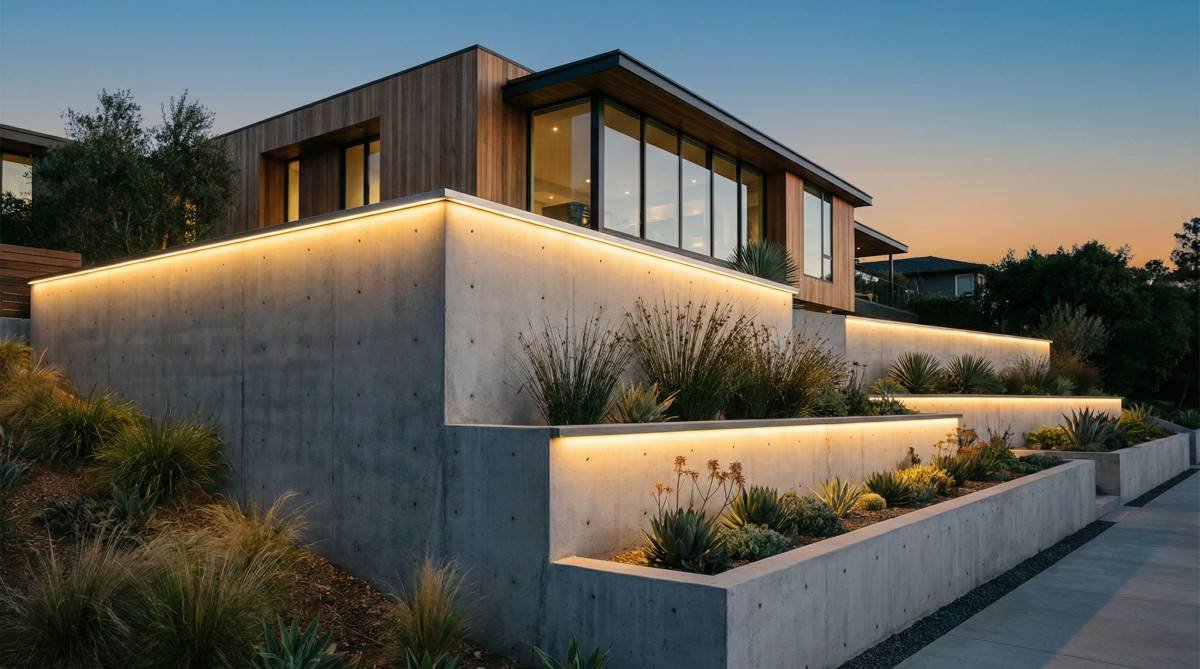
For those seeking a more modern and minimalist look, poured concrete walls offer a clean, seamless finish that can be customized with a variety of stains or textures. These walls are particularly effective for contemporary garden designs where a sleek, industrial aesthetic is preferred. You can also incorporate integrated lighting or seating into the design for added functionality and style.
Innovative Wood and Timber Retaining Wall Ideas
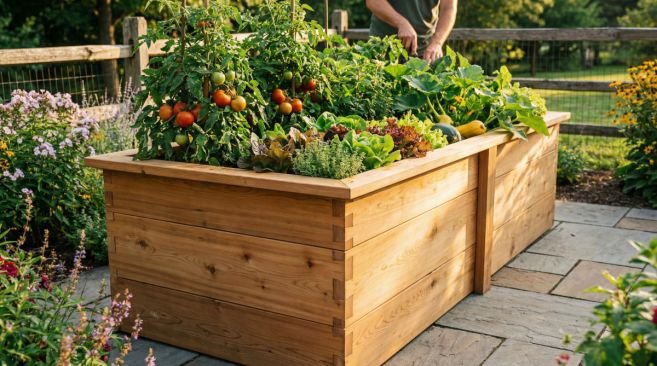
Wood and timber retaining walls offer a warm, natural aesthetic that is both affordable and easy to install. By using pressure-treated timber, cedar, or reclaimed railway sleepers, homeowners can create a rustic and charming look for their garden or backyard. These walls are particularly effective for low-profile terracing or small garden borders where a more natural look is preferred.
According to the American Wood Council (2024), pressure-treated timber is a popular choice for retaining walls due to its durability and resistance to rot and insect damage. One of the primary advantages of using wood is the ability to easily cut and shape the material to fit any landscape design. You can also choose between a variety of wood species and finishes to match your home’s exterior.
For those seeking a more sustainable and eco-friendly option, reclaimed railway sleepers or locally sourced cedar are excellent choices for a natural and rustic look. These materials provide a unique and weathered appearance that adds character and charm to any outdoor space. You can also incorporate integrated planting beds or seating into the design for added functionality and style.
When selecting wood for your retaining wall, it’s important to consider the longevity and maintenance requirements of the material. While wood is more affordable than stone or concrete, it may require regular treatment or replacement over time. Ensuring proper drainage and a solid foundation of compacted gravel is also essential for long-term stability and performance.
Functional Retaining Walls for Sloped Yards and Drainage
Functional retaining walls for sloped yards and drainage provide a practical solution for homeowners with steep or uneven terrain. By using terracing techniques, you can create a series of level areas that are both functional and visually appealing. These walls are particularly effective for preventing soil erosion and managing water runoff in your garden or backyard.
According to the American Society of Civil Engineers (2024), properly designed retaining walls are essential for managing hydrostatic pressure and preventing wall failure in sloped areas. One of the primary advantages of using terracing is the ability to create multiple levels of planting beds or seating areas, adding variety and interest to your outdoor space. You can also choose between a variety of materials and styles to match your home’s exterior.
For those seeking a more functional and practical solution, integrating French drains or weep holes into the design is essential for managing water runoff and preventing hydrostatic pressure from building up behind the wall. These features are particularly effective for properties with significant elevation changes or heavy rainfall. You can also incorporate integrated lighting or seating into the design for added functionality and style.
When designing a retaining wall for a sloped yard, it’s important to consider the scale and height of the wall. Large, high walls may require professional engineering and permits, while low-profile terracing can be easily completed as a DIY project. Ensuring a solid foundation of compacted gravel and proper drainage is also essential for long-term stability and performance.
Frequently Asked Questions (FAQ)
What is the cheapest option for retaining walls?
The cheapest option for a retaining wall is typically a wooden structure made from pressure-treated timber or reclaimed railway sleepers. These materials are affordable and easy to install, making them a popular choice for budget-conscious homeowners. However, it’s important to consider the longevity and maintenance requirements of wood compared to stone or concrete.
What is the cheapest type of retaining wall to build?
A dry-stack stone wall or a simple timber wall is often the cheapest type of retaining wall to build as a DIY project. These designs rely on gravity and precision placement, eliminating the need for expensive mortar or professional installation. By using locally sourced materials, you can further reduce the cost of your project.
What are the 7 common mistakes made when installing retaining wall blocks?
Common mistakes include failing to provide a solid foundation, neglecting proper drainage, not backfilling with gravel, ignoring hydrostatic pressure, using incorrect block sizes, failing to level the base, and not following manufacturer instructions. Avoiding these errors is essential for ensuring the long-term stability and performance of your wall.
What is the basic rule of retaining wall design?
The basic rule of retaining wall design is to ensure that the wall is strong enough to resist the lateral pressure of the soil behind it. This involves choosing the right materials, providing a solid foundation, and incorporating proper drainage features. For walls over four feet in height, it’s also important to consult with a professional engineer.
Do I need a permit for a retaining wall?
Whether or not you need a permit for a retaining wall depends on the height and location of the structure. In many jurisdictions, walls over four feet in height require a permit and professional engineering. It’s always best to check with your local building department before starting your project.
How long do retaining walls last?
The longevity of a retaining wall depends on the materials used and the quality of the construction. Natural stone and concrete walls can last for decades with proper maintenance, while wooden walls may require replacement every 10 to 15 years. Ensuring proper drainage and a solid foundation is essential for maximizing the lifespan of your wall.
Can I build a retaining wall myself?
Yes, many low-profile retaining walls can be built as a DIY project. However, it’s important to research the materials and construction techniques required for your specific design. For larger or more complex walls, it’s always best to consult with a professional landscaper or engineer.
Conclusion
In conclusion, the right retaining wall ideas can transform your sloped yard into a functional and stunning outdoor space. Whether you choose natural stone, modern concrete, or rustic wood, each material offers unique benefits and aesthetic appeal. By considering the scale, height, and drainage requirements of your landscape, you can create a durable and beautiful structure that enhances your home’s curb appeal for years to come.