




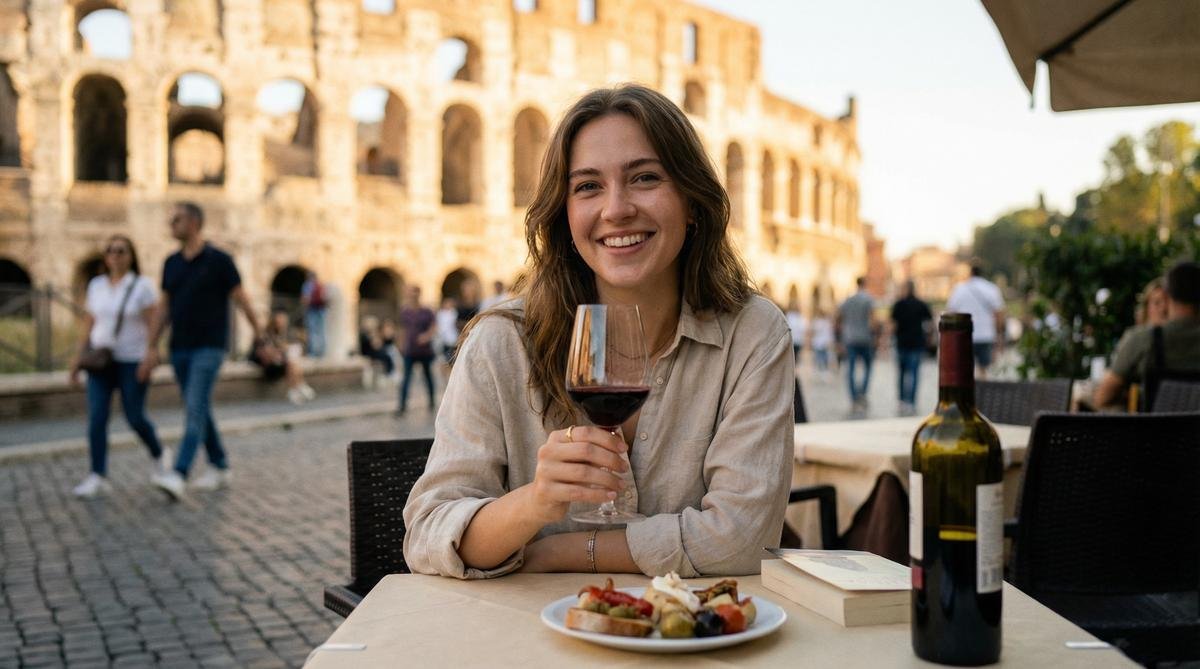
Did you know that while you can’t legally purchase a glass of wine in Italy until you’re 18, the country’s approach to alcohol is worlds away from the strict, clear-cut rules you might be used to? For travelers, especially those from the US, navigating this relaxed but nuanced culture can be confusing. This guide provides a comprehensive look at Italy’s drinking age, the laws behind it, and the unwritten social rules that truly define the nation’s relationship with alcohol.
What is the Official Drinking Age in Italy?
The straightforward answer is 18. This is the legal minimum age to purchase alcohol in Italy. If you’re under 18, it is illegal for any establishment—be it a supermarket, bar, or restaurant—to sell you an alcoholic beverage.
This hasn’t always been the case. The age was raised from 16 to 18 in 2012 with the introduction of Law n. 189/2012, often referred to as the “Balduzzi Law.” This legislative change, driven by former Health Minister Renato Balduzzi, aimed to curb rising concerns about youth binge drinking and align Italy’s regulations more closely with those of its European neighbors.
The Law vs. Reality: How Strictly is the Age Limit Enforced?
While the law is clear, its application on the ground is often more flexible. Unlike in the United States, where rigorous ID checks are standard practice, enforcement in Italy can feel inconsistent. It is not uncommon for a 16 or 17-year-old to be served a drink, particularly if they are with their family during a meal.
This reflects a deep-seated cultural perspective where alcohol, especially wine, is viewed as a component of a meal rather than a means to intoxication. As one local writer from Eating Around Italy notes, because alcohol is normalized from a young age, “drinking large amounts, hazing with alcohol and getting black out drunk doesn’t happen in Italy like it does in America.” The focus is on moderation and education, not prohibition.
A Guide to Italian Alcohol Laws & Penalties
Understanding the specific rules can help you avoid any potential trouble. The penalties primarily target the seller or server, not the minor consuming the alcohol.
| Offense | Law & Penalty |
|---|---|
| Selling Alcohol to a Minor (Under 18) | A fine ranging from €250 to €1,000. For repeat offenders, the fine increases to €500–€2,000, and the establishment’s license can be suspended for three months. |
| Serving Alcohol to a Minor (Under 16) | This is a criminal offense. The server can face up to one year in prison. |
| Public Consumption | Generally, drinking in public spaces like streets and squares is prohibited. However, it is perfectly acceptable to enjoy a drink at an outdoor table of a licensed bar or restaurant. |
| City-Specific Curfews | Major tourist cities have implemented their own restrictions. In Rome and Florence, for example, there are bans on public alcohol consumption after certain hours in popular nightlife areas. Always look for local signage. |
Driving in Italy: Understanding the Strict BAC Limits
This is one area where Italian law is enforced with zero flexibility, and the rules are crucial for any traveler planning to rent a car. Italy’s Blood Alcohol Content (BAC) limits are stricter than in many other countries.
For most drivers, the legal BAC limit is 0.05%. However, there is a zero-tolerance policy (0.00% BAC) for drivers under the age of 21, and for those who have held their license for less than three years. Given the severe penalties for driving under the influence, the safest approach is to avoid alcohol entirely if you plan to drive.
Italy’s Drinking Culture: More Than Just an Age Limit

To truly understand Italy’s drinking age, you must look beyond the laws to the culture. Drinking is deeply intertwined with food and socializing. It is a marathon, not a sprint. The day often begins with a cappuccino, transitions to a glass of wine with lunch, perhaps an aperitivo in the evening, and ends with a digestivo after dinner.
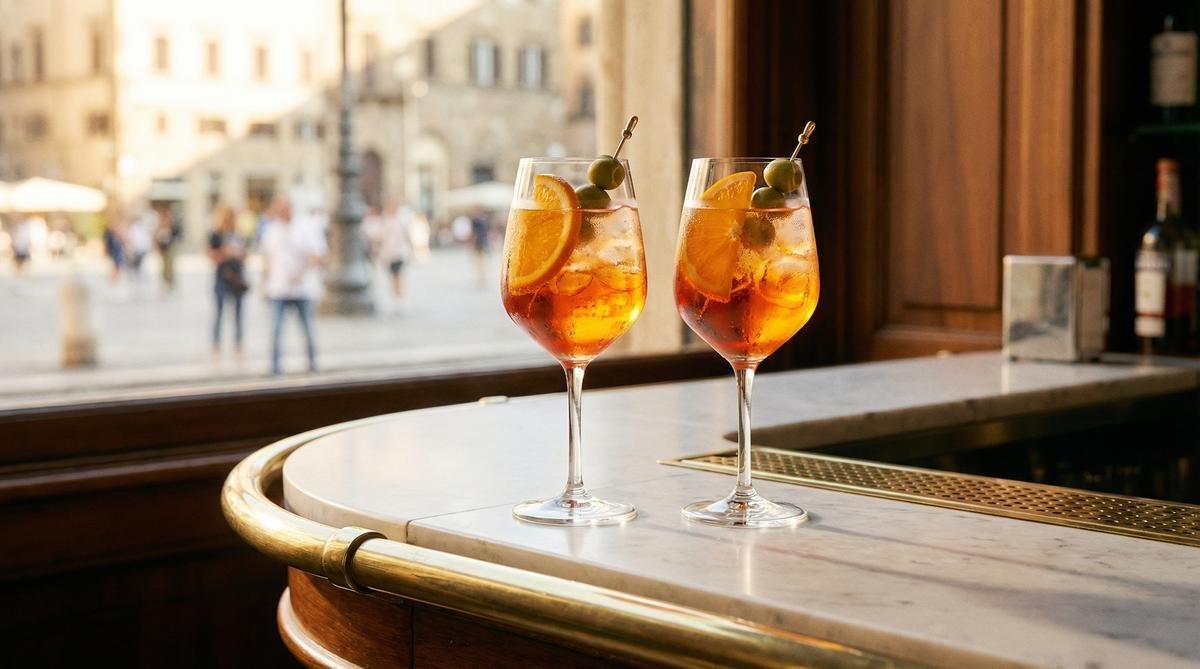
The aperitivo is a classic Italian ritual—a pre-dinner drink accompanied by light snacks, designed to open the palate. It’s a social hour centered around drinks like the Aperol Spritz or a glass of Prosecco. This tradition embodies the Italian approach: alcohol is a companion to food and conversation, meant to be savored slowly. According to a 2016 report by ISTAT, Italy’s national statistics institute, 64.7% of Italians over the age of 11 consumed at least one alcoholic beverage in the year, highlighting its integration into daily life.
How Italy’s Drinking Age Compares to Europe and the US
Italy’s age limit of 18 is standard across much of Europe. However, some countries have more layered systems, as shown in the table below.
| Country | Drinking Age for Beer & Wine | Drinking Age for Spirits |
|---|---|---|
| Italy | 18 | 18 |
| Germany | 16 | 18 |
| France | 18 | 18 |
| Spain | 18 | 18 |
| United Kingdom | 18 (16 with a meal) | 18 |
The most significant cultural divide is with the United States, where the strict 21-year-old age limit creates a sense of forbidden fruit. In Italy, early exposure in a controlled family environment is believed to foster a more responsible and moderate relationship with alcohol throughout life.
Practical Tips for Travelers and Families
For Young Adults (18–20): Congratulations, you can legally drink in Italy. Enjoy this freedom responsibly. Remember that public drunkenness is highly frowned upon and can result in fines.
For Families with Teenagers (16–17): While it is technically illegal for them to be sold alcohol, it is culturally acceptable for them to have a small glass of wine with you at dinner. The decision rests with the parents, but you are unlikely to face any issues in a restaurant setting.
Non-Alcoholic Options: Italy offers a wonderful array of non-alcoholic beverages. Look for cedrata (a citrus soda), chinotto (a bittersweet cola-like drink), or a Crodino, a popular non-alcoholic aperitif that lets everyone participate in the ritual.
Frequently Asked Questions (FAQ)
Can you drink at 16 or 17 in Italy?
Legally, you cannot purchase alcohol. However, culturally, it is often accepted for a teenager to have a glass of wine with their parents during a meal. The law targets the seller, not the minor.
Do bars in Italy actually check ID?
Infrequently. Enforcement is not as strict as in the US, especially in non-club settings. However, it’s always wise to carry a photo ID, particularly at nightclubs in tourist cities.
What happens if you get caught drinking underage in Italy?
The legal penalties are aimed at the person who sold or served the alcohol, not the minor who consumed it. The minor themselves does not face a direct fine under current law.
Can I drink wine with my parents in an Italian restaurant if I’m under 18?
Yes, this is a common and culturally accepted practice. You are very unlikely to encounter any problems in a family dining context.
Is it illegal to be drunk in public in Italy?
Yes, public intoxication is an offense and can result in fines. The Italian culture values maintaining a good public image—known as la bella figura.
What is the drinking age in Rome vs. Florence?
The national drinking age is 18 everywhere. However, both Rome and Florence have local ordinances restricting the hours for public alcohol consumption in certain areas, particularly late at night.
Can an 18-year-old American legally drink in Italy?
Yes. Italian alcohol laws apply to everyone within Italy’s borders, regardless of nationality. An 18-year-old American can legally purchase and consume alcohol in Italy.
What are some popular non-alcoholic Italian drinks?
Try a Crodino for an aperitif experience, or explore other Italian sodas like Sanbittèr, cedrata, and chinotto. These are widely available and part of the local culture.
Why did Italy change its drinking age?
The age was raised from 16 to 18 in 2012 via Law n. 189/2012 (the Balduzzi Law) to combat rising rates of binge drinking among young people and to align with broader European public health standards.
What is an ‘aperitivo’?
It is a pre-dinner drink tradition, like an Aperol Spritz or a glass of wine, served with light snacks between roughly 6 p.m. and 8:30 p.m. It is designed to stimulate the appetite and encourage socializing before the main meal.
Conclusion
While the number on the books is 18, the true story of Italy’s drinking age is written in its culture. It’s a world where moderation, family, and food are central to the experience. By understanding and respecting these traditions, travelers of all ages can responsibly enjoy the convivial spirit of La Dolce Vita.