



Strategic home improvements can significantly enhance a property’s market value and appeal, directly influencing its final selling price. Understanding which renovations offer the best return on investment is crucial for homeowners looking to maximize their profit when listing their property, adds MTD Property Management Evanston. Not all upgrades are created equal, and some projects consistently outperform others in terms of recouping costs and attracting competitive offers from potential buyers.
Understanding ROI in Home Improvements
Return on Investment (ROI) in home improvements refers to the percentage of a project’s cost that is recouped in the home’s resale value. Projects with high ROI are those where the increase in property value closely matches or exceeds the money spent on the renovation, making them financially advantageous for sellers.
When considering home improvements, the concept of Return on Investment (ROI) is paramount for sellers. ROI quantifies how much of the money spent on a renovation project is recovered through an increased selling price. A high ROI indicates that the improvement was a financially sound decision, adding substantial value to the property relative to its cost. Conversely, a low ROI suggests that the investment may not be fully recouped, potentially leading to a net loss for the seller.
Factors influencing ROI include the type of improvement, the quality of materials and workmanship, and the local real estate market conditions. For instance, a minor kitchen remodel in a competitive market might yield a higher ROI than a luxury swimming pool installation in a neighborhood where pools are uncommon. Homeowners should always research local trends and consult with real estate professionals to gauge potential returns accurately.
The goal is to select projects that resonate with the broadest possible buyer base and align with current market expectations. Over-improving a home beyond neighborhood standards can lead to diminishing returns, as buyers may not be willing to pay a premium for features that are not typical for the area. Balancing personal preferences with market demands is key to maximizing resale value.
Top Renovations for Maximum Resale Value
Certain home improvements consistently demonstrate strong returns on investment, making them ideal choices for sellers aiming to increase their property’s market appeal and selling price. These often include updates to kitchens, bathrooms, and exterior elements that enhance curb appeal and functionality.
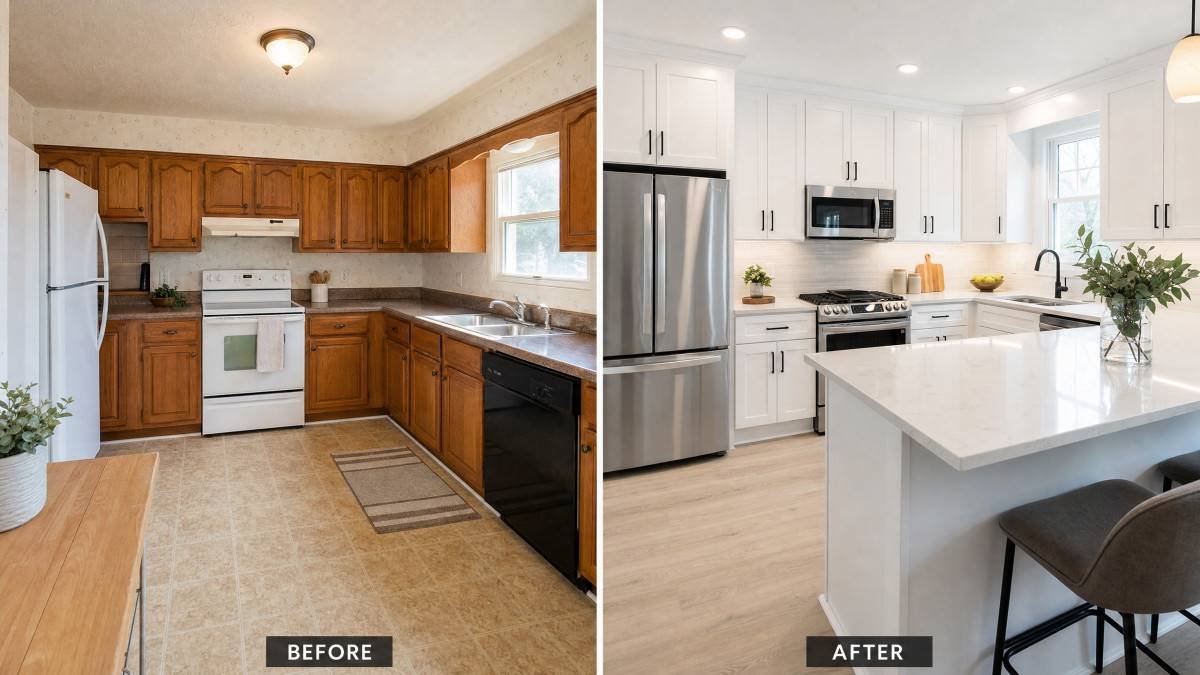
Minor kitchen remodels frequently top the list for ROI, with homeowners typically recouping around 77.6% of their investment [1]. This involves updating cabinet fronts, countertops, appliances, and fixtures without changing the layout. Buyers often prioritize functional and aesthetically pleasing kitchens, making these updates highly impactful. A fresh, modern kitchen can significantly sway a buyer’s decision and justify a higher asking price.
Bathroom renovations also offer substantial returns, particularly when they involve modernizing fixtures, improving lighting, and updating finishes. Even a mid-range bathroom remodel can see a recoup rate of approximately 70.6% [1]. These improvements contribute to a sense of cleanliness and contemporary living, which are strong selling points. Focus on neutral palettes and durable materials to appeal to a wider audience.
Exterior enhancements, such as replacing a garage door or adding a manufactured stone veneer, dramatically boost curb appeal. A new garage door can recoup nearly 93.3% of its cost, while a stone veneer can return an impressive 92.1% [1]. First impressions are critical in real estate, and a well-maintained, attractive exterior signals a well-cared-for home, drawing more potential buyers and encouraging higher offers.
Other high-ROI projects include deck additions, which create valuable outdoor living spaces, and window replacements, which improve energy efficiency and aesthetics. These improvements not only make a home more attractive but also address practical concerns for future homeowners, such as utility costs and maintenance. Investing in these areas can provide a competitive edge in the housing market.
Improvements with Lower ROI
Not all home improvements yield a high return on investment, and some can even result in a net loss for sellers. Highly personalized projects, luxury additions that exceed neighborhood norms, and major renovations without broad appeal often fall into this category, failing to recoup their initial costs.
While appealing to individual tastes, highly personalized renovations often deliver a lower ROI. Projects like converting a bedroom into a specialized hobby room or installing unique, custom-built features may not resonate with the average buyer. Buyers typically prefer neutral spaces they can personalize themselves, making niche improvements less likely to add universal value. The cost of undoing such customizations can also deter potential purchasers.
Luxury additions that push a home beyond the standard for its neighborhood can also struggle to recoup their costs. For example, adding an elaborate, high-end wine cellar or an indoor swimming pool in a modest suburban area might not attract buyers willing to pay the premium for such features. Real estate expert Sarah Miller, a broker with over 20 years of experience at Realty Group, notes, “Over-improving a home for its location is a common mistake; buyers in a $300,000 neighborhood aren’t looking for $100,000 worth of custom upgrades.”
Major renovations that involve significant structural changes or highly specialized materials can also have a lower ROI if not carefully planned. While a complete home overhaul might seem appealing, the disruption and expense can often outweigh the potential increase in selling price. It is essential to consider the market demand for such extensive changes and whether they align with buyer expectations in the specific area.
Swimming pool installations, while desirable for some, generally offer a low ROI, often recouping less than 50% of their cost. The ongoing maintenance, insurance, and perceived safety risks can deter many buyers, especially families with young children. Unless a home is in a luxury market where pools are expected, this investment is more for personal enjoyment than financial return.
Calculating Your Potential Return
Accurately calculating the potential return on a home improvement involves a combination of market research, professional appraisals, and careful cost analysis. This process helps homeowners make informed decisions about which projects are most likely to enhance their property’s value and appeal to buyers.
Begin by researching comparable sales in your local area. Look for recently sold homes that are similar in size, age, and features to yours, especially those that have undergone similar renovations. This provides a realistic benchmark for how much value specific improvements add. Online real estate platforms and local real estate agents are excellent resources for this data. Understanding what buyers in your market are paying for updated homes is a critical first step.
Consult with multiple real estate agents for their professional opinions on the value of potential improvements. Agents have an intimate understanding of local buyer preferences and market trends, allowing them to offer insights into which projects will yield the best returns. They can also provide a comparative market analysis (CMA) to help estimate your home’s value both before and after renovations. Their expertise can prevent costly mistakes and guide strategic investment.
Obtain detailed quotes from several contractors for each project you are considering. This ensures you have an accurate understanding of the costs involved, which is essential for calculating ROI. Be sure to factor in potential hidden costs, such as permits, unexpected repairs, and the value of your own time if you plan to do any work yourself. A precise cost estimate is fundamental to a reliable ROI calculation.
Finally, use a simple formula to estimate ROI: (Value Added by Improvement – Cost of Improvement) / Cost of Improvement. For example, if a bathroom remodel costs $15,000 and increases your home’s value by $18,000, your ROI would be ($18,000 – $15,000) / $15,000 = 0.20 or 20%. This calculation provides a clear financial perspective on the viability of each project, guiding your investment decisions effectively.
Curb Appeal and First Impressions
Curb appeal refers to the attractiveness of a property from the street, playing a pivotal role in a buyer’s initial impression and overall perception of a home. Enhancing curb appeal through strategic exterior improvements can significantly influence a home’s marketability and selling price.
The exterior of a home is the first thing potential buyers see, and a strong first impression can significantly impact their interest and willingness to make an offer. Improvements that boost curb appeal, such as professional landscaping, a freshly painted front door, or updated exterior lighting, can create an inviting atmosphere. These relatively inexpensive updates often yield a high return because they immediately make a home more attractive and well-maintained.
Landscaping is a key component of curb appeal. Simple enhancements like manicured lawns, vibrant flowerbeds, and well-defined pathways can transform the look of a property. According to a study by the National Association of Realtors, good landscape design can increase a home’s value by 10% to 12% [2]. This investment signals to buyers that the home has been cared for, extending an unspoken invitation to explore further.
Replacing outdated or damaged exterior elements, such as siding, windows, or the roof, also contributes significantly to curb appeal and perceived value. While these are larger investments, they address structural integrity and energy efficiency, which are major concerns for buyers. A well-maintained exterior reassures buyers about the overall condition of the property, reducing concerns about future repair costs.
Even small details, like clean gutters, power-washed driveways, and updated house numbers, can make a difference. These minor touches demonstrate attention to detail and pride of ownership, which are qualities buyers appreciate. A home with excellent curb appeal stands out in the market, attracting more viewings and potentially leading to quicker sales at a higher price point.
Energy Efficiency and Modern Buyers
Energy-efficient home improvements are increasingly valued by modern buyers due to their long-term cost savings and environmental benefits. Upgrades such as improved insulation, energy-efficient windows, and smart home technology can significantly enhance a property’s appeal and command a higher selling price.
In today’s market, buyers are increasingly conscious of utility costs and environmental impact, making energy-efficient upgrades a significant selling point. Homes with features like double-pane windows, upgraded insulation, and energy-efficient appliances offer the promise of lower monthly bills, which translates into tangible savings for the new homeowner. This financial benefit can often justify a higher purchase price, as buyers see the long-term value.
Smart home technology, including smart thermostats, lighting systems, and security devices, also falls under this umbrella. These innovations provide convenience, enhanced security, and often contribute to energy savings. A home equipped with modern smart features is perceived as more advanced and desirable, appealing to tech-savvy buyers. The integration of these systems can differentiate a property in a competitive market.
Solar panel installations, while a substantial initial investment, can significantly boost a home’s appeal, especially in regions with high electricity costs. Homes with owned solar panels often sell faster and for more money, as buyers benefit from reduced or eliminated electricity bills. The environmental advantage of solar power also resonates with a growing segment of environmentally conscious buyers, adding another layer of desirability.
Beyond the direct financial savings, energy-efficient homes often come with a perception of better quality and newer construction, even if the home is older. This perception can lead to a more favorable appraisal and a stronger negotiating position for sellers. Investing in these upgrades is not just about recouping costs; it’s about positioning the home as a forward-thinking and economically sound choice for future owners.
The Role of Staging and Minor Updates
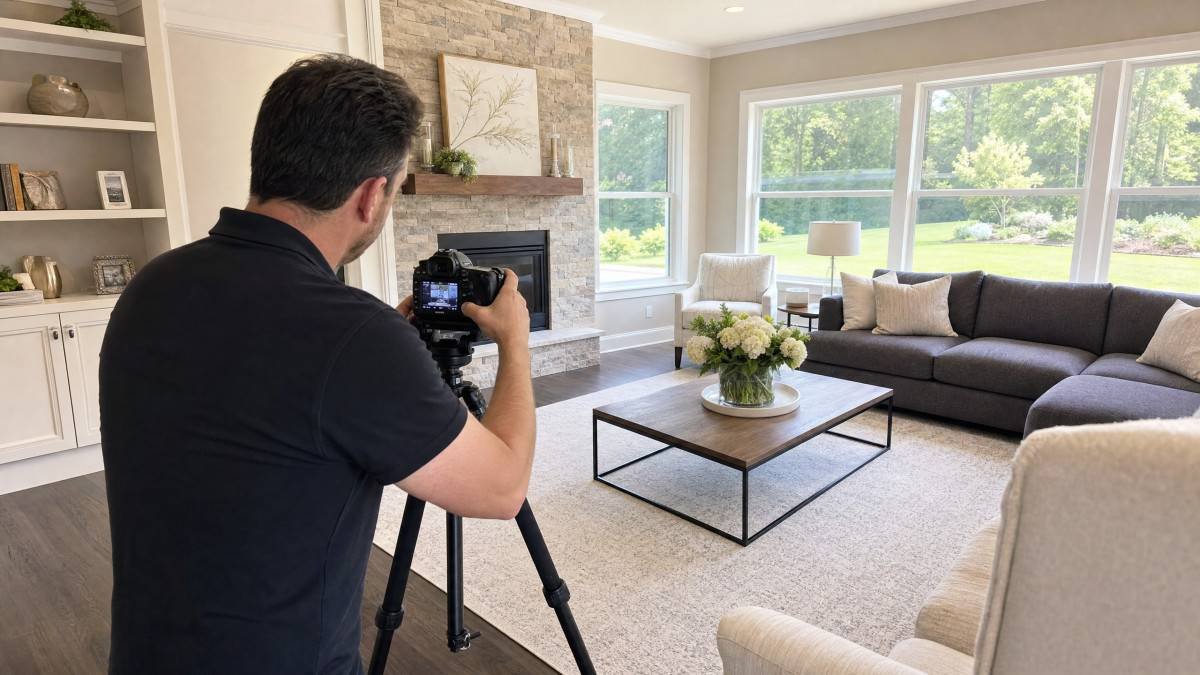
Staging and minor cosmetic updates play a crucial role in presenting a home in its best light, making it more appealing to a broader range of buyers without requiring extensive financial investment. These efforts focus on maximizing perceived value and creating an inviting atmosphere.
Professional home staging involves arranging furniture, decor, and accessories to highlight a home’s best features and create an aspirational lifestyle for potential buyers. Staged homes often sell faster and for a higher price than unstaged ones. A report by the Real Estate Staging Association found that staged homes sell 73% faster than their non-staged counterparts. Staging helps buyers visualize themselves living in the space, making it feel more like a potential home rather than just a house on the market.
Minor cosmetic updates, such as a fresh coat of neutral paint, updated light fixtures, and new hardware on cabinets, can dramatically refresh a home’s appearance. These changes are relatively inexpensive but have a significant impact on perceived value. They create a clean, modern backdrop that appeals to a wide audience, allowing buyers to easily envision their own furnishings and style within the space. Neutral colors are particularly effective as they offer broad appeal.
Decluttering and depersonalizing are also essential minor updates. Removing personal items, excessive decorations, and clutter allows buyers to focus on the home’s features rather than the current owner’s belongings. A clean, organized, and spacious environment feels more inviting and allows buyers to mentally move in. This process is often overlooked but is critical for creating a positive showing experience.
Even small repairs, such as fixing leaky faucets, squeaky doors, or loose tiles, contribute to a positive impression. These minor fixes prevent buyers from perceiving the home as neglected or requiring extensive work, which can lead to lower offers. Addressing these small issues before listing demonstrates that the home has been well-maintained and is ready for its new owners, enhancing overall marketability.
| Home Improvement | Average Cost | Average Recouped | ROI Percentage |
|---|---|---|---|
| Garage Door Replacement | $4,000 | $3,732 | 93.3% |
| Manufactured Stone Veneer | $11,000 | $10,131 | 92.1% |
| Minor Kitchen Remodel (Midrange) | $26,000 | $20,172 | 77.6% |
| Bathroom Remodel (Midrange) | $24,000 | $16,944 | 70.6% |
| Deck Addition (Wood) | $17,000 | $9,700 | 57.1% |
| Major Kitchen Remodel (Upscale) | $150,000 | $80,000 | 53.3% |
Frequently Asked Questions
Which home improvements offer the best return on investment?
Minor kitchen remodels, bathroom updates, and exterior enhancements like new garage doors or stone veneers typically yield the highest returns. These projects appeal to a broad range of buyers and often cost less than major renovations, making their recoup rate more favorable. Strategic updates focus on functionality and modern aesthetics without overspending.
Do all home improvements increase selling price?
No, not all home improvements guarantee an increase in selling price. Highly personalized renovations, luxury additions that exceed neighborhood standards, or projects with poor execution can actually deter potential buyers or fail to recoup their cost. It is crucial to research local market trends and buyer preferences before investing in any major project.
How can I calculate the potential return on a home improvement?
To estimate the return on investment (ROI), research comparable sales in your area that feature similar improvements. Consult with real estate agents for their insights on local market value and buyer expectations. Online tools and cost-vs-value reports can also provide general recoup percentages, but local expertise is invaluable for precise calculations.
Are energy-efficient upgrades worth it for resale value?
Energy-efficient upgrades, such as new windows, improved insulation, or solar panels, are increasingly attractive to buyers due to lower utility costs and environmental benefits. While their direct recoup rate might vary, they significantly enhance a home’s marketability and can command a higher selling price, especially in regions with high energy costs. These improvements often provide long-term savings for the new homeowner.
Ultimately, the decision to undertake home improvements before selling should be guided by a clear understanding of market demands and potential ROI. Focusing on projects that offer broad appeal, enhance curb appeal, and improve energy efficiency will generally yield the best financial outcomes. Careful planning and research are paramount to ensuring that your investment translates into a higher selling price and a successful sale.
References
- Remodeling Magazine’s 2023 Cost vs. Value Report
- National Association of Realtors – Remodeling Impact Report