




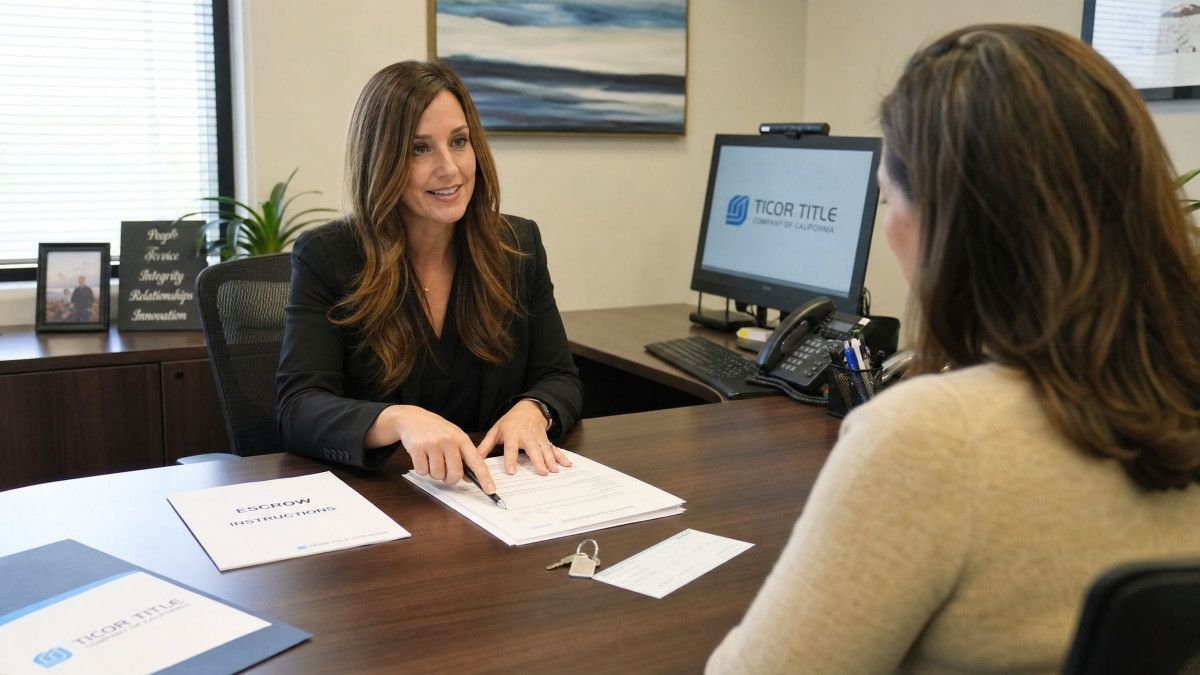
The escrow process serves as a critical intermediary phase in real estate transactions, safeguarding both buyer and seller interests by ensuring all contractual conditions are met before property ownership officially transfers, explains Penny Realty Murrieta. This period, typically spanning 30 to 60 days, involves a neutral third party, the escrow holder, who manages all funds and documents until the sale is finalized. Sellers must navigate various responsibilities during this time, including providing comprehensive disclosures, addressing inspection findings, and ensuring a clear title, all of which are essential for a successful closing.
What is Escrow and Its Purpose?
Escrow is a legal arrangement where a neutral third party holds and regulates payment and documents required for the transfer of property from the seller to the buyer, ensuring all conditions of the sale are satisfied before the transaction is completed. This process protects both parties by verifying that all terms of the purchase agreement are met, thereby mitigating risks associated with large financial transactions and property transfers.
Escrow fundamentally functions as a protective mechanism in real estate, ensuring that neither the buyer nor the seller can unilaterally alter the terms of the agreement once an offer is accepted. The escrow holder, often a title company or an attorney, meticulously follows the escrow instructions, which are derived directly from the purchase agreement. These instructions detail every step, from the deposit of earnest money to the final disbursement of funds and recording of the deed.
The primary purpose extends beyond mere safekeeping; it encompasses the coordination of various elements of the sale, including financing, inspections, appraisals, and title searches. This comprehensive oversight ensures that all legal and financial prerequisites are fulfilled, preventing potential disputes or complications that could arise from an unmanaged transaction. For sellers, escrow provides assurance that the buyer’s funds are secured and that the sale will proceed as agreed, provided all seller obligations are also met.
Furthermore, the escrow process acts as a central hub for communication and documentation, streamlining what would otherwise be a fragmented and complex series of exchanges between multiple parties. All parties involved—buyers, sellers, lenders, real estate agents, and inspectors—submit their respective documents and funds to the escrow holder. This centralized management ensures transparency and accountability throughout the entire transaction lifecycle, culminating in a legally sound transfer of ownership.
Initial Steps for Sellers in Escrow
Upon opening escrow, sellers are immediately tasked with several crucial responsibilities, including providing all mandated disclosures, ensuring the property is accessible for inspections and appraisals, and beginning preparations for vacating the premises. Proactive engagement in these initial steps helps to establish a smooth trajectory for the remainder of the escrow period and minimizes potential delays.
One of the first and most significant duties for sellers is to complete and submit all required disclosure forms. These documents provide buyers with essential information about the property’s condition, known defects, and any other material facts that could influence their decision. State and local laws dictate specific disclosure requirements, which can include details about past repairs, environmental hazards, or homeowners’ association rules. Failure to provide accurate and timely disclosures can lead to legal repercussions and even the cancellation of the sale.
Concurrently, sellers must facilitate property access for various professionals, including home inspectors, appraisers, and potentially contractors for repair estimates. The home inspection is a critical contingency for most buyers, and sellers should prepare the home to be thoroughly examined. This involves ensuring all utilities are active and that areas like attics, basements, and utility closets are accessible. A smooth inspection process can prevent delays and foster buyer confidence.
Another early consideration for sellers is the title search. The escrow officer will order a preliminary title report to identify any liens, encumbrances, or other issues that could affect the transfer of clear title. Sellers should be prepared to address any identified title defects, such as outstanding mortgages, judgments, or easements, as these must be resolved before the sale can close. Resolving title issues early is paramount to avoiding last-minute complications.
Managing Inspections and Repairs
After the buyer’s inspection, sellers often receive a request for repairs or credits, necessitating careful negotiation and timely execution of agreed-upon fixes to keep the transaction on track. Effectively managing this phase involves understanding contractual obligations, obtaining professional estimates, and ensuring all work is completed to a satisfactory standard.
The home inspection report can sometimes be a point of contention, as it often uncovers issues previously unknown to the seller or deemed minor. Buyers typically submit a Request for Repair (RFR) or ask for a credit in lieu of repairs. Sellers must carefully review these requests with their real estate agent, distinguishing between legitimate safety concerns or structural defects and minor cosmetic issues. Negotiation is key here, as sellers are not obligated to agree to every request, but a reasonable approach can preserve the deal.
Once repairs are agreed upon, sellers are responsible for ensuring these are completed by qualified professionals within the timeframe specified in the contract. It is advisable to obtain multiple bids for significant repairs and to keep detailed records, including invoices and warranties, to provide to the buyer. Some contracts may require a re-inspection to verify that repairs have been satisfactorily addressed. According to a recent survey, approximately 80% of home sales involve some form of repair negotiation following the inspection [1].
Alternatively, sellers may offer a credit to the buyer at closing instead of performing repairs. This can be a strategic move, especially if the seller is short on time or prefers not to manage contractors. The amount of the credit is typically negotiated and then reflected on the closing statement. This approach can simplify the process but may require the seller to concede a portion of their proceeds. An expert from the National Association of Realtors (NAR) stated, “Flexibility in addressing inspection findings, whether through repairs or credits, is often the hallmark of a successful transaction” [2].
Navigating Appraisals and Financing
The appraisal process is critical for securing the buyer’s loan, as it determines the property’s market value, directly impacting the lender’s willingness to finance the purchase. Sellers must understand how appraisals work and be prepared to address potential valuation gaps that could jeopardize the sale.
Lenders require an appraisal to ensure the property’s value supports the loan amount, protecting their investment. An independent appraiser evaluates the home based on its condition, features, and comparable sales in the area. Sellers should ensure the home is tidy and accessible for the appraiser, highlighting any recent upgrades or improvements that could positively influence the valuation. While sellers cannot directly influence the appraisal outcome, presenting a well-maintained home can help.
A common challenge arises if the appraisal comes in lower than the agreed-upon purchase price. This “appraisal gap” can stall the transaction because lenders will typically only finance up to the appraised value. In such cases, sellers have several options: they can reduce the sale price to match the appraisal, the buyer can bring additional cash to cover the difference, or both parties can negotiate a compromise. Sometimes, a second appraisal can be requested, though this is less common and requires specific justification.
Beyond the appraisal, the buyer’s financing contingency is another significant hurdle. Lenders conduct thorough underwriting to verify the buyer’s financial stability and ability to repay the loan. Sellers typically receive updates on the loan status through their agent and the escrow officer. Any delays in the buyer securing financing can extend the escrow period or, in some cases, lead to the cancellation of the sale if the buyer cannot meet their loan commitment by the contractual deadline.
Seller Disclosures and Documentation
Sellers are legally obligated to provide a comprehensive set of disclosures that inform buyers about the property’s condition, history, and any known issues, ensuring transparency and mitigating future liabilities. Meticulous completion and timely submission of these documents are paramount for a legally sound transaction.
Disclosure requirements vary by state and locality but generally include a Seller Property Questionnaire (SPQ) or similar form detailing the seller’s knowledge of the property. This covers aspects like structural defects, plumbing, electrical systems, roof condition, and any past repairs or insurance claims. Additionally, sellers must disclose environmental hazards such as lead-based paint, asbestos, or radon, especially for older homes. Federal law mandates lead-based paint disclosures for homes built before 1978.
Beyond physical disclosures, sellers may also need to provide information about homeowners’ association (HOA) documents, including bylaws, financial statements, and meeting minutes, if the property is part of an HOA. Water and energy conservation reports, natural hazard disclosures, and Mello-Roos tax disclosures are other common documents. The goal is to provide the buyer with a complete picture of the property and its associated obligations.
All disclosure documents must be signed and dated by the seller, acknowledging their accuracy to the best of their knowledge. It is crucial for sellers to be honest and thorough, as misrepresentations or omissions can lead to legal action from the buyer even after the sale has closed. Real estate agents play a vital role in guiding sellers through the disclosure process, ensuring all necessary forms are completed correctly and submitted within contractual timelines.
Common Escrow Delays and How to Avoid Them
Escrow delays can arise from various issues, including financing complications, inspection disputes, title problems, or unfulfilled contingencies, but many can be mitigated through proactive communication and diligent preparation from the seller’s side. Understanding these common pitfalls allows sellers to take preventative measures and ensure a smoother closing.
One of the most frequent causes of delay is buyer financing. Issues such as unexpected changes in the buyer’s credit score, new debt acquisitions, or delays in loan underwriting can push back the closing date. Sellers can help by ensuring the buyer is pre-approved with a reputable lender and by staying in regular communication with their agent about the loan’s progress. A strong pre-approval letter indicates a more reliable buyer.
Inspection and repair negotiations also frequently cause delays. If buyers and sellers cannot agree on repairs or credits, the transaction can stall or even fall apart. Sellers can minimize this by addressing obvious issues before listing the home and by being reasonable in negotiations. Providing clear documentation of any pre-listing repairs can also help. A study by the National Association of Home Builders found that 25% of home sales experience delays due due to inspection-related issues [3].
Title issues, though less common, can be significant. Unresolved liens, boundary disputes, or errors in public records can prevent a clear title transfer. Sellers should ensure their own financial records are in order and be prepared to provide any necessary documentation to clear title. Working closely with the escrow officer and title company to resolve these issues promptly is essential. Furthermore, delays in obtaining necessary HOA documents or permits can also hold up the process, making early submission of all required paperwork critical.
Closing Escrow and Final Steps
The closing of escrow marks the official transfer of property ownership and the culmination of the selling process, requiring sellers to complete final paperwork, ensure the property is vacant, and prepare for the disbursement of their sale proceeds. This final stage involves meticulous coordination to ensure all legal and financial aspects are correctly finalized.
As closing approaches, sellers will receive a final closing disclosure statement, which outlines all financial aspects of the transaction, including sale price, credits, debits, and net proceeds. It is crucial to review this document carefully for accuracy and to ask any questions before signing. The escrow officer will coordinate the signing of all necessary documents, including the deed, which legally transfers ownership to the buyer. These signings typically occur a few days before the official closing date.
Sellers are also responsible for ensuring the property is completely vacant and broom-clean by the agreed-upon possession date, which is often the closing date itself. All personal belongings must be removed, and the property should be left in the condition specified in the contract. Utilities should be transferred out of the seller’s name, and keys, garage door openers, and any other access devices should be left for the buyer or handed over to the real estate agent.
Once all documents are signed, funds are disbursed, and the deed is recorded with the county, escrow officially closes. The seller receives their net proceeds from the sale, typically via wire transfer. This final step signifies the successful completion of the real estate transaction. The entire process, from listing to closing, requires careful attention to detail and consistent communication among all parties involved to ensure a smooth and successful outcome.
Navigating the escrow process as a seller demands careful attention to detail, proactive communication, and a thorough understanding of contractual obligations. By diligently managing disclosures, addressing inspection findings, facilitating appraisals, and anticipating potential delays, sellers can significantly contribute to a smooth and timely closing. The escrow holder’s role as a neutral third party is invaluable in safeguarding the interests of all involved, ensuring that the complex journey from an accepted offer to the final transfer of ownership is executed with precision and legal compliance.
Frequently Asked Questions
What is the primary role of an escrow officer?
The escrow officer acts as a neutral third party, holding all documents and funds related to the transaction until all conditions of the sale contract are met. They ensure that both the buyer and seller fulfill their obligations, facilitating a smooth and legally compliant transfer of property ownership.
How long does the escrow process typically last?
The duration of the escrow process can vary significantly, but it commonly ranges from 30 to 60 days. Factors such as the complexity of the transaction, lender processing times, and any unexpected issues with inspections or appraisals can influence the exact timeline.
What are a seller’s key responsibilities during escrow?
Sellers are responsible for providing disclosures, making agreed-upon repairs, ensuring clear title, and vacating the property by the closing date. They must also sign all necessary documents, including the deed, and cooperate with the escrow officer to resolve any issues that arise.
Can a seller cancel an escrow agreement?
A seller can cancel an escrow agreement under specific circumstances, typically if the buyer fails to meet their contractual obligations within the stipulated timelines. However, canceling without a valid reason outlined in the purchase agreement can lead to legal and financial penalties, so it is crucial to consult with legal counsel.
References
- National Association of Realtors. “Profile of Home Buyers and Sellers.”
- National Association of Realtors. Official Website.
- National Association of Home Builders. “Housing Market Conditions Continue to Deteriorate in February.”