




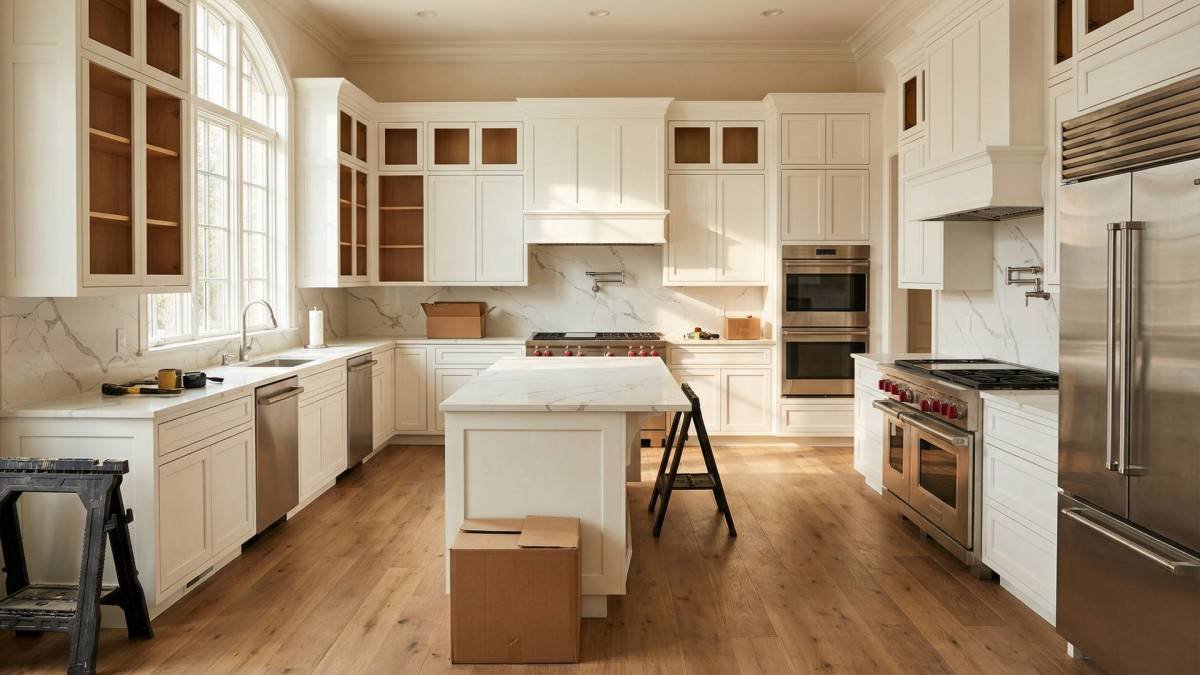
Planning a kitchen remodel in 2026? This comprehensive guide will help you navigate the complexities of the cost to remodel a kitchen, providing detailed breakdowns, identifying key factors that influence pricing, and offering smart budgeting strategies to maximize your investment. Understanding the financial landscape of a kitchen remodel is crucial for a successful project, ensuring you achieve your dream kitchen without unexpected expenses.
Understanding the Average Cost to Remodel a Kitchen in 2026
The average cost to remodel a kitchen in 2026 can vary significantly, ranging from a minor cosmetic refresh to a complete high-end overhaul. According to recent data, a minor kitchen remodel might cost between $14,600 and $41,600, with a national median around $27,000. As noted by House in Order professionals, mid-range renovations typically fall around $71,000, while large, upscale projects can easily exceed $137,000 [1]. These figures are influenced by factors such as project scope, location, and material choices.
Minor Kitchen Remodel Costs
A minor or cosmetic kitchen remodel focuses on impactful, budget-friendly upgrades that do not involve altering the kitchen’s existing layout. This approach is ideal for homeowners looking to refresh their space and boost aesthetic appeal without a significant financial commitment. Expect to spend between $10,000 and $20,000 for such a project, which typically includes refacing or painting existing cabinets, replacing hardware, upgrading a few appliances, installing a new sink and faucet, adding a backsplash, and a fresh coat of paint [2].
Mid-Range Kitchen Remodel Costs
The most common type of kitchen remodel, a mid-range renovation, involves replacing most major components of the kitchen without making structural changes or altering the footprint. This level of remodel provides the feel of a brand-new kitchen with enhanced functionality. Costs for a mid-range remodel typically range from $30,000 to $60,000 and include new semi-custom cabinets, quartz or granite countertops, a full suite of new mid-grade appliances, new flooring, and updated lighting fixtures [2].
Major and Upscale Kitchen Remodel Costs
A major or upscale kitchen remodel represents a complete transformation, often involving structural modifications, relocation of utilities, and the installation of high-end, custom features. These projects have the broadest cost range, from $65,000 to over $150,000, depending on the level of luxury and customization. Such remodels often include changing the kitchen’s layout, moving plumbing or electrical lines, installing fully custom cabinetry, premium stone countertops, professional-grade appliances, and architectural details like custom range hoods or oversized islands [2].
Detailed Kitchen Remodel Cost Breakdown
Understanding how your budget is allocated across different components is crucial for effective cost management during a kitchen remodel. This detailed breakdown will help you understand the various elements that contribute to the overall cost to remodel a kitchen. While percentages can vary based on the overall scope and individual choices, a typical breakdown reveals where the majority of your investment will go. The following table illustrates a common distribution of costs for a kitchen remodel:
| Component | Typical Percentage of Total Cost | Average Cost Range (for a $50,000 remodel) |
|---|---|---|
| Cabinets & Installation | 25-40% | $12,500 – $20,000 |
| Labor & Installation | 20-35% | $10,000 – $17,500 |
| Appliances & Fixtures | 10-20% | $5,000 – $10,000 |
| Countertops | 10-15% | $5,000 – $7,500 |
| Flooring | 5-7% | $2,500 – $3,500 |
| Lighting & Electrical | 5% | $2,500 |
| Plumbing | 4-5% | $2,000 – $2,500 |
| Permits & Design Fees | 1-3% | $500 – $1,500 |
Cabinets: The Largest Expense
Cabinets consistently represent the largest portion of a kitchen remodel budget, typically accounting for 25-40% of the total cost [2]. The price is heavily influenced by the type of cabinets chosen: stock, semi-custom, or fully custom. Stock cabinets are the most affordable, while custom options offer personalized design and higher quality materials at a premium. Recent tariff increases, particularly on imported kitchen cabinets, have further driven up these costs, with some tariffs rising to 50% in 2026, potentially adding thousands to the cabinet portion of a remodel [3].
Countertops: Material Choices and Costs
Countertops typically make up 10-15% of the budget, with costs varying widely based on the material. Options range from budget-friendly laminate to luxurious natural stone like marble or quartzite. Quartz and granite remain popular mid-range choices, offering a balance of durability, aesthetics, and cost. Domestic manufacturing of certain quartz brands, such as Cambria, can help mitigate tariff impacts on pricing [3].
Appliances and Fixtures: Functionality Meets Style
Appliances and fixtures generally account for 10-20% of the total remodel cost. A basic appliance package can start around $3,000, while high-end, smart-enabled appliances can easily exceed $15,000. Faucets, sinks, and other fixtures also come in a wide array of price points, allowing homeowners to balance functionality with desired aesthetics and budget constraints [2].
Labor, Permits, and Design Fees
The cost of professional labor, including general contractors, electricians, plumbers, and painters, is a significant component, typically ranging from 20-35% of the budget [2]. Labor costs are influenced by location, demand, and the complexity of the project. Additionally, most remodels beyond simple cosmetic updates will require municipal permits, which, along with design fees, can add 1-3% to the overall cost [2]. A persistent shortage of skilled trade workers is also contributing to rising labor costs, with wages increasing annually in many markets [3].
Flooring, Electrical, Plumbing, and Finishing
Other essential components of a kitchen remodel include flooring (5-7%), electrical work (3-7%), plumbing (5-8%), backsplash (2-5%), lighting (2-5%), and paint/finishing (2-4%) [3]. These elements, while smaller percentages individually, collectively contribute to the overall cost and can significantly impact the final look and functionality of the kitchen. For instance, moving plumbing or electrical lines can substantially increase costs due to the specialized labor and potential for unforeseen issues [2].
Key Factors Influencing Your Kitchen Remodel Budget
Several critical factors beyond the basic cost breakdown can significantly impact the final price tag of your kitchen remodel. Being aware of these influences can help you make informed decisions and manage your budget more effectively.

Location, Location, Location
The geographic location of your home plays a substantial role in determining kitchen renovation costs. The cost to remodel a kitchen can fluctuate significantly based on where you live. Labor rates, material availability, and local regulations vary widely by region. For example, a kitchen remodel in a major metropolitan area with a high cost of living, such as Los Angeles, can easily be twice as expensive as a similar project in a more rural or less expensive urban area [2]. Always obtain quotes from local, licensed contractors to get an accurate sense of pricing in your specific area.
Material Choices and Quality
The quality and type of materials selected for your remodel directly correlate with the overall cost. Opting for high-end, custom cabinetry, premium natural stone countertops, and professional-grade appliances will naturally lead to a higher budget compared to choosing stock cabinets, laminate countertops, and basic appliances. Balancing desired aesthetics with practical durability and budget constraints is key. For instance, while marble countertops are visually stunning, a durable quartz might offer a better long-term value and lower maintenance [2].
Project Scope and Complexity
The extent of your remodel is arguably the most significant cost driver. A minor cosmetic update that keeps the existing layout will be far less expensive than a major renovation involving structural changes, moving walls, or relocating plumbing and electrical lines. Each structural or utility change adds complexity, requires specialized labor, and often necessitates additional permits, all of which increase costs [2]. Clearly defining the scope of your project early on is essential for accurate budgeting.
The Impact of Tariffs and Supply Chains
Recent economic shifts, including increased tariffs on imported goods and ongoing supply chain disruptions, have had a notable impact on kitchen remodel costs. As of January 2026, tariffs on imported kitchen cabinets doubled to 50%, directly increasing the cost of many cabinet options [3]. Similarly, tariffs on steel, aluminum, and other components affect appliance and fixture pricing. While improving, global supply chain issues can still cause delays and price hikes for specific materials, making it important to factor in potential fluctuations and lead times [2].
Smart Strategies to Save on Your Kitchen Remodel
Even with rising costs, a beautiful and functional kitchen remodel is achievable within a reasonable budget. Strategic planning and smart choices can help you significantly reduce the overall cost to remodel a kitchen without compromising quality.
Refacing vs. Replacing Cabinets
Since cabinets are often the largest expense, this area offers significant saving potential. If your existing cabinet boxes are structurally sound, consider refacing them instead of a full replacement. Refacing involves replacing doors, drawer fronts, and applying new veneer to the existing boxes, which can save 40-60% compared to installing all-new cabinets [3]. Refinishing (stripping, sanding, and repainting/restaining) is an even more budget-friendly option.
Keeping Your Existing Layout
One of the quickest ways to inflate a remodel budget is by altering the kitchen’s layout. Moving walls, plumbing lines, or gas lines requires extensive labor, permits, and can uncover unforeseen issues, adding thousands to the cost. Working within your current footprint, even with new cabinets and appliances, can save a substantial amount of money [2].
DIY Contributions
For homeowners with some handy skills, taking on certain tasks can reduce labor costs. Demolition, painting, and even installing a backsplash are common DIY projects. However, it’s crucial to know your limits and leave specialized tasks like electrical and plumbing work to licensed professionals to ensure safety and compliance with building codes [2].
Strategic Shopping and Timing
Timing your purchases and project can lead to savings. Shopping for appliances during major holiday sales events (e.g., Black Friday, Labor Day) can yield significant discounts. Additionally, scheduling your remodel during the
off-season (late fall or winter) when contractors are typically less busy might result in better availability and more competitive bids [2]. Mixing high-end and budget-friendly materials strategically can also help, splurging on visible elements like countertops while economizing on less prominent items.
Return on Investment (ROI) of a Kitchen Remodel
A kitchen remodel is consistently ranked as one of the most valuable home improvement projects, offering a significant return on investment (ROI). According to the 2024 Cost vs. Value Report from Remodeling Magazine, a minor mid-range kitchen remodel can recoup an impressive 96.3% of its cost upon resale [2]. Even major upscale remodels tend to have a strong ROI, making a kitchen renovation a wise financial decision for homeowners looking to increase their property value.
Beyond monetary returns, a remodeled kitchen provides a substantial
return on enjoyment, enhancing daily living and making the space more functional and aesthetically pleasing. To maximize ROI, it is advisable to stick to timeless designs, neutral color palettes, and quality, durable materials that appeal to a broad range of potential buyers.
Frequently Asked Questions (FAQs) About Kitchen Remodel Costs
What is the most expensive part of a kitchen remodel?
Typically, cabinets are the single largest expense in a kitchen remodel, often accounting for 25-40% of the total budget. Labor costs, encompassing general contractors, electricians, and plumbers, are a close second, usually making up 20-35% of the final bill [2].
Can you realistically remodel a kitchen for $20,000?
Yes, a $20,000 budget is well-suited for a minor or cosmetic kitchen remodel. This would involve keeping your existing layout, refacing or painting cabinets, installing new countertops (like laminate or butcher block), updating hardware, and possibly replacing one or two appliances. It focuses on aesthetic improvements rather than structural changes [2].
Is it cheaper to remodel a kitchen in the winter?
It can be. Contractors are generally less busy during the winter months, after the peak holiday season. This reduced demand can lead to more scheduling flexibility and potentially more competitive bids from contractors, making it a strategic time to undertake a remodel [2].
How much does it cost to completely gut a kitchen?
A complete gut renovation, which involves stripping the kitchen down to its studs and rebuilding, falls into the major/upscale remodel category. You should budget a minimum of $65,000, with costs easily exceeding $100,000 for high-end materials, custom features, and any necessary structural changes or utility relocations [2].
Do I need a permit for a kitchen remodel?
You will likely need a permit if your remodel involves moving or adding electrical outlets, altering plumbing lines, or making structural changes (such as removing a wall). Simple cosmetic updates like painting or replacing a faucet usually do not require a permit. Always check with your local building department to ensure compliance with regulations [2].
What is the cheapest way to remodel a kitchen?
The most budget-friendly approach is to focus on cosmetic updates and DIY tasks. A
“paint and hardware” remodel, where you paint existing cabinets and walls, and install new knobs and pulls, can transform a space for under $1,000 if you perform the work yourself. Keeping the existing layout and refacing cabinets are also cost-effective strategies [2].
What adds the most value to a kitchen?
Features that tend to add the most value to a kitchen include upscale custom cabinetry with ample storage, upgraded stainless steel appliances, natural stone countertops (quartz or granite), and custom elements like pullout bins or island seating. Upgraded lighting, hardwood or custom tile flooring, and an elaborate backsplash also contribute significantly to resale value [4].
Is a kitchen remodel worth the money?
Yes, a kitchen remodel is generally considered one of the best home improvement investments. It offers a high return on investment, with minor mid-range remodels recouping nearly all of their cost upon resale. Beyond financial returns, a renovated kitchen significantly enhances daily living, functionality, and aesthetic appeal, providing a substantial “return on enjoyment” [2].
Conclusion
Remodeling a kitchen in 2026 involves navigating a dynamic landscape of costs influenced by project scope, material choices, labor rates, and even global tariffs. By understanding these factors, planning strategically, and implementing smart budgeting techniques, homeowners can achieve a beautiful and functional kitchen that not only meets their needs but also provides a strong return on investment. Whether opting for a minor refresh or a complete overhaul, a well-executed kitchen remodel remains a valuable enhancement to any home.
References
- [1] Pro-Mapper. (2025). Kitchen Remodel Cost: 2025 Guide & Price Breakdown. Retrieved from https://www.pro-mapper.com/kitchens/kitchen-remodel-cost/
- [2] The Mortgage Reports. (2026). How Much Does a Kitchen Remodel Cost? | 2026 Guide. Retrieved from https://themortgagereports.com/101589/how-much-does-a-kitchen-remodel-cost
- [3] CostFlowAI. (2026). Kitchen Remodel Cost Guide: Cabinets, Counters & Budget. Retrieved from https://costflowai.com/blog/kitchen-remodel/
- [4] The Mortgage Reports. (2026). Kitchen remodel features that can add the most home value. Retrieved from https://themortgagereports.com/101589/how-much-does-a-kitchen-remodel-cost