




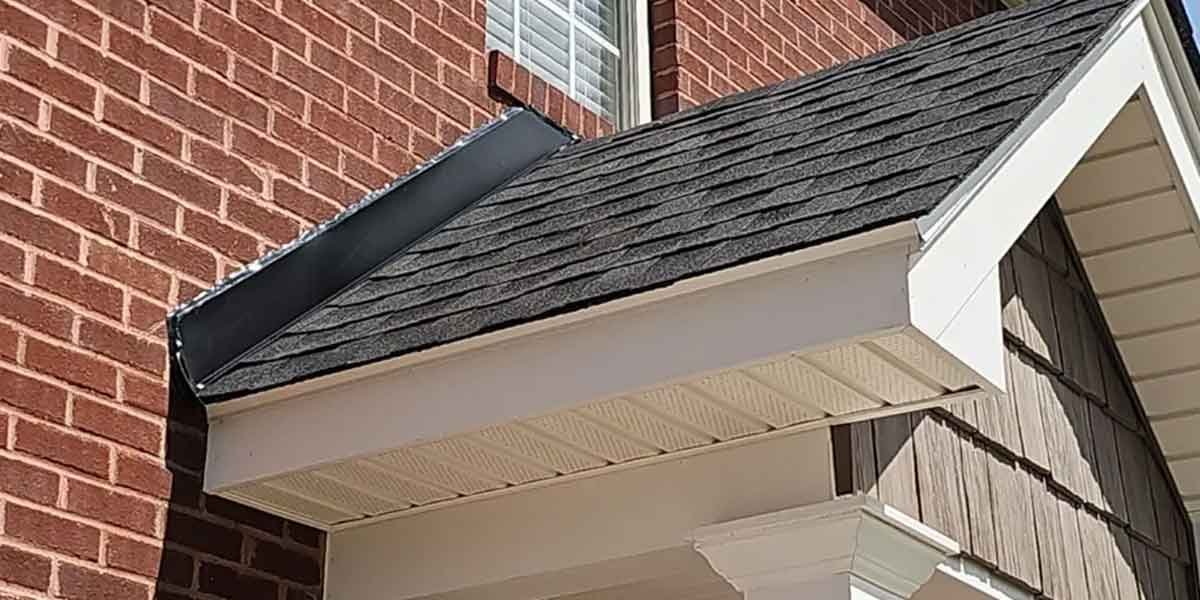
You noticed a brown water stain expanding across your living room ceiling. You called a local roofing contractor, and after spending ten minutes on your roof, they climbed down and delivered the verdict: “Your shingles are fine, but your flashing has failed,” points out CHL Rentals company.
If you are like most homeowners, you probably nodded politely while secretly wondering, what on earth is flashing?
Understanding roof flashing is critical because it is the unsung hero of your home’s defense against water. When a roof leaks, it is rarely because water went straight through a shingle. In over 90% of cases, water sneaks in through the seams, joints, and edges of the roof. Flashing is the armor that protects those vulnerable spots.
The Simple Definition
Roof flashing is a thin, flat material (usually galvanized steel, aluminum, or copper) installed at the intersections, joints, and edges of your roof. Its sole purpose is to act as a watertight barrier, directing rainwater away from vulnerable seams and back onto the shingles so it can flow safely into your gutters.
Why is Flashing So Important?
Imagine wearing a high-quality raincoat but leaving the collar unbuttoned and the cuffs wide open. The coat material itself is waterproof, but the water will just pour in through the openings. Your roof operates on the same principle.
Shingles are excellent at shedding water on a flat, sloped plane. However, roofs are rarely just flat planes. They have chimneys poking through them, skylights cut into them, plumbing vents sticking out of them, and valleys where two roof slopes meet. Every single one of these intersections creates a gap in the wooden roof deck. Without flashing, rainwater would pour directly through these gaps into your attic and living spaces.
The 5 Most Common Types of Roof Flashing
Because every intersection on a roof is shaped differently, roofers use different shapes and styles of metal flashing to protect them. Here are the five you need to know about:
1. Step Flashing
This is the most common type of flashing. It is used wherever a sloped roof meets a vertical wall (like the side of a dormer window or a second-story wall). It consists of rectangular pieces of metal bent at a 90-degree angle. The roofer installs them in an overlapping “stair-step” pattern, weaving each piece of metal between each layer of shingles. This ensures that water running down the wall is directed on top of the shingles, rather than behind them.
2. Valley Flashing
A roof valley is the V-shaped crease where two downward-sloping roof planes meet. Because valleys collect and funnel massive amounts of rainwater during a storm, they are highly susceptible to leaks. Valley flashing is a long, continuous “V” or “W” shaped strip of metal placed underneath the shingles in this crease to provide a smooth, waterproof channel for the water to rush down.
3. Chimney Flashing
Chimneys are notorious for leaking because brick and mortar expand and contract differently than wooden roof decks. Chimney flashing is actually a two-part system. First, base flashing is installed around the bottom of the chimney. Then, counter-flashing is embedded directly into the mortar joints of the brick and folded down over the base flashing. This two-piece system allows the house to settle and shift without breaking the waterproof seal.
4. Vent Pipe Flashing (Boots)
Look at your roof and you will see several white or black PVC pipes sticking up. These are plumbing exhaust vents. To seal the hole cut around these pipes, roofers use a specialized flashing called a “boot.” It consists of a metal or plastic base that slides under the shingles, attached to a tight rubber collar that hugs the pipe. Note: The rubber collar on these boots often rots in the sun after 10 years, making them a very common source of leaks.
5. Drip Edge Flashing
Installed along the very edges of the roof (the eaves and rakes), drip edge is an L-shaped strip of metal. Its job is to prevent water from curling backward under the shingles via surface tension. It forces the water to drip directly into the gutters, protecting the wooden fascia boards from rotting.
Real Homeowner & Expert Experiences
To understand how tricky flashing leaks can be, look at this advice shared by a roofing professional on a Reddit forum dedicated to diagnosing roof leaks:
“One of the most common causes of leaks are incorrectly installed flashing like here against a wall or around chimneys and skylights. It’s because most shinglers dont understand the nuances of spacing/nail placement/shingle overlap required to prevent slow leaks over time. Leaks can travel along trusses and what not to locations much farther from the point of entry.”
— Anonymous Roofing Expert, r/Roofing
The “Traveling Leak” Phenomenon
As the expert above noted, water is sneaky. If your chimney flashing fails, the water might drip onto a wooden truss in the attic, run 15 feet down the slope of the wood, and finally drop onto your living room ceiling. Just because the water stain is in the middle of your ceiling does not mean the leak is directly above it. A good roofer will always check the flashing higher up on the roof.
Signs Your Flashing is Failing
You don’t have to wait for water to ruin your drywall to know your flashing is bad. If you are doing a visual inspection of your roof (or having a professional do it), look for these red flags:
- Rust and Corrosion: While galvanized steel is tough, it will eventually rust. If the metal looks heavily oxidized or has rusted through, it needs to be replaced.
- Missing or Dried Out Sealant: Roofers often use specialized roofing cement or polyurethane caulk around the edges of flashing. If this caulk is cracked, peeling, or completely missing, water can easily get behind the metal.
- Bent or Lifted Metal: High winds or falling branches can pry flashing away from the wall or roof deck. If it is not sitting flush, it cannot do its job.
- Cracked Rubber Boots: If the rubber collar around your plumbing vents looks dry-rotted or cracked, water is definitely slipping down the sides of the pipe.
Repair vs. Replace: How Much Does it Cost?
The good news about a flashing leak is that it usually does not require a full roof replacement. Flashing repairs are highly localized.
If the flashing is just loose or the sealant has dried out, a roofer can often reseal and secure it for a minimum service charge (usually $150 to $300).
If the flashing is rusted through, or if the rubber vent boots are rotted, the old flashing must be ripped out, the surrounding shingles removed, new metal installed, and new shingles laid down. On average, replacing localized flashing around a chimney, skylight, or vent costs between $300 and $700.
Beware of the “Caulk Fix”: If a roofer tells you they fixed your rusted chimney flashing by just smearing a massive tube of roofing tar or caulk over it, be wary. Caulk is a temporary band-aid that will crack in a year or two. Proper repair requires replacing the metal.
Frequently Asked Questions (FAQ)
In most cases, no. Step flashing and valley flashing are woven into the old shingles. Trying to pry them out usually bends and damages the metal. The only flashing that is sometimes reused is heavy-duty copper or thick masonry counter-flashing on chimneys, provided it is still in perfect condition.2. What is the best metal for roof flashing?
Galvanized steel is the most common and offers great durability for the price. Aluminum is also popular because it doesn’t rust, though it can corrode if placed directly against concrete or mortar. Copper is the absolute best—it lasts for centuries and develops a beautiful green patina—but it is incredibly expensive.3. Does flashing tape work for roof leaks?
Bitumen or butyl flashing tape (often sold in hardware stores) is an excellent emergency fix. If a storm rips a piece of flashing loose, you can apply this waterproof tape over the seam to stop the leak temporarily. However, it is not a permanent solution and will eventually degrade in direct sunlight.4. Why does my skylight leak even with flashing?
Skylights require a very specific, multi-layered flashing kit (usually provided by the skylight manufacturer). If the roofer tried to fashion their own flashing out of scrap metal, or if they failed to install an ice and water shield membrane underneath the flashing, water or melting snow will easily back up under the shingles and leak into the house.
Conclusion
Roof flashing might just look like random strips of metal, but it is the critical armor that keeps your home dry. By understanding what flashing is and where it is located, you can better identify the source of leaks and ensure that any contractor you hire is providing a permanent metal repair, rather than just a temporary smear of caulk.