



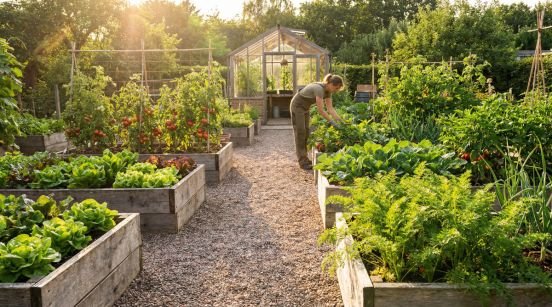
Designing a functional layout vegetable garden is the most critical step in transforming a simple plot of land into a high-yielding food machine. Whether you are working with a sprawling backyard or a compact urban balcony, the way you organize your planting beds, pathways, and structures determines your overall success. A well-planned layout not only maximizes your harvest but also significantly reduces the time spent on maintenance tasks like weeding and watering, says Jackson Property Management professionals. By focusing on efficient space utilization and plant compatibility, you can create a thriving ecosystem that provides fresh produce throughout the entire growing season.
Choosing the Right Layout for Your Space
The most effective layout vegetable garden depends on your available space, soil quality, and physical accessibility needs. For large, flat areas, traditional row gardening offers simplicity and ease of mechanized cultivation, while raised beds and square-foot gardening are superior for maximizing yields in smaller spaces or areas with poor native soil. Selecting a layout that matches your specific environment ensures long-term gardening sustainability and productivity.
Traditional row gardening has been the standard for decades, particularly for crops that require significant space, such as corn or potatoes. However, many modern home gardeners are shifting toward raised beds because they offer better drainage and soil temperature control. According to the National Gardening Association (2024), raised beds can produce up to twice as much food per square foot as traditional row gardens because they eliminate the need for wasted space between rows. This intensive approach allows for deeper soil preparation and more controlled nutrient application, leading to healthier plants and fewer soil-borne diseases.
Beyond the standard options, a Maintenance-First Layout is a strategic approach that prioritizes ease of care. This zonal method places high-maintenance crops, like salad greens and herbs, closest to the house or water source, while low-maintenance crops, like winter squash or fruit trees, are situated further away. By organizing your garden based on the frequency of intervention required, you can significantly decrease the daily labor involved in managing your edible landscape. This “zonal” design is particularly beneficial for busy individuals who want to enjoy the benefits of gardening without it becoming a burdensome chore.
Maximizing Yield with Vertical and Companion Planting
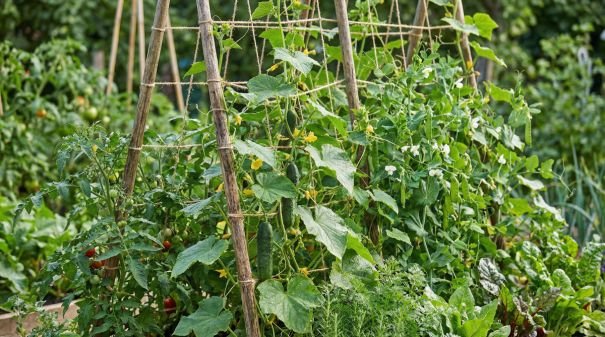
To maximize the output of your layout vegetable garden, you must utilize vertical space and implement strategic companion planting. Vertical structures like trellises and A-frames allow climbing vegetables to grow upward, freeing up valuable ground space for smaller crops. Simultaneously, grouping compatible plants together can naturally deter pests, improve soil health, and enhance the overall flavor and growth rate of your vegetables.
Vertical gardening is a game-changer for small-scale growers. By training vining plants such as cucumbers, pole beans, and certain tomato varieties to grow on vertical supports, you can effectively double or even triple your planting area. According to Cornell University Cooperative Extension (2025), vertical gardening not only saves space but also improves air circulation around the plants, which drastically reduces the risk of fungal infections and makes harvesting much easier on the back. These structures can also serve as beautiful focal points or privacy screens within your landscape design.
Another innovative strategy is the creation of Pet and Wildlife-Resistant Layouts. Instead of relying solely on expensive fencing, you can use natural barriers within your garden design. Planting strongly scented herbs like lavender, rosemary, or marigolds around the perimeter of your vegetable beds can act as a natural deterrent for many common garden visitors. Additionally, placing prickly or densely growing plants like raspberries or gooseberries at the edges of your plot can create a physical and psychological barrier that discourages pets and wildlife from entering your primary growing areas.
Essential Spacing and Succession Planning
Proper spacing and succession planning are the final components of a successful layout vegetable garden. Spacing ensures that each plant has adequate access to sunlight, water, and soil nutrients without being crowded by its neighbors. Succession planting involves sowing new seeds as soon as a crop is harvested, ensuring that no part of your garden remains empty and that your harvest continues uninterrupted from early spring until the first hard frost.
The key to intensive gardening is understanding the difference between row spacing and plant spacing. While traditional guides often recommend wide aisles for walking, intensive methods focus on the distance between individual plants within a bed. According to the University of California Agriculture and Natural Resources (2023), providing the correct amount of space for root development is essential for preventing nutrient competition and ensuring that each vegetable reaches its full potential. Overcrowding often leads to stunted growth and increased pest pressure, as stressed plants are more vulnerable to attack.
To help you plan your intensive layout, refer to the following spacing guide for common home-grown vegetables:
| Vegetable Type | Intensive Spacing (Inches) | Sunlight Requirement | Best Layout Type |
|---|---|---|---|
| Carrots | 2–3 | Full Sun | Square Foot / Raised Bed |
| Lettuce (Leaf) | 4–6 | Partial Shade | Intensive Rows / Containers |
| Tomatoes (Indeterminate) | 18–24 | Full Sun | Vertical / Trellised |
| Peppers | 12–15 | Full Sun | Raised Bed / Traditional Row |
| Cucumbers | 12 | Full Sun | Vertical / A-Frame |
Succession planning is what separates a novice gardener from an expert producer. By staggering your planting dates—for example, sowing a new row of radishes every two weeks—you avoid the “feast or famine” cycle where all your vegetables ripen at the exact same time. This technique is particularly effective for fast-growing cool-season crops like spinach, lettuce, and peas. Once these early crops are finished, the space can be immediately replanted with heat-loving summer vegetables like beans or squash, keeping your garden productive for as many months as possible.
Frequently Asked Questions
How do I plan the layout for my vegetable garden?
Start by observing your yard to identify the sunniest spot, as most vegetables require at least six to eight hours of direct sunlight. Measure the area and draw a simple map on paper or use a digital planner to designate where your beds and pathways will go. Prioritize easy access to water and ensure your pathways are wide enough for a wheelbarrow or garden cart.
What is the best layout for a small vegetable garden?
Raised beds or square-foot gardening are generally considered the best layouts for small spaces. These methods allow you to grow a high density of plants in a small footprint by eliminating the need for walking paths between every single row. You can also incorporate vertical elements like wall-mounted planters or trellises to further expand your growing area without taking up more ground space.
How much space do you need between vegetable rows?
In a traditional row garden, you typically need 18 to 36 inches between rows to allow for walking and easy cultivation. However, in intensive raised bed systems, you only need pathways between the beds themselves, which should be about 24 to 30 inches wide. Within the raised bed, plants are spaced just far enough apart so that their leaves touch when they reach maturity, creating a living mulch that suppresses weeds.
What vegetables should not be planted next to each other?
Some plants compete for the same nutrients or attract similar pests, making them poor neighbors. For example, you should avoid planting onions near beans or peas, as they can stunt their growth. Similarly, keeping potatoes away from tomatoes and peppers is wise because they are all members of the nightshade family and can share the same diseases, such as early or late blight.
How do I design a vegetable garden for beginners?
For beginners, the best approach is to start small with a simple 4×8 foot raised bed. This size is manageable and allows you to reach the center from either side without stepping on and compacting the soil. Focus on growing five to six of your favorite vegetables first to learn their growth habits before expanding into more complex layouts or specialized gardening techniques.
Can I grow a vegetable garden in the shade?
While most vegetables love the sun, you can still have a productive garden in partial shade. Focus on leafy greens like spinach, kale, and Swiss chard, or root vegetables like beets and carrots, which can tolerate four to six hours of sunlight. Avoid sun-loving crops like tomatoes, peppers, and melons, as they will likely produce very little fruit and be more susceptible to disease in shaded conditions.
Conclusion
A thoughtful layout vegetable garden is the foundation of a bountiful and enjoyable gardening experience. By carefully considering your space, incorporating intensive growing techniques like vertical and companion planting, and maintaining a disciplined succession schedule, you can achieve professional-level results in your own backyard. Remember that your garden layout is a living design that can be adjusted and improved each year as you learn more about your local climate and personal preferences. With a solid plan in place, you are well on your way to harvesting fresh, healthy, and delicious vegetables all season long.