




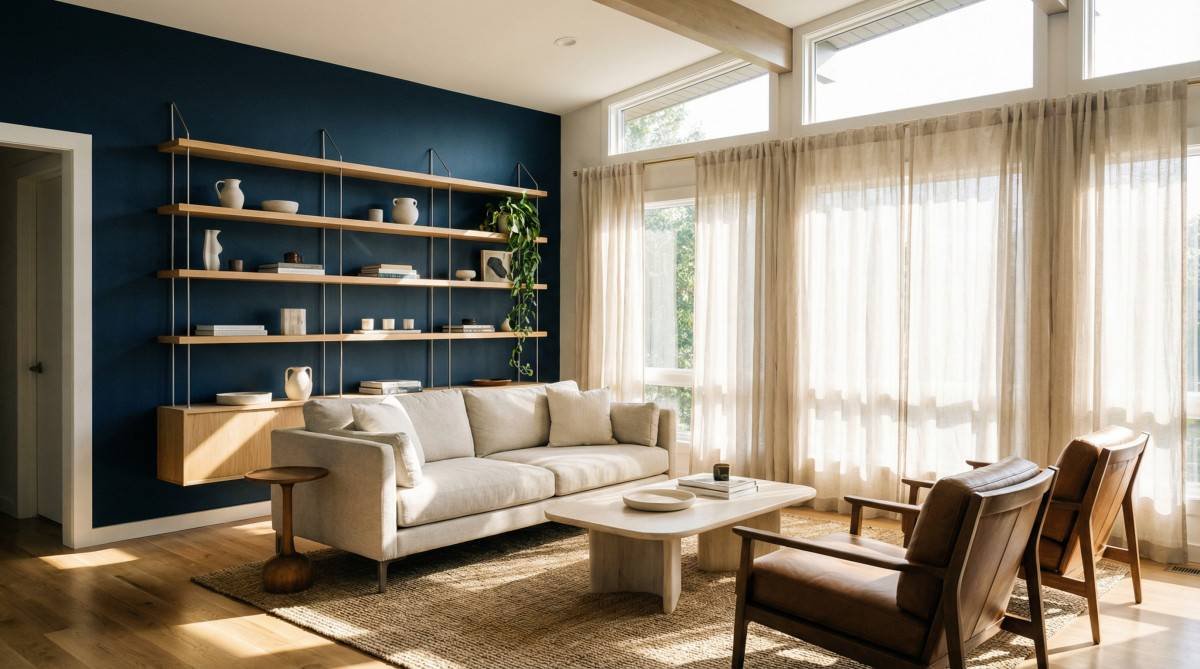
The modern homeowner increasingly views their living space as a canvas for personalization and a primary vehicle for financial investment. Engaging in diy home improvement projects has transitioned from a niche hobby to a mainstream economic strategy, allowing individuals to customize their environments while significantly enhancing property value. By taking a hands-on approach to home maintenance and aesthetic upgrades, you can achieve professional-grade results without the high labor costs associated with traditional contractors. This guide explores the most effective, high-impact projects that beginners and experienced DIYers alike can tackle to revitalize their homes.
High-Impact Interior DIY Home Improvement Projects
According to inter-west.com, high-impact interior DIY home improvement projects focus on visual transformations and functional upgrades that require minimal specialized tools. By prioritizing tasks like painting, hardware replacement, and lighting updates, homeowners can achieve a professional aesthetic at a fraction of the cost while immediately increasing the property’s daily livability and overall market appeal.
Fresh Paint and Accent Walls
Painting is arguably the most transformative of all diy home improvement projects. A fresh coat of neutral-toned paint can make a small room feel expanse and modern, while a bold accent wall adds character and depth to a living area. According to the National Association of Realtors (2024), interior painting remains the most cost-effective way to refresh a home’s appearance, often yielding a significant return on investment by appealing to the broadest range of potential buyers. When selecting colors, consider the room’s natural light and existing furniture to ensure a cohesive look that enhances the overall atmosphere.
Upgrading Cabinet Hardware and Fixtures
One of the simplest yet most effective ways to modernize a kitchen or bathroom is by replacing outdated cabinet hardware and plumbing fixtures. Swapping old, brass-finished knobs for sleek matte black or brushed gold handles can instantly elevate the room’s aesthetic. This project requires only a screwdriver and a few hours of time but provides a polished, high-end feel. Similarly, replacing a standard showerhead with a rainfall model or upgrading a kitchen faucet can improve daily functionality and add a touch of luxury to your home’s most-used spaces.
Smart Lighting and Dimmer Installations
Lighting plays a critical role in setting the mood and highlighting architectural features within a home. Installing dimmer switches allows for adjustable ambiance, making a room versatile for both task-oriented work and relaxation. Furthermore, integrating smart lighting systems that can be controlled via smartphone or voice command is a popular modern upgrade. These diy home improvement projects are relatively straightforward for those comfortable with basic electrical safety and can significantly improve the home’s energy efficiency and technological appeal.
Outdoor Enhancements for Curb Appeal
Enhancing curb appeal through outdoor DIY home improvement projects involves focusing on the home’s exterior “first impression” areas. Key activities include front door revitalization, basic landscaping, and installing pathway lighting. These projects are typically straightforward for beginners and offer some of the highest returns on investment by boosting the home’s perceived value from the street.
Front Door Revitalization
The front door is the focal point of your home’s exterior and sets the tone for the entire property. A simple project like painting the door a vibrant, welcoming color or replacing old, weathered hardware can dramatically improve curb appeal. According to Remodeling Magazine (2024), curb appeal projects like door replacement or basic landscaping can recoup up to 90% of their cost upon resale. Adding a new welcome mat and a couple of symmetrical planters can further enhance this critical first impression, making the home feel cared for and inviting.
Low-Maintenance Landscaping and Planters
Strategic landscaping does not require a professional gardener to be effective. Simple diy home improvement projects such as edging flower beds, adding fresh mulch, and planting low-maintenance perennials can transform a neglected yard into a lush, organized space. Mulching is particularly effective as it suppresses weeds, retains moisture, and provides a clean, finished look to garden beds. For those with limited space, installing window boxes or large porch planters can introduce greenery and color without the need for extensive digging or maintenance.
ROI vs. Effort: Choosing Your Next Project
Selecting the right DIY home improvement projects requires balancing the potential return on investment (ROI) with the required skill level and time commitment. Strategic homeowners prioritize “quick wins”—projects that take less than a weekend but offer significant visual or functional impact—before tackling complex structural or technical renovations that might eventually require professional intervention.
The following table outlines several popular diy home improvement projects, categorized by their typical cost, the effort required, and the estimated impact they have on a home’s overall value.
| Project Name | Estimated Cost | Effort Level | Value Impact |
|---|---|---|---|
| Interior Painting | $200 – $500 | Moderate | High |
| Hardware Swap | $50 – $150 | Low | Medium |
| Kitchen Backsplash | $300 – $800 | High | High |
| Smart Thermostat | $100 – $250 | Low | Medium |
| Garden Mulching | $50 – $100 | Moderate | Medium |
| Deck Staining | $150 – $300 | High | High |
By focusing on projects that fall into the “Low Effort, High Impact” category, you can systematically improve your home without becoming overwhelmed by the scope of work.
Essential Safety and Planning for DIYers
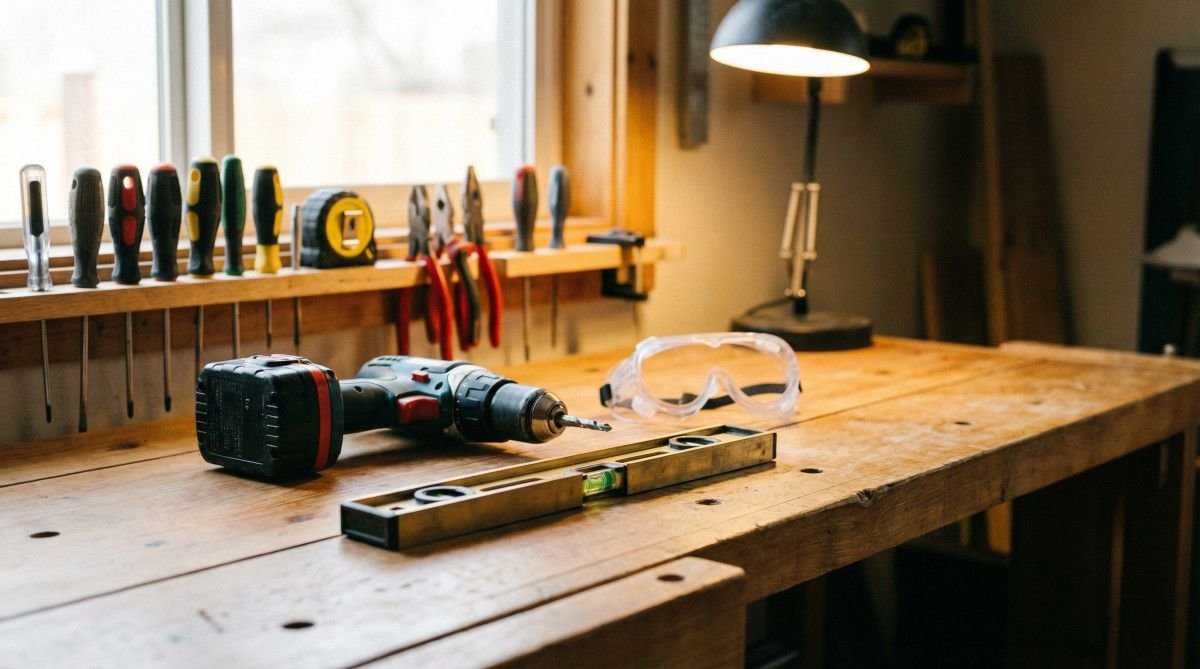
Successful DIY home improvement projects depend on rigorous planning and adherence to safety standards to prevent costly mistakes or personal injury. This involves conducting a thorough tool audit, understanding local permit requirements for electrical or plumbing work, and recognizing when a task exceeds personal expertise, ensuring that home improvements remain both safe and structurally sound.
When to DIY vs. Call a Pro
While the allure of saving money is strong, certain tasks should always be left to licensed professionals. Major electrical overhauls, structural wall removals, and complex gas plumbing pose significant safety risks and often require official permits to remain compliant with local building codes. A critical part of any diy home improvement projects strategy is knowing your limits. If a project involves potential structural instability or high-voltage electricity, the long-term cost of a mistake far outweighs the initial savings of doing it yourself.
Frequently Asked Questions
What are the most popular DIY home improvement projects?
The most popular projects typically include interior painting, upgrading kitchen and bathroom hardware, installing new light fixtures, and basic landscaping. These tasks are favored because they are beginner-friendly and provide immediate visual results.
What DIY projects add the most value to a home?
Kitchen and bathroom refreshes, such as painting cabinets or replacing old faucets, tend to offer the highest return on investment. Curb appeal improvements like front door painting and basic landscaping also significantly boost market value.
What are some easy DIY projects for beginners?
Beginners should start with tasks like changing cabinet knobs, painting a single room, installing a smart thermostat, or adding a tile backsplash using peel-and-stick options. These projects build confidence and require minimal tools.
How do I start a DIY home improvement project?
Begin by identifying a specific area of your home that needs improvement. Research the necessary materials and tools, set a realistic budget, and watch reputable tutorial videos to understand the step-by-step process before purchasing supplies.
Do I need a permit for DIY home improvements?
Permit requirements vary by location, but they are generally required for structural changes, new electrical circuits, and major plumbing alterations. Simple cosmetic updates like painting, flooring, and fixture swaps typically do not require permits.
How can I save money on DIY projects?
To save money, consider refinishing existing materials rather than replacing them, such as painting old cabinets. Additionally, you can rent specialized tools instead of buying them and shop for materials during holiday sales or at architectural salvage yards.
In conclusion, embarking on diy home improvement projects is a rewarding way to enhance your living environment while building valuable skills. Whether you are performing a simple hardware swap or revitalizing your home’s exterior, the key to success lies in careful planning, prioritizing safety, and choosing projects that align with your current skill level. With patience and the right approach, you can transform your house into a personalized home that reflects your style and increases in value over time.
References
1. National Association of Realtors (2024). 2024 Remodeling Impact Report.
2. Remodeling Magazine (2024). 2024 Cost vs. Value Report.