




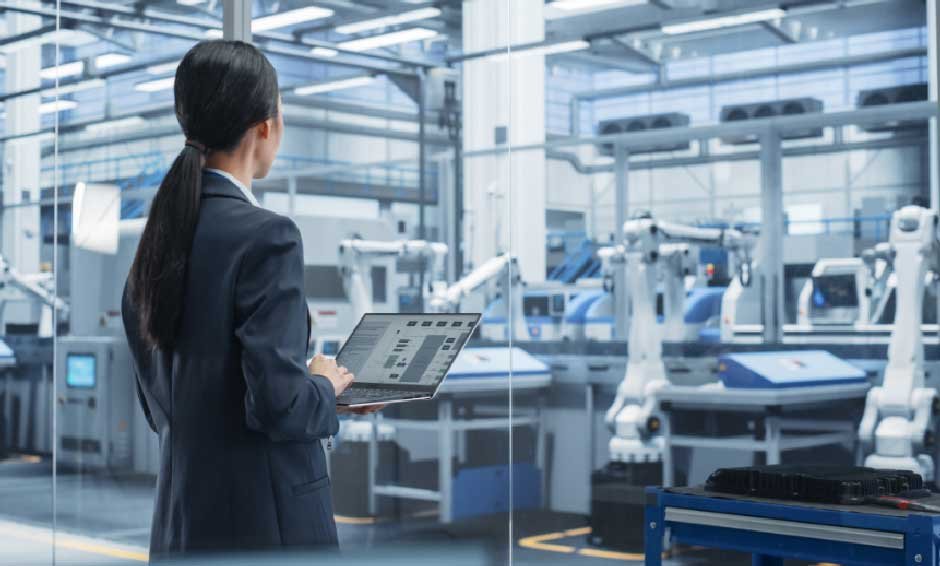
Smarter equipment is changing how businesses manage expenses.
It is no longer only about buying a newer machine. The real shift is toward tools that can automate work, track performance, and reduce waste.
That matters because companies now face rising labor, energy, maintenance, and material costs.
The businesses staying competitive are often the ones investing in systems that lower recurring expenses rather than relying on short-term cuts.
This article explains what smarter equipment means, how it saves money, which industries benefit most, and how companies can choose upgrades with the best return on investment.
Why Businesses Are Investing in Smarter Equipment to Cut Costs
Businesses are investing in smarter equipment because it reduces operating costs more effectively than manual fixes or simple budget reductions.
A better machine does not just run faster. It can prevent errors, lower energy use, and reduce downtime.
Instead of repeatedly paying for repairs, scrap, overtime, or slow production, companies shift spending toward equipment that removes those problems.
That turns cost-cutting into a long-term strategy rather than a short-term reaction.
This is why smarter equipment is becoming common in manufacturing, logistics, hospitality, and food production.
What Is Smarter Equipment in a Business Setting?
Smarter equipment is a category of connected, automated, or energy-efficient tools that help businesses produce more while using fewer resources.
It fits this topic because the value comes from measurable savings over time.
Examples include robotic handling systems, smart ovens, CNC machines, digital controls, energy-saving motors, and monitoring sensors.
These tools collect data, adjust performance, or automate tasks that once required manual input.
The shared benefit is simple.
They help businesses run more efficiently and predictably.
Automation Machines
Automation machines are systems that perform repeatable tasks with programmed precision.
They reduce labor pressure, improve consistency, and increase output.
Many manufacturers review servo drive applications when upgrading machinery because motion control systems can improve speed, positioning, and product quality.
Automation is especially useful in packaging, assembly, cutting, and material handling, where repetitive work creates labor costs.
IoT Monitoring Systems
IoT monitoring systems are connected tools that track machine condition in real time.
They are useful because they reveal problems before breakdowns become expensive.
A vibration sensor may detect wear, imbalance, or overheating early.
An energy monitor can show where power is being wasted.
This allows businesses to schedule maintenance before failures stop production.
Energy-Efficient Equipment
Energy-efficient equipment uses less electricity, gas, water, or compressed air while maintaining output.
This includes efficient motors, better insulation, variable-speed drives, and improved controls.
Although the purchase price may be higher, lower monthly utility bills often create strong long-term savings.
How Does Smarter Equipment Reduce Business Costs?
Smarter equipment reduces business costs by removing waste at the source.
It does this through better control, fewer manual steps, and improved maintenance planning.
The effect usually appears across several areas at once.
A faster machine may also reduce labor time, scrap, and energy use per unit.
The five most common savings areas are:
- Lower energy consumption
- Reduced labor costs
- Less downtime
- Fewer quality defects
- Higher output from existing space and staff
Lower Energy Bills
Smarter equipment lowers energy bills by matching power use to real demand.
Older machines often run at full output even when not needed.
Modern systems can slow down, pause efficiently, or optimize cycles automatically.
That saves money in factories, warehouses, and kitchens.
Reduced Labor Costs
Smarter equipment reduces labor costs by automating repetitive work.
Employees can then focus on supervision, quality checks, and higher-value tasks.
This does not always mean fewer workers.
Often, it means using existing staff more effectively.
Fewer Breakdowns and Repairs
Smarter equipment reduces breakdowns by detecting abnormal conditions early through sensors and controls.
Instead of waiting for failure, businesses can fix problems before they stop operations.
That leads to fewer emergency repairs and more predictable maintenance costs.
What Are the Main Benefits of Investing in Smarter Equipment?
The main benefits are lower costs, better consistency, higher output, and stronger planning.
These gains become more valuable as a company grows.
There are six major advantages:
- Cut waste by reducing scrap and rework.
- Improve uptime through preventive maintenance.
- Increase productivity with faster cycle times.
- Stabilize quality across shifts.
- Improve decision-making with live data.
- Support growth without matching every increase with new labor.
Which Industries Benefit Most from Smarter Equipment?
Manufacturing, hospitality, warehousing, and logistics often benefit the most because equipment directly affects margins in these sectors.
The four strongest use cases are:
- Manufacturing uses smart machines to improve throughput and reduce scrap.
- Hospitality uses connected cooking and refrigeration to cut utility and food waste.
- Warehousing uses automation to speed picking and packing.
- Logistics uses tracking systems to improve uptime and route efficiency.
Manufacturing
Manufacturing is one of the clearest examples because savings are easy to measure.
A factory can quickly see lower scrap, better uptime, and faster output.
Companies often compare CNC machines, press brakes, and laser systems before buying new equipment.
Many also explore robotic press brakes when they need more output with fewer manual handling steps.
Hospitality and Commercial Kitchens
Commercial kitchens benefit because equipment often runs for long hours every day.
Poor systems waste power, slow service, and increase food spoilage.
Modern ovens, refrigeration units, and holding systems improve temperature control and reduce waste.
That turns kitchen equipment into a profit tool rather than just an operating cost.
Warehousing and Logistics
Warehousing and logistics depend on speed, timing, and visibility.
A delay in one stage can increase overtime and missed delivery windows.
Smart conveyors, scanners, and tracking systems improve flow while reducing errors.
Smarter Equipment vs Traditional Equipment: Which Saves More?
Smarter equipment usually saves more over time by reducing operating losses.
Traditional equipment may cost less upfront, but it often uses more energy and requires more manual input.
| Factor | Smarter Equipment | Traditional Equipment |
| Purchase price | Higher upfront | Lower upfront |
| Energy use | Lower | Higher |
| Labor need | Lower | Higher |
| Maintenance | Predictive | Reactive |
| Quality consistency | Higher | Lower |
| Scalability | Easier | Harder |
Traditional machines can still work well for light use.
But for busy operations, smarter systems often win on total cost.
What Does Smarter Equipment Cost?
Smarter equipment prices vary widely depending on complexity.
Simple monitoring sensors may cost a few hundred dollars, while advanced production systems can cost tens or hundreds of thousands of dollars.
The main cost factors are:
- Machine size and power
- Automation level
- Software and controls
- Installation needs
- Training and support
The right question is not only price.
It is the rate at which the savings repay the investment.
How to Choose the Right Smart Equipment for Your Business
Choosing the right smart equipment starts with identifying the biggest cost problem first.
Most successful purchases follow three clear steps.
Step 1: Identify Biggest Cost Problems
Measure where money is being lost.
This may be downtime, scrap, high labor input, or excessive energy use.
Without this step, companies often end up buying the wrong solution.
Step 2: Compare ROI and Payback Time
Estimate how much the upgrade will save each month.
Then compare that to the total installed cost.
Include utility savings, maintenance reduction, labor efficiency, and productivity gains.
Step 3: Select Reliable Suppliers
Choose suppliers with strong support, access to spare parts, and training options.
A great machine with weak service can become a costly problem.
What Mistakes Should Businesses Avoid When Upgrading Equipment?
The biggest mistakes are overbuying, solving the wrong issue, and underestimating setup needs.
There are five common errors:
- Ignore the true bottleneck.
- Buy more capacity than needed.
- Forget training requirements
- Underestimate installation time
- Focus only on the purchase price, not the total cost.
Are Smart Machines Worth It for Small Businesses?
Yes, smart machines are often worth it for small businesses when they solve a clear cost problem.
A company does not need a full robotic system to benefit.
Sometimes one efficient oven, one sensor package, or one automated station can deliver a strong return.
Leasing and phased upgrades can also lower risk.
The key is buying for need, not buying for trend.
Conclusion
Smarter equipment is a practical way to reduce long-term operating costs.
It lowers waste, improves uptime, reduces labor pressure, and increases consistency.
That is why more businesses are moving beyond the cheapest upfront option.
A low purchase price can still create high costs later through downtime, energy waste, and poor efficiency.
The smartest investment is the equipment that solves the right problem and pays back through measurable savings over time.