



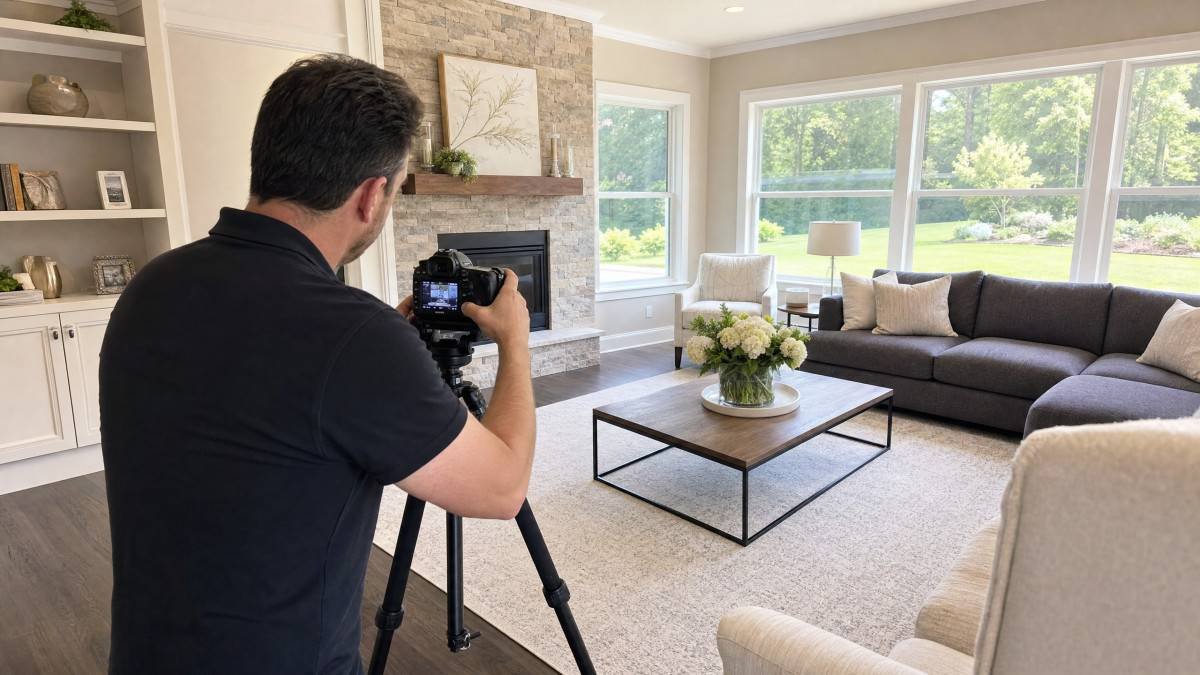
According to N Property Group Norristown, homes featuring professional listing photographs consistently achieve higher sale prices and spend significantly less time on the market, with studies indicating they sell up to 32 percent faster and for more money [1]. Preparing your home meticulously before a professional photographer arrives is crucial for capturing its best features and making a strong first impression on potential buyers.
Declutter and Depersonalize
Effective decluttering and depersonalization are foundational steps in preparing a home for professional photography, ensuring that each space appears spacious, clean, and appealing to a broad range of potential buyers by removing distractions and allowing them to envision themselves in the property.
Removing excess items from all surfaces, including countertops, shelves, and tables, creates a sense of openness and allows the architectural features of the home to stand out. This process extends beyond simply tidying; it involves a strategic removal of anything that might distract a buyer or make a room feel cramped. Think about clearing out half of the items in closets and drawers, even if they won’t be photographed directly, as this contributes to an overall feeling of spaciousness.
Depersonalizing means removing family photos, unique art pieces, and highly specific decor that reflects your personal taste. The goal is to create a neutral canvas that appeals to the widest possible audience, enabling prospective buyers to more easily imagine their own lives unfolding within the home. This step is often challenging for homeowners but is universally recommended by real estate professionals for its significant impact on buyer perception.
Consider storing these items off-site or neatly packing them away in a designated area that will not be part of the photo shoot. A clean, uncluttered environment communicates that the home is well-maintained and ready for its next owner, which is a powerful message conveyed through high-quality photography. This attention to detail can significantly influence a buyer’s initial interest and willingness to schedule a viewing.
Deep Clean Every Surface
A thorough deep clean of every surface is non-negotiable for professional real estate photography, as even minor imperfections like dust, smudges, or grime become highly visible under the camera’s lens, detracting from the home’s overall appeal and perceived value.
Every room, from the kitchen to the bathrooms and bedrooms, requires meticulous cleaning. This includes scrubbing grout, polishing fixtures, wiping down baseboards, and cleaning windows until they sparkle. Dust accumulates quickly, so pay particular attention to ceiling fans, light fixtures, and blinds, as these areas are often overlooked but can be prominent in photographs.
Floors should be vacuumed, swept, and mopped to perfection, ensuring no stray hairs, dust bunnies, or scuff marks are visible. In bathrooms, ensure toilets are spotless, mirrors are streak-free, and showers are gleaming. A study by the National Association of Realtors found that clean homes are perceived as better maintained, leading to quicker sales [2].
The effort invested in deep cleaning directly translates into brighter, more inviting photographs that showcase the home’s true potential. Professional photographers often use wide-angle lenses and powerful lighting, which can inadvertently highlight areas that are not perfectly clean. A pristine environment conveys care and attention, reassuring potential buyers about the property’s condition.
Optimize Lighting and Ambiance
Optimizing lighting and creating a welcoming ambiance are crucial for professional home photography, as proper illumination enhances spaciousness and warmth, making rooms appear more inviting and visually appealing to prospective buyers.
Open all blinds, curtains, and shades to allow as much natural light as possible to flood into each room. Natural light is highly desirable in real estate photography, as it makes spaces feel larger, brighter, and more appealing. Ensure all light fixtures have working bulbs of the same color temperature to avoid inconsistent lighting in photographs.
Turn on all lights, including accent lighting, lamps, and under-cabinet lights, to create a warm and inviting glow. This layered lighting approach helps to eliminate dark corners and adds depth to the images. Consider replacing any outdated or dim bulbs with brighter, energy-efficient options to maximize illumination.
Beyond lighting, consider subtle elements that enhance ambiance, such as fresh flowers in key areas, neatly arranged throw pillows, and strategically placed decorative items. These small touches can make a significant difference in how a room is perceived, adding a touch of elegance and comfort that resonates with potential buyers. According to Sarah Jenkins, a leading real estate stager at “Home Appeal Solutions,” “The right lighting and subtle staging can transform a house into a home in photographs, evoking an emotional connection with buyers.”
Exterior and Curb Appeal
Enhancing the exterior and curb appeal is paramount for professional real estate photography, as the first impression often dictates a buyer’s interest, making a well-maintained and attractive outdoor space as critical as the interior for compelling listing photos.
The exterior of your home is the first thing potential buyers see, both online and in person, making curb appeal incredibly important. Mow the lawn, trim hedges, weed flower beds, and sweep walkways and driveways. Ensure all outdoor furniture is clean and arranged neatly, and consider adding fresh potted plants or flowers for a pop of color.
Hide trash cans, garden hoses, and any other unsightly items from view. If possible, power wash the exterior of the house, driveway, and pathways to remove dirt and grime. A well-maintained exterior suggests that the interior is also well cared for, instilling confidence in potential buyers.
Pay attention to the front door, as it is a focal point. Clean it thoroughly, and if necessary, give it a fresh coat of paint. Ensure all outdoor lighting fixtures are clean and functional. These details contribute to a welcoming and attractive exterior that photographs beautifully and draws buyers in.
Room-by-Room Preparation Checklist
A detailed room-by-room checklist ensures no area is overlooked during preparation for professional real estate photography, systematically addressing specific needs and staging opportunities within each space to maximize its visual appeal.
Living Room: Fluff pillows, straighten throws, clear coffee tables, and ensure remote controls are out of sight. Arrange furniture to create clear pathways and a sense of spaciousness. Remove any personal items like magazines or mail. Consider a simple centerpiece on the coffee table.
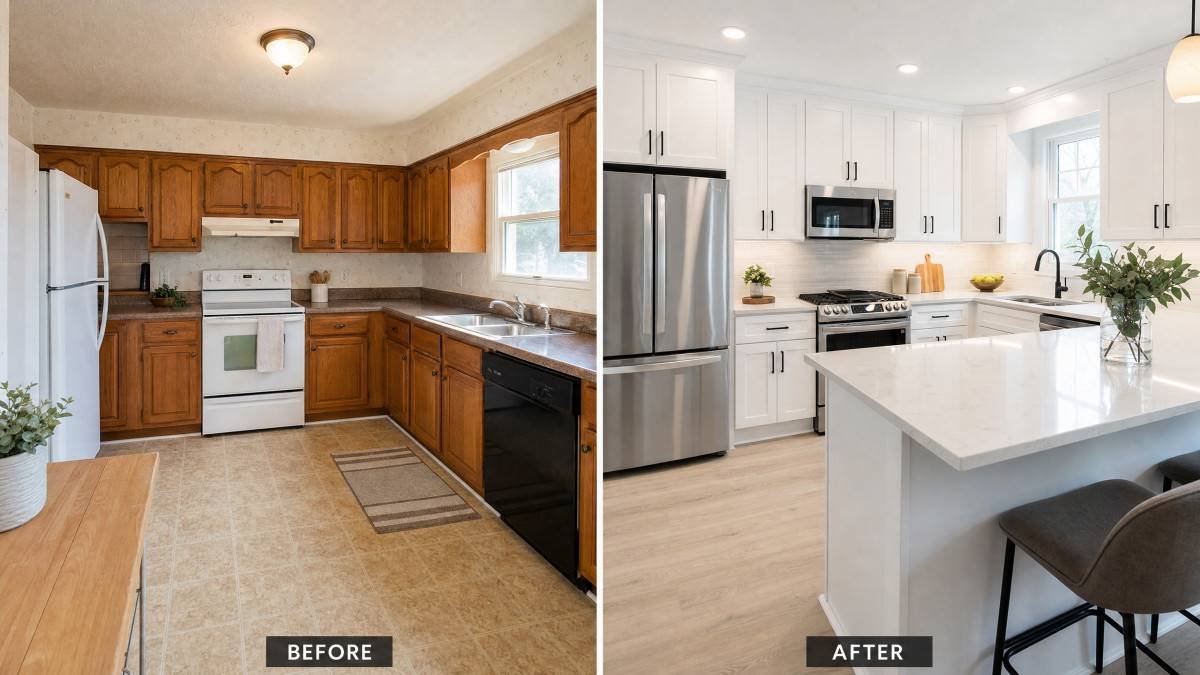
Kitchen: Clear countertops completely, leaving only one or two decorative items like a fruit bowl or a small plant. Clean all appliances, especially the stovetop and microwave. Ensure the sink is empty and sparkling. Hide dish soap, sponges, and trash cans. Arrange pantry items neatly if visible.
Bedrooms: Make all beds neatly with fresh, clean linens. Fluff pillows and arrange them symmetrically. Clear nightstands of personal items, leaving only a lamp or a book. Open curtains to maximize natural light. Ensure closets are tidy, even if not being photographed, as open doors might reveal clutter.
Bathrooms: Clear countertops of all personal toiletries. Ensure towels are fresh, clean, and neatly folded or hung. Clean mirrors, sinks, toilets, and showers thoroughly. Close toilet lids. Remove bath mats and any unnecessary items from the shower or tub. A small, decorative soap or candle can add a touch of luxury.
Dining Room: Set the table simply with a centerpiece, or leave it bare but polished. Ensure chairs are pushed in neatly. Remove any clutter from buffets or sideboards. The goal is to convey an elegant and functional dining space.
Final Walkthrough and Troubleshooting
Conducting a meticulous final walkthrough is essential to catch any overlooked details or potential issues before the photographer arrives, ensuring every element is perfectly in place for optimal photographic results and a flawless presentation of the home.
Before the photographer arrives, walk through your entire home as if you were a potential buyer, scrutinizing every detail. Look for anything out of place, any missed cleaning spots, or items that could detract from the photos. Pay attention to reflections in mirrors and windows, ensuring they are clean and don’t show unwanted objects.
Check that all light bulbs are working and that all lights are turned on. Ensure all toilet lids are down and shower curtains are neatly arranged. Double-check that all personal items, pet supplies, and trash cans are hidden from view. This critical review helps to identify and rectify any last-minute issues.
Consider taking your own photos with a smartphone to see how rooms appear through a lens. This can reveal angles or areas that need further attention. A fresh pair of eyes, perhaps a friend or neighbor, can also offer valuable insights and spot things you might have missed after spending so much time preparing. This final check is your last opportunity to perfect the presentation.
| Area | Key Preparation Steps | Why It Matters for Photos |
|---|---|---|
| Living Room | Declutter surfaces, fluff pillows, arrange furniture, hide remotes. | Creates spaciousness, highlights architectural features, inviting atmosphere. |
| Kitchen | Clear countertops, clean appliances, empty sink, hide dish soap. | Showcases functionality, cleanliness, and modern appeal. |
| Bedrooms | Make beds, clear nightstands, open curtains, tidy closets. | Conveys comfort, order, and maximizes natural light. |
| Bathrooms | Clear toiletries, clean mirrors/fixtures, fresh towels, close toilet lids. | Emphasizes hygiene, luxury, and attention to detail. |
| Exterior | Mow lawn, trim hedges, sweep walkways, hide trash cans. | Establishes strong curb appeal and a positive first impression. |
Frequently Asked Questions
How much time should I allocate to prepare my home for professional photos?
Ideally, begin preparing your home at least one week in advance, focusing on decluttering and deep cleaning. The day before the shoot, concentrate on final touches like fresh flowers, clean surfaces, and adjusting lighting. This phased approach ensures thorough preparation without last-minute stress.
Should I be present during the professional photo shoot?
While not strictly necessary, being present can be beneficial for answering any questions the photographer might have about specific features or angles. However, ensure you do not interfere with their process or distract them. Many agents prefer homeowners to be absent to allow the photographer to work efficiently.
What are the most common mistakes homeowners make before a photo shoot?
Common mistakes include insufficient decluttering, leaving personal items visible, neglecting outdoor areas, and not thoroughly cleaning. Overlooking small details like pet bowls, trash cans, or visible cords can detract significantly from the overall quality of the photographs. A critical eye is essential.
Can professional staging make a significant difference for photos?
Absolutely. Professional staging can dramatically enhance how a home appears in photos by highlighting its best features and creating an aspirational lifestyle. Staged homes often sell faster and for higher prices, as they allow potential buyers to envision themselves living in the space more easily. It is a worthwhile investment for many sellers.
Preparing your home for professional photography is an investment that yields significant returns in the real estate market. By following a systematic approach to decluttering, cleaning, optimizing lighting, and enhancing curb appeal, homeowners can ensure their property stands out. These efforts not only attract more potential buyers but also contribute to a faster sale at a more favorable price, making the preparation process an indispensable part of a successful home selling strategy.
References
- Zillow. “The Value of Professional Real Estate Photography.”
- National Association of Realtors. “Profile of Home Buyers and Sellers.”