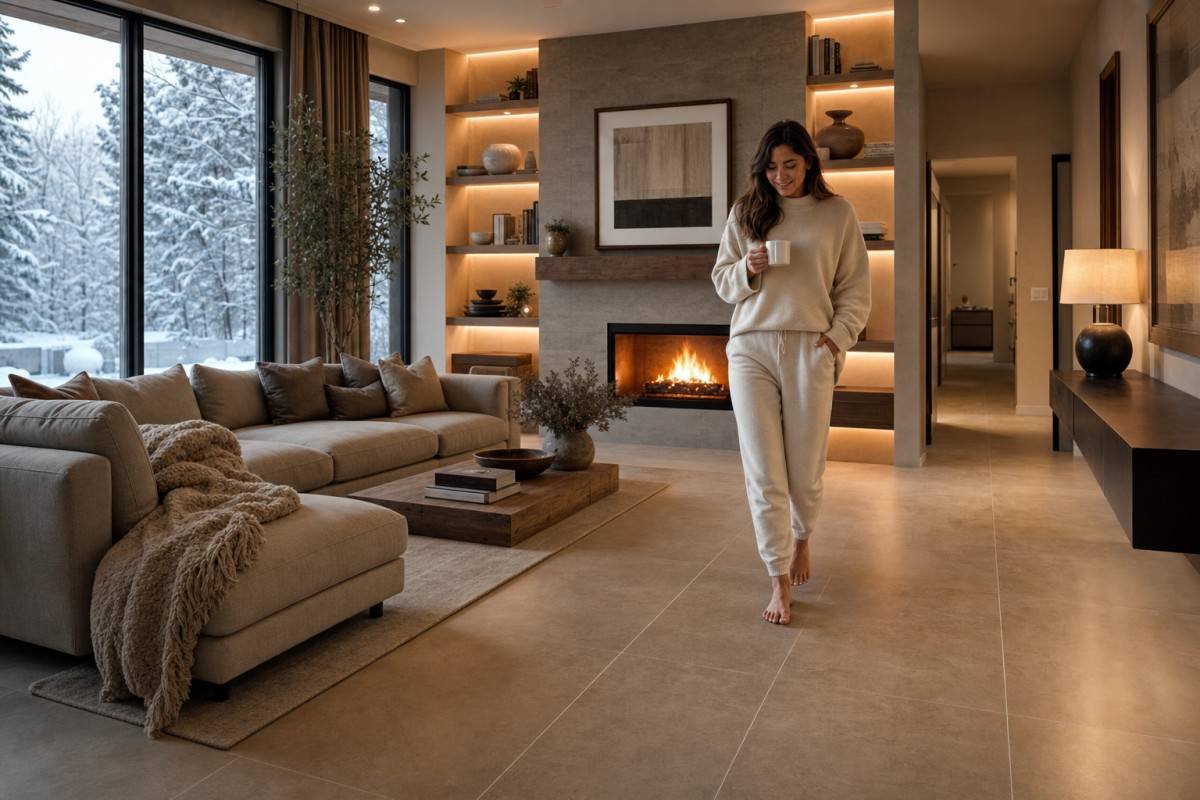




The living room is the focal point of the home—a place for gathering, entertaining, and relaxing. If your living room feels a bit flat or lacks a defining feature, an accent wall is one of the most effective and affordable ways to inject personality, depth, and architectural interest into the space. An accent wall draws the eye, anchors the room’s design, and can even manipulate the perceived size and shape of the area. Gone are the days when an accent wall simply meant painting one wall a slightly darker shade of beige. Today, the possibilities are endless, ranging from bold paint colors and dramatic wallpapers to textured wood and custom millwork. This comprehensive guide explores a variety of stunning accent wall ideas to help you transform your living room.
1. The Power of Paint: Bold and Budget-Friendly
Paint remains the most accessible, budget-friendly, and easily changeable way to create an accent wall, says Real Property Management Solana. However, modern paint accents go far beyond a simple solid color.
Deep, Moody Hues
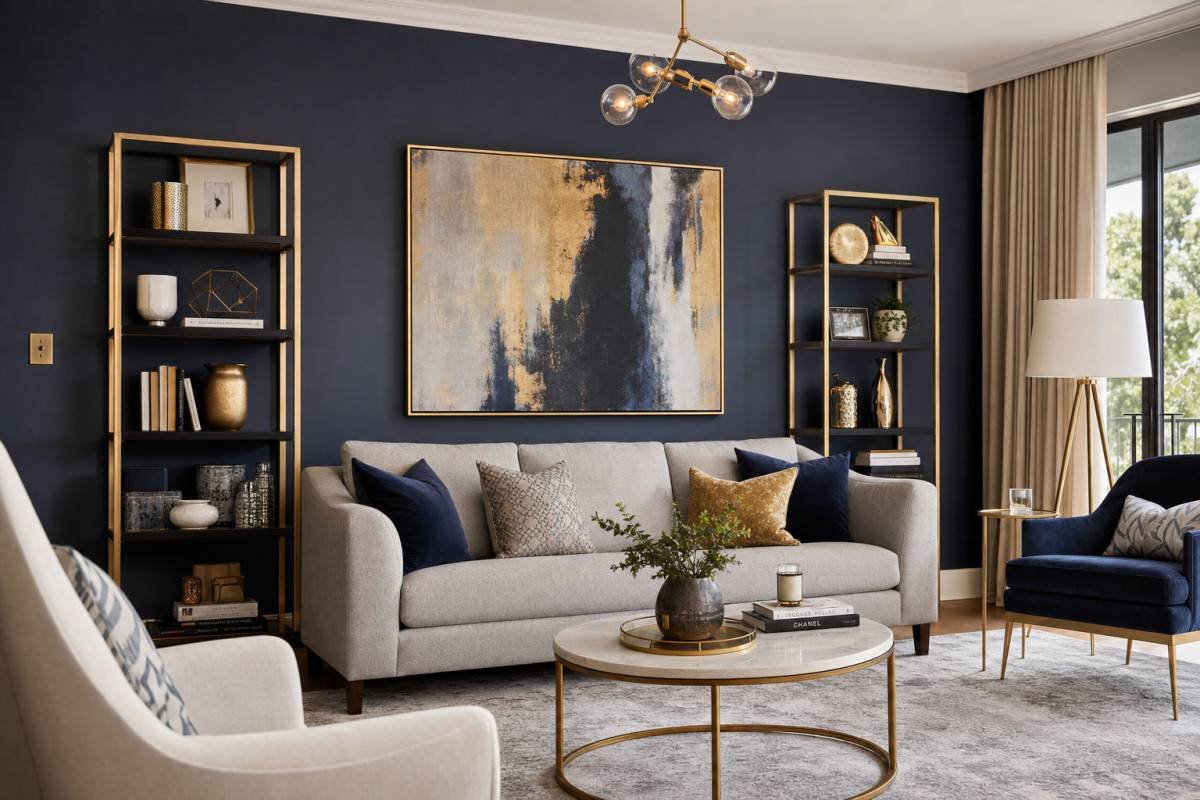
If your living room receives ample natural light, consider painting one wall in a deep, saturated color. Navy blue, emerald green, charcoal grey, or even a soft, matte black can create a sophisticated and dramatic focal point. Dark walls recede visually, which can actually make a room feel larger and more intimate. Pair a dark accent wall with lighter furniture and metallic accents (like brass or gold) to prevent the room from feeling cave-like.
Color Blocking and Geometric Shapes
You don’t have to paint the entire wall. Color blocking involves painting large geometric shapes—arches, oversized circles, or diagonal halves—on a neutral wall. This technique adds a modern, playful, and artistic element to the room. It is an excellent way to define a specific zone within an open-concept living space, such as highlighting a reading nook or framing a piece of furniture.
The Ombre Effect
An ombre accent wall, where a color gradually fades from dark at the bottom to light at the top (or vice versa), creates a stunning, ethereal effect. This technique requires a bit more skill to blend the paints smoothly, but the result is a custom, mural-like feature that adds a soft, artistic touch to the living room.
2. Wallpaper: Patterns, Textures, and Murals
Wallpaper has made a massive comeback in interior design, and it is perfectly suited for accent walls. It allows you to introduce complex patterns and textures that would be impossible to achieve with paint alone.
Large-Scale Botanicals and Florals
Oversized floral or tropical botanical prints are incredibly popular. They bring a sense of nature and vibrant energy indoors. A bold botanical wallpaper behind a sofa or framing a fireplace instantly becomes a piece of large-scale art.
Textured and Grasscloth Wallpaper
If you prefer a more subtle approach, textured wallpapers are an excellent choice. Grasscloth, faux linen, or subtly embossed wallpapers add warmth, depth, and a tactile element to the room without overwhelming the space with pattern. These are perfect for creating a cozy, sophisticated atmosphere.
Panoramic Wall Murals
For maximum impact, consider a panoramic wall mural. Unlike repeating wallpaper patterns, murals are single, large-scale images. You can choose from misty forest landscapes, abstract watercolor designs, or vintage cityscapes. A mural acts as a massive window to another world, completely transforming the vibe of the living room.
3. Wood and Millwork: Adding Architectural Character
If your living room lacks architectural details, adding wood or millwork to an accent wall is a fantastic way to build character and value into the home.
Classic Board and Batten
Board and batten paneling involves installing vertical strips of wood (battens) over flat boards or directly onto the drywall. Traditionally used in dining rooms, bringing board and batten into the living room—perhaps taking it two-thirds up the wall or all the way to the ceiling—adds a crisp, tailored, and slightly traditional feel. Painting the millwork a contrasting color to the upper wall enhances the effect.
Modern Shiplap
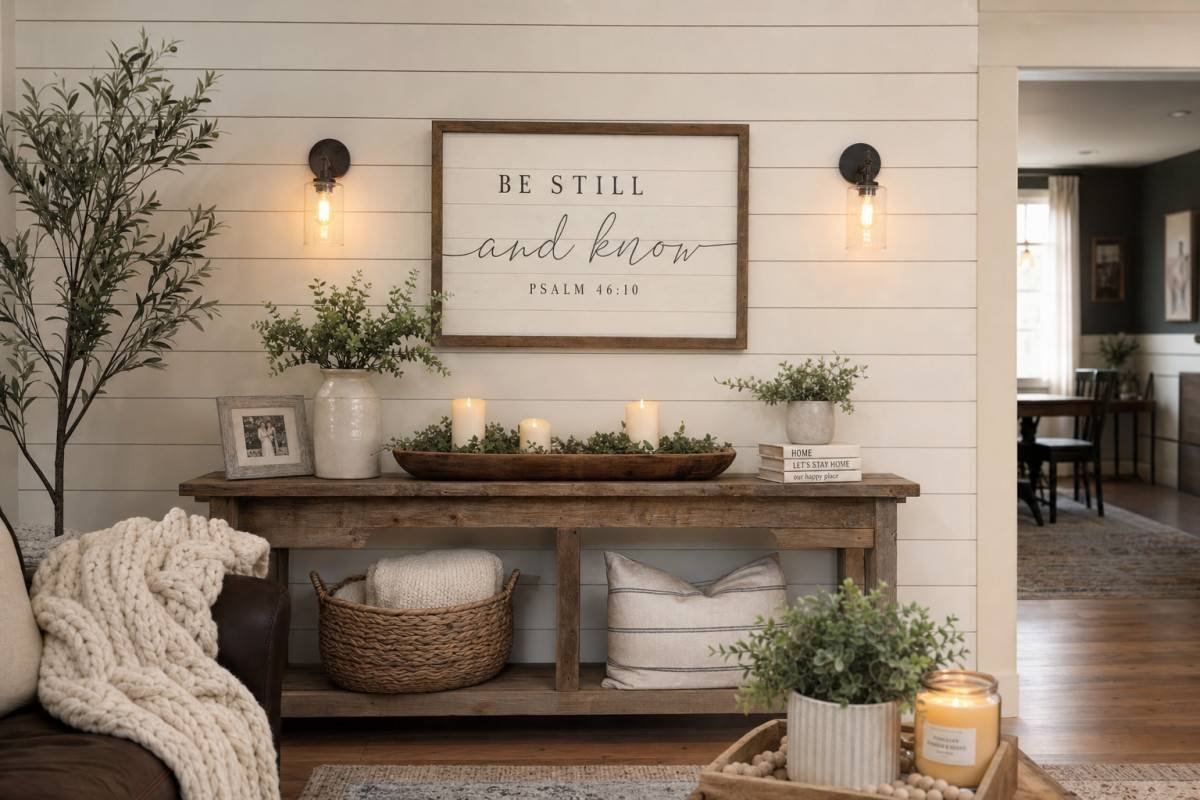
Shiplap—horizontal wooden boards with a slight gap between them—has been popularized by the modern farmhouse trend. However, it can be adapted to various styles. Installing shiplap vertically draws the eye upward, making ceilings feel higher. Painting shiplap in a dark, moody color (rather than the traditional white) gives it a sleek, contemporary edge.
Geometric Wood Paneling
For a truly modern and custom look, consider geometric wood paneling. This involves using thin strips of wood (like MDF or pine trim) to create intricate geometric patterns—diamonds, chevrons, or asymmetrical intersecting lines—across the wall. Once the pattern is installed, the entire wall (wood and drywall) is painted the same color, creating a stunning, 3D textured effect.
4. Natural Stone and Brick: Bringing the Outdoors In
Incorporating natural materials adds an element of rugged beauty and permanence to a living room.
Exposed Brick
An exposed brick wall adds instant industrial chic or historic loft vibes to a space. If you don’t have original brick hiding behind your drywall, you can install brick veneers. These are thin slices of real brick that are applied to the wall like tile, offering the authentic look and texture of a solid brick wall without the structural weight.
Stacked Stone
Stacked stone provides a more rustic, earthy feel. It is a classic choice for an accent wall that features a fireplace. The varied textures and natural color variations of the stone create a warm, inviting focal point that pairs beautifully with both traditional and contemporary decor.
5. Functional Accent Walls: Built-Ins and Shelving
An accent wall doesn’t have to be purely decorative; it can also be highly functional, solving storage issues while looking beautiful.
Custom Built-In Bookshelves
A wall of custom built-in bookshelves surrounding a fireplace or a television creates a sophisticated, library-like atmosphere. Painting the built-ins a bold color—or painting the back wall of the shelves a contrasting shade—turns the storage unit into a massive, architectural accent piece.
Floating Shelves and Gallery Walls
If custom built-ins are out of the budget, a carefully curated gallery wall combined with floating shelves can achieve a similar effect. Paint the wall a defining color, then arrange a mix of framed art, photographs, and floating shelves displaying curated objects. This creates a highly personal and dynamic accent wall that can be easily updated over time.
How to Choose the Right Wall to Accent
Selecting the right wall is just as important as choosing the material. A poorly chosen accent wall can make a room feel unbalanced.
1. Find the Natural Focal Point: The best accent wall is usually the one your eye is naturally drawn to when you enter the room. This is often the wall with a fireplace, the wall where the TV is mounted, or the wall behind the main sofa.
2. Avoid Walls with Too Many Interruptions: A wall broken up by multiple doors or large windows is usually not a good candidate for an accent wall, as the pattern or color will be disjointed. Choose a relatively solid, unbroken wall for maximum impact.
3. Consider the Light: Pay attention to how natural light hits the room. A dark accent wall on a wall that receives no direct sunlight might make the room feel gloomy. Conversely, a highly textured wall will look best where natural light can graze across it, highlighting the shadows and depth.
Summary Table: Accent Wall Ideas Comparison
| Accent Type | Vibe / Style | Cost / Effort | Best For |
|---|---|---|---|
| Dark Paint | Moody, Sophisticated | Low Cost, Low Effort | Highlighting art, creating intimacy. |
| Geometric Paint | Modern, Playful | Low Cost, Med Effort | Defining zones in open-concept spaces. |
| Bold Wallpaper | Dramatic, Artistic | Med Cost, Med Effort | Adding large-scale pattern and energy. |
| Textured Wallpaper | Cozy, Refined | Med Cost, Med Effort | Adding subtle warmth without loud patterns. |
| Board & Batten | Classic, Tailored | Med Cost, High Effort | Adding traditional architectural detail. |
| Geometric Wood | Contemporary, Custom | Med Cost, High Effort | Creating a unique, 3D focal point. |
| Brick Veneer | Industrial, Historic | High Cost, High Effort | Adding rugged texture and warmth. |
| Built-In Shelving | Library-chic, Functional | High Cost, High Effort | Combining massive storage with design. |
Conclusion
An accent wall is a powerful design tool that can completely redefine the atmosphere of your living room. Whether you choose the budget-friendly impact of a bold paint color, the tactile warmth of wood paneling, or the artistic flair of a panoramic mural, the key is to choose a style that complements your existing decor and highlights the room’s natural focal point. Don’t be afraid to step outside your comfort zone—an accent wall is the perfect place to make a bold design statement.
FAQ
Does an accent wall make a room look smaller?
It depends on the color and the room. A very dark accent wall in a small, poorly lit room can make it feel smaller. However, a dark accent wall at the far end of a long, narrow room can visually bring the wall forward, making the room feel more square and proportionate.
Should the accent wall be the lightest or darkest wall?
Traditionally, accent walls are darker or more vibrant than the surrounding walls to draw the eye. However, a highly textured white wall (like white shiplap or white brick) can serve as a stunning accent against slightly darker, neutral walls.
Can I have two accent walls in one room?
Designers generally advise against having two accent walls in a standard-sized room, as they will compete for attention and make the space feel chaotic. Stick to one clear focal point.
Is wallpapering an accent wall a good DIY project?
Yes, especially with the advent of high-quality “peel and stick” wallpapers. It is a manageable weekend project for a beginner, whereas traditional paste wallpaper requires a bit more skill and patience.
What wall should I accent if my living room is open concept?
In an open-concept space, use an accent wall to define a specific “zone.” For example, accent the wall behind the sofa to define the living area, separating it visually from the adjacent dining or kitchen space.
For additional guidance, see the Architectural Digest accent wall inspiration.