





Imagine stepping out of a warm shower onto a floor that is equally warm and inviting, rather than bracing yourself against ice-cold tile. Or picture your entire living room enveloped in a consistent, gentle warmth during the depths of winter, without the noise or drafts of a forced-air system. This is the reality of radiant floor heating. While often considered a luxury upgrade, radiant floor heating systems are becoming increasingly popular in modern home construction and renovations due to their unparalleled comfort and impressive energy efficiency. This comprehensive guide explores the numerous benefits of radiant floor heating, helping you determine if it is the right investment for your home.
Understanding How Radiant Floor Heating Works
Before delving into the benefits, it is helpful to understand the mechanics. Unlike traditional forced-air systems that blow heated air into a room (which quickly rises to the ceiling and creates drafts), radiant floor heating warms the room from the ground up, notes Rentwerx Property Management San Antonio.
There are two primary types of radiant floor heating systems:
1. Electric Radiant Floors: These systems use zigzagging loops of electric resistance wire or mats embedded in the floor. They are typically easier and less expensive to install, making them popular for retrofitting single rooms like bathrooms or kitchens.
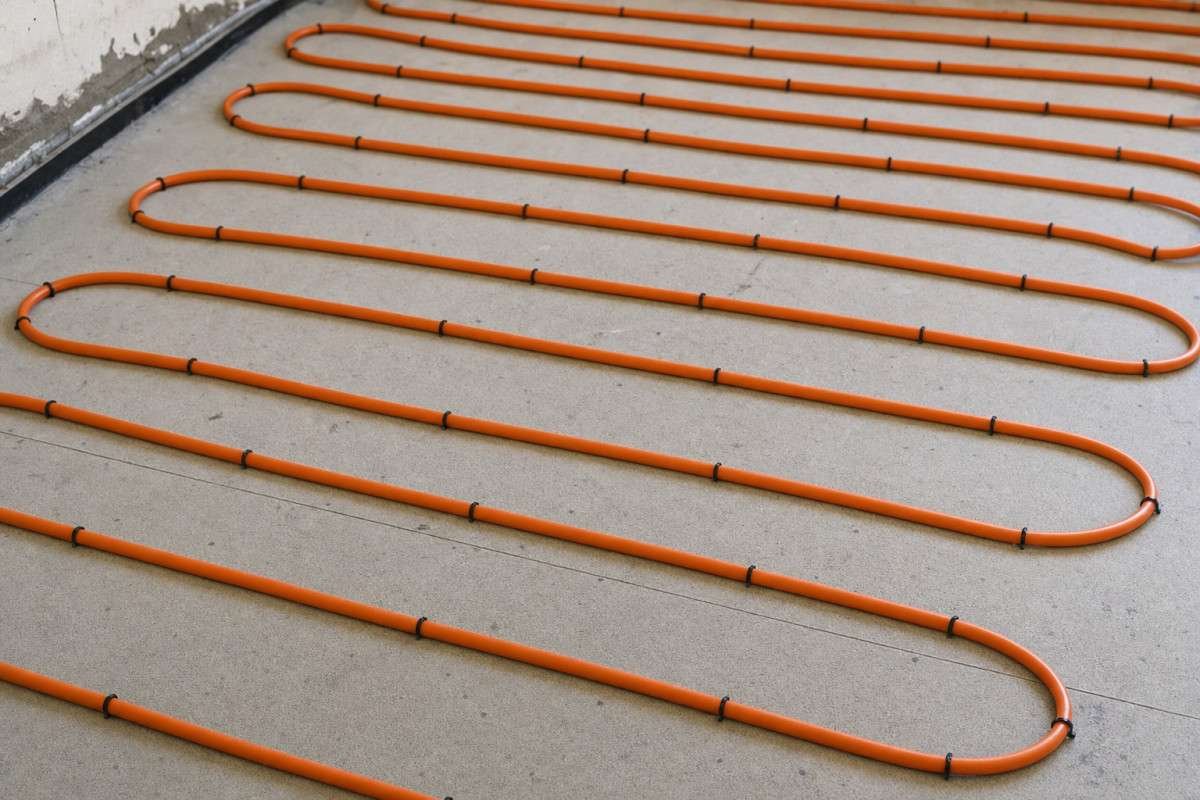
2. Hydronic (Water) Radiant Floors: These systems pump heated water from a boiler through a network of flexible tubing (usually PEX) laid underneath the floor. Hydronic systems are more complex and expensive to install initially but are significantly more cost-effective to operate, making them the preferred choice for heating entire homes.
Regardless of the type, the principle remains the same: the system heats the floor mass, which then radiates that heat upward, warming the objects and people in the room directly, much like the sun warms the earth.
1. Unmatched Comfort and Consistent Temperature
The most immediate and noticeable benefit of radiant floor heating is the profound level of comfort it provides.
Even Heat Distribution
Traditional forced-air systems are notorious for creating uneven temperatures. The air near the vents is hot, while the air across the room remains chilly. Furthermore, because hot air rises, the ceiling is often the warmest part of the room, leaving your feet cold. Radiant heating eliminates this problem. The entire floor surface acts as a giant radiator, providing a consistent, even blanket of warmth across the entire room. There are no cold spots or drafty corners.
Heating People, Not Just Air
Because radiant heat warms objects and people directly rather than just heating the air, you actually feel warmer at a lower ambient room temperature. You might find that you are perfectly comfortable with the thermostat set to 68°F (20°C) with radiant heat, whereas you might need a forced-air system set to 72°F (22°C) to achieve the same level of perceived comfort.
2. Significant Energy Efficiency and Cost Savings
While the initial installation cost of radiant heating can be higher than traditional systems, the long-term energy savings are substantial.
Lower Operating Temperatures
Hydronic radiant floor systems operate at much lower temperatures than traditional baseboard radiators or forced-air furnaces. A radiant floor might only need water heated to 85-100°F (29-38°C) to warm a room effectively, whereas a traditional radiator requires water heated to 130-160°F (54-71°C). This lower operating temperature means the boiler consumes significantly less energy.
Reduced Heat Loss
Forced-air systems suffer from significant heat loss (often up to 20-30%) as the heated air travels through the ductwork, especially if the ducts pass through unheated spaces like attics or crawlspaces. Radiant systems have no ducts, eliminating this source of energy waste. The heat is delivered exactly where it is needed.
Zoning Capabilities
Radiant heating systems are incredibly easy to zone. You can install individual thermostats in every room, allowing you to heat only the spaces you are actively using. You can keep the living room warm and cozy while leaving the unused guest bedroom cooler, further reducing energy consumption.
3. Improved Indoor Air Quality
For individuals who suffer from allergies, asthma, or other respiratory issues, radiant floor heating offers a massive advantage over forced-air systems.
No Circulating Dust or Allergens
Forced-air systems rely on blowers to push air through ducts and vents. This constant circulation stirs up dust, pet dander, pollen, and other airborne allergens, distributing them throughout the house. Radiant heating is entirely silent and draft-free. It does not blow air around, meaning the air in your home remains much cleaner and healthier to breathe.
Ideal Humidity Levels
Forced-air heating tends to dry out the air in a home, leading to dry skin, static electricity, and respiratory discomfort. Radiant heating does not alter the humidity levels in the room, maintaining a more comfortable and natural indoor environment.
4. Design Freedom and Aesthetics
Radiant floor heating is completely invisible, offering significant advantages for interior design.
No Unsightly Vents or Radiators
Traditional heating systems require bulky radiators, baseboard heaters, or floor and ceiling vents. These elements dictate furniture placement and can detract from the aesthetic appeal of a room. With radiant heating, the system is entirely hidden beneath the floor. You have complete freedom to place furniture wherever you like without worrying about blocking a heat source.
Compatibility with Various Floor Coverings
Radiant heating can be installed under a wide variety of flooring materials. While materials with high thermal mass, like ceramic tile, natural stone, and concrete, are the most efficient conductors of radiant heat, the systems can also be used effectively under engineered hardwood, laminate, and even certain types of carpet (though thick carpets act as insulators and reduce efficiency).
5. Quiet Operation
If you are sensitive to noise, radiant heating is a revelation. Forced-air systems announce their presence with the whoosh of air and the clanking of expanding ductwork. Radiators can hiss and ping as they heat up. Radiant floor heating, particularly hydronic systems, operates in near-total silence. You will enjoy a warm home without any background mechanical noise.
6. Increased Property Value
Installing a radiant floor heating system is considered a premium upgrade. It is a highly desirable feature for prospective homebuyers, particularly in colder climates. While it requires an upfront investment, it can significantly increase the resale value of your home and make it stand out in the real estate market.
Potential Drawbacks to Consider
While the benefits are numerous, it is important to acknowledge the potential drawbacks before making a decision.
- High Initial Cost: The upfront cost of materials and installation for radiant heating (especially hydronic systems) is significantly higher than installing a standard forced-air furnace.
- Installation Complexity: Retrofitting radiant heating into an existing home can be highly disruptive, often requiring the removal of existing flooring and sometimes altering floor heights. It is most cost-effective when installed during new construction or major renovations.
- Slower Response Time: Radiant floors have a high thermal mass, meaning they take longer to heat up and cool down compared to forced-air systems. They are best suited for maintaining a consistent temperature rather than rapidly changing the temperature of a room.
Summary Table: Radiant Heating vs. Forced Air
| Feature | Radiant Floor Heating | Forced-Air Heating |
|---|---|---|
| Heat Distribution | Even, consistent from the floor up. | Uneven, prone to drafts and cold spots. |
| Energy Efficiency | High (no duct loss, lower operating temps). | Lower (heat loss through ducts). |
| Air Quality | Excellent (no circulating dust/allergens). | Poor (blows dust and allergens). |
| Aesthetics | Invisible, no restrictions on furniture. | Visible vents/registers dictate layout. |
| Noise Level | Silent operation. | Noisy (blowers, expanding ducts). |
| Initial Cost | High. | Moderate. |
| Response Time | Slow (takes time to heat the floor mass). | Fast (rapidly heats the air). |
Conclusion
Radiant floor heating offers a superior heating experience characterized by unmatched comfort, significant energy savings, and improved indoor air quality. While the initial installation cost is a factor to consider, the long-term benefits—both in terms of reduced utility bills and enhanced quality of life—often make it a worthwhile investment. Whether you are building a new home or undertaking a major renovation, radiant floor heating is a premium feature that transforms how you experience winter in your home.
FAQ
Can radiant floor heating heat an entire house?
Yes, hydronic (water-based) radiant floor heating systems are highly efficient and are frequently used as the primary and sole heat source for entire homes, even in very cold climates.
Is electric radiant heating expensive to run?
Electric radiant heating can be expensive to operate if used to heat large areas. It is generally recommended for supplemental heating in smaller spaces, like bathrooms or kitchens, rather than whole-house heating.
Can I put hardwood floors over radiant heating?
Yes, but you must use engineered hardwood rather than solid hardwood. Solid wood is prone to warping and cracking from the direct heat, whereas engineered wood is designed to be dimensionally stable.
How long does a radiant floor heating system last?
Radiant heating systems are incredibly durable. The PEX tubing used in hydronic systems often carries a warranty of 25 to 50 years, and the systems can easily outlast traditional furnaces.
Does radiant floor heating require maintenance?
Electric systems require virtually no maintenance. Hydronic systems require occasional maintenance of the boiler and pumps, similar to any traditional boiler system, but the in-floor tubing itself is maintenance-free.
For additional guidance, see the U.S. Department of Energy guide to radiant heating.