



Choosing the right paint color is only half the battle when it comes to transforming a room. The other half—and arguably the more important half for long-term durability and aesthetics—is selecting the correct paint finish. The finish, or sheen, of a paint determines how much light it reflects and how well it stands up to wear, tear, and cleaning. From flat and matte to high-gloss, the options can be overwhelming. This comprehensive guide will walk you through the best paint finishes for different rooms, ensuring your home looks beautiful and functions perfectly for years to time.
Understanding Paint Sheen: The Basics
Before diving into room-specific recommendations, it is crucial to understand what paint sheen actually means, shares RentWise Property Company team. Sheen refers to the glossiness of the paint finish. It is determined by the ratio of resins (binders) to pigments in the paint formula. Paints with a higher ratio of resins to pigments have a higher sheen, meaning they reflect more light and are generally more durable and easier to clean. Conversely, paints with a higher ratio of pigments to resins have a lower sheen, absorbing light and hiding imperfections but offering less durability.
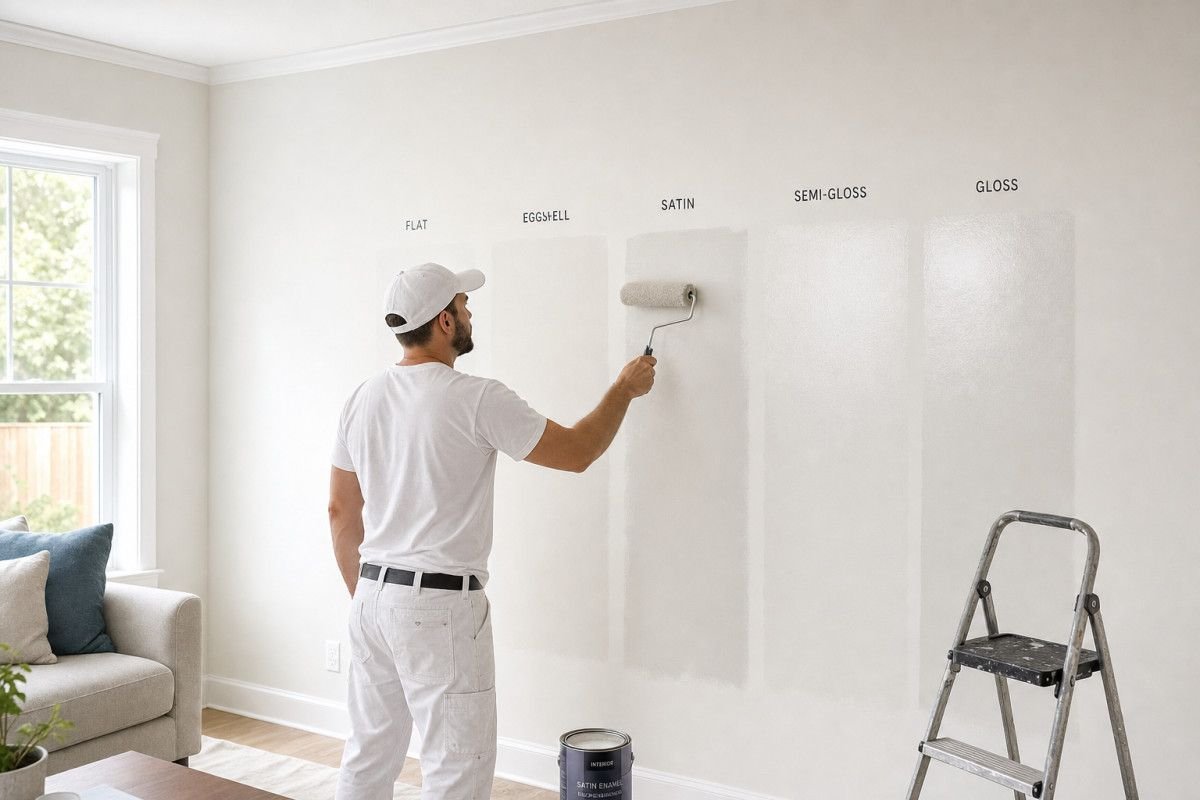
The spectrum of paint finishes typically includes:
- Flat/Matte: No shine, absorbs light, hides imperfections well, but difficult to clean.
- Eggshell: A very subtle, velvety shine, slightly more durable and washable than flat.
- Satin: A soft, pearl-like finish, highly versatile, durable, and easy to clean.
- Semi-Gloss: A noticeable shine, highly durable, moisture-resistant, and scrubbable.
- High-Gloss: A brilliant, glass-like shine, extremely durable and easy to clean, but highlights every surface flaw.
Understanding this spectrum is the first step in making an informed decision for your home.
The Living Room: Balancing Elegance and Everyday Use
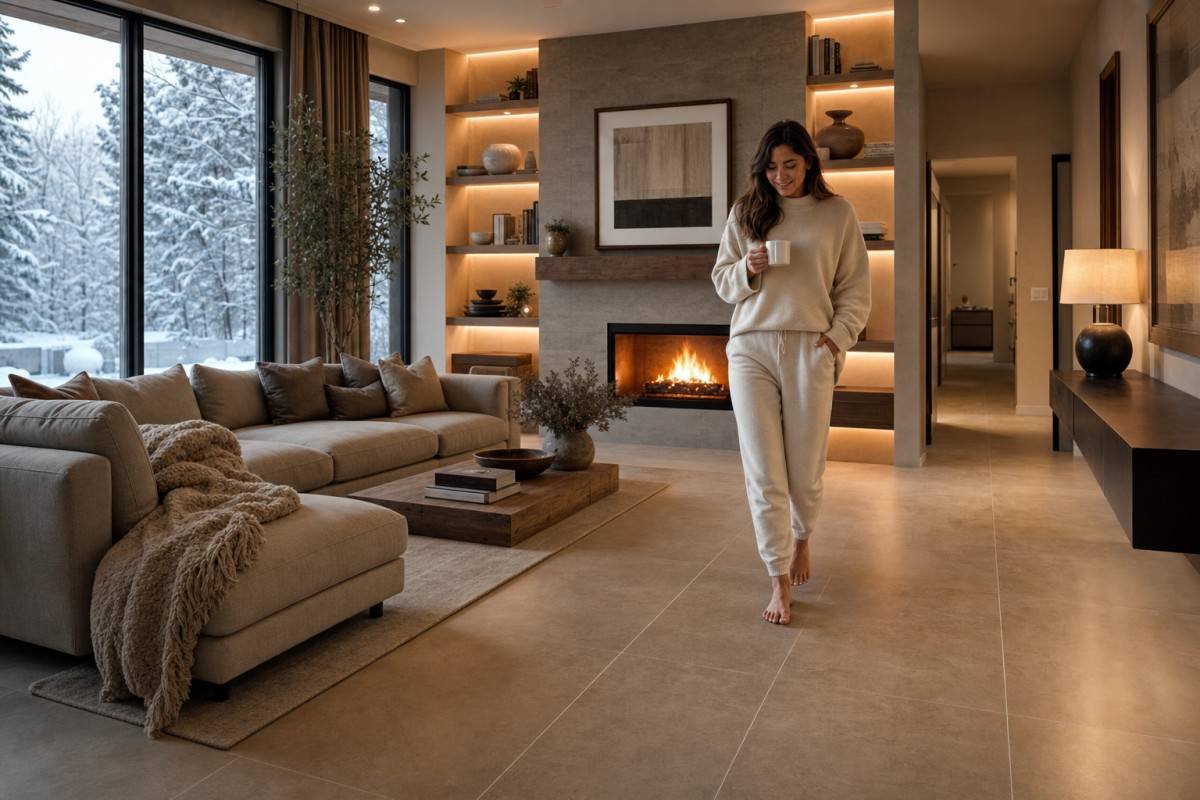
The living room is often the heart of the home, a space for relaxation, entertaining, and everyday family life. Because it sees a moderate amount of traffic, the paint finish needs to strike a balance between aesthetic appeal and practical durability.
Eggshell: The Go-To Choice
For most living rooms, an eggshell finish is the ideal choice. It offers a soft, warm glow that feels inviting without being overly reflective. Eggshell is particularly forgiving on walls that may have minor dents or uneven textures, as its low sheen does not highlight these flaws the way a glossier finish would. Furthermore, eggshell is significantly easier to clean than a flat finish. A gentle wipe with a damp cloth is usually sufficient to remove minor scuffs or fingerprints, making it practical for homes with children or pets.
Satin: For High-Traffic Living Areas
If your living room is exceptionally busy or if it serves multiple purposes (such as a playroom or a dining area), a satin finish might be a better option. Satin has a slightly higher sheen than eggshell, providing a bit more durability and washability. It reflects more light, which can help brighten up a darker room, but it also means that wall imperfections will be slightly more visible. When choosing satin for a living room, ensure your walls are well-prepped and smooth before painting.
The Kitchen: Prioritizing Durability and Cleanability
The kitchen is a high-traffic, high-mess zone. Walls in the kitchen are subjected to cooking splatters, grease, moisture, and frequent cleaning. Therefore, the paint finish must be highly durable and scrubbable.
Satin or Semi-Gloss: The Kitchen Champions
For kitchen walls, satin and semi-gloss are the undisputed champions. Satin is an excellent choice for the main wall areas. It provides a smooth, easy-to-clean surface that resists moisture and mildew better than eggshell or flat finishes. It offers a pleasant, subtle shine that complements most kitchen designs.
For areas that require even more protection, such as the backsplash area (if not tiled) or the walls immediately surrounding the stove and sink, a semi-gloss finish is highly recommended. Semi-gloss is exceptionally durable and can withstand rigorous scrubbing to remove stubborn grease and food stains. It also reflects a significant amount of light, which can make a small kitchen feel larger and brighter.
Cabinetry and Trim
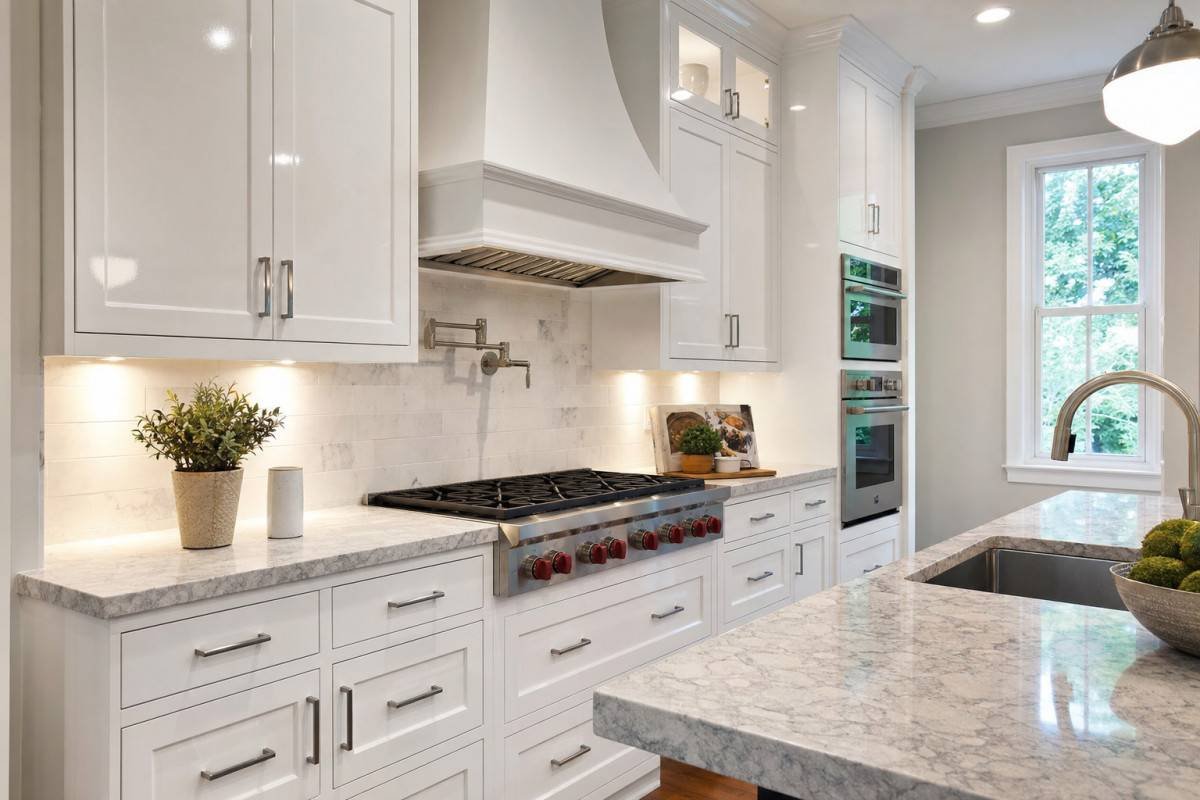
When painting kitchen cabinets or trim, semi-gloss or even high-gloss finishes are the standard. These surfaces endure constant touching, opening, and closing, demanding the highest level of durability. A glossy finish not only protects the wood but also provides a sleek, professional look that is easy to wipe down.
The Bathroom: Combating Moisture and Mildew
Bathrooms present a unique challenge due to the constant presence of high humidity, condensation, and temperature fluctuations. The primary goal when choosing a bathroom paint finish is moisture resistance and the prevention of mold and mildew growth.
Semi-Gloss: The Ultimate Bathroom Shield
Semi-gloss is widely considered the best paint finish for bathrooms, particularly those with showers or bathtubs. Its high resin content creates a tough, water-resistant barrier that prevents moisture from penetrating the drywall. Water droplets will simply bead up and roll off a semi-gloss surface, making it incredibly easy to wipe dry and keep clean. This finish is also highly resistant to the scrubbing required to remove soap scum and water spots.
Satin: A Softer Alternative for Powder Rooms
If you prefer a less shiny look, a satin finish can be used in bathrooms, but it is best reserved for powder rooms or half-baths that do not experience the heavy steam and condensation of a full bathroom. While satin is somewhat moisture-resistant, it does not offer the same level of protection as semi-gloss. If you choose satin for a full bathroom, ensure the room is exceptionally well-ventilated with a powerful exhaust fan to mitigate moisture buildup.
The Bedroom: Creating a Restful Retreat
Bedrooms are low-traffic areas designed for rest and relaxation. The focus here is on creating a calming atmosphere rather than maximizing durability.
Flat or Matte: The Choice for Serenity
For adult bedrooms, flat or matte finishes are often the preferred choice. These finishes absorb light, creating a soft, velvety appearance that feels incredibly soothing and luxurious. Because they do not reflect light, flat finishes are excellent at hiding imperfections in the drywall, resulting in a flawless, uniform look. The primary drawback of flat paint is its lack of washability; however, since adult bedrooms rarely encounter significant messes, this is usually not a major concern.
Eggshell: A Practical Compromise
If you prefer a finish with a slight hint of warmth or if you want the ability to occasionally wipe down the walls, eggshell is an excellent alternative for bedrooms. It maintains a soft, elegant look while offering a slight improvement in durability over a flat finish.
Children’s Bedrooms: A Different Set of Rules
Children’s bedrooms are a completely different story. These rooms function as play areas, art studios, and sometimes indoor gymnasiums. The walls will inevitably be subjected to crayons, markers, sticky fingers, and flying toys.
For children’s rooms, an eggshell or satin finish is absolutely essential. Eggshell provides a good balance of washability and aesthetic appeal, while satin offers maximum durability for the most active kids. Avoid flat finishes in children’s rooms at all costs, as they will quickly become stained and impossible to clean without removing the paint itself.
The Dining Room: Setting the Mood
The dining room is often a formal space used for entertaining and special occasions. The paint finish should enhance the room’s elegance and sophistication.
Eggshell or Satin: Elegant and Practical
Eggshell is a classic choice for dining rooms. It provides a smooth, refined look that complements formal furniture and lighting fixtures. It is also practical enough to handle the occasional scuff from a pushed-back chair.
If your dining room features wainscoting, chair rails, or intricate molding, a satin finish on the walls can create a beautiful contrast with semi-gloss trim. The slight sheen of satin also helps reflect the light from a chandelier or wall sconces, adding a touch of glamour to the space.
Hallways and Corridors: Handling the Hustle and Bustle
Hallways and corridors are the arteries of the home, experiencing constant foot traffic. Walls in these areas are frequently bumped, brushed against, and scuffed by bags, shoes, and pets.
Satin or Eggshell: Built for Traffic
A satin finish is highly recommended for hallways due to its superior durability and washability. It can withstand the daily wear and tear and is easy to clean when scuffs inevitably occur. If you prefer a slightly less shiny look, a high-quality eggshell finish can also work well, provided it is formulated for durability.
Ceilings: The Forgotten Fifth Wall
Ceilings are often overlooked, but choosing the right finish is crucial for a cohesive look.
Flat: The Undisputed King of Ceilings
In almost all cases, a flat finish is the best choice for ceilings. Ceilings are rarely perfectly smooth, and a flat finish excels at hiding these imperfections by absorbing light. A glossy ceiling would reflect light from lamps and windows, highlighting every bump, crack, and roller mark. Furthermore, flat paint does not draw the eye upward, allowing the focus to remain on the walls and furnishings.
The only exception to this rule might be a bathroom ceiling, where a satin or semi-gloss finish could be used to provide extra moisture resistance, though a high-quality flat paint formulated specifically for bathrooms is often sufficient.
Trim, Doors, and Molding: The Finishing Touches
Trim, doors, baseboards, and crown molding frame the room and take a significant amount of abuse. They are constantly touched, kicked, and bumped.
Semi-Gloss or High-Gloss: Maximum Protection and Contrast
Semi-gloss is the standard finish for all interior trim and doors. It provides a tough, durable surface that is easy to clean and resists chipping and peeling. The contrast between the shiny trim and the less reflective walls (eggshell or flat) adds architectural interest and depth to the room.
For a truly dramatic and sophisticated look, high-gloss paint can be used on trim and doors. High-gloss offers the ultimate in durability and a glass-like finish. However, it requires meticulous surface preparation, as it will highlight even the smallest imperfection in the wood.
Summary Table: Quick Reference Guide
| Room/Surface | Recommended Finish | Alternative Finish | Key Considerations |
|---|---|---|---|
| Living Room | Eggshell | Satin | Balance of elegance and washability. |
| Kitchen | Satin | Semi-Gloss | High durability, moisture resistance, scrubbable. |
| Bathroom | Semi-Gloss | Satin (Powder Rooms) | Maximum moisture and mildew resistance. |
| Adult Bedroom | Flat/Matte | Eggshell | Soft, soothing appearance, hides imperfections. |
| Kids’ Bedroom | Satin | Eggshell | High washability, durability against stains and scuffs. |
| Dining Room | Eggshell | Satin | Elegant appearance, moderate durability. |
| Hallways | Satin | Eggshell | High traffic, frequent scuffs, needs washability. |
| Ceilings | Flat | None | Hides imperfections, does not reflect light. |
| Trim & Doors | Semi-Gloss | High-Gloss | Maximum durability, architectural contrast. |
Conclusion
Selecting the right paint finish is a critical step in any painting project. By understanding the properties of each sheen and considering the specific needs of each room—traffic levels, moisture exposure, and desired aesthetic—you can ensure a beautiful, long-lasting result. Remember that while these recommendations serve as a solid guideline, personal preference also plays a role. Always test paint samples in the actual room to see how the finish interacts with the lighting before making your final decision.
FAQ
Can I use flat paint in a bathroom?
It is generally not recommended. Flat paint absorbs moisture and is prone to mildew growth. If you must use flat paint, ensure it is a specialized bathroom formula with mildewcides, but semi-gloss remains the superior choice.
How do I clean walls with an eggshell finish?
Use a soft sponge or microfiber cloth dampened with warm water and a mild dish soap. Avoid abrasive cleaners or scrubbing pads, which can dull the finish.
Is high-gloss paint hard to apply?
Yes, high-gloss paint requires meticulous surface preparation. Every bump, scratch, and sanding mark will be visible. It often requires multiple thin coats and sanding between coats for a flawless finish.
Can I paint over a semi-gloss finish with a flat finish?
Yes, but you must prepare the surface first. You need to lightly sand the semi-gloss surface to degloss it and create a “tooth” for the new paint to adhere to, followed by a coat of primer.
What is the difference between satin and eggshell?
Satin has a slightly higher sheen (more gloss) than eggshell. It is generally more durable and easier to clean, but it also highlights wall imperfections slightly more than eggshell.
For additional guidance, see the EPA guidance on VOCs in interior paints.