



Luxury Vinyl Plank (LVP) flooring has revolutionized the home improvement industry. Offering the stunning, realistic appearance of natural hardwood or stone combined with incredible durability and water resistance, it is no wonder LVP is a top choice for modern homes. However, while LVP is famously low-maintenance, “low-maintenance” does not mean “no-maintenance.” To keep your LVP floors looking pristine and to ensure they last for decades, you must adopt the correct cleaning routines and avoid common pitfalls that can damage the finish. This comprehensive guide covers everything you need to know about cleaning, protecting, and maintaining your Luxury Vinyl Plank flooring.
Understanding LVP: Why the Right Cleaning Matters
To understand how to clean LVP, you need to know what it is. LVP is constructed in multiple layers, explains Retain Each specialists. The core provides stability and water resistance, the photographic layer provides the realistic wood or stone look, and the crucial top layer—the wear layer—protects the floor from scratches, stains, and fading.
The goal of cleaning LVP is to remove dirt and grime without degrading or scratching this protective wear layer. Using harsh chemicals, abrasive tools, or excessive heat can strip the wear layer, leaving the photographic layer vulnerable to permanent damage and dulling the floor’s overall appearance.
Daily and Weekly Maintenance: The First Line of Defense
The most effective way to keep LVP looking new is to prevent dirt and grit from accumulating in the first place. Dirt acts like microscopic sandpaper; as you walk over it, it grinds into the wear layer, causing tiny scratches that eventually dull the finish.
1. Frequent Sweeping or Vacuuming
- Sweeping: Use a soft-bristle broom to sweep high-traffic areas daily and the entire floor at least weekly. Avoid stiff-bristled brooms that could potentially scratch the surface.
- Vacuuming: Vacuuming is highly effective, but you must use the correct settings. Never use a vacuum with a rotating beater bar or brush roll engaged. The stiff bristles of a beater bar can severely scratch LVP. Use a vacuum designed for hard floors, or ensure you can turn the beater bar off. A vacuum with a soft felt or microfiber roller is ideal.
2. Dry Dust Mopping
A dry microfiber dust mop is an excellent tool for daily maintenance. Microfiber naturally attracts and traps dust, pet hair, and fine particles without the need for any moisture or chemicals. It is quick, efficient, and perfectly safe for the wear layer.
Deep Cleaning: How to Mop LVP Correctly
When sweeping and dust mopping are no longer sufficient to remove sticky spills or built-up grime, it is time to wet mop. However, mopping LVP requires a specific approach.
The Golden Rule: Damp, Not Drenched
While LVP is highly water-resistant (and often 100% waterproof), you should never flood the floor with water. Water can seep into the seams between the planks. While the planks themselves won’t warp, trapped moisture beneath the floor can lead to mold and mildew growth in the subfloor.
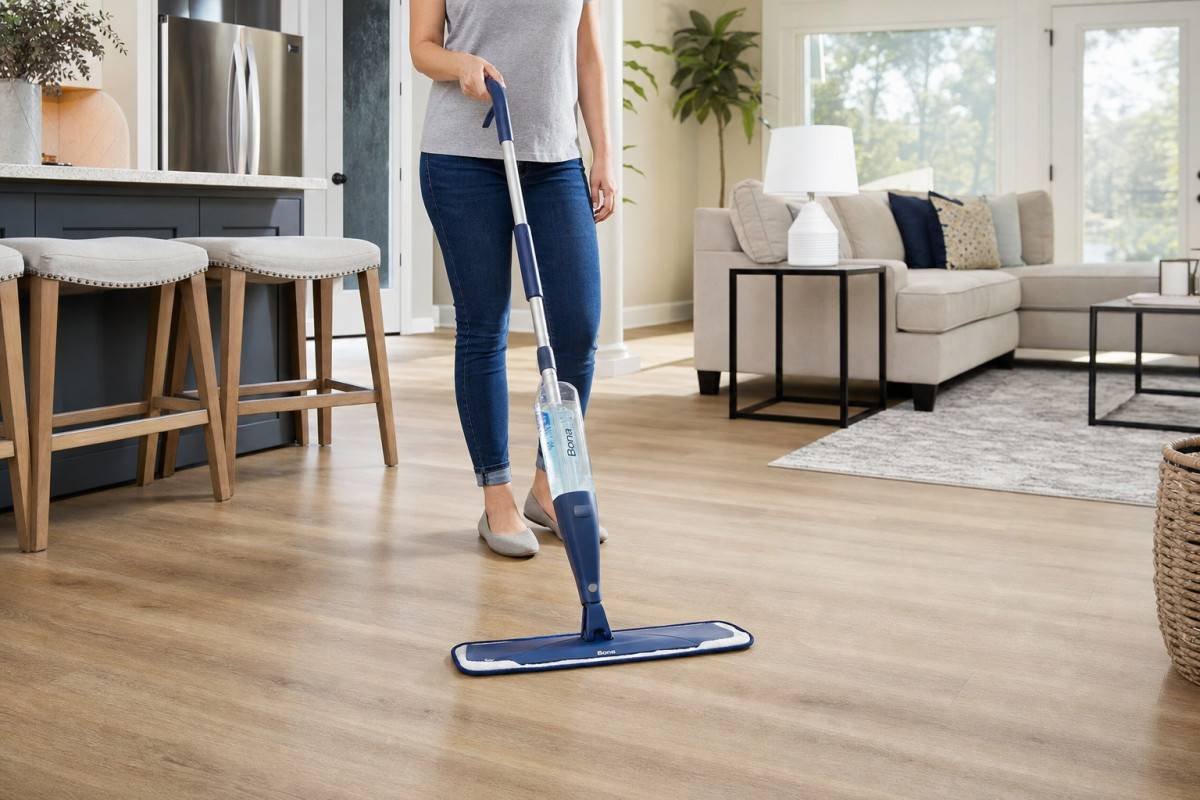
Always use a damp mop, not a soaking wet one. A microfiber spray mop or a traditional spin mop that allows you to wring out excess water thoroughly is the best choice.
Choosing the Right Cleaning Solution
The cleaning solution you use is critical. You want a cleaner that is effective at cutting grease and dirt but pH-neutral so it won’t strip the wear layer.
What to Use:
- Commercial LVP Cleaners: The safest bet is to use a commercial cleaner specifically formulated for luxury vinyl flooring. Brands like Bona, Rejuvenate, or the cleaner recommended by your flooring manufacturer are excellent choices.
- Apple Cider Vinegar Solution: For a natural, DIY approach, mix one cup of apple cider vinegar with one gallon of warm water. The acidity of the vinegar gently cuts through dirt without leaving a soapy film.
- Mild Dish Soap: A few drops of a mild, pH-neutral dish soap (like Dawn) mixed in a gallon of warm water can be used for heavier grime. However, soap can leave a dulling film if not rinsed properly, so use it sparingly.
What NOT to Use (The Danger List):
- Steam Cleaners: Never use a steam mop on LVP. The intense heat and forced steam can warp the planks, compromise the adhesive holding the layers together, and force moisture through the seams. Using a steam mop will almost certainly void your flooring warranty.
- Ammonia or Bleach: These harsh chemicals will strip the wear layer and cause the floor to look dull and cloudy.
- Mop and Shine Products: Products that promise to clean and leave a shine often contain acrylic or wax polishes. Over time, these build up on the LVP, creating a cloudy, yellow, or sticky residue that is incredibly difficult to remove. LVP does not need wax to shine.
- Abrasive Cleaners: Scouring powders, steel wool, or abrasive sponges will permanently scratch the wear layer.
The Mopping Process
1. Prep: Thoroughly sweep or vacuum the floor to remove all loose dirt.
2. Mix: Prepare your cleaning solution in a bucket or the reservoir of your spray mop.
3. Mop: Working in sections, damp mop the floor following the grain of the wood pattern.
4. Rinse (If Necessary): If you used a soapy solution, you must do a final pass with a mop dampened only with clean water to remove any soap residue. If using a commercial LVP cleaner or vinegar, rinsing is usually not required.
5. Dry: Allow the floor to air dry, or speed up the process by wiping it down with a clean, dry microfiber cloth.
Tackling Stubborn Stains and Scuffs
Even with careful maintenance, spills and scuffs happen. Address them promptly using the right techniques.
- Food Spills (Juice, Wine, Sauce): Wipe up immediately with a damp cloth. If sticky, use a mild LVP cleaner.
- Grease or Oil: Apply a small amount of rubbing alcohol to a clean cloth and gently rub the spot.
- Scuff Marks (from shoes): Often, a simple pink pencil eraser or a tennis ball rubbed over the scuff mark will lift it right off. For tougher scuffs, a spray of WD-40 on a cloth can work, but be sure to clean the area with soap and water afterward to remove the slippery WD-40 residue.
- Ink or Marker: Rubbing alcohol or mineral spirits applied sparingly to a cloth can usually lift ink.
Preventative Maintenance: Protecting Your Investment
Cleaning is only half the equation; protecting the floor from damage is equally important.
1. Use Doormats
Place high-quality doormats at all exterior entrances. A rough mat outside to scrape off heavy dirt and a softer, absorbent mat inside to catch moisture and fine grit will significantly reduce the amount of abrasive material tracked onto your LVP.
2. Protect Against Furniture Scratches
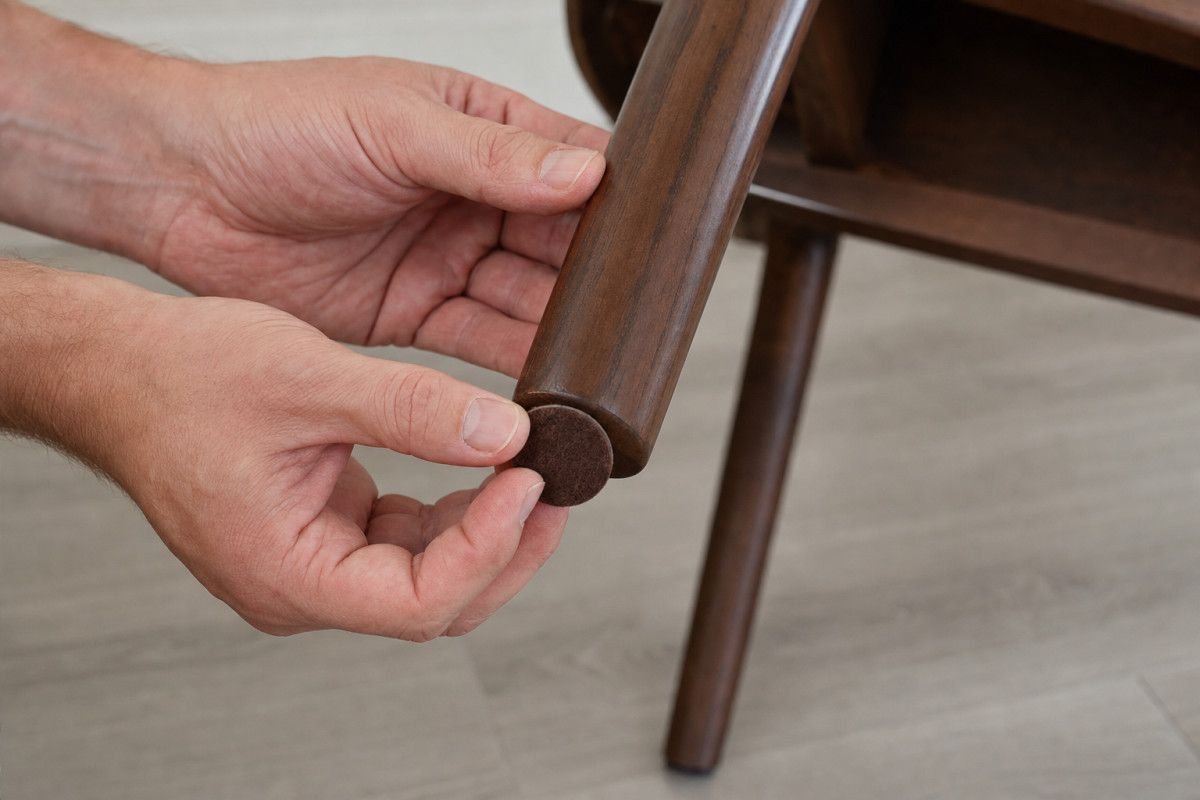
Heavy furniture is the enemy of LVP. Always affix heavy-duty felt pads to the legs of all chairs, tables, sofas, and other movable furniture. Check these pads periodically and replace them when they become worn or embedded with grit. Never drag heavy furniture across LVP; always lift and carry it.
3. Beware of Rubber Backing
Avoid using rugs or mats with solid rubber or latex backings. Certain types of rubber can undergo a chemical reaction with the vinyl, causing permanent yellow or brown discoloration (known as plasticizer migration). Use rugs with woven backings or those specifically labeled as “colorfast” or safe for vinyl floors.
4. Manage Sunlight Exposure
Prolonged, direct exposure to intense UV sunlight can cause LVP to fade or discolor over time. Use blinds, curtains, or UV-blocking window films to protect your floors during peak sunlight hours.
Summary Table: LVP Cleaning Dos and Don’ts
| Action | DO | DON’T |
|---|---|---|
| Vacuuming | Use a hard floor setting or soft roller. | Use a rotating beater bar/brush roll. |
| Mopping | Use a damp microfiber mop. | Flood the floor with water. |
| Cleaners | Use pH-neutral LVP cleaners or apple cider vinegar. | Use bleach, ammonia, or abrasive powders. |
| Deep Cleaning | Spot clean with rubbing alcohol for tough stains. | Use a steam mop (will void warranty). |
| Shine | Rely on the factory wear layer. | Use “mop and shine” wax products. |
| Protection | Use felt pads on all furniture legs. | Drag heavy furniture across the floor. |
Conclusion
Luxury Vinyl Plank flooring is an excellent investment that offers beauty and resilience. By implementing a routine of frequent sweeping, careful damp mopping with the correct pH-neutral solutions, and taking preventative measures against scratches and chemical damage, you can ensure your LVP floors remain a stunning feature of your home for many years. Remember, when it comes to cleaning LVP, gentle consistency is always better than harsh, aggressive scrubbing.
FAQ
Can I use Swiffer WetJets on LVP flooring?
Yes, Swiffer WetJets are generally safe for LVP because they spray a controlled amount of liquid, preventing the floor from becoming overly wet. However, ensure the cleaning solution pad you use is pH-neutral and does not contain waxes or polishes.
How do I restore the shine to dull LVP floors?
If your LVP looks dull, it is likely due to a buildup of dirt or residue from incorrect cleaning products (like soap or wax). Do a thorough deep clean using a mixture of apple cider vinegar and water to strip away the residue. Do not apply floor wax to try and make it shine.
Is Pine-Sol safe for luxury vinyl plank?
It is best to avoid Pine-Sol. While it cleans well, it can leave a residue over time that dulls the finish of LVP. Stick to cleaners specifically formulated for vinyl or simple vinegar and water.
Can I use a steam mop on LVP if I keep it on the lowest setting?
No. Flooring manufacturers universally advise against using steam mops on LVP, regardless of the setting. The heat can damage the wear layer and compromise the adhesive, voiding your warranty.
What should I do if my LVP gets a deep scratch?
For minor scratches, you can sometimes use a vinyl floor sealer or a specialized LVP scratch concealer pen. For deep gouges that penetrate the wear layer, the only true fix is to replace the damaged plank.
For additional guidance, see the Manufacturer care and maintenance guide for luxury vinyl.