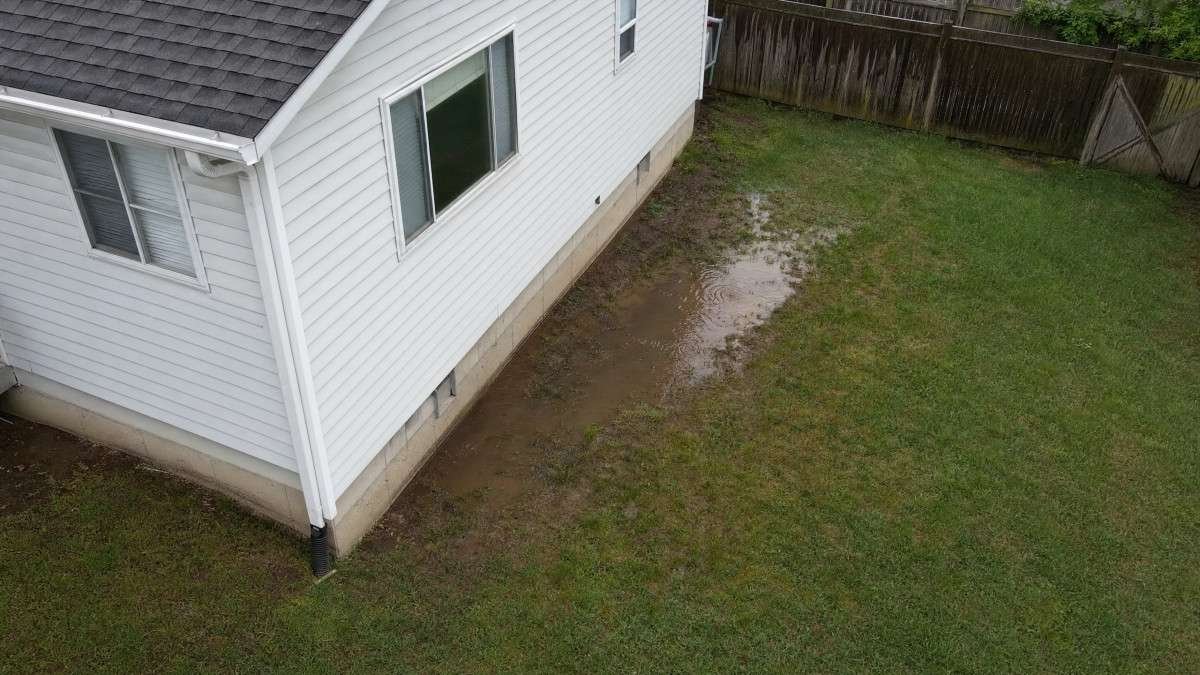




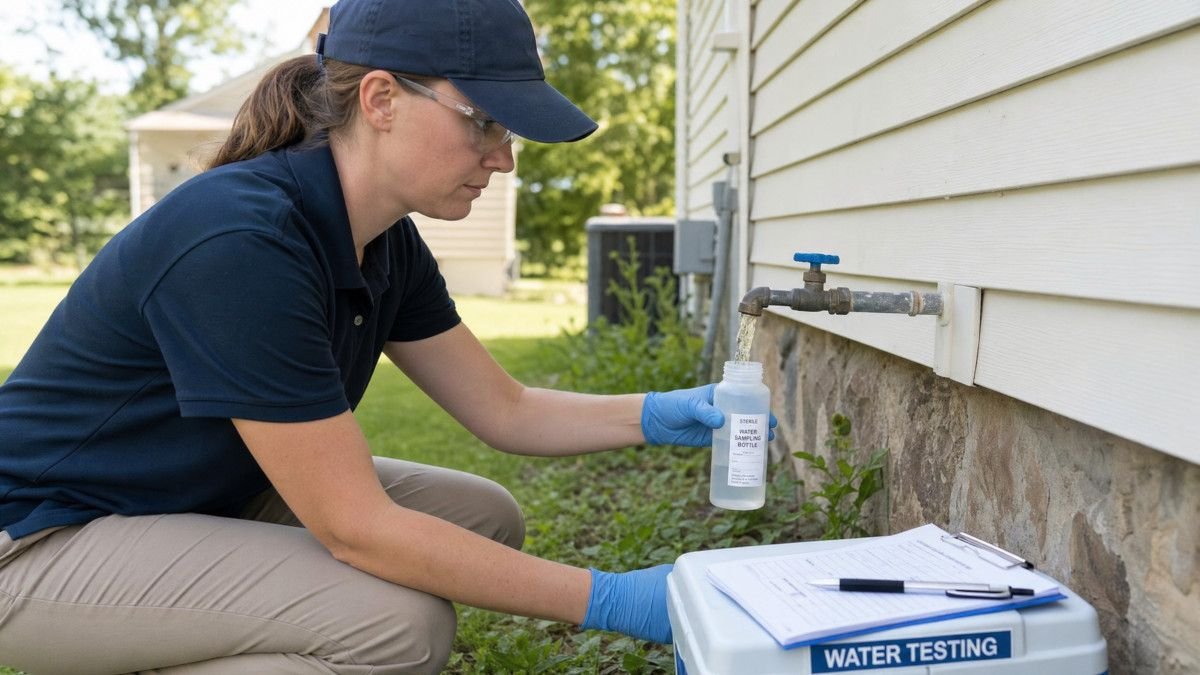
Private wells serve as the primary source of drinking water for millions of households across rural and suburban areas, explains TrueDoor Property Management experts. Unlike municipal water supplies, these private wells are not regulated by federal agencies, which places the responsibility of water safety squarely on the homeowner. Because groundwater can be vulnerable to contamination from nearby septic systems, agricultural runoff, and natural geological sources, it is essential to conduct regular inspections to safeguard water quality. A comprehensive well water inspection is the most reliable way to verify that the water remains safe for daily use and consumption.
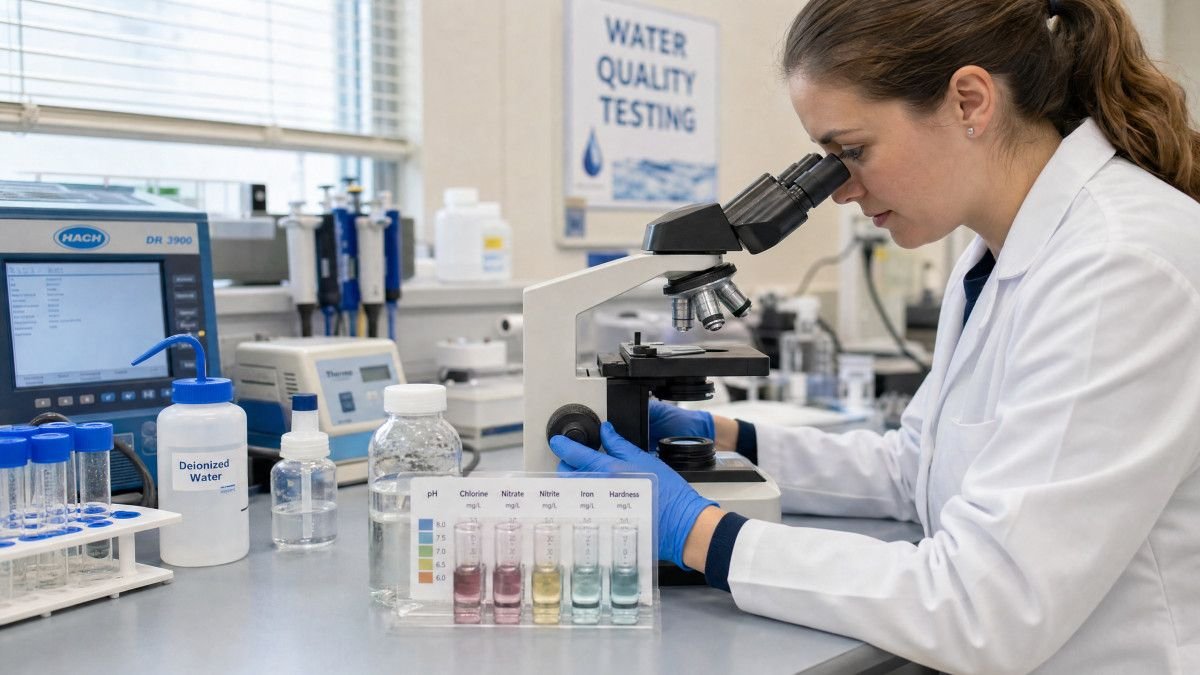
During a well water inspection, specialists collect water samples for laboratory analysis to detect a range of potential contaminants including bacteria, chemicals, and minerals that could pose health risks or degrade water quality. These tests are complemented by a thorough examination of the physical components of the well infrastructure. Assessing the condition of the well’s casing, cap, and pump system helps identify vulnerabilities that may allow contaminants to enter or cause mechanical failures. Together, these evaluations provide a complete picture of the well’s condition.
Regular inspections and testing not only protect health but also contribute to the longevity of the well system. Identifying problems early allows for timely repairs or treatment solutions that can prevent costly damage to plumbing and appliances. Homeowners who maintain their wells diligently ensure a dependable supply of clean water, preserve property value, and reduce the risk of unexpected water quality issues. Understanding what to expect from a well water inspection enables homeowners to take proactive steps in managing their private water source responsibly.
Key Water Quality Tests in a Well Inspection
A well water inspection must include specific laboratory tests that identify potential health risks and water quality issues. The presence of coliform bacteria is the most critical test, as it indicates possible fecal contamination. Nitrate levels are especially important to monitor when infants consume the water, as excessive nitrates pose severe health risks.
Additional tests include pH to determine water acidity or alkalinity, hardness measurements to assess mineral content, and iron and manganese levels which can cause staining and taste problems. In areas with known geological risks, arsenic and radon testing may be required. If the well is near industrial or agricultural zones, volatile organic compounds and pesticides must also be checked to prevent chemical contamination.
Beyond these standard tests, some locations may require screening for emerging contaminants such as PFAS (per- and polyfluoroalkyl substances), which have recently gained attention for their persistence and potential health effects. Testing for total dissolved solids (TDS) can also provide insight into the general quality of the water, indicating the presence of various minerals and salts. A high TDS level may affect taste and could indicate the presence of contaminants that merit further investigation.
Water testing laboratories often offer specialized packages tailored to regional concerns. For example, in agricultural areas, tests for herbicides and fertilizers are recommended, while in mining regions, heavy metals like lead and mercury might be prioritized. Homeowners should discuss local environmental factors with their testing providers to ensure comprehensive analysis. Accurate testing combined with proper sampling methods is vital for reliable results that guide treatment decisions.
Signs of Water Quality Issues to Watch For
Visible and sensory indicators often alert homeowners to potential water quality problems before formal testing. Unusual tastes or odors, such as a sulfur or rotten egg smell, signal the presence of hydrogen sulfide gas. Discoloration of water, ranging from yellow or brown hues to blue-green, may indicate elevated iron, manganese, or copper corrosion issues.
Staining on plumbing fixtures and buildup of scale inside pipes or appliances can also result from mineral imbalances. These signs warrant prompt water testing and inspection to diagnose underlying causes and prevent further damage or health hazards associated with contaminated water.
Another subtle sign of water quality issues can be the presence of sediment or particulate matter in the water, which may appear as cloudiness or grit. This often results from deteriorating well components or nearby soil erosion and can lead to clogged plumbing or damage to household appliances. Homeowners might also notice a sudden decrease in water pressure or flow rate, which could indicate pump problems or blockages within the well system, signaling the need for inspection and maintenance.
Changes in water temperature or the appearance of oily films on the surface may also suggest contamination from petroleum products or other chemicals. Paying close attention to any deviations from the usual water characteristics is essential. Promptly addressing these early warning signs through professional testing and inspection helps prevent the escalation of water quality issues that could pose serious health risks or costly repairs.
Essential Components of a Well Water Inspection
A comprehensive inspection evaluates the well’s physical condition alongside water quality. The well cap must be sealed and intact to prevent surface water or debris from entering the well, which could introduce contaminants. The condition and depth of the casing are examined to ensure structural soundness and protection of the water source.
Performance of the pump is assessed by measuring water pressure and flow rate, ensuring consistent delivery. The pressure tank and any water treatment systems, including softeners, are checked for functionality. These inspections help identify maintenance needs or repairs to avoid water system failure or contamination.
Inspectors also evaluate the well’s sanitary seal and venting to confirm compliance with local regulations. A proper sanitary seal prevents insects, rodents, and surface runoff from entering the well, which could compromise water quality. Additionally, the inspection may include an assessment of electrical components controlling the pump and pressure switch, as malfunctions in these areas can disrupt water supply and cause equipment damage.
In some cases, the depth and yield of the well are tested to determine if water availability meets household needs. Measuring static and pumping water levels helps identify issues like over-pumping or declining groundwater levels, which could necessitate well rehabilitation or development of alternative water sources. A thorough inspection combines these structural and operational checks with water testing for a holistic view of the well’s condition.
Water Treatment Options and Cost Considerations
If tests reveal contamination, various treatment options can improve water quality. Shock chlorination is commonly used to eliminate bacterial contamination. Reverse osmosis and activated carbon filters effectively reduce chemical pollutants. Water softeners address hardness caused by calcium and magnesium, while iron filters target iron and manganese removal. Ultraviolet systems provide an additional barrier against bacteria.
Costs for testing and treatment vary depending on the complexity of the analysis and system installed. It is important to balance effectiveness with budget to maintain safe water supply without excessive expense. Regular maintenance and preventive measures also help reduce long-term costs.
When selecting a treatment system, it is critical to consider the specific contaminants identified, water usage patterns, and household size. Some treatments like reverse osmosis can waste significant amounts of water, which may impact water bills and environmental footprint. Additionally, certain systems require professional installation and periodic servicing to remain effective, adding to ongoing expenses. Homeowners should weigh these factors carefully and consult with water treatment professionals to choose solutions that best fit their needs.
Besides initial installation costs, energy consumption is another consideration. Systems such as ultraviolet sterilizers require electricity to operate, which may increase utility costs slightly. On the other hand, passive systems like activated carbon filters rely on regular cartridge replacements but have minimal energy demands. Exploring financing options or local rebates for water treatment upgrades can also help offset costs and encourage timely improvements to well water safety.
| Treatment Method | Target Contaminants | Typical Cost Range (USD) | Maintenance Requirements |
|---|---|---|---|
| Shock Chlorination | Bacterial contamination | 50–150 per treatment | Periodic retreatment as needed |
| Reverse Osmosis | Chemical contaminants, nitrates | 500–2000 for system | Filter changes every 6–12 months |
| Activated Carbon Filter | Volatile organic compounds, pesticides | 300–1000 for system | Replace cartridges every 3–6 months |
| Water Softener | Hardness (calcium, magnesium) | 400–1500 installed | Salt replenishment monthly |
| Iron Filter | Iron, manganese | 1000–3000 installed | Periodic media replacement |
| Ultraviolet (UV) System | Bacteria and viruses | 500–1500 installed | Annual lamp replacement |
Preventive Measures for Well Water Safety
Consistent preventive practices reduce the risk of contamination and prolong well system lifespan. Annual water testing is recommended to detect changes in water quality early. Locating contaminant sources such as septic tanks, fuel storage, or pesticide application areas at least 50 to 100 feet away from the well helps minimize pollution risks.
Regular inspection of the well cap for cracks or damage prevents surface water intrusion. Homeowners should avoid disposing of chemicals near the well and maintain proper landscaping to divert runoff. Adhering to these safety measures supports ongoing access to clean and safe well water.
In addition to physical maintenance, educating household members about proper water usage and handling can further protect well water quality. Avoiding the use of harsh chemicals around the well area and promptly addressing plumbing leaks can prevent contamination and water waste. Seasonal checks after heavy rains or storms also help identify potential vulnerabilities such as flooding or erosion around the well site.
Installing a backflow prevention device and ensuring that irrigation systems are properly maintained prevents contaminants from being drawn back into the well. Homeowners should also maintain clear records of inspections, testing results, and any treatments performed, which facilitates ongoing management and timely interventions. Proactive preventive steps significantly improve the safety and reliability of private well water supplies.
Frequently Asked Questions About Well Water Inspection
How often should well water be tested?
Well water should be tested at least once a year to ensure safety. Annual testing helps detect bacterial contamination and chemical changes early. More frequent testing may be necessary if there are changes in water taste, odor, or after flooding events that could introduce contaminants.
What is the most important test in a well water inspection?
The coliform bacteria test is the most crucial because it indicates fecal contamination. Presence of coliform bacteria suggests potential pathogens that pose health risks. Detecting and addressing bacteria early is vital for safe drinking water.
What is a safe nitrate level in well water?
Nitrate concentrations should be below 10 milligrams per liter (10 parts per million) to be considered safe. Levels above this pose a risk, especially to infants, as high nitrate intake can cause serious health problems such as methemoglobinemia or “blue baby syndrome.”
What is the typical lifespan of a well pump and casing?
The well pump usually lasts between 20 to 30 years with proper maintenance. The well casing, which protects the water source, can last 50 years or more depending on material and conditions. Regular inspections help identify wear or damage early.
How much does well water testing cost?
Basic water testing panels typically range from 100 to 300 dollars depending on location and lab. More comprehensive testing that includes chemical contaminants and specialized analyses can cost between 300 and 500 dollars. Costs vary with the number and type of tests performed.
Can homeowners perform their own well water testing?
While homeowners can purchase test kits for basic parameters like pH and hardness, professional laboratory testing is recommended for accurate detection of bacteria, nitrates, and chemical contaminants. Proper sample collection and handling are crucial to avoid false results. Professional testing ensures reliable data for making informed decisions about water treatment and safety.
What should I do if my well water fails a test?
If testing reveals contamination, the first step is to stop using the water for drinking and cooking until treatment or remediation is in place. Contact a water treatment specialist or licensed well contractor to evaluate options. Shock chlorination may be necessary for bacterial issues, while chemical contaminants may require filtration or alternative water sources. Follow-up testing after treatment confirms water safety.
Conclusion
A thorough well water inspection incorporates both detailed water quality testing and evaluation of the well’s physical components. Testing for bacteria, nitrates, minerals, and contaminants provides critical information about water safety. Inspecting the well structure, pump, and treatment systems ensures proper function and reduces contamination risk. Regular monitoring supports early detection of problems before they escalate, preserving water quality and household health.
Preventive care such as annual testing, proper well maintenance, and avoiding contaminant exposure supports a reliable and safe water supply. Homeowners who actively manage their private wells gain peace of mind and protect their investment in clean water. Staying informed about inspection essentials empowers responsible stewardship of this vital resource for years to come.