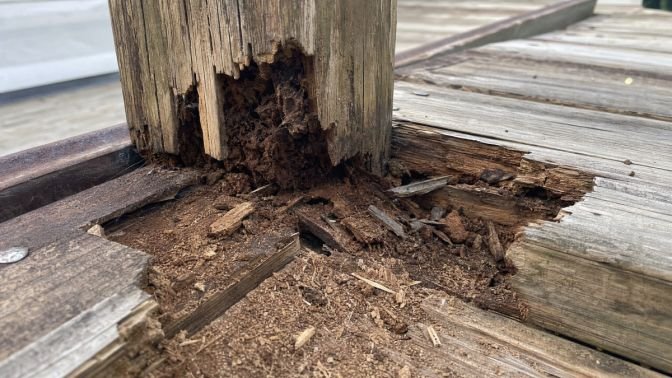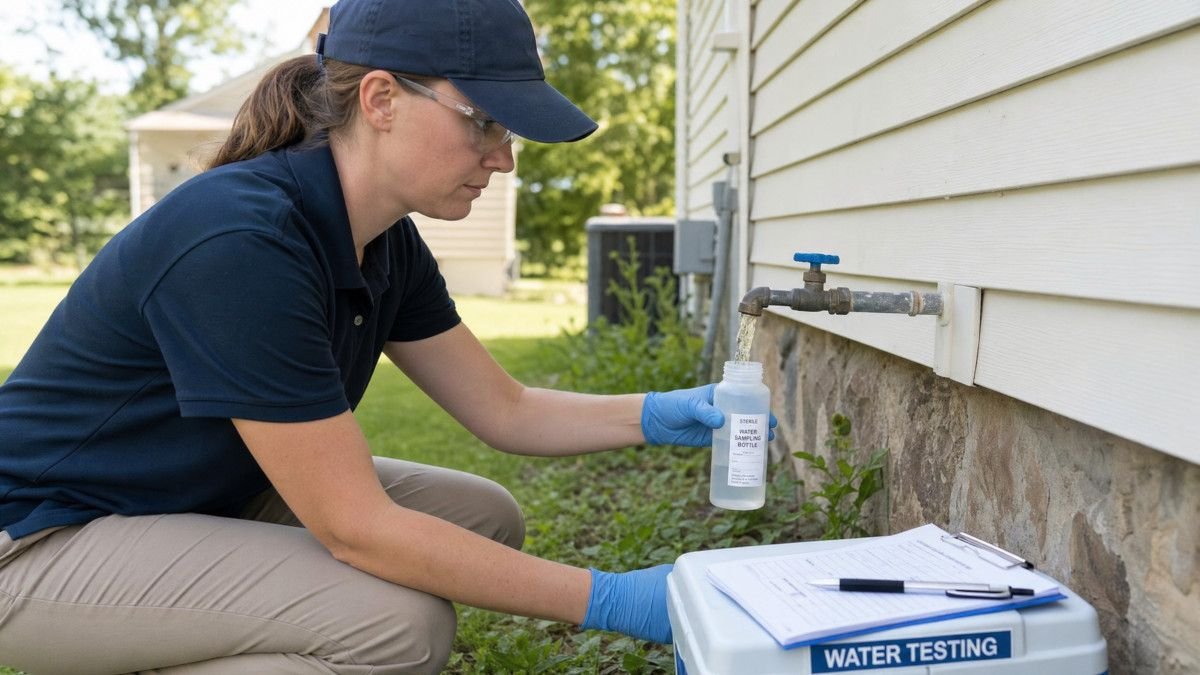




Proper grading around a home’s foundation is essential to prevent water damage and maintain structural integrity. It refers to the slope of the ground surrounding the foundation, which should ideally slope away from the house to direct water runoff. Detecting grading issues early can help avoid costly repairs related to basement flooding, foundation cracks, or soil erosion, adds TrueNest Property Management solutions.
The grading of the land around a home plays a critical role not only in managing water flow but also in preserving the health of landscaping and preventing soil instability. When grading is done correctly, water moves efficiently away from the foundation, reducing the chances of standing water and soil saturation. These conditions, if left unchecked, can lead to significant structural and cosmetic damage over time.
Homeowners should be vigilant in monitoring their property’s grading as changes can occur gradually due to natural settling, erosion, or landscaping activities. Awareness of grading issues combined with timely action can protect the home’s foundation and save thousands of dollars in repairs. Understanding how grading affects drainage and recognizing warning signs can empower homeowners to maintain a safe and stable environment around their property.
Signs of Grading Problems Around the Foundation
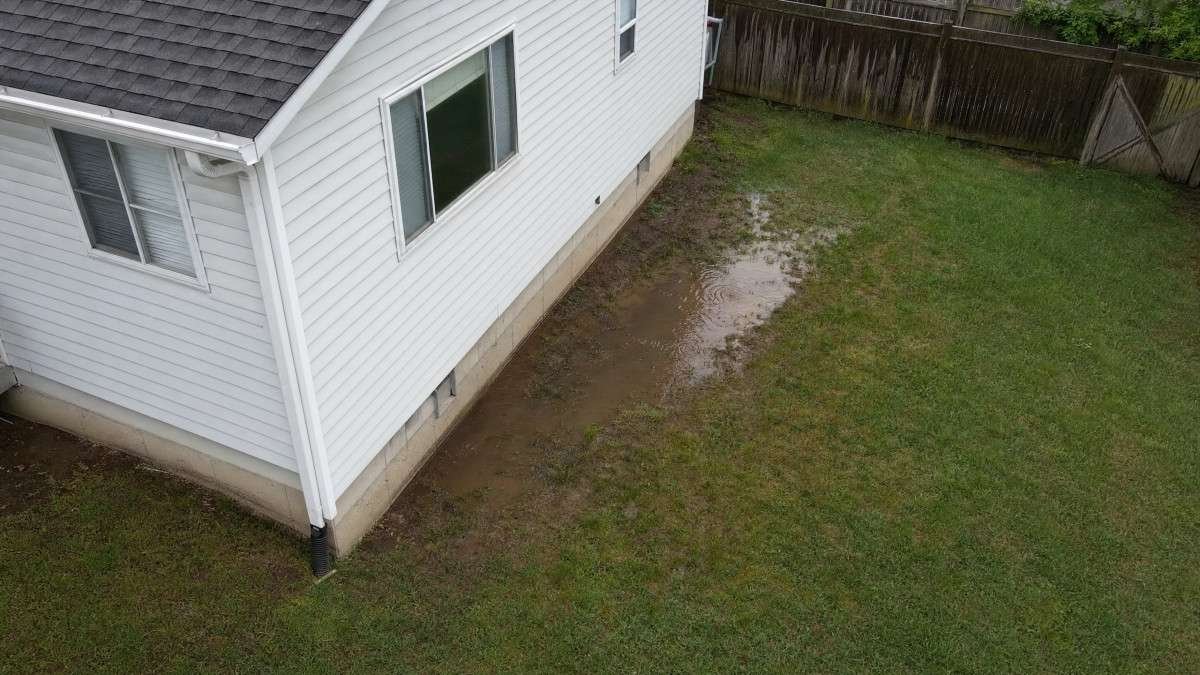
Grading issues often manifest through visible signs that indicate water is not flowing away from the home’s foundation as intended. One of the most evident symptoms is water pooling near the foundation after rainfall, which suggests that the slope around the house directs water toward rather than away from the structure. This standing water increases hydrostatic pressure against foundation walls and can lead to leaks or cracks.
Other indications include water intrusion in basements or crawl spaces, which often occurs when moisture seeps through compromised or saturated foundation walls. Efflorescence, a white mineral deposit on masonry surfaces, signals moisture movement through the foundation. Additionally, soil erosion around downspout outlets, settled or sunken areas near the foundation, and water stains on lower foundation walls all point to improper grading and drainage problems.
Homeowners might also notice warped or buckling flooring inside the home, especially in basements or ground floors, which can result from persistent moisture issues caused by poor grading. Vegetation growth patterns near the foundation can provide subtle clues as well; moss or mildew thriving near foundation walls might indicate excessive moisture retention. These signs, while less obvious, should not be overlooked as they often precede more serious damage.
In some cases, small cracks or shifts in exterior concrete walkways and patios adjacent to the home can be attributed to soil movement from improper grading. These structural changes not only affect aesthetics but can also signal underlying issues with soil stability that may impact the foundation’s long-term health. Early detection of these signs can prompt timely corrective actions.
Common Causes of Grading Issues
Several factors can contribute to improper grading around a home’s foundation. One primary cause is the settling of the original grading over time due to soil compaction or natural erosion. This settling can reduce the slope needed to direct water away from the foundation. Landscaping changes, such as adding berms or garden beds close to the house, can inadvertently trap water near the foundation.
Soil type also plays a critical role; clay soils tend to expand and contract with moisture changes, which can shift grading and create low spots. Improper placement of downspouts can cause concentrated water discharge near the foundation, exacerbating grading problems. Understanding these causes is essential to effectively correct and prevent drainage issues.
Heavy foot traffic or vehicle movement near the foundation can compact soil unevenly, altering the slope and leading to grading problems. Construction activities around the property, such as installing patios, driveways, or retaining walls, can also disrupt natural drainage patterns if not planned with proper grading considerations. Over time, even small alterations can accumulate, resulting in drainage challenges.
In addition, natural environmental factors like heavy storms, flooding, and freeze-thaw cycles can affect soil structure and grading. These forces may cause soil to wash away or settle unevenly, creating depressions or low spots that retain water. Awareness of local climate conditions and their impact on soil behavior is vital for maintaining proper grading over the years.
Inspection Techniques for Detecting Grading Problems
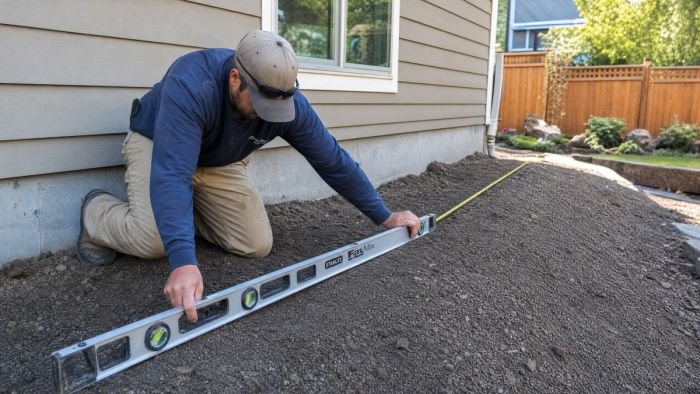
To detect grading issues, homeowners should inspect the perimeter of their home after a heavy rain to observe how water flows and pools around the foundation. Walking the entire perimeter allows identification of areas where water collects or fails to drain away. Using a four-foot level or a laser level, the slope direction can be measured to confirm whether the ground slopes away from the foundation at the recommended rate.
Inspection should also include checking for low spots, berms, or landscaping features that may trap water. Downspout discharge locations must be examined to ensure water is directed at least six feet away from the house. Identifying these problem areas allows homeowners to plan appropriate corrective measures and maintain proper drainage.
Another effective inspection method involves using a garden hose or controlled water flow test to simulate rainfall and observe drainage patterns. By directing water near suspected trouble spots, homeowners can detect areas where water pools or flows back toward the foundation. This hands-on approach can highlight issues not apparent during dry conditions.
Documentation during inspection can be helpful as well. Taking photographs or notes of problem areas ensures clear communication with contractors or landscapers when planning fixes. Periodic inspections, especially after significant weather events, help track changes in grading and drainage over time, enabling proactive maintenance.
Fixing Grading Issues: Solutions and Approaches
Correcting grading problems typically involves adding soil to create a positive slope away from the foundation. The standard recommendation is a slope of six inches over the first ten feet. This can be accomplished by regrading with topsoil and compacting it to ensure stability. Extending downspouts to discharge water at least six feet from the foundation helps reduce localized water accumulation.
For more extensive drainage issues, installing a French drain or a swale can redirect surface and subsurface water away from the home. Window well covers may also be added to prevent water intrusion through basement windows. The choice of solution depends on the severity of the grading problem and site-specific conditions.
In some situations, combining multiple corrective methods yields the best results. For example, regrading the soil while also installing drainage systems can address both surface runoff and subsurface water buildup. The use of landscape fabric beneath soil layers can help prevent erosion and maintain grading integrity over time.
Professional assessment is recommended when addressing complex grading issues, especially those involving foundation settlement or extensive water intrusion. Specialists may employ soil analysis and drainage modeling to design customized solutions that ensure long-term effectiveness. While DIY fixes may work for minor problems, professional intervention often provides peace of mind and durability.
| Fix Method | Description | Typical Cost Range | DIY Feasibility |
|---|---|---|---|
| Minor Regrading | Adding topsoil and compacting to achieve proper slope | $500–$1,500 | High |
| Downspout Extension | Extending downspouts at least 6 feet from foundation | $100–$300 | High |
| French Drain Installation | Installing perforated pipe in gravel trench to redirect water | $2,500–$10,000 | Low |
| Swale Construction | Creating shallow drainage channel to guide water away | $1,000–$4,000 | Medium |
Preventing Grading Problems Through Maintenance
Preventive maintenance is crucial for sustaining proper grading and preventing water damage. Annual inspections of the grading slope and drainage patterns help identify any changes caused by settling or landscaping activities. Maintaining downspout extensions and ensuring they remain unobstructed allows water to be discharged away from the foundation effectively.
Homeowners should avoid planting shrubs or dense vegetation close to foundation walls, as these can trap moisture and alter grading. After any major landscaping or construction work, regrading may be necessary to restore the correct slope. Consistent attention to grading conditions can protect the foundation and reduce the risk of water intrusion.
It is also advisable to keep gutters clean and free of debris to prevent overflow that could saturate the soil near the foundation. Regularly checking the condition of soil at the base of the house after significant rainstorms helps detect early signs of erosion or pooling. Promptly addressing minor issues can prevent costly damage and extensive repairs down the line.
Integrating rain gardens or permeable landscaping in areas where water naturally collects can also serve as an eco-friendly preventative measure. These features help absorb excess water and reduce runoff pressure on the foundation. Thoughtful landscape planning that considers drainage is an effective way to maintain healthy grading and protect the home.
Frequently Asked Questions About Grading Issues
What is the required slope for proper grading around a foundation?
The generally accepted standard for proper grading is a minimum slope of six inches of vertical drop over the first ten feet away from the foundation. This slope ensures water flows away from the house, reducing the risk of water pooling and foundation damage. Adhering to this guideline helps maintain effective drainage and prevents moisture-related problems.
Can minor grading fixes be done by homeowners themselves?
Minor grading projects, such as adding topsoil and compacting to correct small slope issues, are often manageable as do-it-yourself tasks. However, more extensive grading or drainage work usually requires professional expertise to ensure effectiveness and compliance with local standards. Homeowners should carefully assess the scope of the problem before attempting repairs on their own.
What is a French drain and how does it help with grading issues?
A French drain is a trench filled with gravel that contains a perforated pipe designed to collect and redirect subsurface water away from the foundation. It helps alleviate water buildup caused by poor surface grading and prevents basement flooding. This drainage system is particularly useful in areas with heavy rainfall or high water tables.
How does improper grading affect a home’s foundation?
Improper grading leads to water pooling near the foundation, increasing hydrostatic pressure against walls. This pressure can cause cracks, bowing, and water intrusion into basements or crawl spaces, compromising structural integrity and causing costly repairs. Over time, persistent moisture can also promote mold growth and wood rot, further damaging the home.
What are typical costs associated with fixing grading and drainage problems?
Minor grading adjustments generally cost between $500 and $1,500, while more significant drainage solutions like French drains can range from $3,000 to $10,000. Costs vary depending on property size, problem severity, and chosen repair methods. Obtaining multiple quotes and consulting professionals can help homeowners budget effectively and select appropriate solutions.
How often should grading and drainage around a home be inspected?
It is recommended to inspect grading and drainage conditions at least once a year, preferably after heavy rains or during seasonal changes. Regular inspections help identify issues early before they worsen. Additionally, any time landscaping, construction, or significant soil disturbance occurs, rechecking grading is important to maintain proper slope and prevent water problems.
Can landscaping improvements worsen grading problems?
Yes, landscaping changes such as adding flower beds, patios, or retaining walls without accounting for drainage can worsen grading problems. These alterations may create low spots or block natural water flow, causing water to pool near the foundation. Careful planning and professional consultation during landscaping projects help avoid creating drainage issues.
Conclusion
Detecting grading issues early is vital for protecting a home’s foundation and preventing water-related damage. Recognizing signs such as water pooling, efflorescence, and soil erosion allows timely intervention to correct improper slopes. Regular inspections and understanding the causes of grading problems provide a foundation for effective maintenance and repairs.
Addressing grading problems involves solutions ranging from simple soil additions to more complex drainage installations. Preventive measures, including proper downspout management and landscaping choices, help maintain positive grading and reduce the risk of foundation damage. Consistent attention to grading ensures long-term protection and durability of residential structures.