



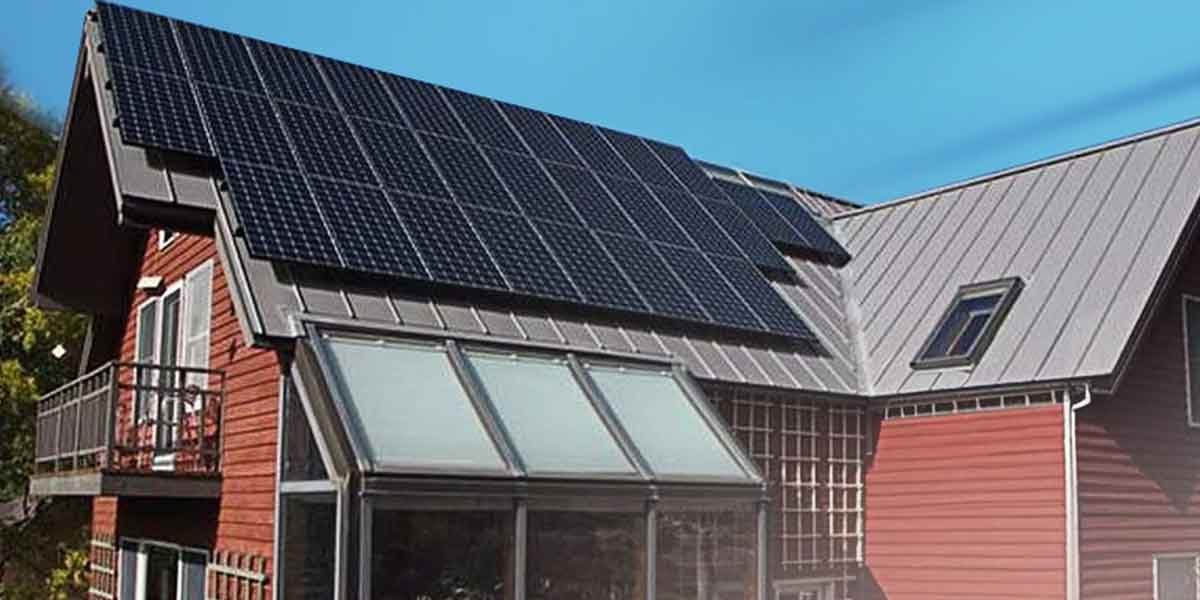
When homeowners consider making the switch to renewable energy, one of their biggest fears is what the installation will do to their roof. The idea of contractors drilling dozens of holes into the top of your house to mount heavy solar panels is enough to make anyone anxious about future water leaks, voided warranties, and structural damage, notes MVP Property Management company.
But if you have a metal roof, you might be sitting on a goldmine. Not only can you install solar panels on a metal roof, but in many cases, it is actually the best type of roof for solar in the entire residential housing market. The combination of durability, longevity, and innovative mounting solutions makes it an ideal platform for solar energy generation.
The Short Answer
Yes, you can easily install solar panels on a metal roof. If you have a standing seam metal roof, panels can be attached using specialized clamps that require zero drilling and create zero holes. For corrugated metal roofs, specialized brackets with waterproof gaskets are used. Furthermore, the 50-year lifespan of a metal roof perfectly complements the 25-year lifespan of solar panels, ensuring you will likely never have to pay to remove and reinstall your panels for a roof replacement.
The 3 Types of Metal Roofs (And How to Mount on Them)
When you ask a solar installer for a quote, the first thing they will ask is, “What kind of metal roof do you have?” Not all metal roofs are created equal when it comes to solar compatibility. Understanding your specific roof type will dictate the mounting hardware required and the overall complexity of the installation.
1. Standing Seam Metal Roofs (The Holy Grail)
A standing seam roof features long, flat metal panels with raised vertical ribs (seams) running from the top of the roof down to the eaves. For solar installers, this is the holy grail of roofing materials. Installers use specialized U-shaped clamps (such as the industry-standard S-5! clamps) that pinch onto the raised seam and tighten with a set screw.
Because the clamp grabs the seam, there are zero penetrations made into the roof deck. No holes mean no leaks, and it completely preserves your roof’s watertight warranty. This method is incredibly fast, highly secure, and provides immense peace of mind for the homeowner.
2. Corrugated / Exposed Fastener Metal Roofs
Corrugated metal roofs feature a wavy, repeating “U” pattern, often seen in agricultural, industrial, or modern rustic residential designs. Because there is no raised seam to clamp onto, solar panels must be attached using a penetrating mount. Installers will drill specialized brackets (like the SolarFoot) directly into the roof rafters through the metal.
While this does create holes, there is no need to panic. Modern mounting brackets are designed with thick butyl rubber gaskets and are sealed with high-grade roofing sealant to ensure they remain 100% waterproof. When installed by a competent professional, these penetrations are just as secure as the exposed fasteners that hold the roof itself together.
3. Metal Tiles and Metal Shingles
Metal stamped to look like clay tiles, slate, or wood shakes is beautiful, but it is the hardest metal roof for solar installation. Because there is an air gap between the metal tile and the solid roof deck below, walking on the roof or tightening a standard mount can crush and deform the metal.
Many inexperienced installers will walk away from these jobs to avoid liability. However, a professional installer will use specialized “Tile Replacement” mounts or deck-level standoffs that transfer the weight directly to the rafters without crushing the metal. It requires more labor and specialized parts, but it is entirely possible.
The “Lifespan Synergy” (Why Metal + Solar is Perfect)
The biggest hidden cost in the solar industry is the inevitable roof replacement. Standard asphalt shingle roofs last roughly 15 to 20 years. Solar panels, on the other hand, are warrantied to last 25 to 30 years.
If you install solar panels on a 10-year-old asphalt roof, you will need a new roof in five to ten years. To replace the roof, you have to pay a solar company $2,000 to $3,000 to remove the panels, wait for the roofers to finish, and then pay the solar company to reinstall the panels. It is a massive headache that destroys your Return on Investment (ROI).
Metal roofs, however, have a lifespan of 40 to 60+ years. If you install solar panels on a new or mid-life metal roof, the roof will outlive the solar panels. You will never have to pay removal and reinstallation fees. The lifespans are perfectly synergistic, making the long-term economics of the project much more favorable.
Heat and Efficiency: Do Metal Roofs Cook Solar Panels?
A common myth among homeowners is that because metal roofs get incredibly hot in the summer sun, they will “cook” the solar panels and ruin their electrical efficiency. It is true that solar panels lose a fraction of a percent of efficiency for every degree they heat up past their optimal operating temperature, but this is rarely an issue on a metal roof.
When solar panels are mounted on a metal roof (especially a standing seam roof), they are elevated on rails or clamps, creating an air gap of 2 to 4 inches between the hot metal and the bottom of the solar panel. This gap acts as a vital cooling channel. As the metal heats up, hot air rises and flows out from under the panels, pulling cooler air in from the bottom. This natural convection keeps the panels operating at peak efficiency, preventing them from baking against the roof deck.
Real Homeowner & Installer Experiences
To get a sense of the reality on the ground, we looked at discussions from homeowners and solar professionals regarding metal roof installations. The consensus is overwhelmingly positive, though caution is advised for stamped metal tiles.
“Installing solar panels on a metal roof can be a great move. From my experience, it’s crucial to use the right mounting system designed for metal roofs to ensure a secure fit and avoid leaks. I went with a system that uses clamps instead of penetrating the roof, which made a big difference in ease and safety.”
— u/fiercefragmentation, r/solar
“Many installers will walk away from these type of jobs [metal tiles] because solving the mounting problem can either add a lot of cost and time to the job, or can run the risk of incurring liability for damage to the roof surface. That said, it’s not impossible… Standing seam metal roofing and through fastened metal roofing (eg. Fabral, corrugated metal) have standard mounting products that are easy to install without damaging the roof.”
— Anonymous Installer, r/solar
“Yup, sometimes they [metal tiles] get a little smashed up. We use deck mount hardware to do this… We install on these all the time as well. No issues. Use Quickmounts Tile Replacement mounts.”
— u/solarman5000, r/solar
Pros and Cons of Solar on Metal Roofs
If you are debating whether to combine these two technologies, here is a quick breakdown of the advantages and disadvantages:
The Pros
- No Leaks: Standing seam roofs allow for penetration-free mounting, completely eliminating the risk of water damage.
- Longevity: The roof will outlast the panels, saving you thousands of dollars in removal and reinstallation fees over the system’s lifetime.
- Cooling Efficiency: The air gap between the panels and the metal allows for excellent heat dissipation via natural convection.
- Eco-Friendly: Metal roofs are highly recyclable, pairing perfectly with the green ethos of solar energy.
- Weight Capacity: Metal roofs are incredibly lightweight compared to tile or slate, meaning the underlying roof structure can easily support the added weight of solar panels.
The Cons
- Initial Cost: Metal roofs are significantly more expensive to install initially than asphalt shingles. If you have to replace your roof before going solar, a metal roof will drastically increase your upfront costs.
- Installer Availability: If you have stamped metal tiles or metal shingles, you may have to call several solar companies before finding one experienced enough to handle the job without crushing the metal.
Frequently Asked Questions (FAQ)
If you have a standing seam roof and use non-penetrating clamps, it will almost certainly not void your warranty. If you have a corrugated roof that requires drilling, it could potentially void the warranty on the penetrated sections if not done to the manufacturer’s exact specifications. Always check with your roof manufacturer before installation to confirm their policies.2. Should I use thin-film solar panels that stick directly to the metal?
While thin-film (amorphous silicon) solar panels exist and can be glued directly between the seams of a metal roof, they are rarely recommended for residential use. They are significantly less efficient than traditional monocrystalline panels, meaning you need a massive roof area to generate enough power for a standard home. Stick to traditional rigid panels for the best ROI.3. Can I install the solar panels myself?
While DIY solar kits exist, installing them on a metal roof is risky. Metal roofs are incredibly slippery, especially if there is morning dew, rain, or pollen. A fall from a metal roof can be catastrophic. Additionally, improperly wiring a system can cause fire hazards. It is highly recommended to hire a licensed, insured solar professional to handle the installation.4. Does the color of my metal roof matter?
Yes! If you are installing a new metal roof before adding solar, choose a lighter color (like white, beige, or light gray). Light colors reflect up to 90% of the sun’s heat, whereas black roofs absorb it. A cooler roof means a cooler attic, lower AC bills, and slightly more efficient solar panels due to the lower ambient temperature.
Final Thoughts
Putting solar panels on a metal roof is a match made in heaven. If you are fortunate enough to have a standing seam metal roof, you are in the best possible position to go solar, enjoying a fast, drill-free installation and decades of reliable, leak-free power. If you have a corrugated or tile metal roof, do not be discouraged. Just ensure you hire an experienced installer who uses the correct brackets and sealants to protect your investment. With the right hardware, your metal roof will happily host your solar panels for the next 25 years.