



Why Non-Slip Flooring is Critical for Aging in Place
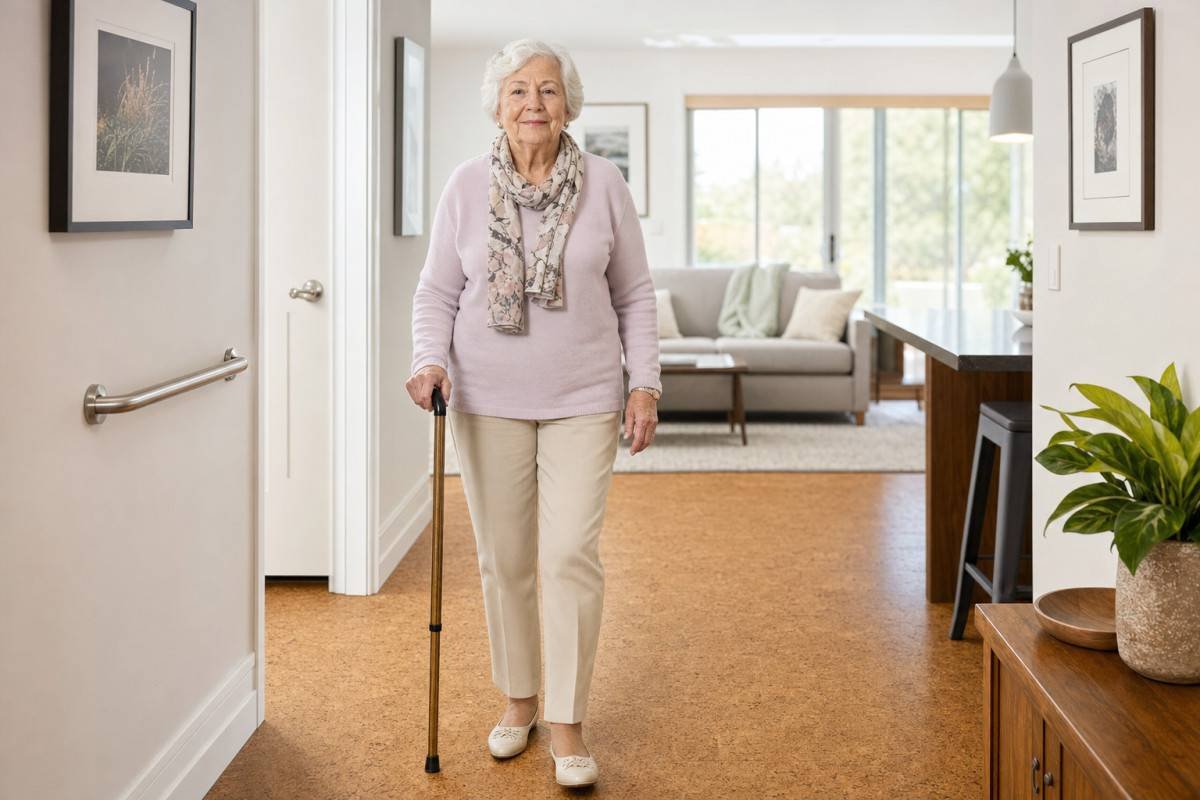
The statistics surrounding falls among older adults are sobering. As noted by Premier Property Management Aston, each year, approximately 36 million falls are reported among older adults in the United States, resulting in more than 32,000 deaths. Beyond the physical toll, fall-related injuries cost the healthcare system an estimated $50 billion annually. While many factors contribute to fall risk, including medications, vision impairment, and muscle weakness, the home environment plays a significant and modifiable role. Flooring that lacks adequate traction, transitions that create tripping hazards, and surfaces that become slippery when wet are all preventable risk factors. By investing in the right flooring materials and installation methods, families and caregivers can dramatically reduce the likelihood of a fall occurring in the home. The goal is not simply to choose a floor that looks attractive, but to select one that actively supports the mobility, balance, and confidence of elderly residents.
Key Factors to Consider When Choosing Flooring for Seniors
When evaluating flooring options for elderly individuals, several key criteria must be weighed carefully. The following table summarizes the most important factors and their relative importance for senior safety:
| Factor | Why It Matters | Priority Level |
|---|---|---|
| Slip Resistance (COF) | Prevents falls on dry and wet surfaces | Critical |
| Cushioning/Resilience | Reduces injury severity if a fall occurs | High |
| Ease of Maintenance | Prevents buildup of slippery residues | High |
| Contrast and Visibility | Helps seniors with low vision navigate safely | Medium |
| Transition Smoothness | Eliminates tripping hazards between rooms | High |
| Durability | Maintains safety properties over time | Medium |
The coefficient of friction (COF) is the industry standard measure of slip resistance. The Americans with Disabilities Act (ADA) recommends a minimum COF of 0.6 for level surfaces and 0.8 for ramps. When shopping for flooring, look for products that specify their COF rating, particularly for wet conditions, as this is the most dangerous scenario for seniors.
Top Non-Slip Flooring Options for the Elderly
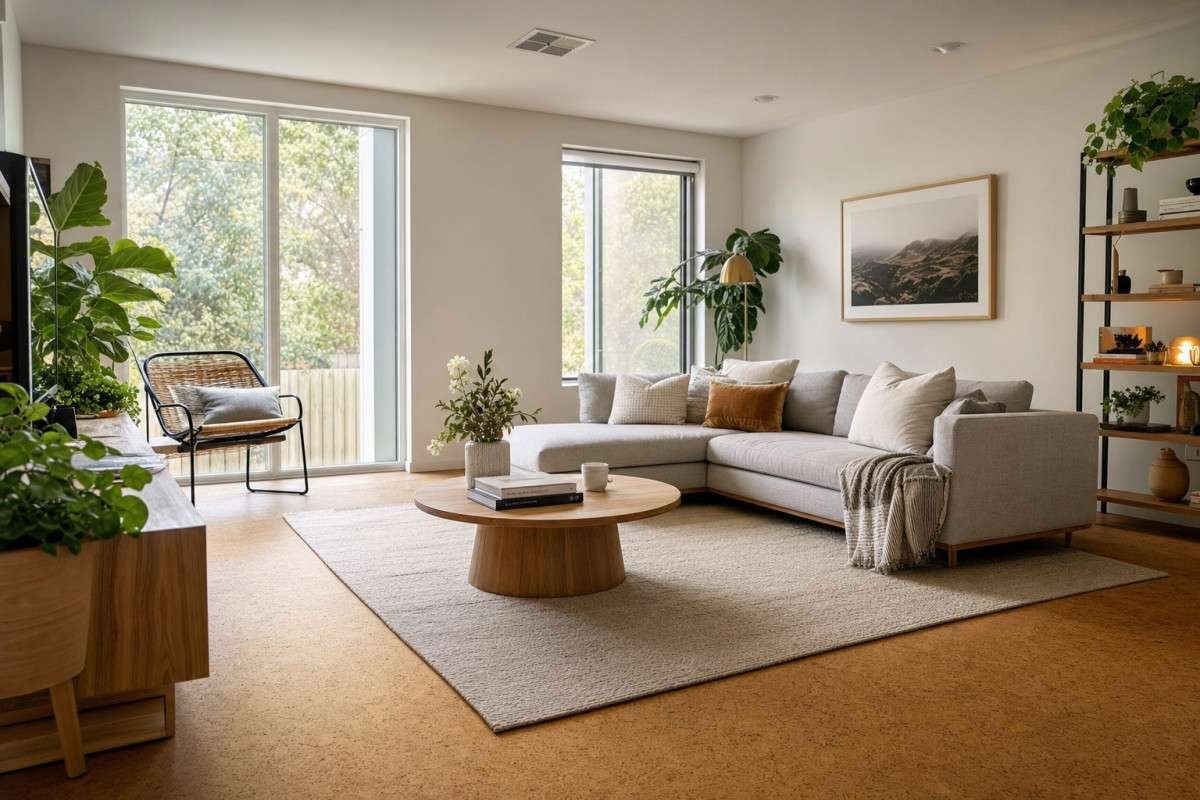
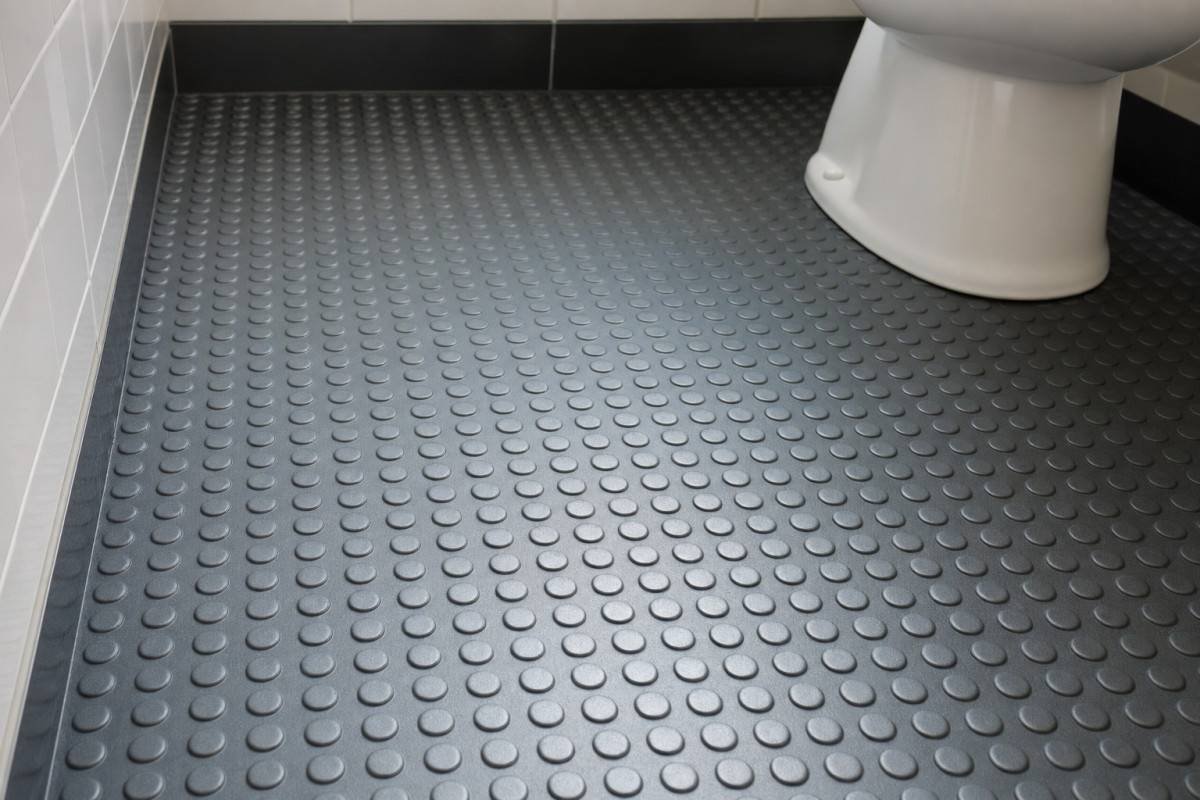
Several flooring materials stand out as particularly well-suited for elderly residents. Cork flooring is one of the top recommendations, offering a naturally textured surface with a COF well above the ADA minimum. Its cellular structure provides a degree of cushioning that can reduce the severity of injuries if a fall does occur, and it is gentle on joints during prolonged standing. Rubber flooring, commonly used in commercial settings such as gyms and hospitals, is increasingly available for residential use and provides exceptional grip even when wet. Textured luxury vinyl plank (LVP) combines the aesthetic appeal of hardwood with a slip-resistant embossed surface and a comfortable underfoot feel. Low-pile carpet, while requiring more maintenance, provides the highest level of cushioning and grip of any flooring type, making it an excellent choice for bedrooms and living areas where seniors spend significant time.
Flooring Materials to Avoid for Senior Safety
Not all flooring materials are created equal when it comes to senior safety. Polished hardwood and high-gloss laminate floors, while visually appealing, can become dangerously slippery when wet or when socks are worn without shoes. Glazed ceramic and porcelain tiles present a similar hazard, particularly in bathrooms and kitchens where water exposure is frequent. Thick, plush carpet, while soft, can catch the toes of shuffling walkers and increase tripping risk. Loose area rugs without non-slip backing are among the most dangerous flooring elements in any senior’s home, as they can shift underfoot and cause sudden loss of balance. Any flooring with raised patterns, uneven textures, or visible seams at transitions should also be avoided, as these features can catch the feet of individuals with limited mobility or those using walkers and canes.
How to Improve the Safety of Existing Floors
Replacing all flooring in a home is a significant investment that is not always immediately feasible. Fortunately, there are several cost-effective strategies for improving the safety of existing floors without full replacement. Anti-slip floor coatings and treatments can be applied to smooth tile, hardwood, and laminate surfaces to increase their coefficient of friction. These products work by creating a microscopic texture on the surface that improves grip without altering the visual appearance of the floor. Non-slip area rugs with rubber backing can be placed in high-risk areas such as bathroom entrances, kitchen work zones, and bedside areas. Transition strips between different flooring types should be flush with the surface and secured firmly to eliminate any raised edges. Adequate lighting, particularly motion-activated night lights in hallways and bathrooms, complements flooring safety measures by ensuring that seniors can see where they are stepping at all times.
Room-by-Room Flooring Recommendations for Seniors
Different rooms in the home present different safety challenges, and flooring recommendations should be tailored accordingly. In the bathroom, where wet conditions are constant, textured non-slip tile with a matte finish or rubber flooring is the safest choice. A non-slip bath mat inside the shower or tub and a rubber-backed rug outside are essential additions. In the kitchen, cork or textured LVP provides good traction while offering the anti-fatigue benefits that make prolonged standing more comfortable. For bedrooms, low-pile carpet or cork provides a soft, warm surface that is forgiving in the event of a fall when getting out of bed. In hallways and entryways, where transitions between rooms occur, flush transition strips and consistent flooring materials reduce tripping hazards. Living areas benefit from cork or textured LVP, which are durable enough to withstand furniture movement and foot traffic while maintaining their slip-resistant properties.
Maintenance Tips to Preserve Slip Resistance
Even the best non-slip flooring can become hazardous if not properly maintained. Regular cleaning is essential to prevent the buildup of wax, polish, and cleaning product residue, all of which can significantly reduce a floor’s coefficient of friction. For cork and LVP floors, use only pH-neutral, manufacturer-approved cleaners and avoid steam mops, which can damage the surface and compromise its texture. Rubber flooring should be cleaned with a mild soap solution and rinsed thoroughly, as soap residue can create a slippery film. Carpet should be vacuumed regularly and professionally cleaned at least once a year to remove embedded dirt and oils that can mat down the fibers and reduce grip. Inspect all flooring annually for signs of wear, particularly in high-traffic areas, and address any damage promptly. Worn or damaged flooring that has lost its surface texture should be replaced or refinished to restore its safety properties.
Quick Answer: Discover the best non-slip flooring options for elderly individuals aging in place, including cork, rubber, textured vinyl, and carpet tiles for maximum safety.
Frequently Asked Questions (FAQ)
What is the safest flooring for elderly people?
Cork, rubber, textured luxury vinyl plank, and low-pile carpet are among the safest flooring options for seniors due to their natural slip resistance and cushioning properties.
Is hardwood flooring safe for elderly?
Smooth hardwood can be slippery, especially when wet. If using hardwood, apply a non-slip finish or use area rugs with non-slip backing in high-traffic zones.
What flooring is easiest for seniors to walk on?
Cork and rubber flooring offer the best combination of cushioning and grip, reducing joint strain and fall risk for elderly individuals.
How do I make existing floors safer for seniors?
You can add non-slip area rugs, apply anti-slip coatings, install grab bars near transitions, and ensure adequate lighting to improve floor safety for seniors.
Is tile flooring safe for the elderly?
Unglazed ceramic or porcelain tile with a matte finish and textured surface can be safe. Avoid polished or glazed tiles, which become extremely slippery when wet.
Conclusion
Making informed decisions about non slip flooring elderly requires careful consideration of the factors outlined in this guide. By understanding the key principles, evaluating your specific needs, and following the practical steps described above, you can achieve results that are both functional and long-lasting. Whether you are a first-time homeowner or an experienced DIY enthusiast, the information in this guide provides a solid foundation for success. Take the time to plan thoroughly, invest in quality materials, and approach each step with care, and the outcome will reflect that investment for years to come.