



Common Signs of Rodent Infestation
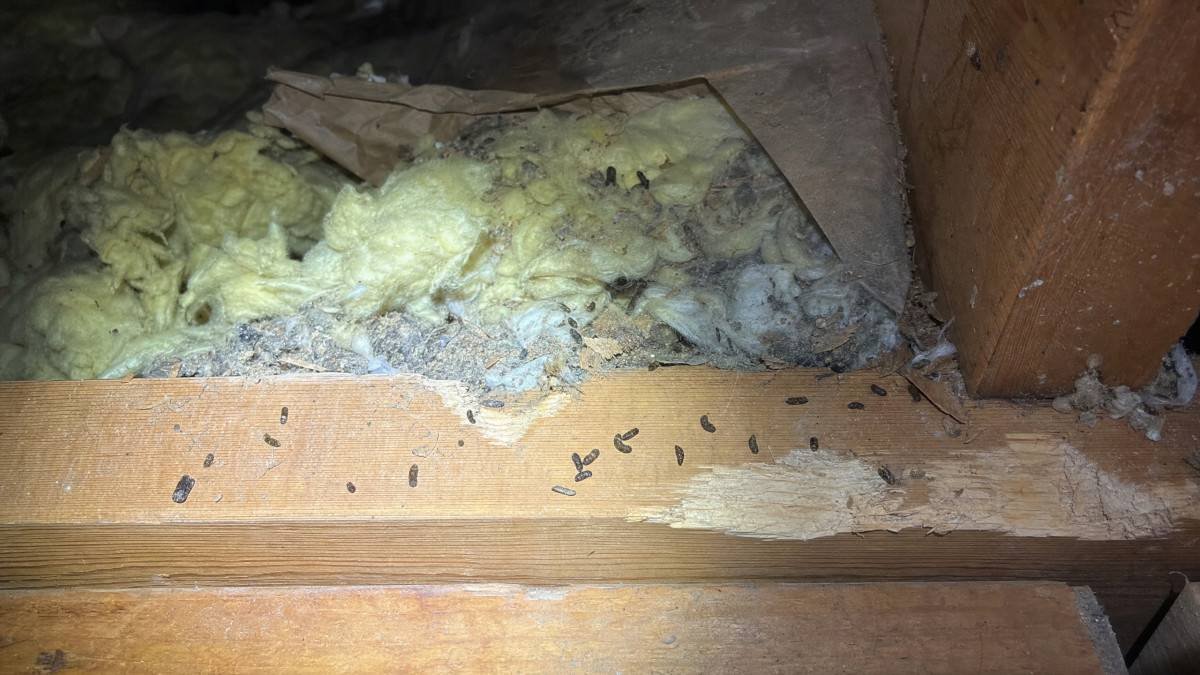
Recognizing common signs of rodent infestation involves observing physical evidence such as droppings, gnaw marks, and nesting materials. These signs often cluster in areas rodents frequent or use for shelter. Identifying these clues helps confirm rodent activity inside a property.
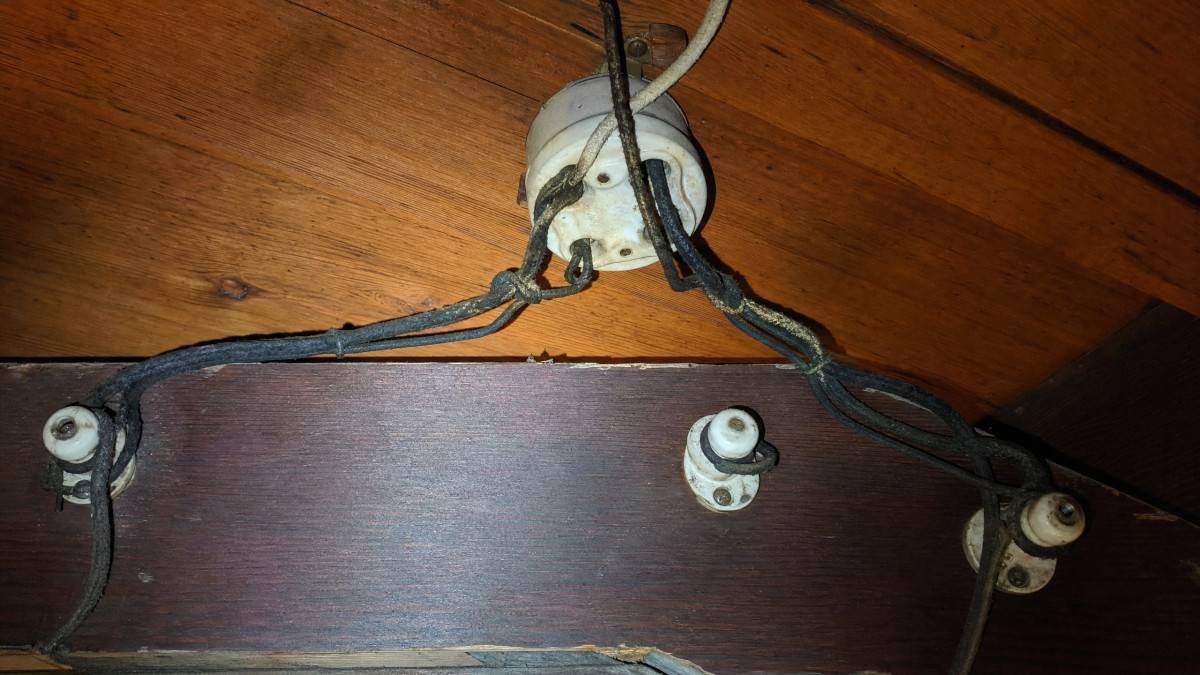
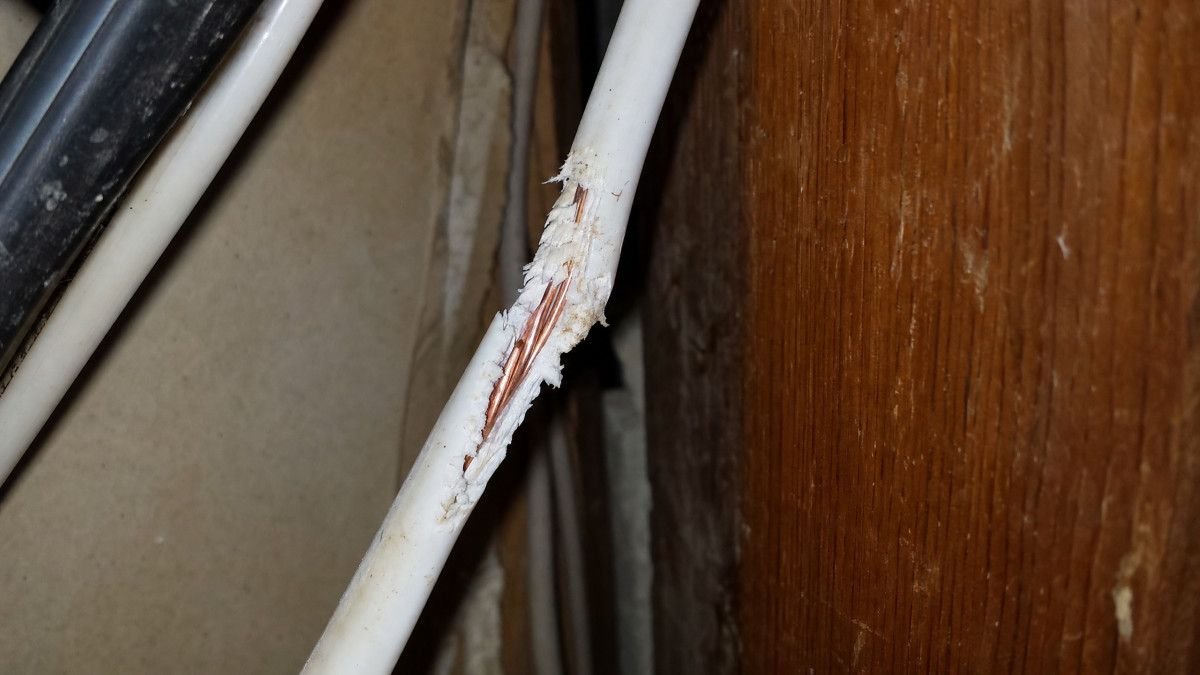
Rodent droppings are one of the most straightforward indicators. Mouse droppings typically measure between one-eighth and one-quarter of an inch, while rat droppings range from one-half to three-quarters of an inch. Gnaw marks on wood, wiring, and food packaging reveal rodents’ constant need to wear down their teeth. Additionally, shredded insulation, paper, or fabric may indicate nesting sites. Grease marks along walls come from the oils in rodent fur as they travel regularly along the same routes, while scratching noises and a distinctive musky odor may also signal their presence.
Another sign to watch for is the presence of burrows or holes in outdoor areas near foundations and garden beds. Rodents often create tunnels for shelter and access to buildings. Fresh footprints or tail marks in dusty or muddy areas can reveal recent activity. In some cases, pet behavior such as sudden alertness, scratching at walls, or increased interest in certain spots may also hint at hidden rodent presence. These less obvious signs require attentive observation to detect.
Rodents are also known to leave behind urine stains that fluoresce under ultraviolet light, which can be useful during professional inspections. This residue not only marks their territory but also contributes to the unpleasant odors commonly associated with infestations. Being aware of these various indicators helps in assembling a comprehensive picture of rodent activity, increasing the chances of early detection and effective control.
Inspection Areas for Rodent Activity
Thorough inspection is essential to pinpoint rodent infestation accurately. Key areas to check include attics, crawl spaces, basements, and garages, which provide shelter and nesting options. These spaces often show the clearest physical signs of rodent presence.
Inspecting all utility penetrations such as gaps around pipes, conduits, and wiring is critical, as rodents exploit these openings to enter a building. Structural wood and wiring should be examined closely for fresh gnaw marks, which indicate ongoing activity. Food storage areas are vulnerable spots, so they must be inspected for signs of contamination or damage. Careful observation in these areas increases the likelihood of detecting an infestation at an early stage.
In addition to these common sites, kitchens and pantries deserve special attention due to the availability of food sources. Rodents often leave grease smudges and droppings near cupboards and under appliances. Checking behind refrigerators, stoves, and dishwashers can reveal hidden signs that are easily overlooked. Similarly, inspecting laundry rooms and utility closets can uncover nests made from fabric or paper materials.
Outdoor inspections near the foundation and around trash bins can also provide clues. Rodents tend to gather nesting materials like leaves and shredded paper close to entry points. Observing these nearby areas helps identify potential access points and infestation centers before rodents establish themselves deeply inside the home. Consistent and systematic inspection routines ensure no area goes unchecked, helping to catch infestations early.
Common Entry Points and How to Seal Them
Rodents can enter through surprisingly small gaps, with mice squeezing through gaps as narrow as one-quarter inch. Common entry points include cracks in foundations, gaps under doors, vents without screens, and openings around pipes and utility lines. Roofline and soffit gaps also serve as potential access routes.
Sealing these entry points effectively requires materials that rodents cannot easily chew through. Steel wool combined with caulk or hardware cloth is widely used to block openings. It is essential to identify and seal every accessible gap larger than one-quarter inch to prevent reinfestation. Regular inspections help maintain these barriers and ensure the home remains secure against rodent intrusion.
Doors and windows should be checked for proper fitting and weatherstripping to eliminate gaps. Installing door sweeps and sealing cracks around window frames can reduce entry chances. Chimney openings need protective screens to prevent rodents from entering through flues. In addition to sealing, maintaining the exterior of the home by repairing damaged siding and filling holes in brickwork or stucco further lowers the risk of intrusion.
While sealing is vital, it must be done thoughtfully to avoid trapping rodents inside. Before closing off any space, confirming the absence of rodents is important. Combining exclusion techniques with trapping and sanitation offers a comprehensive defense. Regular maintenance and vigilance ensure that sealed points remain intact over time despite weathering or structural shifts.
Rodent Control Methods and Comparison
Various control methods exist for managing rodent infestations, ranging from DIY approaches to professional treatments. Choosing an appropriate method depends on the infestation’s severity and the homeowner’s preferences. Understanding the pros and cons of each option helps in making an informed decision.
Snap traps remain one of the most effective DIY tools for rodent removal and are best placed perpendicular to walls where rodents travel. Other methods include glue traps, live traps, and rodenticides, each with different implications for safety and effectiveness. Professional extermination may be necessary for severe or recurring infestations, involving specialized treatments and ongoing monitoring.
When selecting control methods, considering the safety of children, pets, and non-target wildlife is essential. Glue traps, while affordable, can cause prolonged suffering and unintended captures, making them less humane. Live traps require responsible release practices and may not be suitable in all areas due to local wildlife regulations. Rodenticides carry the risk of secondary poisoning if pets or wildlife consume affected rodents, necessitating cautious use under expert guidance.
Integrated pest management strategies that combine trapping, habitat modification, and exclusion often yield the best long-term results. Ongoing monitoring after initial control efforts helps detect any returning rodents early. Professional services can offer tailored solutions and employ baits and devices that are not readily available to the public, enhancing control success for challenging infestations.
| Control Method | Effectiveness | Cost Range | Safety Considerations | Ideal Use |
|---|---|---|---|---|
| Snap Traps | High for small infestations | Low ($5–$20 per trap) | Safe if placed properly | DIY, mild infestations |
| Glue Traps | Moderate | Low ($5–$15 per pack) | Can cause animal suffering; less humane | DIY, small infestations |
| Live Traps | Variable, requires release | Moderate ($15–$40 per trap) | Requires responsible handling | Humane option for small infestations |
| Rodenticides (Poisons) | High but slower | Moderate ($10–$50 per package) | Risk to pets and children | Professional or experienced users |
| Professional Extermination | Very high | Moderate to high ($200–$600 per treatment) | Handled by experts, safer | Severe or recurring infestations |
Prevention Strategies to Avoid Rodent Infestation
Preventing rodent infestation requires a combination of sealing entry points, food management, and property maintenance. These strategies reduce the likelihood of rodents entering and establishing nests inside a home.
Sealing any gaps larger than one-quarter inch with durable materials is fundamental. Storing food in sealed containers denies rodents easy access to nourishment. Keeping firewood and clutter away from the house limits potential nesting sites. Trimming vegetation near exterior walls eliminates shelter and hiding places. Annual inspections help identify new vulnerabilities and ensure prevention measures remain effective over time, maintaining a rodent-free environment.
Maintaining cleanliness indoors is equally important. Promptly cleaning up food crumbs, spills, and garbage reduces attractants that lure rodents inside. Regularly emptying trash bins and using lids discourage rodents from scavenging. Avoid leaving pet food out overnight and position bird feeders away from the home to prevent attracting rodents outdoors. Encouraging natural predators such as owls and snakes by preserving habitat can also help keep rodent populations in check naturally.
Water sources should be managed carefully, as rodents require hydration. Fixing leaks, removing standing water, and ensuring proper drainage around the foundation minimizes water availability. Landscaping with gravel or mulch instead of dense foliage near the home’s base reduces hiding spots. These combined preventive measures create an environment less hospitable to rodents, significantly lowering the chances of infestation and the need for reactive control efforts.
Frequently Asked Questions
What is the difference between mice and rats in terms of infestation?
Mice are smaller, usually measuring around two to four inches in body length, and are more common inside homes. Rats are larger, often found in basements and crawl spaces, and can cause more extensive damage. Their droppings, behavior, and preferred nesting sites differ, making identification important for targeted control. Mice tend to be more curious and travel along walls, while rats are often more cautious and prefer burrows or hidden areas.
What health risks do rodents pose to humans?
Rodents carry diseases such as hantavirus, which is primarily associated with mice, leptospirosis linked to rats, and salmonella carried by both. These diseases can result from contact with droppings, urine, or bites, posing serious health risks if infestations are not addressed promptly. Additionally, rodent allergens can trigger asthma and allergic reactions, especially in sensitive individuals. Proper cleanup and control reduce these health hazards significantly.
When should professional extermination be considered over DIY methods?
Mild infestations can often be managed with DIY traps and sealing techniques. However, severe or recurring infestations require professional extermination to ensure complete removal and prevent reinfestation. Experts have access to specialized tools and treatments for effective control. Professional services also provide inspection, exclusion advice, and follow-up visits, which are valuable for long-term protection.
Which trap is considered the most effective for rodent control?
Snap traps are widely regarded as the most effective and humane option for controlling rodents. Placing them perpendicular to walls in areas with rodent activity increases capture success. They provide quick results and are cost-effective for mild to moderate infestations. Proper placement, bait selection, and regular monitoring improve their effectiveness further, making them a preferred choice for many homeowners.
What is the typical cost range for professional rodent extermination?
Professional extermination usually costs between $200 and $600 per treatment, depending on the infestation size and treatment complexity. This cost covers inspection, trapping, sealing, and follow-up visits to ensure the infestation is fully eradicated. Some companies offer guarantees or maintenance plans for ongoing protection, which may affect pricing. Investing in professional services can save money in the long run by preventing extensive damage.
Conclusion
Identifying signs of rodent infestation early is essential for protecting a home from damage and health hazards. Observing droppings, gnaw marks, nesting materials, and other indicators guides homeowners in detecting the presence of rodents. Regular inspections of vulnerable areas increase the chances of catching infestations before they worsen. Staying vigilant and knowledgeable about rodent behavior aids in maintaining a safe, rodent-free environment.
Sealing entry points, maintaining cleanliness, and selecting proper control methods help eliminate rodents and prevent future infestations. Combining prevention with appropriate removal strategies ensures a safer and healthier living environment free from the risks rodents present. Ongoing maintenance and monitoring are key to sustaining long-term protection and peace of mind for homeowners and occupants alike.