



Knob and tube wiring is a historic electrical wiring method commonly found in homes built between the late 19th century and the mid-20th century, points out Tverdov Housing specialists. This system uses single insulated copper conductors supported by ceramic knobs and routed through ceramic tubes, lacking a grounding conductor. While it was once a standard, knob and tube wiring presents significant electrical and fire risks today due to its outdated design and aging insulation materials.
This wiring method was revolutionary at the time of its introduction, providing a safer and more organized alternative to early electrical systems. However, as electrical demands have increased dramatically with the development of new technologies and household appliances, knob and tube wiring no longer meets the needs of modern homes. Its limitations, combined with the natural degradation of materials over time, make it a concern for homeowners and inspectors alike.
Despite these challenges, many older homes still retain knob and tube wiring, either partially or entirely. Understanding the characteristics, risks, and options for dealing with this type of wiring is crucial for maintaining safety, ensuring compliance with local electrical codes, and navigating insurance requirements. Homeowners should be proactive in evaluating the condition of knob and tube wiring to avoid potentially hazardous situations.
What Is Knob and Tube Wiring and How Does It Work?
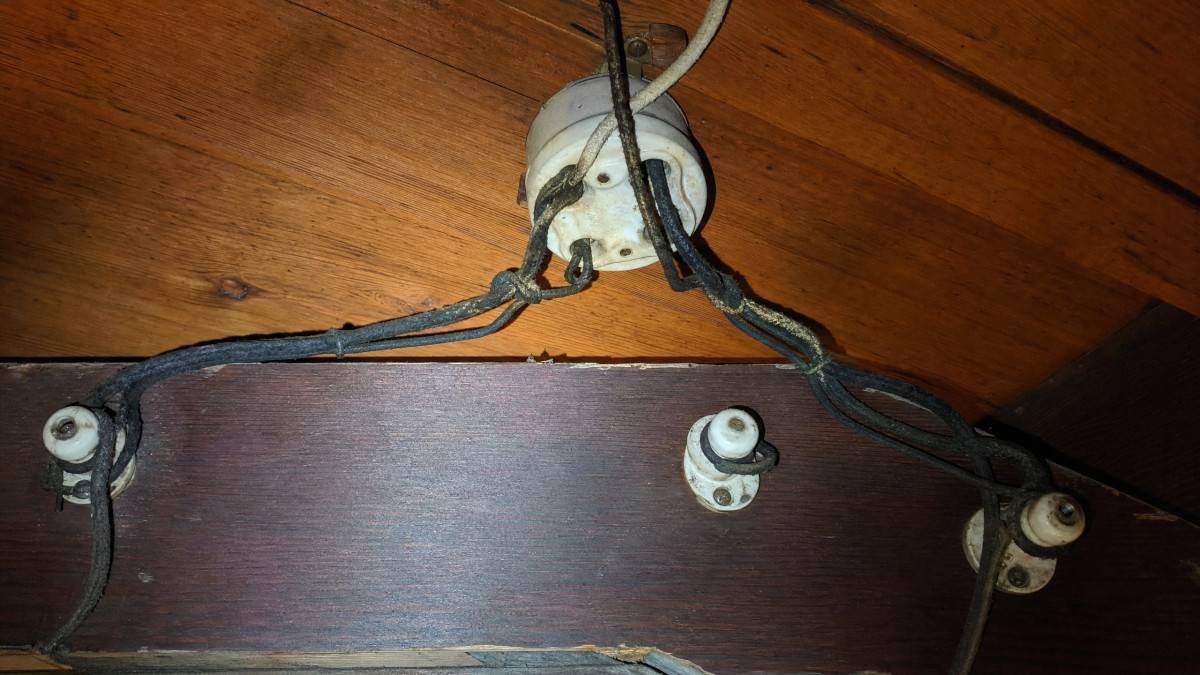
Knob and tube wiring is an early electrical wiring method that consists of single copper conductors insulated with rubber and cloth. These wires run separately and are supported by ceramic knobs, which keep the wires away from framing materials, while ceramic tubes protect the wires where they pass through walls or joists. The system was popular from roughly 1880 until the 1940s, before being replaced by modern cable wiring with grounded conductors.
This wiring method was designed for the electrical demands of its time, which were significantly lower than today’s standards. It does not include a ground wire, which means it lacks the added safety of grounding electrical circuits to reduce shock risk. The insulation materials degrade over time, and because the wires are exposed in open air, the system depends on heat dissipation through ventilation rather than insulation. These design characteristics contribute to its risks in contemporary use.
In operation, knob and tube wiring runs the hot and neutral conductors separately, which minimizes the chance of short circuits but also means that the wires are more exposed to environmental factors. The ceramic knobs act as insulators and secure the wires along their path through the building structure, while ceramic tubes protect the wires from damage when they pass through framing members. This open-air design was intended to prevent heat buildup, but it also leaves the wiring vulnerable to physical damage and deterioration over the decades.
Because knob and tube wiring lacks a grounding conductor, it does not provide the protection against electrical faults that modern wiring systems offer. Grounding helps divert stray electrical currents safely into the earth, reducing shock hazards and protecting appliances. The absence of this feature in knob and tube wiring means that any fault in the circuit could potentially energize metal parts of appliances or fixtures, presenting a serious risk of electric shock.
Primary Risks of Knob and Tube Wiring
Knob and tube wiring presents several safety concerns, chiefly due to the absence of a grounding conductor. Without grounding, electrical faults cannot be safely diverted, increasing the risk of shock and equipment damage. The insulation, typically rubber wrapped in cloth, becomes brittle after decades and can crack, exposing live conductors and creating a risk of electrical fires or shock.
Another critical risk is that knob and tube wiring was never intended to support the high electrical loads common in modern homes. Overloading circuits can cause excessive heat buildup. Additionally, covering knob and tube wiring with modern insulation is hazardous because the system relies on air circulation to dissipate heat. When insulated improperly, the wires can overheat, significantly increasing fire hazards. Improper or amateur modifications over the years may also compromise the original wiring safety.
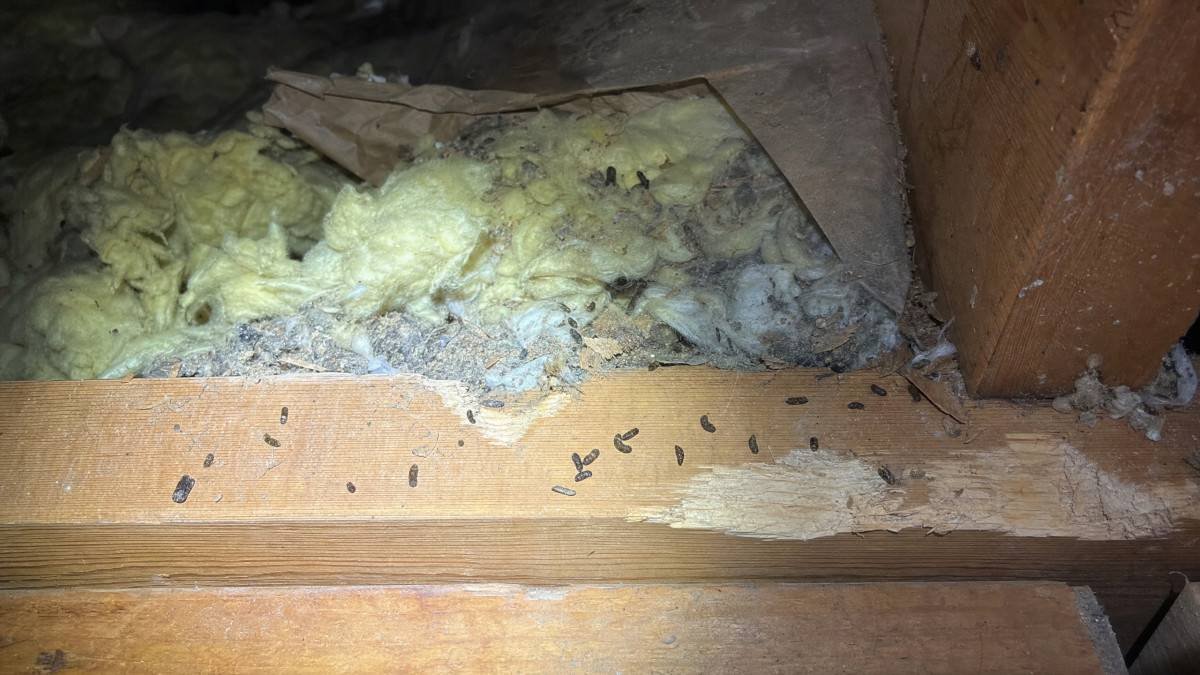
Moreover, the rubberized insulation used in knob and tube wiring is susceptible to degradation not only from age but also from environmental factors such as moisture, temperature fluctuations, and exposure to chemicals or rodents. As the insulation cracks and falls away, it leaves bare copper conductors exposed, which increases the risk of short circuits and sparks. These exposed wires can ignite nearby combustibles, especially in concealed spaces like attics and wall cavities.
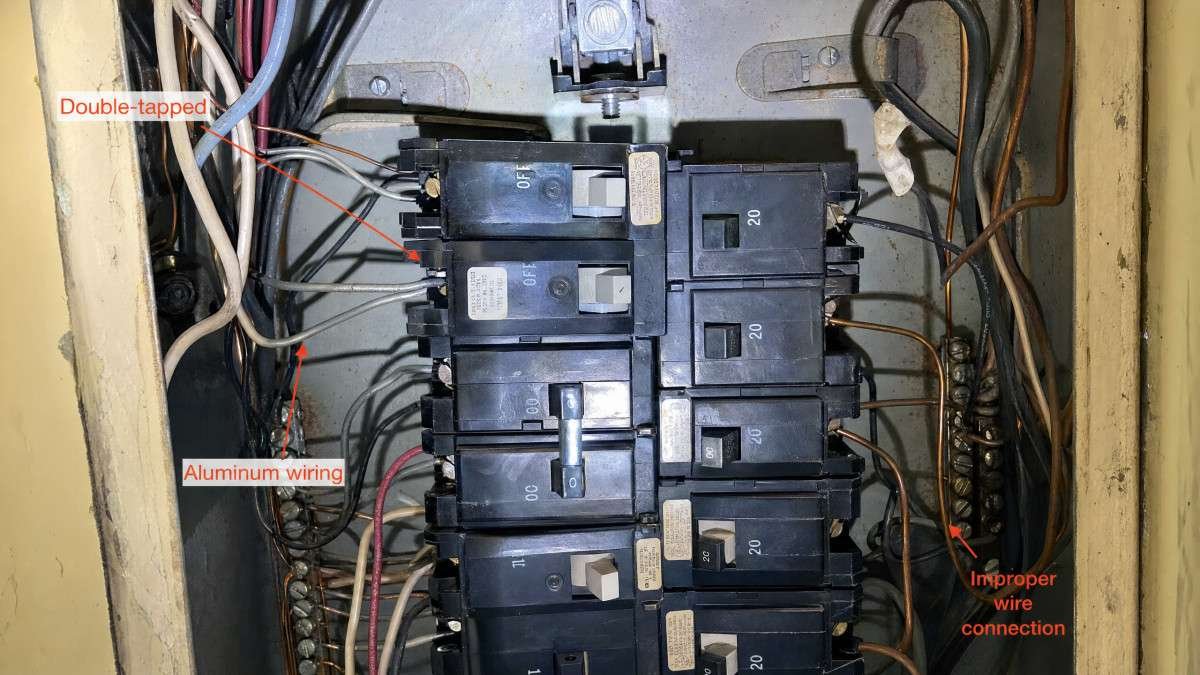
Electrical connections and splices made to knob and tube wiring can also pose dangers if not performed correctly. Over time, homeowners or unlicensed electricians may have made unauthorized splices or extensions using modern wiring methods that are incompatible with the original system. Such modifications can degrade the integrity of the wiring and introduce points of failure, increasing the potential for overheating, arcing, and fires. Because knob and tube wiring was designed for lower currents, any attempt to increase the load without proper upgrades further exacerbates these risks.
Identifying Knob and Tube Wiring in Your Home
Recognizing knob and tube wiring involves visual inspection of accessible areas such as attics, basements, and crawl spaces. Look for single copper conductors mounted on ceramic knobs, and wires passing through ceramic tubes in framing members. The insulation is usually cloth-wrapped and may appear aged or brittle. Older two-prong ungrounded outlets throughout the home also indicate the possible presence of knob and tube wiring.
Another indicator is the presence of a fuse box rather than modern circuit breakers, as fuse boxes were common when knob and tube wiring was standard. If knob and tube wiring has been covered by insulation, it becomes a more significant hazard, as this prevents heat dissipation. A licensed electrician can perform a thorough inspection to confirm the presence and condition of knob and tube wiring and assess related safety risks.
In addition to visual clues, homeowners can listen for subtle signs of electrical issues related to knob and tube wiring, such as flickering lights, frequent blown fuses, or unusual buzzing sounds near outlets or switches. These symptoms may indicate overloaded circuits or deteriorating wiring. Since knob and tube wiring typically has no grounding, testing outlets with an electrical tester can reveal the absence of ground connections, further suggesting the system’s presence.
Given that knob and tube wiring is often hidden behind walls or ceilings, a professional electrician’s expertise is invaluable in detecting its existence. They can use specialized tools like circuit tracers and infrared cameras to locate wiring paths and identify hotspots caused by overheating. Early identification of knob and tube wiring helps homeowners plan for necessary repairs or upgrades to ensure safety and compliance with current electrical codes.
Inspection and Insurance Concerns with Knob and Tube Wiring
Due to its risks, knob and tube wiring often raises concerns during home inspections and insurance underwriting. Many insurance companies refuse coverage for homes with active knob and tube wiring or require significantly higher premiums due to the elevated fire risk. Some insurers may require an electrical inspection and remediation before issuing or renewing a policy.
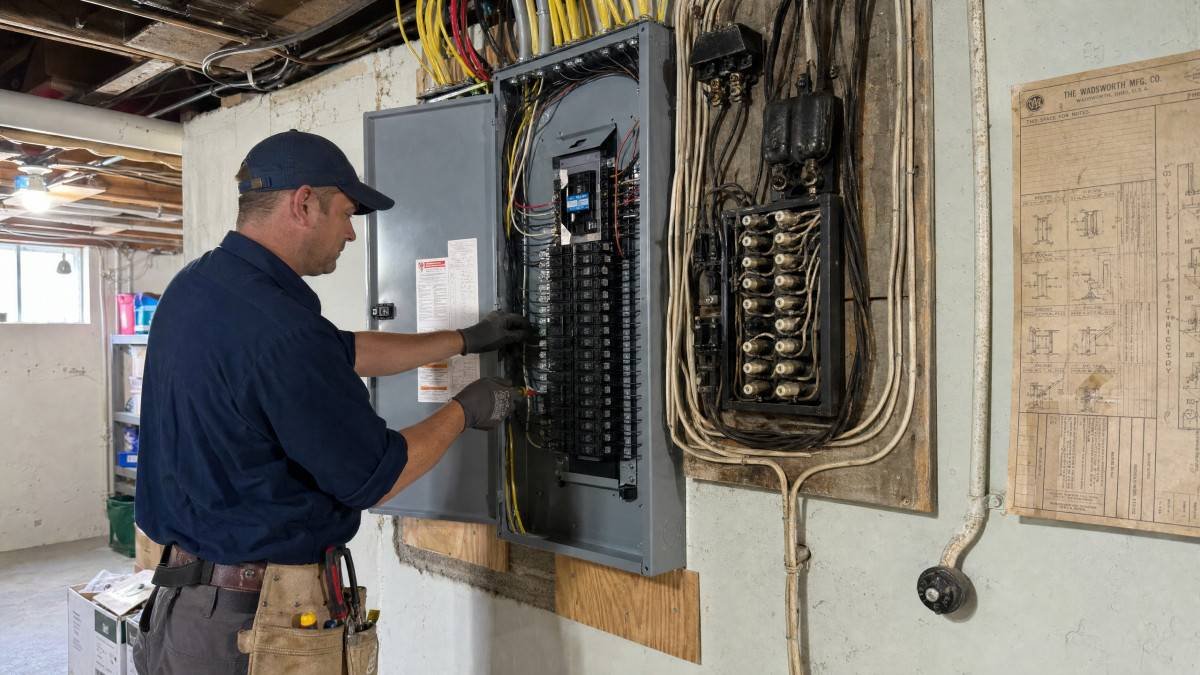
Professional electrical inspections focus on identifying the existence and condition of knob and tube wiring, checking for insulation damage, improper modifications, and whether the wiring is covered by insulation. This evaluation helps determine the urgency of repairs or replacement and informs homeowners about potential insurance challenges. Timely inspections can reduce risks and inform decisions on how to proceed safely.
Insurance companies rely heavily on the findings from certified home inspectors and electricians to assess risk levels associated with older wiring systems. The presence of knob and tube wiring often triggers scrutiny because the likelihood of electrical fires is higher compared to modern wiring. Some insurers may allow coverage if the knob and tube wiring is deemed to be in good condition and isn’t concealed under insulation, but this is becoming increasingly rare.
During an inspection, particular attention is paid to signs of deterioration, improper splices, and any evidence of overheating or fire damage. If the electrical system fails to meet safety standards, insurers may mandate upgrades or replacement before coverage is granted. These requirements can influence homebuyers’ decisions and homeowners’ maintenance plans, making the inspection process a critical step in managing the risks of knob and tube wiring.
| Wiring Type | Grounding | Typical Cost | Safety Level | Suitability for Modern Loads |
|---|---|---|---|---|
| Knob and Tube Wiring | No | Low initial cost (existing) | Low to Moderate (due to age and insulation) | Poor |
| Partial Rewiring with Modern Cable | Yes (grounded) | $3,000 – $7,000 | Moderate to High | Adequate for key circuits |
| Full Rewiring with Modern Cable | Yes (grounded) | $8,000 – $15,000 | High | Excellent |
| GFCI Outlet Installation (on K&T circuits) | Partial (protection against shock) | $200 – $500 per outlet | Partial mitigation | Limited |
Options for Fixing or Mitigating Knob and Tube Wiring Risks
Addressing the risks associated with knob and tube wiring involves several approaches depending on budget and safety priorities. The most comprehensive solution is full rewiring of the home with modern grounded wiring. This option eliminates the hazards of aging insulation, adds grounding protection, and supports modern electrical loads. Although costly, full rewiring provides the highest level of safety and peace of mind.
Partial rewiring can be an alternative for homeowners with budget constraints, focusing on replacing the circuits that carry the highest loads or those most at risk. Installing ground fault circuit interrupter (GFCI) outlets on knob and tube circuits can provide shock protection and reduce risk, but this does not address fire hazards or insulation degradation. It is not recommended to extend knob and tube wiring, as many jurisdictions prohibit such work due to safety concerns.
In some cases, homeowners may consider installing additional protective devices such as arc fault circuit interrupters (AFCIs), which can detect electrical arcs and reduce fire risks. While AFCIs cannot compensate for the absence of grounding or deteriorated insulation, they offer an extra layer of safety on circuits still using knob and tube wiring. Combining AFCIs with GFCIs and partial rewiring can be a practical step for improving safety without immediate full replacement.
Another important consideration is the removal of insulation covering knob and tube wiring. Because the original design relies on air circulation to cool the conductors, insulating over these wires can cause dangerous overheating. If insulation removal is not feasible, complete rewiring is the safest course. Homeowners should also ensure that any electrical work is performed by licensed electricians familiar with local codes and the specific challenges of knob and tube systems.
Frequently Asked Questions About Knob and Tube Wiring
Is knob and tube wiring always dangerous?
Knob and tube wiring is not inherently dangerous if it remains in original condition, is not overloaded, and has been properly maintained. However, age-related deterioration of insulation and unauthorized modifications increase risks significantly. Most concerns arise when the wiring is covered by insulation or subjected to modern electrical demands beyond its design.
Do insurance companies cover homes with knob and tube wiring?
Many insurance companies are reluctant to cover homes with active knob and tube wiring due to the increased fire risk. Some insurers may charge higher premiums or require an electrical inspection and upgrades before providing coverage. Homeowners should disclose the presence of knob and tube wiring during the application process to avoid coverage issues.
How much does it cost to rewire a home with knob and tube wiring?
The cost to fully rewire a home that has knob and tube wiring typically ranges from eight thousand to fifteen thousand dollars, depending on the home size and complexity. Partial rewiring or installing GFCI outlets can reduce upfront costs but may not fully eliminate safety risks.
Can GFCI outlets fully protect knob and tube wiring?
GFCI outlets provide some protection against electrical shock on knob and tube circuits but do not address other risks such as fire hazard from deteriorated insulation or lack of grounding. They are considered a partial mitigation rather than a complete solution.
Is it possible to extend knob and tube wiring safely?
Extending knob and tube wiring is generally not recommended and is illegal in many jurisdictions. Because of safety concerns and outdated design, extensions or modifications should be done using modern grounded wiring systems instead.
Conclusion
Knob and tube wiring, once a common electrical method, carries significant risks due to its lack of grounding, aging insulation, and incompatibility with modern electrical demands. Identifying knob and tube wiring in a home and understanding its hazards is crucial for safety and insurance considerations. Proper inspection by a qualified electrician is essential to assess the wiring’s condition and determine necessary remediation steps.
Options for addressing knob and tube wiring range from full rewiring with modern grounded cables to partial fixes such as installing GFCI outlets or selective circuit replacement. While full rewiring offers the best long-term safety, any mitigation should prioritize reducing fire and shock risks. Homeowners should avoid unauthorized modifications and insulation over knob and tube wiring to maintain safe electrical systems.