



Electrical code violations represent a widespread challenge within residential properties, often stemming from improper installation practices, aging infrastructure, or neglect of evolving safety standards. These violations frequently create hazardous conditions that can result in severe electrical shocks, fires, or damage to property, notes property management Port Charlotte FL. Recognizing and addressing these issues proactively is essential for homeowners, electricians, and inspectors alike to safeguard lives and maintain functional electrical systems.
The National Electrical Code (NEC) is a comprehensive set of regulations established to promote electrical safety and uniformity across the United States. Updated every three years to incorporate new technologies and lessons learned from investigations of electrical incidents, the NEC serves as the cornerstone of electrical compliance. Local jurisdictions typically adopt the NEC with amendments suited to regional conditions, which means the requirements may vary slightly depending on the area. Because electrical systems can deteriorate over time or may have been installed under previous codes, many older homes do not meet current standards, necessitating inspections and upgrades.
Home inspections are critical in identifying prevalent electrical code violations such as double-tapped breakers, missing ground-fault circuit interrupters (GFCIs) in moisture-prone areas, and reversed polarity outlets. By understanding the nature of these violations and their potential hazards, homeowners and professionals can prioritize corrective work to significantly reduce risks. Proper education on these common problems also empowers occupants to recognize unsafe conditions and seek professional help before accidents occur.
Common Electrical Code Violations
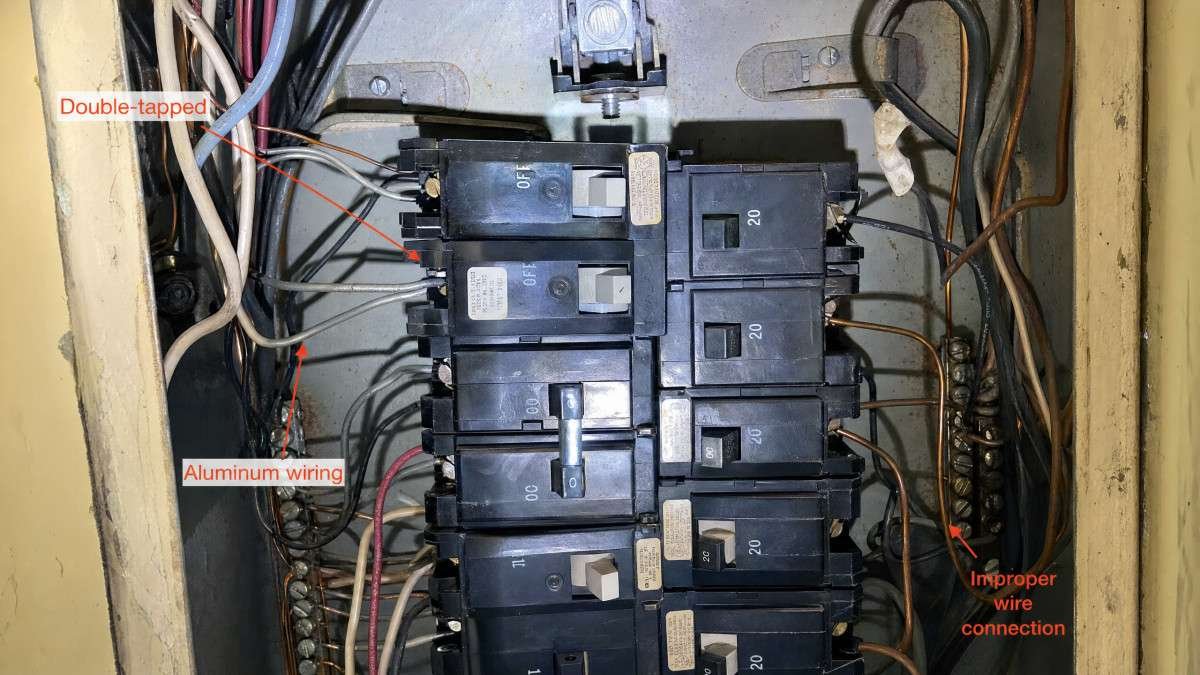
Common electrical code violations frequently identified during inspections include issues that can compromise home safety and lead to electrical hazards. Among the most frequent is the double-tapped breaker, where two wires connect to a single breaker terminal that is designed for only one wire. This condition can cause overheating and increase the risk of fire.
Other typical violations involve the absence of GFCI protection in areas exposed to moisture such as bathrooms, kitchens, garages, and outdoor spaces. Missing arc-fault circuit interrupters (AFCI) in bedrooms, improper wire gauge for the circuit amperage, open junction boxes, and reversed polarity outlets also represent serious code breaches. These defects not only violate electrical codes but also elevate the likelihood of electric shock, short circuits, and fires.
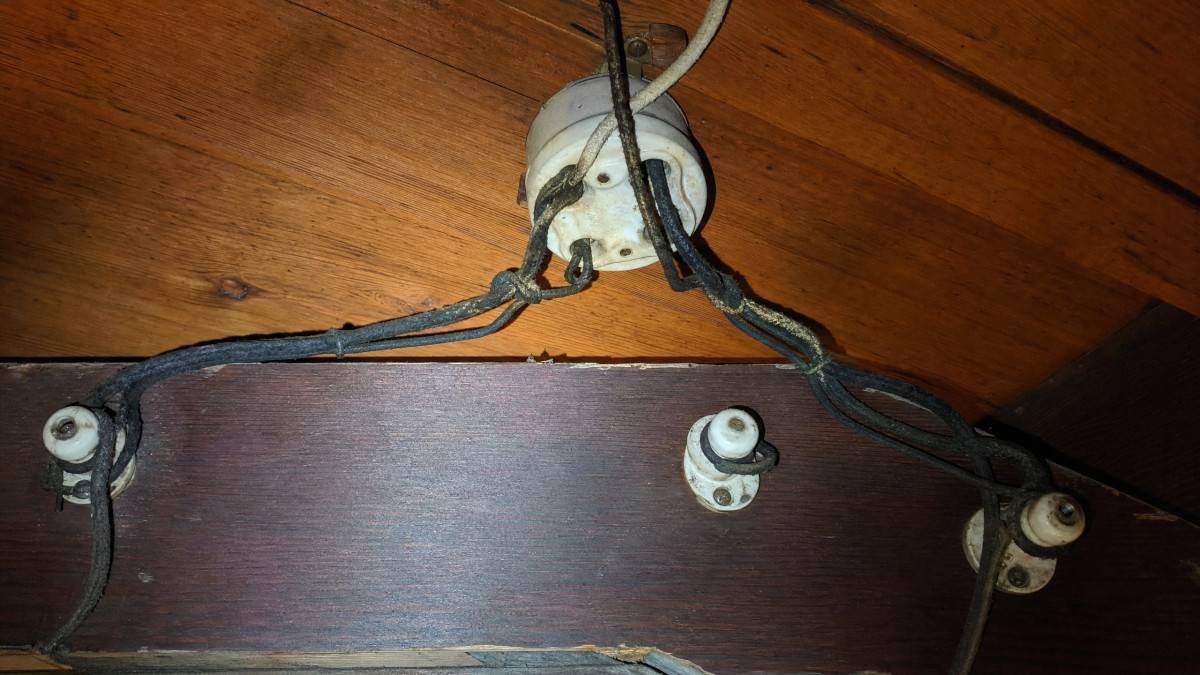
In addition to these common issues, there are other less obvious violations that can have serious consequences. For example, the use of outdated or damaged wiring insulation can lead to exposed conductors and potential short circuits. Tampering with or bypassing safety devices, such as removing breaker covers or disabling GFCI units, also creates significant hazards. Understanding the full range of violations helps ensure comprehensive inspections and safer electrical environments.
Homes with DIY electrical modifications often face unique risks due to non-compliant workmanship. Improper splicing, use of incorrect connectors, or failure to secure wiring properly can all contribute to violations that go unnoticed until an incident occurs. Regular professional inspections and adherence to code requirements can help identify these hidden dangers before they cause harm.
Inspection Methods for Electrical Violations
Electrical inspections focus on identifying hazards by visually examining the electrical panel, wiring, and outlet configurations. Inspectors check for double-tapped breakers by ensuring each breaker terminal has only one wire attached. They also verify that breakers have the correct amperage rating for the connected wiring to prevent overheating and potential damage.
Testing GFCI outlets for proper operation in wet or damp areas is critical, as these devices quickly cut power to prevent shocks. Inspectors also verify that AFCI breakers are installed in bedrooms per code requirements. Visible wiring is examined for damage, improper connections, or exposed conductors. Panels are checked for proper labeling and the presence of required knockout seals to maintain panel integrity and prevent debris intrusion.
Beyond the visual examination, inspectors often use specialized tools such as voltage testers, circuit analyzers, and thermal cameras to detect hidden issues like overloaded circuits or overheating components. These tools enhance detection of problems that are not immediately visible, providing a more thorough safety assessment. Additionally, inspectors verify the grounding and bonding of the electrical system to ensure proper fault current paths.
Proper documentation accompanies inspections, including detailed notes and photographs to record violations and recommend corrective measures. Communication with the property owner or contractor is essential to ensure that identified issues are understood and addressed. Follow-up inspections may be scheduled to confirm that repairs meet code standards and restore safety to the electrical system.
Effective Fixes for Electrical Code Violations
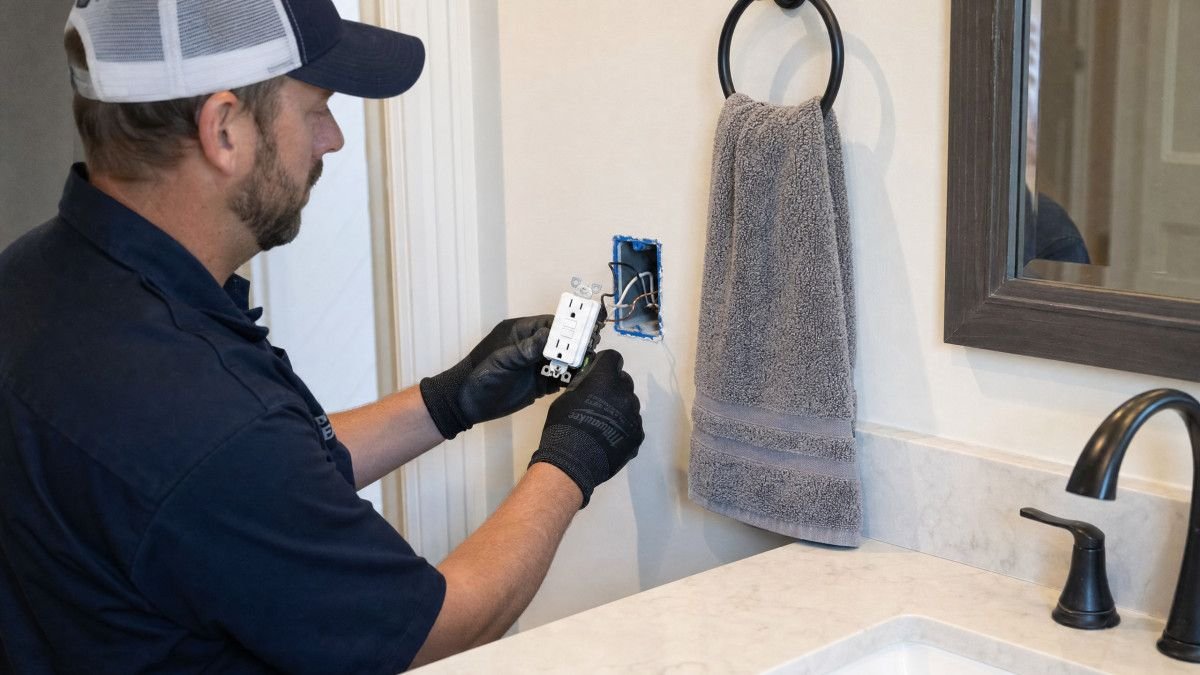
Correcting common electrical code violations involves targeted repairs and upgrades to align with current safety standards. Double-tapped breakers can be fixed by separating the circuits and providing each wire its own breaker terminal or adding tandem breakers designed for multiple circuits. Installing GFCI outlets in bathrooms, kitchens, garages, and outdoor areas ensures protection against ground faults where water contact is likely.
Replacing or properly connecting aluminum wiring with approved connectors reduces the risk of overheating and fire hazards associated with older wiring materials. Open junction boxes should be closed and secured to protect wiring connections. Reversed polarity outlets need to be rewired to correct the hot and neutral orientation. Installation of AFCI breakers in bedrooms is essential to detect arc faults and prevent electrical fires.
In some cases, extensive rewiring might be necessary, especially when the existing wiring is damaged, outdated, or incompatible with modern electrical loads. Upgrading electrical panels to accommodate new breakers or higher amperage ratings can also be part of the corrective process. These upgrades improve system capacity and safety, accommodating increased demand from contemporary appliances and electronics.
Routine maintenance and timely repair of loose connections, damaged insulation, and corroded components are critical to prevent recurrence of violations. Properly securing wiring, using approved materials, and adhering strictly to installation guidelines ensure that fixes are durable and compliant. Consulting licensed electricians for complex repairs guarantees adherence to code and enhances overall system reliability.
Comparison of Electrical Code Violation Fixes
This table compares common electrical code violations, typical fixes, and estimated costs associated with addressing each issue. Cost ranges reflect average expenses for materials and licensed electrician labor, which can vary by region and project complexity.
| Electrical Violation | Typical Fix | Estimated Cost Range |
|---|---|---|
| Double-tapped breakers | Separate circuits or install tandem breakers | $100 to $300 |
| Missing GFCI protection | Install GFCI outlets in required locations | $70 to $150 per outlet |
| Aluminum wiring without proper connectors | Use approved connectors or rewire | $500 to $3,000 |
| Open junction boxes | Install proper box covers | $20 to $100 |
| Missing AFCI breakers | Install AFCI breakers in bedrooms | $100 to $250 per breaker |
Prevention and Best Practices for Electrical Safety
Preventing electrical code violations begins with ensuring that all electrical work is performed by licensed electricians who follow current codes and obtain necessary permits. Proper permitting and inspections help verify that installations meet safety standards. When purchasing an older home, having the electrical system inspected by a qualified professional can identify existing violations and inform necessary upgrades.
Older electrical panels, especially Federal Pacific and Zinsco brands, are known for reliability issues and often require replacement to meet modern safety expectations. Regular maintenance, timely repairs, and adherence to updated code requirements such as installing GFCI and AFCI devices contribute significantly to reducing electrical hazards and maintaining a safe home environment.
Educating homeowners about the importance of not overloading circuits and avoiding the use of extension cords as permanent wiring solutions is another important preventive measure. Proper use of electrical appliances, routine visual checks for signs of wear or damage, and prompt response to any electrical anomalies can greatly reduce the chance of violations developing over time. Staying informed about the latest code updates and technological advances also supports ongoing safety.
Planning electrical upgrades during renovations or additions is a proactive approach that prevents code violations before they occur. Ensuring compatibility of new devices and wiring with existing systems, and consulting with professionals during design stages, helps maintain compliance. Integrating smart safety devices such as circuit monitoring and remote shutoff systems can further enhance protection and provide peace of mind for homeowners.
Frequently Asked Questions
What is the most dangerous electrical code violation?
Open junction boxes and improper wire gauge for circuit amperage are considered among the most dangerous electrical violations. Open junction boxes expose live wiring to accidental contact and debris, increasing shock and fire risks. Incorrect wire gauge can cause overheating and potentially ignite fires due to insufficient conductor capacity for the circuit load.
Where are GFCI outlets required?
GFCI outlets are required in locations where electrical devices are near water sources, including bathrooms, kitchens (within six feet of sinks), garages, outdoor areas, crawl spaces, and unfinished basements. These outlets protect against ground faults that can cause electric shock in wet or damp environments.
What should be known about aluminum wiring?
Aluminum wiring was commonly used between 1965 and 1973. It requires special connectors to prevent oxidation and overheating. If connectors are absent or degraded, rewiring with copper or approved methods is necessary to reduce fire hazards associated with aluminum conductors.
Is DIY electrical work permitted?
Many jurisdictions allow homeowners to perform electrical work on their own property, but permits are usually required. Homeowners must comply with local codes and inspections to ensure safety and legality. Hiring licensed electricians is recommended for complex or unfamiliar tasks.
How much does panel replacement typically cost?
Replacing an electrical panel generally costs between $1,500 and $4,000, depending on panel size, labor rates, and additional upgrades. Older panels from problematic brands often require replacement to meet code and enhance safety.
Conclusion
Electrical code violations are common defects in residential properties that pose significant safety hazards if left unaddressed. Frequent issues such as double-tapped breakers, missing GFCI and AFCI devices, open junction boxes, and outdated wiring require thorough inspection and timely correction. Understanding these violations helps homeowners and inspectors prioritize repairs to reduce the risk of electrical fires and shocks.
Ensuring compliance with the National Electrical Code through professional inspections, corrective actions, and preventive measures safeguards homes against electrical hazards. Licensed electricians, proper permitting, and regular maintenance are vital for maintaining safe and reliable electrical systems that protect occupants and property.