



Understanding the Standard Commission Structure
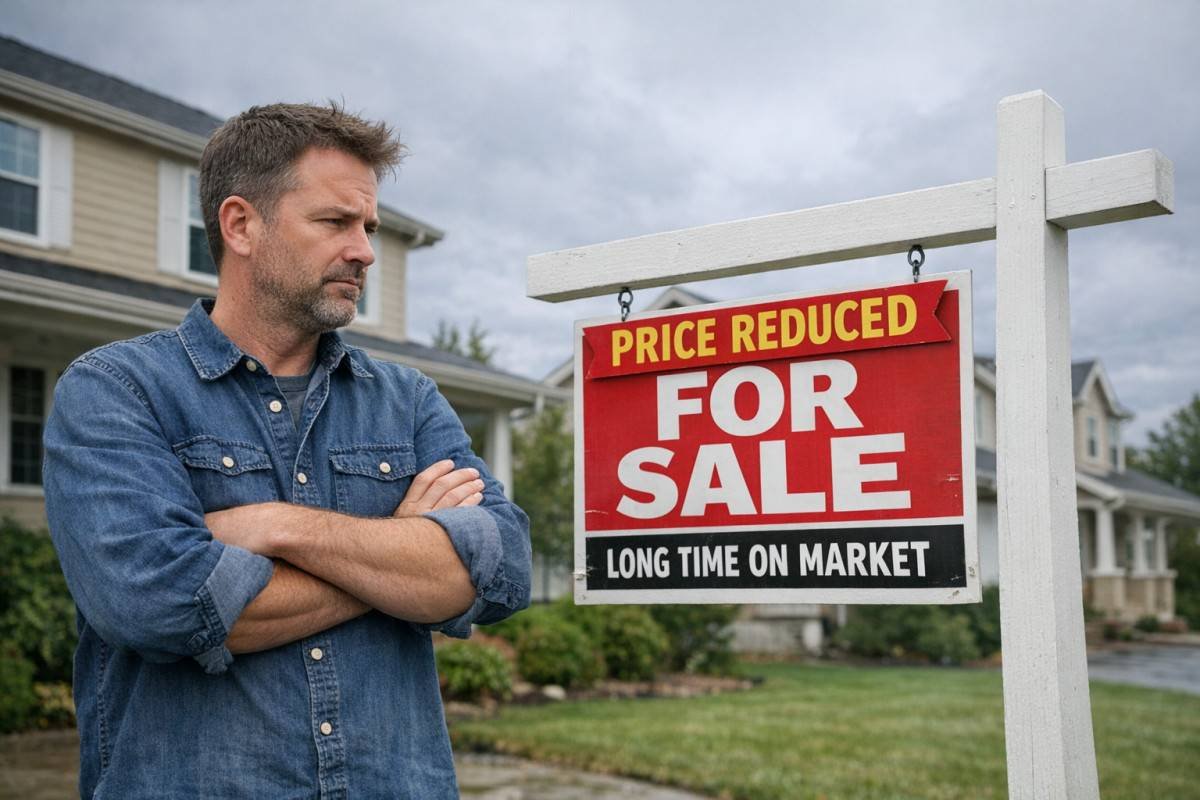
Real estate commissions typically range from 5% to 6% of the home’s sale price, split between the buyer’s and seller’s agents, and are paid by the seller at closing. This structure is not fixed and serves as a starting point for negotiations, influenced by local market conditions, property value, and the services provided by the agent, shares Meridian Residential professionals.
The traditional real estate commission model involves a percentage of the final sale price, which is then divided between the listing agent and the buyer’s agent. For instance, if a home sells for $500,000 with a 6% commission, the total commission would be $30,000. This amount is typically split, with each agent’s brokerage receiving $15,000 before their respective agents take their share. This system has been the norm for decades, establishing a baseline expectation for both agents and sellers. However, it is crucial for sellers to recognize that this “standard” is more of a guideline than a rigid rule, especially in competitive markets.
The allocation of this commission is also a key point of understanding. The listing agent often uses a portion of their share to market the property, covering costs associated with photography, staging, advertising, and open houses. The buyer’s agent’s commission incentivizes them to show the property to their clients, ensuring a broad reach for the seller’s listing. Understanding these underlying mechanics provides a foundation for informed negotiation, allowing sellers to pinpoint areas where adjustments might be feasible without compromising essential services.
Market dynamics play a significant role in commission rates. In a seller’s market, where demand outstrips supply, properties often sell quickly and with less marketing effort, potentially justifying a lower commission rate. Conversely, in a buyer’s market, agents might argue for higher commissions due to the increased effort required to sell a property. The average real estate commission rate in the United States was 5.49% in 2023, a slight decrease from previous years, indicating a trend towards more competitive pricing [1]. This statistic highlights the fluidity of commission rates and the potential for negotiation.
Factors Influencing Commission Rates
Several factors can influence a real estate agent’s willingness to negotiate their commission, including the property’s value, market demand, the agent’s experience, and the scope of services required. High-value properties or those in hot markets often present more flexibility for commission adjustments due to the lower effort-to-payout ratio for the agent.
The value of the property is a primary determinant. Selling a multi-million dollar estate at a 5% commission yields a substantially higher payout for an agent than selling a $200,000 starter home at the same rate. Agents may be more amenable to reducing their percentage on higher-priced homes because the absolute dollar amount they receive remains significant. This is a strategic point for sellers of premium properties, as even a small percentage reduction can translate into substantial savings.
Local market conditions also heavily impact negotiation leverage. In a strong seller’s market, where homes receive multiple offers quickly, an agent’s workload might be less intensive, making them more open to a lower commission. Conversely, in a slow market, agents might be less inclined to reduce their fees, as they anticipate more time and resources will be needed to secure a sale. A recent survey found that 68% of real estate agents are willing to negotiate their commission, especially for properties above the median home price in their area [2]. This data suggests that negotiation is a common practice and not an unusual request.
An agent’s experience and reputation can also play a role. Highly sought-after agents with a proven track record of quick sales and high prices might be less flexible on their rates, arguing that their expertise justifies their standard fee. However, newer agents or those looking to build their portfolio might be more willing to negotiate to secure a listing. Sellers should weigh the potential savings against the value an experienced agent brings, considering factors like marketing prowess, negotiation skills, and local market knowledge.
The scope of services an agent provides is another critical factor. A full-service agent typically handles everything from professional photography and staging advice to extensive marketing campaigns and complex negotiations. If a seller is willing to take on some of these responsibilities, such as professional photos or open houses, they might be able to negotiate a lower commission. Clearly defining the services expected can open doors for commission adjustments.
Strategies for Effective Negotiation
Effective negotiation with a real estate agent involves thorough preparation, clear communication, and a willingness to discuss various commission structures beyond the standard percentage. Sellers should research local market rates, articulate their expectations, and be prepared to justify their desired commission reduction.
Preparation is paramount. Before engaging with agents, research typical commission rates in your specific area and for properties similar to yours. Understand what services are usually included in these rates. This knowledge empowers you to enter discussions from an informed position, rather than simply asking for a reduction without a basis. Websites and local real estate associations often publish average commission data, providing valuable benchmarks.
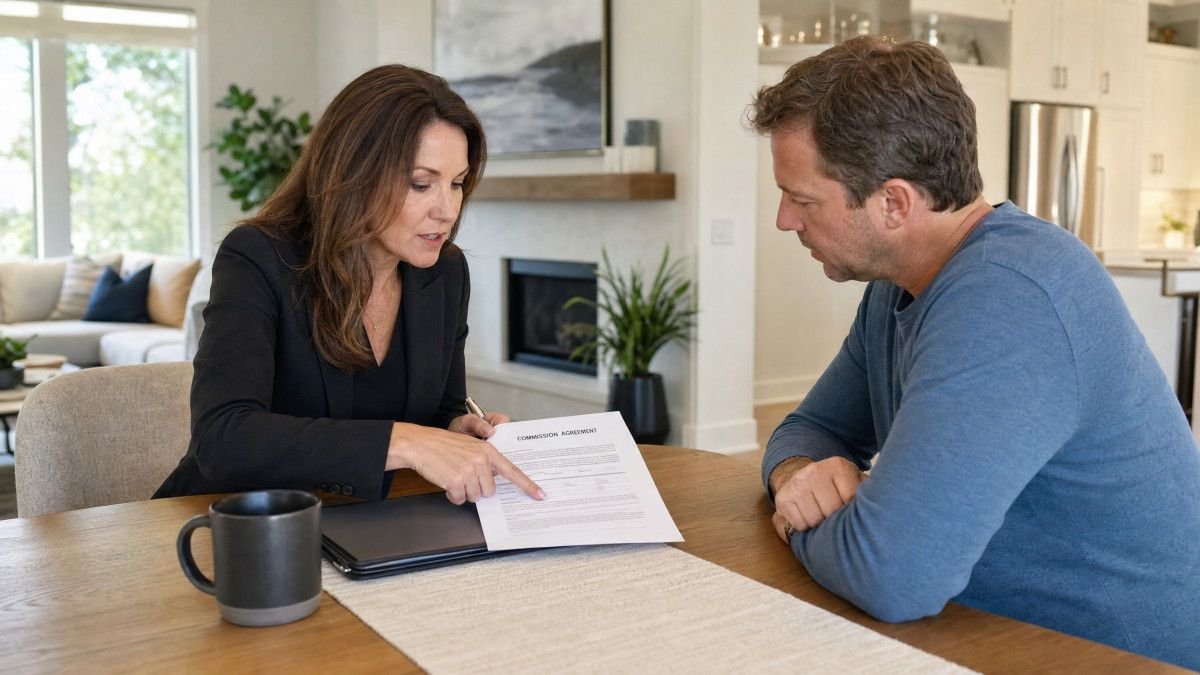
When discussing commissions, be direct and transparent. Instead of demanding a lower rate, frame your request as a collaborative discussion about how to achieve the best outcome for both parties. You might say, “I’m looking to understand the flexibility in your commission structure, given the current market and my property’s value.” This approach invites dialogue rather than confrontation. Be prepared to highlight aspects of your property or market conditions that support a lower rate, such as a highly desirable location or a quick sale potential.
Consider alternative commission structures. While a percentage of the sale price is common, some agents might be open to a flat fee, especially for higher-priced homes where a percentage could result in an exceptionally large commission. Another option is a tiered commission, where the agent receives a lower percentage if the home sells quickly or above a certain price point, incentivizing them to perform well. Discussing these alternatives demonstrates your understanding and willingness to find a mutually beneficial arrangement.
Don’t be afraid to interview multiple agents. This not only allows you to compare their proposed services and marketing plans but also their commission rates. When an agent knows you are considering other professionals, they may be more inclined to offer a competitive rate to secure your business. However, ensure you are comparing apples to apples, evaluating the full package of services each agent offers, not just the commission percentage.
When to Consider a Lower Commission
A lower commission rate is often justifiable when selling a high-value property, in a strong seller’s market, or when the seller is willing to undertake some of the agent’s typical responsibilities. These scenarios reduce the agent’s workload or increase their potential earnings per hour, making a reduced percentage more palatable.
Selling a high-value property inherently offers more room for commission negotiation. If an agent stands to earn a substantial sum even with a reduced percentage, they are more likely to agree. For example, on a $1 million home, a 1% reduction in commission still leaves a significant amount for the agent, while saving the seller $10,000. This is a clear win-win scenario where both parties can feel satisfied with the outcome.
In a robust seller’s market, where homes are in high demand and often sell quickly with multiple offers, the agent’s effort to secure a sale is considerably less. In such conditions, properties might practically sell themselves, reducing the need for extensive marketing and prolonged open houses. It is reasonable for sellers to argue for a lower commission, as the agent’s workload is diminished, and the risk of the property sitting on the market is low. This market dynamic shifts some of the leverage to the seller.
If you are prepared to handle certain aspects of the selling process yourself, you can make a strong case for a reduced commission. This could include tasks like professional photography, creating virtual tours, staging the home, or even conducting some open houses. By taking on these responsibilities, you are directly reducing the agent’s time and financial investment, which should logically translate into a lower fee. Clearly outline what tasks you are willing to manage to facilitate this discussion.
Another scenario is when you are both buying and selling with the same agent. In such cases, the agent stands to earn two commissions (or at least a portion of both), providing them with a greater overall incentive. This dual transaction can be a powerful bargaining chip for negotiating a reduced rate on one or both sides of the deal. Many agents are keen to secure both transactions, making them more flexible on their fees.
The Pitfalls of Focusing Solely on Commission
While negotiating commissions can save money, focusing exclusively on the lowest rate can lead to subpar service, less effective marketing, and ultimately a lower sale price for the property. The true value of an agent lies in their ability to maximize the sale price and streamline the selling process, which often outweighs minor commission savings.
Prioritizing the lowest commission above all else can be a false economy. An agent who agrees to an unsustainably low commission might be less motivated to invest time and resources into marketing your property effectively. This could result in fewer showings, less exposure, and ultimately a longer time on the market or a lower sale price. The goal is not just to save on commission but to maximize your net profit from the sale, which a skilled agent can significantly influence.
Subpar marketing is a common consequence of an agent working on a razor-thin margin. Professional photography, virtual tours, targeted online advertising, and high-quality brochures all cost money. If an agent’s commission doesn’t cover these expenses or provide a reasonable profit, they might cut corners, leading to a less appealing presentation of your home. A poorly marketed home often struggles to attract the right buyers and achieve its full market potential.
An agent’s motivation is directly tied to their compensation. A highly motivated agent will go the extra mile, from staging advice to aggressive negotiation on your behalf. If an agent feels undervalued due to a heavily reduced commission, their enthusiasm and commitment to your sale might wane. This can manifest in slower response times, less proactive communication, and a general lack of urgency, all of which can negatively impact your selling experience and outcome.
Consider the agent’s negotiation skills. A top-tier agent can often negotiate a higher sale price for your home, which can easily offset any savings gained from a reduced commission. For example, if an agent secures an extra $10,000 on a $500,000 sale, even with a 6% commission, you net more than if you paid a 4% commission but sold for $480,000. The agent’s expertise in pricing, marketing, and negotiation is a valuable asset that should not be underestimated or undervalued.
The Value of a Good Real Estate Agent
A proficient real estate agent offers invaluable services beyond simply listing a property, including expert market analysis, strategic marketing, skilled negotiation, and guidance through complex legal processes. Their expertise can significantly enhance a property’s sale price and ensure a smooth, efficient transaction.
Expert market analysis is one of the most critical contributions of a good agent. They possess an in-depth understanding of local market trends, comparable sales, and buyer behavior. This allows them to accurately price your home, avoiding the pitfalls of overpricing (which deters buyers) or underpricing (which leaves money on the table). Their ability to interpret market data ensures your property is positioned competitively from day one.
Strategic marketing is another cornerstone of an agent’s value. Beyond basic listings, a skilled agent crafts a compelling narrative for your home, utilizing professional photography, virtual tours, social media campaigns, and targeted advertising to reach the widest possible audience of qualified buyers. This comprehensive approach maximizes exposure and generates significant interest, leading to more showings and offers.
Negotiation prowess is where a great agent truly shines. They act as your advocate, skillfully navigating offers, counter-offers, and complex contingencies. Their experience allows them to identify strong offers, negotiate favorable terms, and protect your interests throughout the process. A strong negotiator can often secure a higher sale price and better terms than a seller might achieve on their own, making their commission a worthwhile investment.
Furthermore, agents provide crucial guidance through the often-complex legal and administrative aspects of a real estate transaction. From preparing contracts and disclosures to coordinating inspections, appraisals, and closing documents, they ensure all legal requirements are met and the process moves forward smoothly. This expertise minimizes stress and reduces the risk of costly errors for the seller.
Alternative Commission Models and Services
Beyond traditional percentage-based commissions, sellers can explore alternative models such as flat fees, limited-service agreements, or commission rebates, which offer varying levels of service and cost savings. These options cater to different seller needs and market conditions, providing flexibility in how real estate services are compensated.
Flat-fee models are gaining traction, particularly for sellers who are confident in their ability to handle some aspects of the sale themselves. In this arrangement, the agent charges a fixed amount regardless of the sale price. This can be highly advantageous for high-value properties, where a percentage-based commission would be substantial. However, sellers should carefully review what services are included in the flat fee, as they often cover only basic listing services.
Limited-service agreements offer a middle ground between full-service agents and For Sale By Owner (FSBO). Under this model, sellers pay for specific services à la carte, such as listing on the Multiple Listing Service (MLS), contract review, or negotiation assistance. This allows sellers to customize the support they receive, paying only for what they need. It requires sellers to be more hands-on but can result in significant cost savings.
Commission rebates, while more common on the buyer’s side, can sometimes be negotiated by sellers, especially in competitive markets or with agents looking to secure a listing. A rebate involves the agent returning a portion of their commission to the seller at closing. This effectively lowers the net commission paid by the seller. However, the legality and prevalence of commission rebates vary by state and local regulations, so sellers should research their specific area.
Hybrid models are also emerging, combining elements of traditional and alternative approaches. For example, an agent might offer a lower percentage commission with an additional bonus if the property sells above a certain price or within a specific timeframe. These models aim to align the agent’s incentives more closely with the seller’s goals, encouraging optimal performance and a favorable outcome.
| Commission Model | Description | Pros for Seller | Cons for Seller |
|---|---|---|---|
| Traditional Percentage | Agent earns a percentage of the final sale price (e.g., 5-6%). | Agent highly incentivized by higher sale price; full-service support. | Higher overall cost, especially for high-value homes. |
| Flat Fee | Agent charges a fixed amount regardless of sale price. | Predictable cost; significant savings on high-value properties. | Often limited services; seller handles more tasks. |
| Limited Service | Seller pays for specific services à la carte (e.g., MLS listing, contract review). | Customizable support; pay only for needed services. | Requires more seller involvement; potential for overlooked tasks. |
| Commission Rebate | Agent returns a portion of their commission to the seller at closing. | Direct cost savings; can be negotiated in competitive markets. | Varies by legality and agent willingness; less common for sellers. |
| Hybrid Model | Combines elements, e.g., lower percentage plus bonus for performance. | Aligns agent incentives with seller goals; balanced risk/reward. | Can be more complex to structure; requires clear agreement. |
FAQ
Can I really negotiate real estate commissions?
Yes, real estate commissions are negotiable. While there’s a standard range, agents often have flexibility, especially based on market conditions, property value, and the scope of services you require. It’s always worth discussing commission rates with potential agents.
What is a typical real estate commission rate?
Typical real estate commission rates in the United States generally range from 5% to 6% of the home’s sale price. This total is usually split between the listing agent and the buyer’s agent. However, these rates can vary by region and market dynamics.
Should I choose an agent based solely on the lowest commission?
No, focusing solely on the lowest commission can be counterproductive. A highly skilled agent can often secure a higher sale price and provide superior marketing and negotiation, which can result in a greater net profit for you, even with a slightly higher commission rate. Value and service should be prioritized alongside cost.
Are there alternatives to traditional commission structures?
Yes, alternative commission models exist, including flat fees, limited-service agreements where you pay for specific services, and in some cases, commission rebates. These options provide flexibility and can be discussed with agents to find an arrangement that best suits your needs and budget.
Negotiating real estate commissions is a viable strategy for sellers looking to optimize their home sale. By understanding market dynamics, preparing thoroughly, and communicating effectively with agents, homeowners can achieve a fair commission agreement. It is essential, however, to balance cost savings with the invaluable expertise and services a skilled agent provides, ensuring a successful and profitable transaction.
References
- National Association of Realtors. “NAR Report Shows Average Real Estate Commission Rates Declining.”
- HomeLight. “How to Negotiate Real Estate Commission.”