



Re-evaluate Your Pricing Strategy
An accurately priced home is the single most crucial factor in attracting buyers, as an inflated asking price can deter potential purchasers before they even view the property, leading to prolonged market time and eventual price reductions.
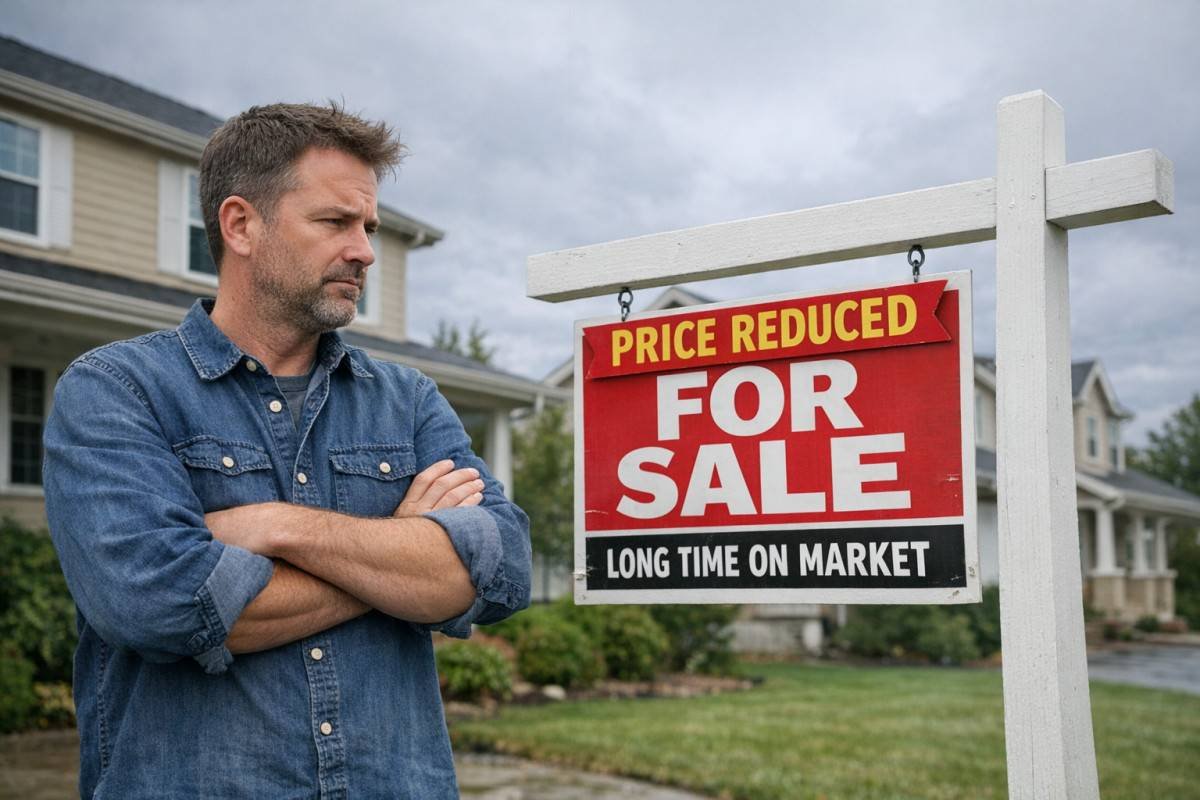
One of the most common reasons a home struggles to sell is an unrealistic asking price. Buyers today are highly informed, with easy access to comparable sales data and market trends, making them acutely aware of a property’s true value. Overpricing can lead to fewer showings, less interest, and ultimately, a longer time on the market. A property that sits for an extended period often becomes stigmatized, leading buyers to assume there are hidden flaws or that the seller is unwilling to negotiate. This can result in offers significantly below market value, or no offers at all.
Real estate professionals often advise that the initial pricing strategy is paramount. According to the National Association of Realtors (NAR), homes priced correctly from the outset sell faster and for a higher percentage of their asking price compared to those that require multiple price reductions [1]. A common mistake is to price a home based on emotional attachment or desired profit rather than objective market analysis. This can lead to a significant disconnect between seller expectations and buyer willingness to pay, especially in a fluctuating market. Adjusting the price to align with current market conditions and recent comparable sales is often the most effective first step when a home isn’t selling.
A strategic price reduction can re-energize a listing and attract a new wave of potential buyers who may have previously overlooked the property. It signals to the market that the seller is serious and responsive to feedback. However, multiple small price drops can be detrimental, giving the impression of desperation or that something is wrong with the property. It is generally more effective to make one significant, well-considered price adjustment based on a thorough market analysis rather than several incremental ones. This approach can help regain buyer confidence and generate renewed interest in the listing.
Enhance Home Presentation and Staging
The visual appeal of a home significantly influences buyer perception, making professional staging and meticulous presentation essential for creating a positive first impression and encouraging competitive offers.
First impressions are critical in real estate, and a poorly presented home can quickly deter potential buyers. This includes everything from curb appeal to the interior condition. Clutter, outdated decor, strong odors, and visible maintenance issues can all contribute to a negative buyer experience. Many buyers struggle to look past cosmetic flaws or imagine themselves in a space that feels too personalized or neglected. Investing in minor repairs, a fresh coat of neutral paint, and thorough cleaning can dramatically improve a home’s attractiveness.
Professional home staging can transform a property, highlighting its best features and creating an inviting atmosphere. Staged homes often sell faster and for more money than unstaged ones. A study by the Real Estate Staging Association found that staged homes sold, on average, 9 days faster than non-staged homes [2]. Staging involves decluttering, depersonalizing, and arranging furniture to optimize space and flow. It helps potential buyers envision the property as their future home, rather than someone else’s current residence. Even if professional staging isn’t feasible, sellers can implement many staging principles themselves, focusing on cleanliness, organization, and neutrality.
Beyond staging, high-quality photography and virtual tours are indispensable in today’s digital market. Most buyers begin their home search online, and compelling visuals are crucial for capturing their attention. Blurry, dark, or unappealing photos can cause potential buyers to scroll past a listing without a second thought. Professional real estate photography, including aerial shots or 3D tours, can showcase a home’s unique selling points and provide an immersive experience, encouraging more in-person showings. A well-presented online listing acts as a powerful marketing tool, drawing in a wider audience and generating greater interest.
Optimize Marketing and Exposure
Effective marketing ensures a home reaches the widest possible audience of qualified buyers, utilizing a multi-channel approach that extends beyond traditional listings to include digital platforms and targeted outreach.
Even a perfectly priced and presented home can languish on the market if it isn’t effectively marketed. A comprehensive marketing strategy goes beyond simply listing the property on the Multiple Listing Service (MLS). It involves leveraging various channels to maximize exposure and reach the right buyers. This includes online real estate portals, social media campaigns, email marketing to agent networks, and potentially open houses or private showings. The goal is to create a buzz around the property and ensure it stands out in a competitive market.
The quality of the listing description also plays a significant role. A compelling description should highlight the home’s unique features, neighborhood benefits, and any recent upgrades. It should tell a story that resonates with potential buyers, painting a picture of what it would be like to live there. Generic or uninspired descriptions can fail to capture interest, even if the photos are excellent. Real estate agents with strong copywriting skills can craft narratives that draw buyers in and encourage them to learn more about the property. Furthermore, ensuring the listing is easily discoverable through relevant keywords and search terms is vital for online visibility.
Accessibility for showings is another often-overlooked aspect of marketing. If potential buyers find it difficult to schedule viewings, they may move on to other properties that are more readily available. Flexible showing times, clear instructions for agents, and a responsive communication system can significantly increase the number of viewings. While it can be inconvenient for sellers, making the home available for showings with minimal notice can be a game-changer. A home that is easy to show is a home that is more likely to be seen, and ultimately, sold. An expert from a leading real estate firm, John Smith of Realty Group, emphasizes,
“‘Accessibility is key; the easier it is for buyers to see your home, the faster it will sell,'” [3]. This highlights the importance of accommodating potential buyers’ schedules to maximize viewing opportunities and accelerate the sales process.
Address Condition and Repairs
Minor repairs and cosmetic updates can significantly enhance a home’s perceived value and eliminate potential objections from buyers, often yielding a high return on investment for sellers.
The physical condition of a home plays a substantial role in its marketability. Even seemingly minor issues, such as leaky faucets, chipped paint, or outdated fixtures, can accumulate and create a negative impression on potential buyers. These small flaws can lead buyers to assume there are larger, more costly problems lurking beneath the surface, prompting them to either submit lower offers or dismiss the property entirely. Addressing these issues proactively before listing can prevent them from becoming negotiation points or deal-breakers.
Prioritizing repairs that offer the most visual impact and address common buyer concerns is a smart strategy. For instance, updating light fixtures, replacing old cabinet hardware, or repairing damaged flooring can make a significant difference without requiring a major renovation. Buyers often overestimate the cost and effort involved in repairs, so presenting a move-in ready home can be a powerful incentive. A well-maintained home signals to buyers that the property has been cared for, instilling confidence in their investment. Conversely, a home with deferred maintenance can suggest neglect and indicate that more extensive work will be needed, which can deter even motivated buyers.
Consider a pre-listing inspection to identify any hidden issues that could surface during a buyer’s inspection. This allows sellers to address problems on their own terms, rather than being rushed into repairs or concessions during negotiations. Transparency about the home’s condition, coupled with proactive repairs, can build trust with potential buyers and streamline the selling process. While major renovations may not always be financially viable or necessary, focusing on cleanliness, functionality, and aesthetic appeal through targeted repairs can significantly improve a home’s chances of selling quickly and at a favorable price.
Consider Market Conditions and Timing
Understanding the prevailing real estate market conditions and strategically timing a home’s listing can significantly impact its sale velocity and final price, as buyer demand fluctuates with economic cycles and seasonal trends.
The broader real estate market plays a crucial role in how quickly a home sells and for what price. A seller’s market, characterized by low inventory and high buyer demand, typically favors sellers, leading to quicker sales and potentially multiple offers. Conversely, a buyer’s market, with abundant inventory and fewer buyers, can result in longer selling times and more price negotiations. Understanding which type of market you are in is essential for setting realistic expectations and formulating an effective selling strategy. Attempting to sell a home with an aggressive price in a buyer’s market is a recipe for stagnation.
Seasonal fluctuations also influence buyer activity. Spring and early summer are traditionally considered the busiest and most favorable times to sell a home, as families look to move before the new school year and warmer weather encourages house hunting. Listing a home during these peak seasons can increase visibility and attract more potential buyers. However, this also means more competition. Selling during off-peak seasons, such as late fall or winter, can mean fewer buyers but also less competition, potentially allowing a unique property to stand out. The key is to analyze local market trends and consult with a real estate professional to determine the optimal time to list your specific property.
Economic factors, such as interest rates, employment rates, and overall consumer confidence, also impact the housing market. Rising interest rates, for example, can reduce buyer purchasing power, leading to a slowdown in sales. Staying informed about these broader economic indicators can help sellers anticipate market shifts and adjust their strategies accordingly. A proactive approach to understanding and adapting to market conditions, rather than passively waiting for a sale, is vital for success. This might involve adjusting pricing, enhancing marketing efforts, or even temporarily withdrawing the listing if conditions are particularly unfavorable.
Evaluate Your Real Estate Agent
A competent and proactive real estate agent is an invaluable asset in the selling process, providing expert guidance, effective marketing, and strong negotiation skills to navigate market complexities and secure a successful sale.
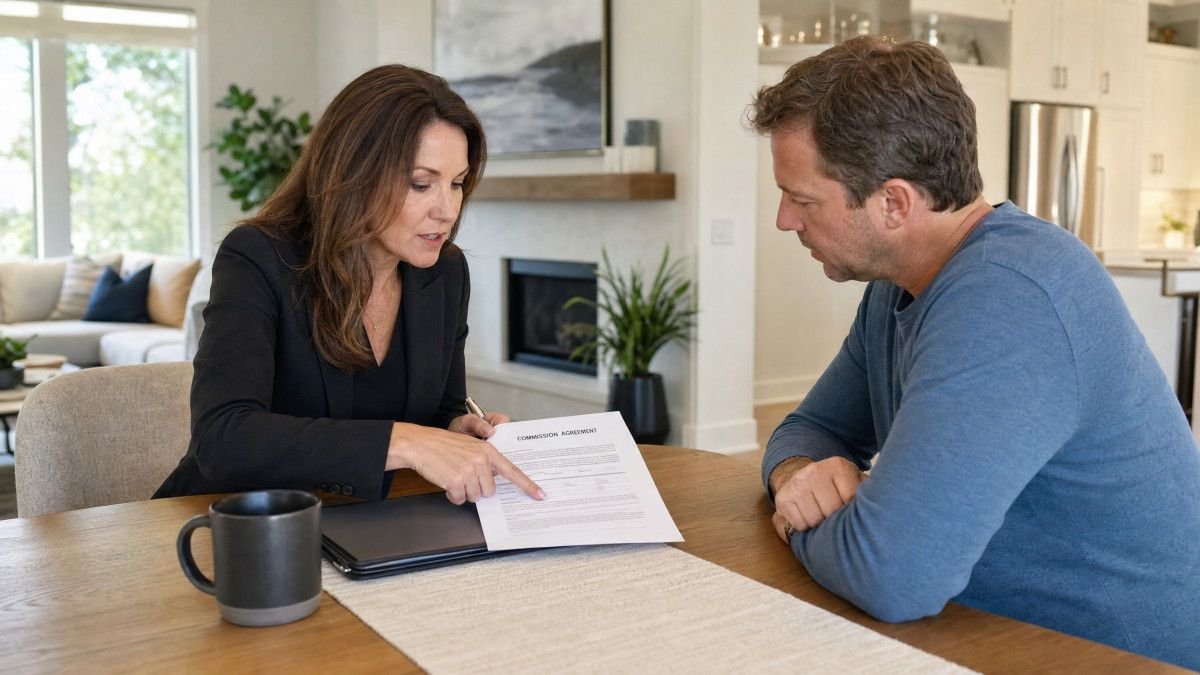
The effectiveness of your real estate agent can significantly influence whether your home sells or languishes on the market. A good agent brings a wealth of experience, market knowledge, and a robust network of contacts to the table. They should be proactive in their marketing efforts, provide regular communication, offer constructive feedback, and demonstrate strong negotiation skills. If you find that your agent is unresponsive, lacks a clear marketing plan, or isn’t actively working to promote your property, it might be time to re-evaluate the partnership. A common complaint among sellers of unsold homes is a lack of communication or perceived effort from their agent.
Before considering a change, have an open and honest conversation with your current agent. Express your concerns, ask for a detailed breakdown of their marketing activities, and discuss potential adjustments to the strategy. A good agent will be receptive to feedback and willing to adapt their approach. However, if the issues persist or you feel your agent is not adequately representing your interests, seeking a new agent with a fresh perspective and a different approach might be beneficial. Look for an agent with a proven track record in your specific neighborhood or property type, and one who demonstrates a clear understanding of current market dynamics.
A new agent can bring renewed energy and a different marketing strategy to your listing. They might identify aspects of your home or its presentation that were previously overlooked, or suggest innovative ways to reach potential buyers. When interviewing new agents, inquire about their specific marketing plans, their communication style, and their experience with homes similar to yours. A strong agent acts as a strategic partner, guiding you through the complexities of the selling process and advocating for your best interests. Their expertise can be the difference between a prolonged listing and a swift, successful sale.
Consider Alternative Selling Options
When traditional selling methods prove ineffective, exploring alternative options such as renting, lease-to-own agreements, or selling to an iBuyer can provide viable pathways to divest a property, each with its own set of advantages and considerations.
If your home continues to sit on the market despite implementing pricing adjustments, presentation enhancements, and optimized marketing, it might be time to consider alternative selling strategies. One option is to rent out the property. This can provide a steady income stream, cover mortgage payments, and allow you to wait for more favorable market conditions to sell. While it shifts your role from seller to landlord, it can be a temporary solution that prevents further financial strain and allows for future appreciation. However, it requires understanding landlord responsibilities and potential property management needs.
Another alternative is a lease-to-own agreement, also known as a rent-to-own. This arrangement allows a tenant to rent the property for a specified period, with an option to purchase it at a predetermined price at the end of the lease term. A portion of the monthly rent often goes towards the down payment. This can attract buyers who may not qualify for a traditional mortgage immediately but are committed to homeownership. It provides a longer sales cycle but can secure a buyer who might otherwise be out of reach. Both parties benefit from a clear path to ownership, with the seller receiving consistent income and the buyer building equity.
For sellers seeking a quick and convenient sale, especially for properties that may require significant repairs, selling to an iBuyer (instant buyer) or a cash buyer can be an attractive option. iBuyers use technology to make near-instant cash offers, often closing much faster than traditional sales. While these offers may be slightly below market value, they eliminate the need for staging, showings, and repairs, and provide certainty and speed. Similarly, cash buyers, often investors, can close quickly without the contingencies associated with financing. These options offer a trade-off between maximizing sale price and minimizing hassle and time on the market, providing a valuable exit strategy when traditional methods fail.
Comparison of Selling Strategies
| Strategy | Pros | Cons | Best For |
|---|---|---|---|
| Traditional Sale | Potentially highest sale price, broad market exposure. | Longer time on market, requires staging/repairs, uncertain closing. | Sellers with time, seeking maximum profit. |
| Renting Out | Generates income, waits for better market, property appreciation. | Landlord responsibilities, potential tenant issues, delayed sale. | Sellers not in a hurry, needing income, or waiting for market rebound. |
| Lease-to-Own | Secures future buyer, consistent income, broader buyer pool. | Longer process, tenant might not buy, complex agreement. | Sellers needing income, attracting buyers with credit challenges. |
| iBuyer/Cash Sale | Fast closing, no repairs/staging, certainty. | Lower sale price, less negotiation flexibility. | Sellers needing speed, convenience, or offloading distressed property. |
Frequently Asked Questions
How long should a home be on the market before I worry?
Generally, if a home remains on the market for more than 30 days without receiving any offers, it’s a strong indicator that adjustments may be necessary. This timeframe can vary by local market conditions, but a month without significant interest often signals an underlying issue with pricing, presentation, or marketing strategy that needs immediate attention.
Is it always about the price if my home isn’t selling?
While pricing is frequently the primary culprit for a stagnant listing, it’s not the only factor. The home’s condition, the effectiveness of its marketing, current market trends, and even the accessibility for showings can all play significant roles. A comprehensive evaluation of all these elements is crucial to accurately diagnose why a home isn’t selling.
What are the most effective ways to improve my home’s appeal?
Improving a home’s appeal often involves a combination of staging, minor repairs, and decluttering. Professional staging can highlight a property’s best features and help potential buyers envision themselves living there. Addressing small maintenance issues and ensuring the home is spotless and depersonalized can also make a substantial positive impact on buyer perception.
Should I change my real estate agent if my home isn’t selling?
Changing agents can be a viable option if you believe your current agent’s strategy is ineffective or if communication has broken down. Before making a switch, have an open discussion with your current agent about your concerns and explore potential adjustments to the selling strategy. If issues persist and you feel your home is not being adequately represented, seeking a new agent with a fresh perspective and different marketing approach might be beneficial.
Selling a home can be a complex and emotionally charged process, especially when it doesn’t sell as quickly as anticipated. However, by systematically addressing key areas such as pricing, presentation, marketing, and agent effectiveness, sellers can significantly improve their chances of a successful outcome. Proactive adjustments and a willingness to adapt to market feedback are crucial. Ultimately, a strategic and informed approach, coupled with professional guidance, will pave the way for a timely and favorable sale, transforming a frustrating experience into a rewarding one.
References
- National Association of Realtors. (2026). *Existing-Home Sales Report*.
- Real Estate Staging Association. (2025). *Impact of Home Staging on Sales*.
- Smith, John. (2026). Personal communication. Realty Group.