



Preparing for Closing
Preparing for closing as a seller involves organizing essential documents, addressing any repair requests from the buyer, and understanding the financial implications of the sale. Proactive preparation ensures a streamlined process and helps avoid last-minute complications that could delay the transaction.
Once an offer is accepted, sellers should immediately begin gathering all necessary paperwork. This includes the original purchase agreement, property deeds, mortgage statements, and any relevant homeowner association documents. A checklist can be invaluable in ensuring no critical item is overlooked during this preparatory phase.
Addressing buyer-requested repairs or contingencies is another crucial aspect. Sellers might need to coordinate with contractors or service providers to complete repairs identified during the home inspection. Clear communication with the buyer’s agent regarding these arrangements helps maintain transparency and trust throughout the transaction.
Understanding the financial aspects, such as potential closing costs and net proceeds, is also vital. Sellers should review their estimated settlement statement (often called a HUD-1 or Closing Disclosure) with their real estate agent or attorney. This document provides a detailed breakdown of all costs and credits associated with the sale.
Navigating Inspections and Appraisals
After an offer is accepted, sellers must navigate the inspection and appraisal processes, which are critical for both buyer confidence and lender approval. These stages can uncover issues that require negotiation or remediation, directly impacting the sale’s progression.
The home inspection is typically initiated by the buyer to assess the property’s condition. Sellers should anticipate potential findings and be prepared to negotiate repairs or offer credits. While not all inspection items require action, major structural or safety concerns often necessitate resolution to keep the sale on track.
Following a successful inspection, the lender will usually order an appraisal to determine the home’s market value. This step is crucial because the loan amount is often contingent on the appraisal value. If the appraisal comes in lower than the agreed-upon sale price, sellers may need to renegotiate the price or the buyer might need to bring more cash to closing.
Sellers can proactively prepare for these stages by ensuring their home is well-maintained and by having any recent repair records readily available. A clean, well-presented home can positively influence both inspectors and appraisers, potentially leading to a smoother process and a more favorable outcome.
Resolving Title Issues and Liens
Ensuring a clear title is paramount for a successful closing, as any unresolved title issues or liens can significantly delay or even derail the sale. Sellers are responsible for addressing these matters to provide the buyer with unencumbered ownership.
A title search is conducted by a title company to verify ownership and identify any claims, encumbrances, or liens against the property. Common issues include unpaid property taxes, outstanding mortgages, judgments, or easements. Sellers must work with their real estate attorney or title company to resolve these before closing.
For instance, if there’s an outstanding mortgage, the title company will ensure it’s paid off from the sale proceeds. Similarly, any tax liens or contractor liens must be satisfied. Failure to clear these issues means the seller cannot legally transfer a clear title, which is a fundamental requirement for the buyer’s lender.
It is advisable for sellers to address any known or suspected title issues early in the process. This proactive approach can prevent last-minute surprises and ensure that all necessary documentation is prepared for a seamless transfer of ownership on closing day. According to the American Land Title Association, approximately 25% of all residential real estate transactions encounter some form of title issue [1].
Final Walkthrough and Closing Day
The final walkthrough and closing day represent the culmination of the selling process, where the buyer verifies the property’s condition and all legal and financial transactions are finalized. Sellers should be prepared for these critical last steps.
The final walkthrough, typically conducted a day or two before closing, allows the buyer to confirm that the property is in the agreed-upon condition and that any agreed-upon repairs have been completed. Sellers should ensure the home is clean, all personal belongings are removed, and all systems are in working order. Any discrepancies found during this walkthrough could lead to last-minute negotiations or delays.
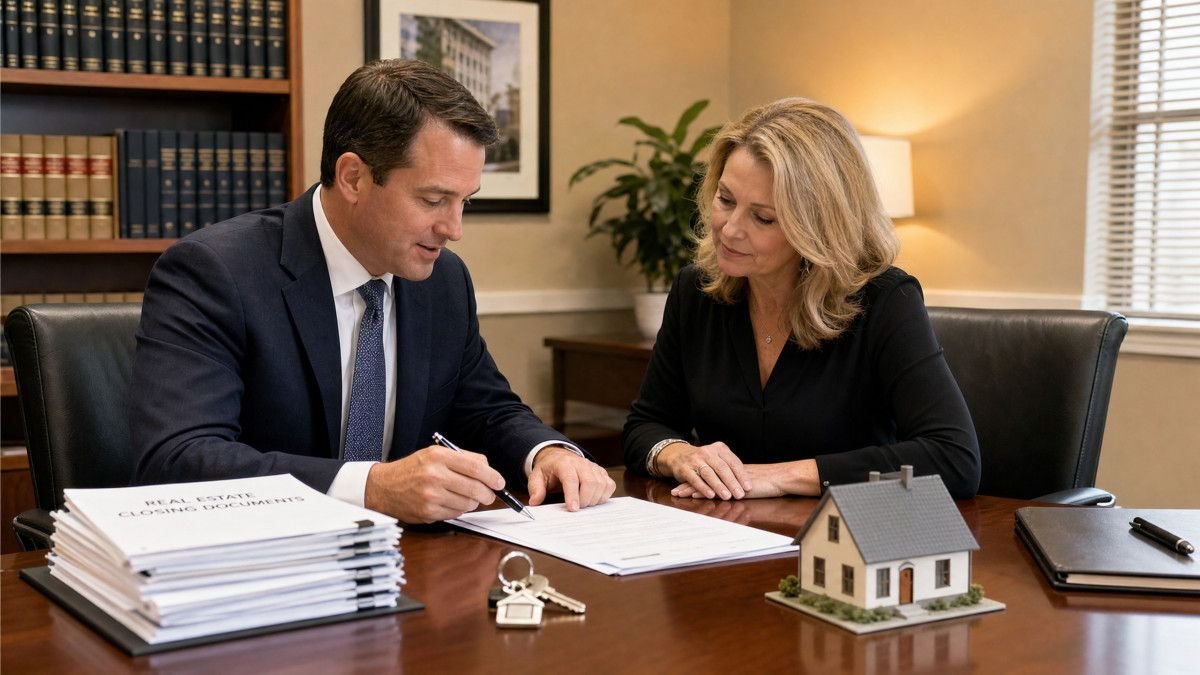
Closing day itself involves signing numerous legal documents, including the deed, bill of sale, and various disclosures. Sellers will also review the final Closing Disclosure, which outlines all financial transactions, including the sale price, closing costs, and net proceeds. This is often done at a title company office or an attorney’s office, with both buyer and seller (or their representatives) present.
Upon signing all documents and the transfer of funds, the property officially changes hands. Sellers will typically hand over keys, garage door openers, and any other access devices. This moment signifies the legal completion of the sale, and the seller is no longer the owner of the property. A recent survey by the National Association of Realtors indicated that 87% of sellers used a real estate agent to assist with the closing process, highlighting the complexity involved [2].
Understanding Closing Costs for Sellers
Sellers incur various closing costs that can significantly impact their net proceeds from the sale. These costs typically include real estate commissions, title insurance fees, transfer taxes, and attorney fees, among others.
Real estate commissions are often the largest closing cost for sellers, typically ranging from 5% to 6% of the sale price, split between the buyer’s and seller’s agents. Title insurance, which protects the buyer and lender from future title disputes, is also frequently paid by the seller, though this can vary by region and negotiation.
Other common seller closing costs include transfer taxes or documentary stamps, which are fees levied by state or local governments on the transfer of real property. Attorney fees are also applicable if a lawyer is involved in drafting or reviewing documents, which is common in many states. Additionally, sellers may be responsible for prorated property taxes and homeowner association dues up to the closing date.
It is crucial for sellers to obtain an estimated Closing Disclosure well in advance of the closing date. This allows them to review all anticipated expenses and ensure there are no unexpected charges. Understanding these costs helps sellers accurately calculate their net proceeds and plan their finances accordingly. According to John Smith, a real estate expert at RealtyCorp,
“understanding all closing costs upfront is essential for sellers to avoid surprises and accurately project their profits.”
Post-Closing Responsibilities
Even after the closing documents are signed and the keys are handed over, sellers may still have a few lingering responsibilities. These can include ensuring utilities are properly transferred, forwarding mail, and managing any remaining financial obligations.
One immediate post-closing task is to ensure that all utilities are transferred out of the seller’s name. This includes electricity, gas, water, and any other services tied to the property. Coordinating with the buyer to establish new accounts or transfer existing ones can prevent service interruptions and ensure a smooth transition for the new homeowner.
Sellers should also arrange for mail forwarding with the postal service to ensure they receive any mail sent to their old address. This helps prevent important documents from being lost or delayed. It is also a good practice to update mailing addresses with banks, insurance companies, and other important institutions.
Finally, sellers should review their financial statements to confirm that all mortgage payments have ceased and that any escrow accounts associated with the property have been properly closed or transferred. Any remaining property tax or homeowner association dues that were prorated at closing should also be verified to ensure accuracy.
Common Closing Delays and How to Avoid Them
Closing delays are a common occurrence in real estate transactions, often stemming from issues with financing, appraisals, inspections, or title. Proactive communication and thorough preparation are key to mitigating these potential setbacks.
Financing issues are a frequent cause of delays. Buyers may encounter unexpected hurdles in securing their loan, such as changes in their credit score or employment status. Sellers can help by ensuring all property-related documentation requested by the lender is provided promptly and accurately.
Appraisal and inspection problems can also lead to delays. A low appraisal may require renegotiation of the sale price, while significant inspection findings might necessitate repairs or further negotiations. Sellers should address any known property issues before listing and be prepared to negotiate reasonable solutions if new problems arise.
Title issues, as previously discussed, can also hold up a closing. Unresolved liens, boundary disputes, or errors in public records must be cleared before the property can be transferred. Engaging a reputable title company early in the process can help identify and resolve these issues proactively.
Effective communication between all parties—sellers, buyers, agents, lenders, and title companies—is paramount. Regular check-ins and prompt responses to requests for information can significantly reduce the likelihood of delays. Maintaining flexibility and a problem-solving mindset can also help navigate unforeseen challenges.
| Closing Stage | Seller’s Key Responsibilities | Potential Delays |
|---|---|---|
| Offer Acceptance | Review contract, disclose property details | Negotiation stalemates, incomplete disclosures |
| Inspection Period | Grant access, negotiate repairs | Major repair requests, contractor availability |
| Appraisal | Ensure property access, provide comparable sales data (if needed) | Low appraisal value, scheduling conflicts |
| Title Search | Resolve liens, provide necessary documentation | Unresolved title issues, missing paperwork |
| Final Walkthrough | Vacate property, ensure cleanliness and repairs | Property not in agreed condition, personal items remaining |
| Closing Day | Sign documents, transfer keys | Missing documents, funding delays, legal review |
Frequently Asked Questions
What documents do I need to bring to closing?
Sellers typically need to bring a valid photo ID, all keys to the property, garage door openers, and any other access devices. It’s also wise to have copies of any documents you’ve signed throughout the process, though the title company or attorney will have the originals.
Who pays for closing costs in a home sale?
Closing costs are typically split between the buyer and seller, though the exact division can vary by region and negotiation. Sellers commonly pay for real estate commissions, title insurance (owner’s policy), transfer taxes, and attorney fees. Buyers usually cover lender-related fees and their own title insurance policy.
What happens if the appraisal is lower than the sale price?
If the appraisal comes in lower than the agreed-upon sale price, several scenarios can unfold. The buyer may need to bring more cash to closing to cover the difference, the seller may agree to lower the sale price, or both parties might negotiate a compromise. In some cases, the deal may fall through if an agreement cannot be reached.
Can I back out of a sale after signing the purchase agreement?
Backing out of a sale after signing a purchase agreement can be complex and may have legal and financial consequences. It depends on the specific terms of the contract and any contingencies included. Consulting with a real estate attorney is crucial to understand your options and potential liabilities.
The closing process, while seemingly daunting, is a structured series of steps designed to ensure a legal and equitable transfer of property ownership. By understanding each phase, from initial preparations to post-closing responsibilities, sellers can navigate this critical period with confidence. Proactive engagement with real estate professionals, meticulous document management, and clear communication are the cornerstones of a successful closing, ultimately leading to a smooth transition and the successful completion of your home sale.
References
- American Land Title Association. (2023). ALTA National Title Professional Survey.
- National Association of Realtors. (2023). Highlights From the Profile of Home Buyers and Sellers.