




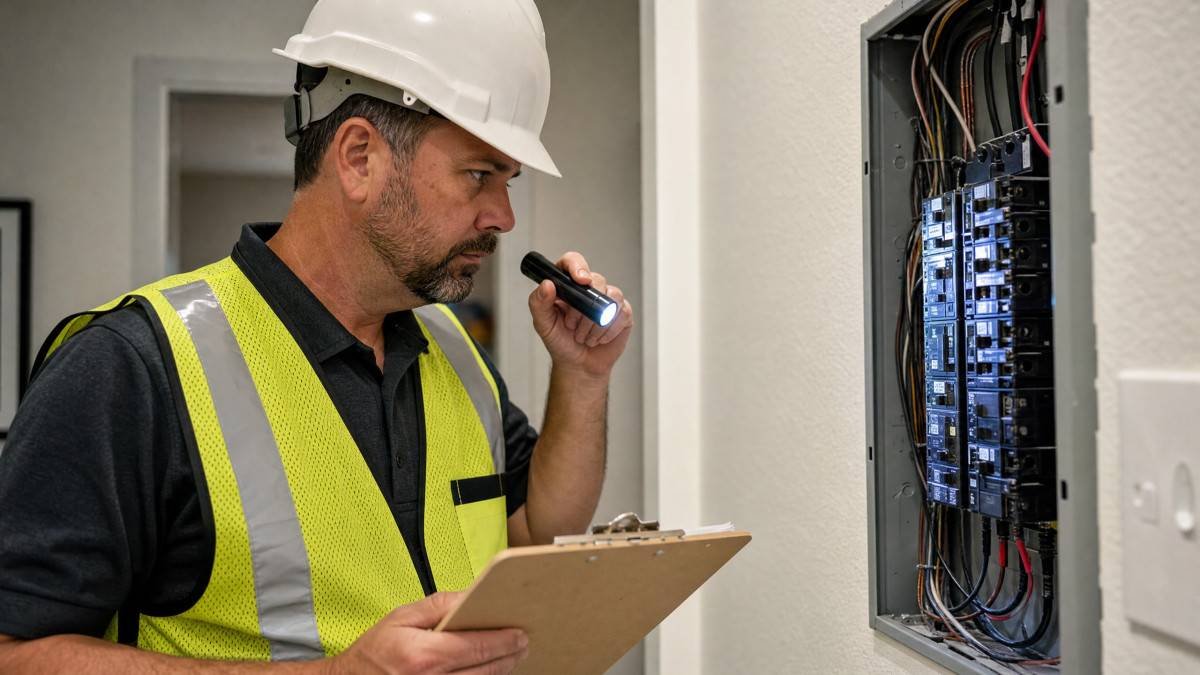
According to Lux Management Group professionals, the home inspection is one of the most important steps in the home buying process. It is your opportunity to gain a comprehensive, objective assessment of the property’s condition before you finalize the purchase. A thorough inspection can reveal hidden defects that affect safety, habitability, or value — and give you the information you need to negotiate repairs, adjust your offer, or walk away from a problematic property. Knowing how to prepare for and get the most out of this process is essential.
When Does the Home Inspection Occur?
The home inspection typically takes place within the inspection contingency period specified in your purchase contract — usually 7 to 14 days after your offer is accepted. Schedule the inspection as quickly as possible after going under contract to allow time to review the report, negotiate any findings, and if necessary, bring in specialists for further evaluation before your contingency deadline expires.
Choosing the Right Home Inspector
Not all home inspectors are equally qualified. Look for inspectors who are certified by a recognized professional organization such as the International Association of Certified Home Inspectors (InterNACHI) or the American Society of Home Inspectors (ASHI). Ask about their experience with the specific type of property you are purchasing (older homes, condos, and new construction each have unique considerations), their inspection methodology, and what their report format looks like. Request a sample report to evaluate the level of detail they provide.
What a Standard Home Inspection Covers
A standard inspection evaluates the visible and accessible components of the home’s major systems and structure:
| System/Component | What Is Evaluated |
|—|—|
| Roof | Condition, age, flashing, gutters |
| Foundation & Structure | Cracks, settling, drainage |
| Electrical | Panel, wiring, outlets, GFCI protection |
| Plumbing | Pipes, water heater, fixtures, drainage |
| HVAC | Heating and cooling systems, ductwork |
| Insulation & Ventilation | Attic, crawl space, energy efficiency |
| Windows & Doors | Operation, seals, weatherstripping |
| Interior | Walls, ceilings, floors, stairs |
| Exterior | Siding, grading, walkways, decks |
Attend the Inspection in Person
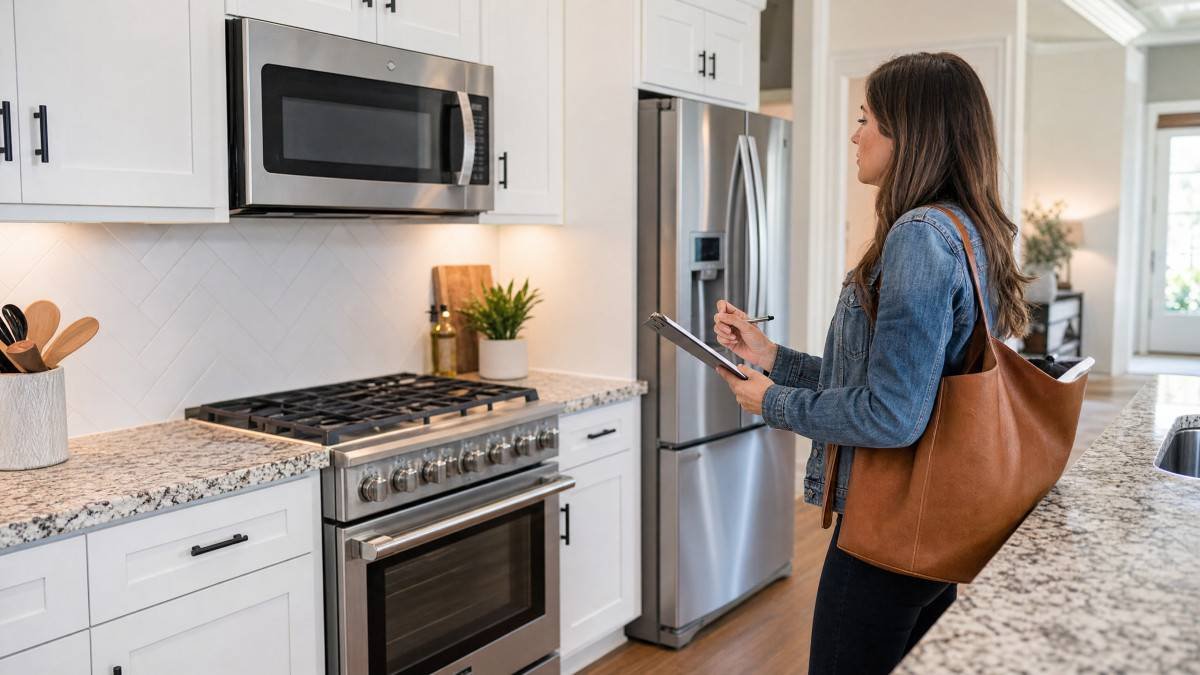
Attending the inspection in person is strongly recommended. Walking through the home with the inspector allows you to ask questions in real time, understand the severity of any findings, and learn about the home’s maintenance needs. An inspector who explains findings verbally — not just in a written report — provides far more value. Plan for the inspection to take 2 to 4 hours depending on the home’s size and age.
Specialized Inspections to Consider
A general home inspection does not cover everything. Depending on the property’s age, location, and characteristics, you may want to order additional specialized inspections:
Sewer scope: Inspects the sewer line for root intrusion, cracks, or blockages — essential for older homes. Radon test: Measures radon gas levels, particularly important in certain geographic regions. Mold inspection: Warranted if there are signs of moisture intrusion or musty odors. Pest inspection: Required by some lenders and advisable in areas with termite activity. Chimney inspection: Important for homes with fireplaces or wood-burning stoves.
Understanding the Inspection Report
Inspection reports can be lengthy — 50 to 100 pages is not unusual for a thorough inspector. Focus on items categorized as safety hazards or major defects first, then review deferred maintenance items. Not every finding requires action — cosmetic issues and minor maintenance items are normal in any home. Work with your agent to distinguish between deal-breakers, negotiable items, and minor issues you can address yourself after closing.
Negotiating After the Inspection
After reviewing the report, you have several options: request that the seller repair specific items before closing, ask for a price reduction or credit at closing to cover repair costs, or accept the property as-is if the findings are minor. In a competitive market, sellers may be less willing to make repairs, making a closing credit a more practical approach. Focus your negotiation on safety issues and major defects rather than a laundry list of minor items.
Frequently Asked Questions
Can I skip the home inspection to make my offer more competitive?
Waiving the inspection entirely is risky and generally not recommended. As an alternative, consider an “information only” inspection — you complete the inspection but agree not to request repairs. This gives you knowledge of the property’s condition while making your offer more attractive to the seller.
What is the difference between a home inspection and an appraisal?
A home inspection evaluates the physical condition of the property for the buyer’s benefit. An appraisal estimates the property’s market value for the lender’s benefit. They serve different purposes and are conducted by different professionals.
How much does a home inspection cost?
A standard home inspection typically costs $300 to $600 for a single-family home, with higher costs for larger or older properties. Specialized inspections (sewer, radon, mold) are additional.
What happens if the inspector finds a major problem?
A major finding gives you the opportunity to negotiate with the seller, request a specialist evaluation for a more accurate repair estimate, or exercise your inspection contingency to exit the contract and recover your earnest money.
Is a new construction home still worth inspecting?
Absolutely. New construction homes are not immune to defects — missed inspections, subcontractor errors, and code violations occur even in brand-new homes. A pre-closing inspection and a one-year warranty inspection (before the builder’s warranty expires) are both highly recommended.
Conclusion
The home inspection is your single best opportunity to understand exactly what you are buying before you are legally committed to the purchase. By choosing a qualified inspector, attending the inspection in person, considering specialized add-on inspections, and using the findings strategically in your negotiation, you can protect yourself from costly surprises and make your purchase decision with complete confidence.