




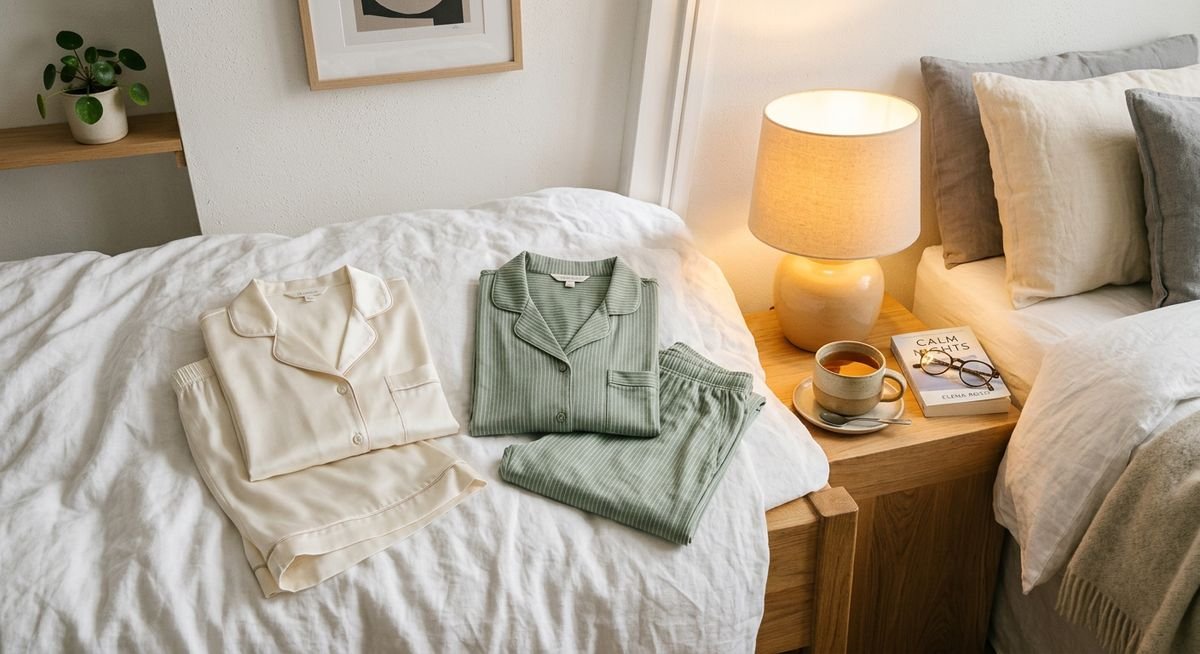
Pyjamaspapper describes a comfort-first approach to sleepwear and home dressing: choosing soft, well-made garments specifically suited to sleep, rest, and relaxed home activity, rather than treating pajamas as an afterthought. The concept sits at the intersection of practical sleep hygiene, intentional lifestyle habits, and the broader cultural shift toward valuing physical comfort at home. Understanding what makes certain fabrics and garment choices better for actual rest, and how to build a sensible wardrobe around those choices, is what pyjamaspapper is ultimately about.
What Is Pyjamaspapper?
Pyjamaspapper is a comfort-first dressing philosophy built around pajama-style garments used across multiple home settings: sleep, relaxation, remote work, and casual time at home. It positions comfortable clothing not as laziness but as a deliberate, practical choice, covering everything from silk sleep sets to breathable cotton loungewear to bamboo-blend robes. The emphasis is on choosing the right piece for the right moment rather than treating sleepwear as a default category.
The distinction from ordinary pajamas is intent. Pyjamaspapper means understanding how fabric affects your body temperature overnight, how garment fit affects sleep quality, and how the act of changing into designated rest clothing creates a behavioral signal that supports recovery. Building a small wardrobe of comfort pieces that serve distinct purposes, rather than grabbing whatever is clean, is the core of what the concept describes.
Think of it as the home equivalent of a functional work wardrobe. The performance metric is not professional appearance but how well you rest and recover each night.
Why Comfort Clothing Actually Changes How You Feel
Soft, breathable clothing supports better sleep by reducing physical friction against the skin, helping the body maintain its natural overnight temperature drop, and removing a category of sensory distraction that keeps lighter sleepers in partial alertness. The mechanisms are straightforward once you understand how sleep onset works.
The National Sleep Foundation explains that the body needs to cool down slightly to initiate and maintain deep sleep. Fabrics that trap heat, such as polyester blends, interfere with this process. Natural fibers, cotton and bamboo especially, allow the body to regulate its own temperature more freely during the night. This is why sleepers who switch from synthetic to natural-fiber pajamas frequently report waking up less often, even before other sleep hygiene factors change.
The physical comfort signal extends beyond temperature. Rough or restrictive fabric registers as low-level sensory input throughout the night, enough to keep the nervous system slightly elevated rather than fully settled. Cotton knit, modal, and bamboo viscose all have surface textures that minimize this effect, which is why fabric choice matters more than thread count when evaluating sleepwear.
The behavioral dimension is documented in separate research. A 2012 study published in the Journal of Experimental Social Psychology by Hajo Adam and Adam Galinsky introduced the concept of “enclothed cognition”: that people assign symbolic meaning to clothing, and that meaning influences cognitive and emotional states. Changing into designated rest clothing in the evening triggers a mental transition away from work-mode activation, independent of what the fabric actually feels like. The combination of sensory comfort and behavioral ritual makes pyjamaspapper more effective than either element alone.
The Best Pyjamaspapper Fabrics: A Practical Comparison
Cotton is the most practical all-season pyjamaspapper fabric; bamboo viscose outperforms it in warm climates; flannel is the cold-weather standard; silk offers genuine luxury but requires hand washing. Polyester satin looks the part but traps heat and is the worst-performing option for actual sleep quality.
Fabric choice is where pyjamaspapper decisions become concrete. Sleepwear has a recorded history stretching back centuries, but the range of performance fabrics available today is genuinely new. Each material has a distinct profile of warmth, breathability, durability, and feel. Here is how the main options compare:
| Fabric | Breathability | Warmth | Skin Feel | Best Season | Care Level |
|---|---|---|---|---|---|
| Cotton (standard) | High | Medium | Soft, familiar | All-season | Easy |
| Organic Cotton | High | Medium | Softer than standard | All-season | Easy |
| Bamboo (viscose) | Very High | Low-Medium | Silky, cool | Spring/Summer | Moderate |
| Silk | Moderate | Low | Smooth, luxurious | Spring/Summer | Delicate |
| Modal | High | Medium | Butter-soft | All-season | Easy |
| Flannel (cotton) | Low-Medium | High | Cozy, textured | Autumn/Winter | Easy |
| Satin (polyester) | Low | Medium | Smooth, cool-looking | Any (avoid summer) | Easy |
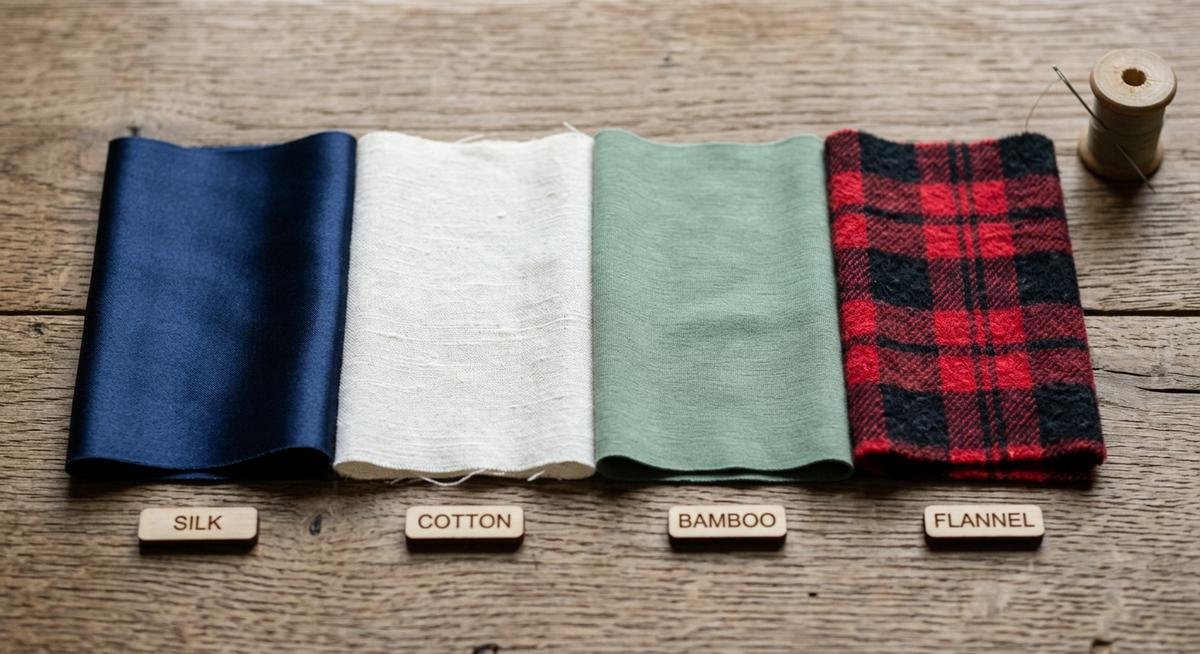
Cotton remains the default for good reason: it works in every climate, tolerates frequent washing without degrading quickly, and costs a fraction of silk or modal. For anyone building a pyjamaspapper wardrobe on a realistic budget, a high-quality cotton set is the right starting point. Bamboo viscose has become the upgrade pick for hot climates or people who run warm at night, offering a noticeably cooler surface temperature than cotton at a slightly higher price.
Silk is genuinely different on skin, but it requires hand washing or delicate machine cycles and can snag easily. It is a worthwhile occasional investment, not an everyday workhorse fabric.
Pyjamaspapper for Remote Work: Where Comfort Meets Productivity
A two-phase pyjamaspapper system — structured loungewear during work hours, full-comfort sleep pieces in the evening — recreates the psychological boundary between work and rest that commuting used to provide. Without this transition, remote workers frequently report difficulty switching off at the end of the day.
Remote work removed the external signal of dressing to leave the house, which created a new problem: without a clothing transition, many people find the boundary between work and rest blurs. Pyjamaspapper addresses this directly, not by wearing pajamas to video calls, but by creating deliberate clothing rituals that mark the shift between modes.
The practical framework most people find useful is a two-phase pyjamaspapper system. The first set, typically a soft but structured loungewear piece, covers work hours at home: lightweight joggers, a modal or cotton top, something that reads as “put together” without requiring actual effort. The second set, reserved strictly for evening and sleep, is the full-comfort layer: the loosest, softest pieces in the rotation.
This distinction matters more than it sounds. Keeping a separate “work loungewear” category and a “sleep pyjamaspapper” category gives the brain two clear behavioral cues across the day. Research from the Journal of Experimental Social Psychology (2012, “enclothed cognition” study by Hajo Adam and Adam Galinsky) demonstrated that the symbolic meaning a person assigns to their clothing affects cognitive performance, separate from the clothing’s physical properties. Assigning meaning to your pyjamaspapper categories builds those cues over time.
For video calls, the solution is simpler than most people realize: a good pyjamaspapper-adjacent top with structured shoulders photographs well at any quality level. The real effort goes into the evening transition, when the work loungewear comes off and the rest pyjamaspapper goes on.
How to Build a Pyjamaspapper Wardrobe at Any Budget
A complete pyjamaspapper wardrobe needs three to four pieces: one all-season cotton set, one warm-weather option, one cold-weather layer, and optionally one elevated piece for recovery days. Total investment at quality entry-level ranges from $135 to $290, substantially less than most people spend on work attire.
Building a functional pyjamaspapper wardrobe does not require a significant investment upfront. The goal is three to four core pieces that cover different temperature conditions and serve distinct roles.
- One all-season cotton pajama set ($25–$50). This is the workhorse. Look for a weight between 160g/m² and 200g/m², which stays comfortable year-round without feeling heavy. Gap, Uniqlo, and L.L. Bean regularly produce reliable options in this range.
- One lightweight sleep shirt or short set ($20–$40). For warm nights or summer. Cotton voile or bamboo-blend performs well here. Oversized cotton t-shirts repurposed as sleep shirts are a perfectly valid option.
- One warm layer for cold months ($40–$80). Flannel pajamas or a thick cotton robe that can be layered over a lighter set. Flannel from brands like Pendleton or Burt’s Bees Baby (adults’ line) holds up to regular washing better than most alternatives.
- One elevated piece for comfort rituals ($50–$120). A silk or modal set that feels noticeably different from daily wear. This is the piece you reach for on a recovery day, after an illness, or on a slow Sunday when the point is to feel specifically well-treated.
Total investment for a complete pyjamaspapper rotation: $135 to $290 at quality entry-level price points. The common mistake is buying five cheap sets that all pill and lose shape after six months, instead of two well-made ones that last three years. Thread count for cotton sleepwear is less important than weave density and fabric weight, both of which you can assess by feel in-store or by checking the grams-per-square-metre specification online.
Caring for Your Pyjamaspapper
Wash pyjamaspapper at 30°C with no fabric softener and air dry when possible. These three adjustments alone extend garment life significantly compared to standard hot-wash laundry habits, and they preserve the soft-hand feel that makes the pieces worth buying in the first place.
Extending the life of pyjamaspapper pieces requires three adjustments to standard laundry habits. First, wash at 30°C (86°F) rather than 40°C or higher. Hot water accelerates the breakdown of cotton and bamboo fiber structure, causing the fabric to thin and pill faster. Most sleepwear manufacturers now specify cold-wash care on labels specifically to preserve soft-hand feel over multiple wash cycles.
Second, skip the fabric softener for cotton and bamboo. These fabrics soften naturally over time with washing, and liquid softener leaves a coating that gradually reduces breathability, the opposite of what you want in sleepwear. A half-cup of white vinegar in the rinse cycle achieves a similar softening effect without the residue.
Third, air dry whenever possible, or use the lowest heat setting on a tumble dryer. High heat shrinks cotton by three to five percent per cycle. Over 20 wash cycles at high heat, a pajama set that fit perfectly when new can end up several sizes smaller.
Silk requires separate handling: hand wash in cold water with a dedicated silk wash product, or use the delicate bag + gentle cycle method. Never wring silk; instead roll it in a clean towel to extract water and lay flat to dry.
Frequently Asked Questions About Pyjamaspapper
What exactly is pyjamaspapper?
Pyjamaspapper is a comfort-first dressing philosophy built around pajama-style clothing used for sleep, rest, and home activities. It focuses on choosing specific fabrics and garment types for specific purposes, such as dedicated sleep pieces versus home-activity loungewear, rather than wearing whatever is available. The core idea is that intentional comfort clothing improves sleep quality, reduces stress, and supports daily recovery.
Which pyjamaspapper fabric is best for sleep?
Cotton and bamboo viscose are the top choices for most people. Cotton is breathable, easy to wash, and works in all seasons. Bamboo viscose feels cooler and is especially effective for people who sleep warm. Silk is luxurious but requires more care. Flannel is best for cold climates. Synthetic fabrics like polyester satin trap heat and reduce sleep quality for most sleepers.
Does wearing good sleepwear actually improve sleep?
Yes, within specific parameters. The National Sleep Foundation (2024) confirms that breathable natural fabrics support the body’s natural temperature drop during sleep onset. Restrictive or rough clothing registers as a low-level stressor. The benefit is most noticeable for people who previously slept in rough or synthetic fabrics; switching to natural-fiber pyjamaspapper often produces faster sleep onset and fewer mid-night wakeups within the first week.
How many pyjamaspapper sets do I need?
Three to four sets cover most situations. One all-season cotton set, one lightweight warm-weather option, one flannel or warm-layer set for cold months, and an optional elevated piece for rest or recovery days. More than four sets typically means pieces sit unused, while fewer than three creates laundry-timing problems during illness or busy weeks.
Can pyjamaspapper be worn outside the home?
Some styles cross over well. Silk or satin pajama sets styled with heels and a tailored blazer have appeared on major runways since the mid-2010s and remain a recognized fashion approach. Cotton or flannel sets are generally not suitable outside the home. Structured loungewear and wide-leg pajama trousers in quality fabric make the most versatile crossover pieces.
How does pyjamaspapper fit into a work-from-home routine?
A two-phase system works best. Use a structured loungewear set or pyjamaspapper-adjacent pieces during work hours, then switch to a designated sleep/rest set in the evening. This clothing transition acts as a behavioral cue that signals the brain to shift from work mode to recovery mode, which research on “enclothed cognition” suggests is a meaningful psychological trigger.
Are there sustainable pyjamaspapper options?
Yes. Organic cotton is certified pesticide-free and biodegradable. Bamboo viscose uses significantly less water than conventional cotton, though the viscose manufacturing process involves chemical treatment. TENCEL (lyocell) from Lenzing is a closed-loop alternative that uses 99% of its solvents in a recycled process. Brands like Pact, Coyuchi, and Ettitude offer certified sustainable pyjamaspapper lines at accessible price points.
How often should pyjamaspapper be washed?
Every two to three uses under normal conditions, or after every use if you sweat heavily at night. The standard is similar to athletic wear: not after every single wear, but never more than three uses between washes. Bacteria accumulate in fabric during sleep, and infrequent washing contributes to skin irritation and odor. Light sleepwear worn over clean skin can stretch to three uses; heavier flannel sets worn in bed without showering first should be washed after each use.
Is pyjamaspapper just for women?
No. Men’s pyjamaspapper options have expanded substantially since 2023. Classic cotton pajama sets in solid colors, madras plaid, and simple stripe patterns are available across all major retailers. Modal and bamboo options have entered the men’s market through brands like Eberjey and Nordstrom’s house line. The principle, fabric quality and intentional comfort dressing, applies equally regardless of gender.
What is a realistic budget for starting pyjamaspapper?
A functional starter rotation costs $60 to $120. One quality cotton pajama set ($25 to $50) and one warm-weather option ($20 to $40) cover most situations. The mistake most people make is buying cheap synthetic options that wear out quickly. Spending slightly more on a well-constructed cotton or bamboo set results in better sleep quality, longer garment life, and lower cost per wear over 12 to 18 months.
The Simplest Investment in Your Daily Recovery
Pyjamaspapper works because it operates on the principle that the quality of your rest shapes the quality of your active hours, and that clothing is one of the lowest-effort variables you can actually control. You cannot always change your sleep schedule, your stress load, or your commute. You can choose a cotton set over a synthetic one.
The trend toward intentional comfort clothing is not going to reverse. Remote work normalized staying home in decent clothes. Sleep science validated the fabric choices. And a generation that spent the early 2020s wearing athleisure everywhere has developed an expectation of physical comfort that is not disappearing from their wardrobes now that the world reopened.
Start with one good all-season cotton set. Wash it cold, skip the softener, air dry it. Notice whether you fall asleep faster and wake up less. The Mayo Clinic’s sleep hygiene guidelines consistently list physical comfort during sleep as a controllable variable most people overlook. That’s the whole experiment, and it costs less than a single dinner out.