




The I Can See It Now Moment – 5 Reasons to Hire a 3D Architectural Visualization Service for Your Custom Build
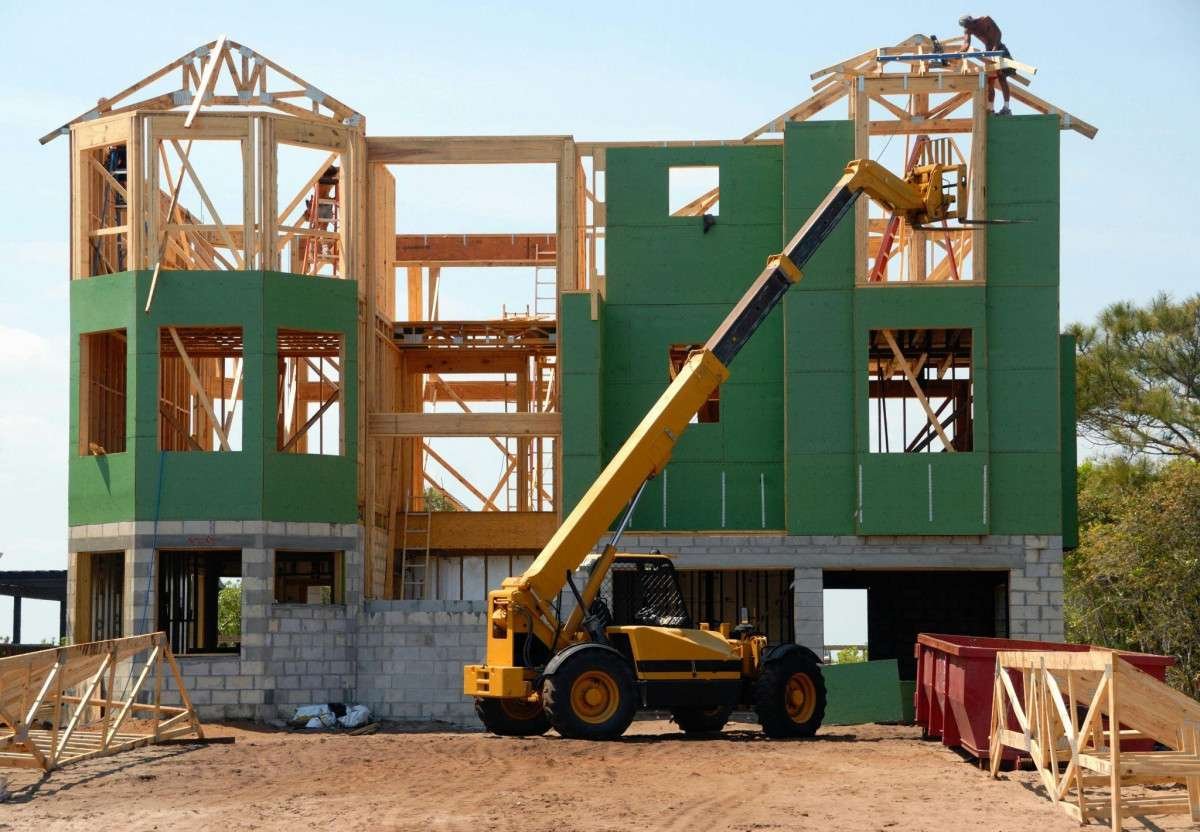
Custom home plans can be technically perfect and still leave a homeowner uneasy. 3d renders services help because most people are not trained to translate dashed lines, section cuts, and dimensions into a place they can emotionally trust. A 3d architectural visualization service turns those abstract instructions into rooms, views, textures, and moods that feel almost tangible. That shift matters when the project is expensive, and every decision feels loaded. Houzz reported in 2025 that 54% of homeowners undertook renovation projects in 2024, underscoring how many people are making high-stakes design choices and living with them later. Visualization works as an emotional bridge. It reduces the fatigue of guessing and replaces it with something far more useful: clarity.
Reason 1 – The Transformation from Uncertainty to Absolute Confidence
There is a clear before-and-after in most custom-built projects. Before the render, the client is trying to believe in a future that still feels theoretical. After the render, the project usually becomes easier to trust. That moment is powerful because it changes the tone of every conversation that follows. A 3d rendering service does more than make the design look polished. It helps the homeowner commit without the constant fear that the kitchen will feel too tight, the façade too flat, or the living room too cold once construction is complete. Mood boards and material samples can inform decisions, but they cannot show how everything behaves together in a single environment. Confidence grows when the whole composition finally reads as one home instead of scattered choices.
Reason 2 – Accurate Spatial Awareness and Human Scale
Flat plans can be deceptive even when the measurements are correct. A hallway that looks generous on paper may feel narrow in practice. A double-height living room may sound impressive until someone realizes how the furniture will actually sit inside it. A 3d render service solves that by giving the eye reference points it can understand instantly. Furniture, doors, tables, railings, and even human figures help the client judge proportion naturally. That is how ceiling heights start to make sense. That is how circulation starts to feel real. Instead of asking the homeowner to mentally calculate the experience of moving through the space, visualization lets them sense it directly. And once the scale is understood, layout mistakes become much easier to catch before they harden into construction.
Reason 3 – Material Harmony and the Interaction of Light
A finish is never just a finish. It changes with daylight, shadows, lamp temperature, window size, and the surrounding surfaces. Stone can go cool. Wood can suddenly read orange. A paint tone that looked balanced on a sample card can feel completely different when it covers a full wall beside concrete or brass. Professional 3d rendering services reveal those relationships before the materials are ordered. That is where global illumination becomes useful, because it shows how light bounces through the room and changes the atmosphere across the day. Morning light may soften a palette that feels sharp at noon. Evening lighting may make the same room warmer than expected. Seeing those shifts in advance protects the design from expensive surprises and helps the final house feel coherent instead of accidental.
Reason 4 – Streamlining Communication with the Build Team
Custom building gets harder every time one person describes a detail, and three others picture it differently. That is where visualization starts paying for itself. Strong architectural 3D renderings give the homeowner, architect, builder, and trades a single visual reference that reduces verbal ambiguity. Instead of debating what “clean,” “soft,” or “slightly recessed” means, the team can point to the same image and work from that standard. Autodesk cited FMI data in 2026 showing that miscommunication and poor project data account for 48% of all rework on U.S. construction jobsites. That statistic explains the risk clearly. A shared image cannot solve every problem, but it can dramatically reduce the kind of avoidable confusion that leads to change orders, delays, and expensive corrections.

5 Specific Technical Advantages of Professional 3D Visualization
Professional visualization earns trust when it does more than create attractive still images. The real value appears when the digital model becomes a working decision tool that exposes problems early, tests alternatives quickly, and gives the homeowner better control over the outcome. That is why the technical side matters as much as the visual side.
1. The ability to perform immersive virtual walkthroughs to experience the home’s flow from a first-person perspective before construction starts.
2. High-fidelity rendering of specific landscape and terrain features to see the home in its actual geographic and neighborhood context.
3. Early detection of potential architectural clashes or subtle design flaws that are often invisible on traditional 2D plans.
4. The capability to test multiple color palettes and material combinations in seconds without the need to purchase physical samples.
5. The production of marketing-grade imagery that can be used for future resale, financing discussions, or insurance documentation.
6. Accurate simulation of both daytime and nighttime lighting scenarios to ensure the home’s aesthetic appeal at all hours of the day.
Used well, those advantages reduce guesswork at the exact moment when guesswork is most expensive.
Reason 5 – Protecting Your Emotional and Financial Investment with a 3D Architectural Visualization Service
Custom homes carry two kinds of risk. One is financial, and it shows up in change orders, rebuilds, and design revisions that arrive too late. The other is emotional, and it shows up when the finished home feels slightly off in ways that are hard to fix and hard to forget. A strong visualization package acts like design insurance because it lets the owner confront major decisions before they become permanent. FMI has said its calculations found $88.7 billion in rework costs associated with bad data, and that a contractor with $1 billion in revenue can face about $7.1 million in avoidable rework tied to that issue. On a smaller residential project, the numbers shrink, but the principle does not. One wrong exterior proportion or one compromised kitchen layout can still cost dearly.
Building the Narrative of Your Future Home
A custom home is not only a structure. It is a story about how daily life is meant to unfold. That story is difficult to read in technical documentation, because drawings explain assembly better than atmosphere. Rendered imagery does the opposite. It shows where the morning light lands, how the dining room feels at dusk, where the view opens from the sofa, and how the threshold between indoors and outdoors will actually live in practice. That matters because homeowners do not build custom houses simply to own square footage. They build them to shape routines, moods, and future memories. Visualization lets them pre-live in the home before the slab is poured. And that makes the design process feel less like interpreting documents and more like making decisions about a real life to come.
The Long-Term Value of Digital Assets in the Home Lifecycle
The render set remains useful even after construction ends. It can support future renovations, landscape updates, interior refreshes, maintenance planning, and even resale conversations years later. Digital models often preserve design intent more clearly than memory does, which becomes useful the moment someone asks why a ceiling detail was shaped a certain way or how a built-in aligns with hidden structure behind the wall. That kind of continuity has practical value. It also has market value. Strong digital assets can help future buyers understand the home’s logic and potential more quickly, especially if they were not present during the original design process. In that sense, visualization is not a temporary expense. It becomes part of the property’s long-term documentation and identity.
Conclusion
A custom build becomes easier to navigate when the homeowner no longer has to decode technical language on their own. That is the real power of visualization. It turns uncertainty into confidence, gives scale a human frame of reference, reveals how materials and light will actually behave, and keeps the build team aligned around the same goal. It also protects more than money. It protects the emotional side of the project, which matters just as much when the home is meant to reflect years of saving, planning, and personal taste. The best result is not simply a beautiful image on a screen. It is a house that feels right when it is finally built because the difficult decisions were made with real clarity. That is why more homeowners now treat a 3d architectural visualization service as part of the build itself, not an optional extra.