



Supporting a senior’s daily life involves more than addressing health needs. Seniors thrive when their environments, routines and relationships help them feel safe, capable and connected. Many older adults experience shifts in mobility, energy, memory or motivation that can gradually influence their independence. By focusing on practical, sustainable habits, families can help seniors remain engaged in meaningful activities while preserving their dignity. With thoughtful adjustments and consistent encouragement, seniors can enjoy a lifestyle that strengthens wellbeing and enriches everyday experiences.
Creating a Comfortable and Supportive Home Environment
A senior’s home environment plays a key role in daily comfort and safety. Small improvements can make a significant difference in promoting independence and reducing unnecessary stress. Clear pathways, comfortable seating and good lighting help seniors navigate their home with confidence. Organizing frequently used items within easy reach reduces strain and minimizes frustration. Many families also find that familiar décor, personal mementos and favorite objects contribute to emotional stability by reinforcing a sense of identity. Making thoughtful home adjustments is one of the simplest and most effective ways to support health and wellness for seniors, since it helps create a living environment that aligns with changing physical and cognitive needs.
Encouraging Regular Movement and Physical Activity
Physical activity is essential for maintaining strength, balance and overall vitality. Seniors who engage in regular movement often experience improved mobility, better mood and increased confidence in daily tasks. The goal is not intense exercise but steady, enjoyable movement that fits comfortably into their routine. Walking, stretching, chair exercises or light gardening can all contribute to better physical health. Many seniors feel more motivated when physical activity is paired with companionship. A family member, friend or neighbor can help make movement a pleasant social experience rather than a chore. Encouraging daily activity supports cardiovascular health, preserves flexibility and provides emotional lift, all of which contribute to a more active and fulfilling daily life.
Supporting Social Engagement and Meaningful Connections
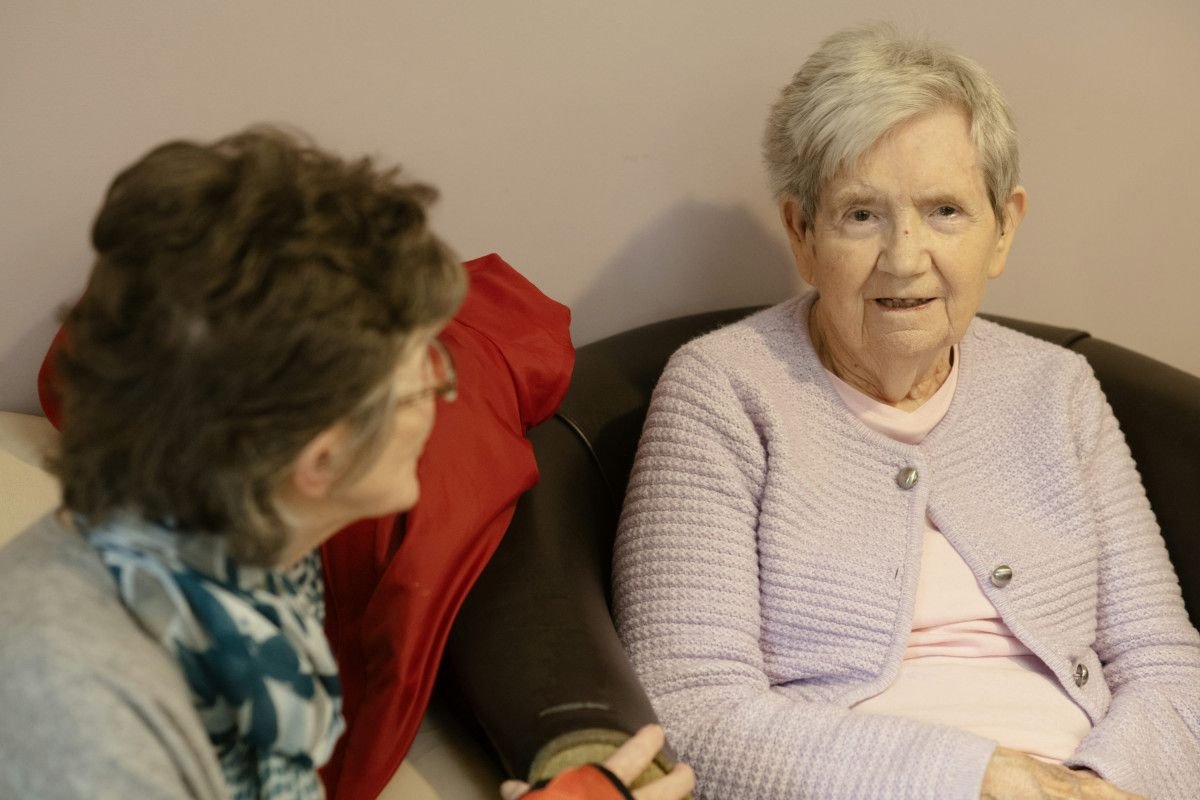
Staying socially engaged is vital to a senior’s emotional wellbeing. Social withdrawal can lead to feelings of loneliness or depression, which can affect both mental and physical health. Families can help by fostering opportunities for connection. This may include regular visits, phone calls, shared meals or community involvement. Many seniors enjoy participating in faith based groups, senior centers, hobby clubs or volunteer programs. Even simple interactions, such as chatting with a neighbor or participating in a virtual gathering, can brighten the day. Maintaining meaningful relationships provides reassurance, reduces stress and strengthens a sense of belonging. When seniors feel connected to others, they are more likely to stay engaged, active and emotionally balanced.
Incorporating Purposeful Daily Activities
Purpose plays a major role in a senior’s sense of fulfilment. Daily activities that feel meaningful can provide structure, enjoyment and motivation. These activities do not need to be complex. Preparing a simple meal, tending to plants, reading, writing, doing puzzles or participating in art projects can all bring satisfaction. Seniors who enjoy routines often find comfort in familiar tasks that reinforce independence. Families can help by identifying interests that remain accessible and enjoyable at the senior’s current ability level. Introducing new hobbies or adapting old ones can spark enthusiasm and provide fresh opportunities for engagement. Purpose driven activities encourage a more active and joyful daily life.
Maintaining Healthy Routines That Promote Stability
Predictable routines help seniors feel more organized, secure and in control. Establishing consistent times for meals, medication, physical activity and rest supports both emotional and physical wellbeing. Structured routines can also reduce confusion for seniors experiencing mild memory changes. When tasks occur at the same time each day, they require less mental effort and become easier to maintain independently. Routines also help stabilize mood and improve sleep quality. Families can work together with their loved one to create a schedule that feels natural and flexible, allowing room for rest or spontaneous activities without losing overall rhythm. By supporting dependable routines, families help seniors maintain a balanced, comfortable lifestyle.
Conclusion
Improving daily life for seniors involves a combination of practical adjustments and compassionate support. A comfortable home environment, regular movement, social engagement, meaningful activities and consistent routines all contribute significantly to senior wellbeing. When families encourage these habits with patience and understanding, seniors are better able to maintain independence, confidence and daily enjoyment. With thoughtful guidance and the right support, older adults can continue to lead fulfilling and purposeful lives as they navigate the natural changes that come with aging.