



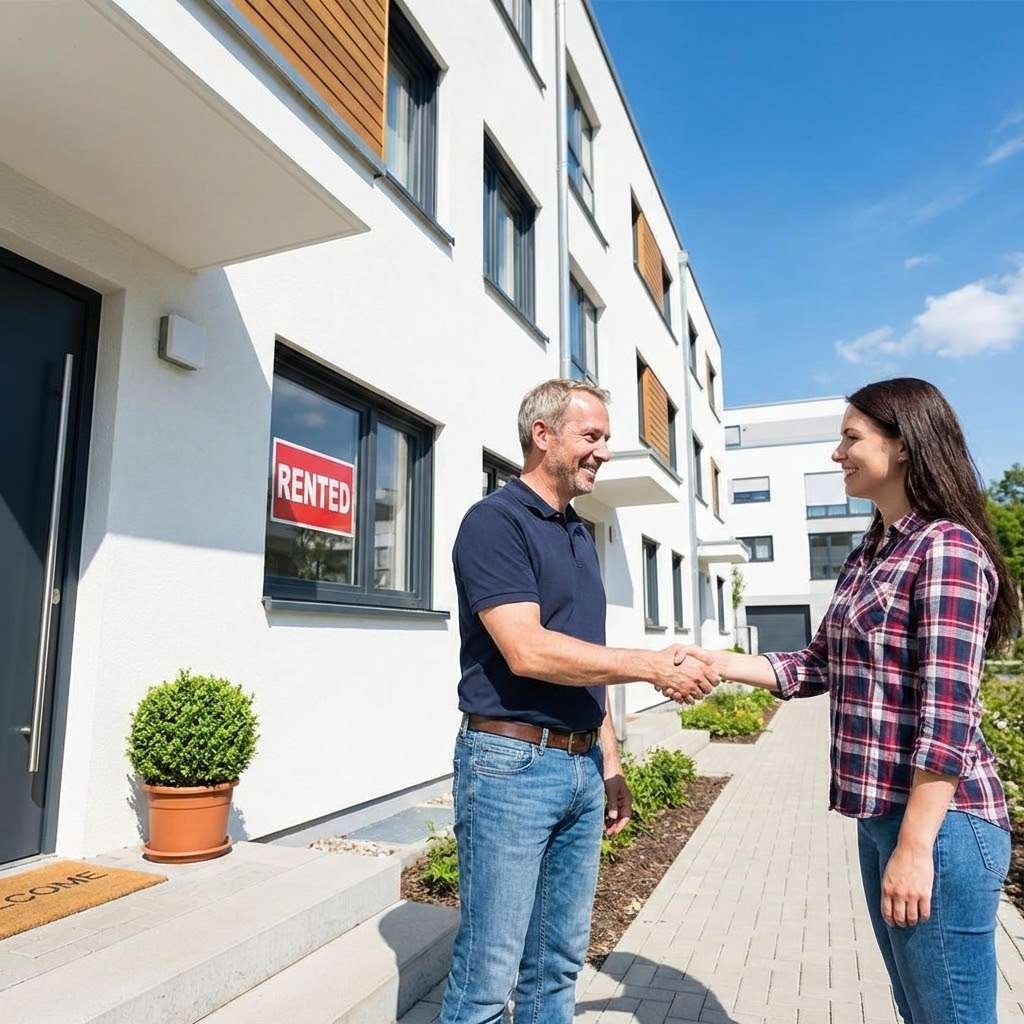
A rental property is only deemed successful based on the relationships behind it.
While property maintenance, pricing strategy, and market positioning all matter, the everyday relation between a landlord and tenant often determines whether a rental unit stay occupied or sits vacant.
This guide discusses on how property owners can build and maintain positive tenant relationships. In effect, this is an advantage as it one of the most impactful skills any property owner or manager can develop.
Why Tenant Relationships Matter
High tenant turnover is one of the highest hidden costs in rental property management. Every time a tenant moves out, a landlord faces vacancy periods, marketing expenses, cleaning and repairs, and the administrative effort of screening new applicants. Long-term tenants eliminate most of these costs.
Beyond finances, satisfied tenants are more likely to report maintenance issues early, take better care of the property, and recommend the unit to others. A respectful, professional relationship also reduces conflict, making the management experience more manageable for everyone involved.
Start with Clear Communication from Day One
The foundation of any strong tenant relationship is clear, consistent communication. Before a tenant moves in, make sure the lease agreement is comprehensive and easy to understand. Walk tenants through the key terms. The rent due dates, maintenance request procedures, noise policies, and what happens in case of a lease violation.
Set expectations early about your preferred communication channels. Whether you use email, a property management app, or direct phone calls, let tenants know the best way to reach you and how quickly they can expect a response. Responsiveness builds trust and signals that you take their concerns seriously.
Respond to Maintenance Requests Promptly
Nothing damages a tenant relationship faster than ignored or delayed maintenance requests. Tenants have a legal and reasonable expectation to live in a habitable property.
When issues arise, (a leaky faucet, a broken appliance, or an HVAC problem) address them as quickly as possible.
Even when a repair cannot be completed immediately, keeping the tenant informed goes a long way.
For example, an update like “I have scheduled a plumber for Thursday” shows that you have acknowledged the issue and are working to resolve it. This kind of proactive communication prevents minor frustrations from turning into major disputes.
Respect Tenant Privacy and Personal Space
Landlords and property managers must always respect tenants right to quiet enjoyment of their homes.
This means providing adequate notice (24 to 48 hours) before entering a unit for inspections, repairs, or other visits. Unannounced entries, unless in emergency situations, can create tension and may even have legal consequences depending on local regulations.
Being mindful of these boundaries shows professionalism and a genuine respect for your tenants as individuals, not just revenue sources. That distinction matters to people, and it shows in how they treat the property.
Handle Conflicts Calmly and Fairly
Even in the best landlord-tenant relationships, disagreements happen. A tenant may fall behind on rent, dispute a charge, or have a complaint about the property. How these moments are handled often defines the long-term nature of the relationship.
Approach conflicts with a problem-solving mindset rather than a confrontational one. Listen to the tenant concern, review the facts, and seek a fair resolution.
Documenting all communications and agreements is also a smart practice as it protects both parties and provides a clear record if issues escalate.
Consider Lease Renewals Thoughtfully
When a lease term is coming to an end, approach the renewal conversation early. Give tenants plenty of notice about any changes to rent or terms.
If a tenant has been reliable, communicative, and respectful of the property, it may be worth offering a renewal incentive to encourage them to stay.
Retaining a good tenant is almost always more cost-effective than finding a new one, especially in competitive rental markets like Florida, where inventory and demand can shift quickly.
When Professional Help Makes Sense
Managing tenant relationships well takes time, consistency, and a strong understanding of both property law and people. For owners with multiple units or limited availability, working with Florida Property Management Experts can be an effective way to ensure professional, consistent tenant relations without the daily demands of self-management.
Professional property managers handle everything from tenant communication and lease enforcement to maintenance coordination and renewal negotiations. For more information on what professional property management looks like in practice, visit dreamlandhr.com.
Conclusion
Strong tenant relationships are not built overnight. They develop through consistent, respectful, and professional interactions over time.
When landlords and property managers prioritize communication, responsiveness, and fairness, tenants are more likely to stay, take care of the property, and contribute to the overall success of the rental investment.
In a market where long-term occupancy and property value go hand in hand, investing in the tenant relationship is one of the smartest decisions a property owner can make.